The global race for energy transition has shifted the spotlight from fossil fuels to the essential building blocks of the green economy: critical minerals. While the Republic of Guinea has historically been synonymous with bauxite and iron ore, 2026 marks a transformative era for the nation’s mining sector. As the world demands more high-performance batteries and advanced electronics, Critical Minerals Guinea specifically lithium and rare earth elements (REE) have emerged as the new frontier for strategic international investment.
For the savvy investor, Guinea represents an unhedged opportunity to secure supply chains in a geologically rich and reforming jurisdiction. This article provides an in-depth market analysis of lithium and rare earth opportunities in Guinea, the regulatory landscape, and the roadmap for successful industrial entry.
The Global Demand for Critical Minerals in 2026
The demand for critical minerals is no longer a future projection; it is a current industrial reality. Technologies required for the net-zero transition, such as electric vehicle (EV) batteries and permanent magnets for wind turbines, rely heavily on a stable supply of lithium and rare earths.
1. Lithium: The White Gold of the Battery Revolution
Lithium is the indispensable component of Li-ion batteries. As global EV adoption hits record highs in 2026, manufacturers are looking beyond traditional “Lithium Triangle” suppliers to diversify their sources. Guinea’s geological formations, particularly its pegmatite deposits, show significant promise for spodumene-hosted lithium, offering a high-grade alternative for the battery supply chain.
2. Rare Earth Elements (REE): Powering Modern Tech
From smartphones to defense systems and renewable energy hardware, Rare Earth Elements like Neodymium and Dysprosium are essential. The International Energy Agency (IEA) has repeatedly emphasized that the supply of these minerals must increase sixfold by 2040 to meet climate goals. Guinea’s diverse geological terrains are currently being mapped for carbonatite and alkaline complexes that typically host these valuable elements.
Why Invest in Critical Minerals in Guinea?
Guinea offers a unique value proposition that combines geological potential with a rapidly maturing investment climate.
Untapped Geological Potential
Unlike bauxite, which has been extensively mined, the search for Critical Minerals Guinea is in its early, high-growth phase. Preliminary surveys suggest that Guinea sits on the same Birimian greenstone belts that have yielded massive lithium discoveries in neighboring West African nations. This “first-mover” window allows investors to secure exploration permits in high-potential zones before the market reaches saturation.
Strategic Infrastructure Synergies
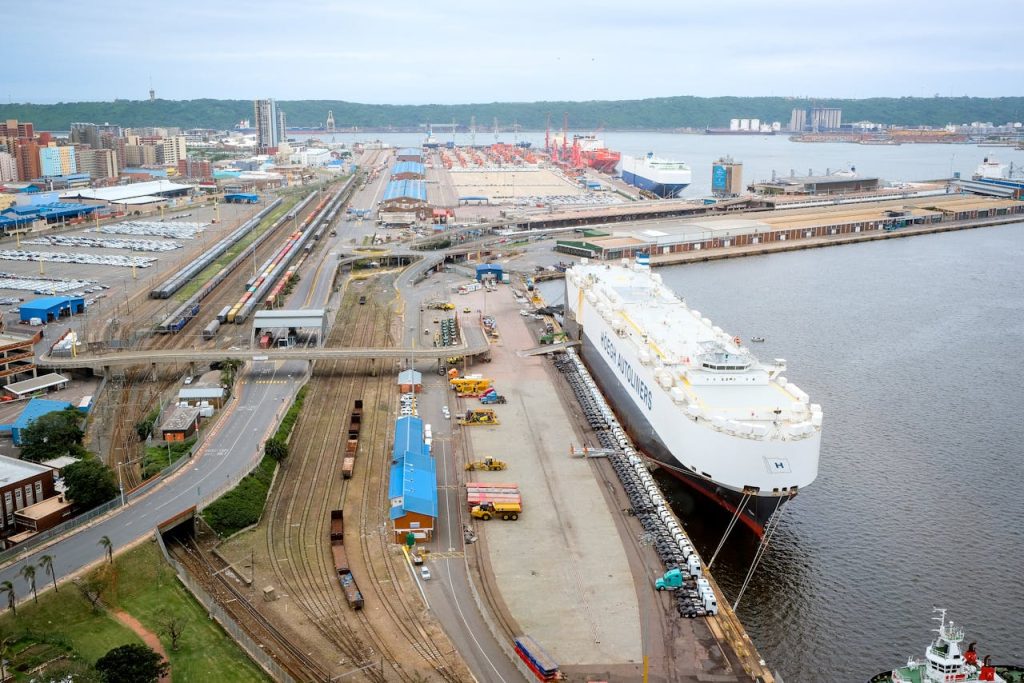
The massive infrastructure investments driven by the Simandou iron ore project and various bauxite corridors are creating a “logistics spine” that critical mineral projects can leverage. The proximity to deep-water ports like Kamsar and Conakry significantly reduces the capital expenditure (CAPEX) required for mineral evacuation and export.
Government Commitment to Diversification
The Guinean government is actively diversifying its mining portfolio. New policies are being implemented to fast-track the permitting process for “Strategic Minerals,” including lithium, cobalt, and rare earths. This includes specialized incentives for companies that commit to local value addition, such as primary processing or refining.
Strategic Opportunities: Exploration to Processing
Investment in Guinea’s critical minerals sector is not limited to extraction; the entire value chain is open for development.
1. Hard-Rock Lithium Exploration
The primary opportunity lies in the exploration of spodumene-bearing pegmatites. These deposits are highly sought after by refineries because they typically offer higher concentrations and easier processing routes compared to brine-based lithium.
2. Rare Earth Element Mapping and Development
Investors specializing in advanced geophysical techniques can find immense value in mapping Guinea’s specialized geological structures. The identification of heavy rare earth elements (HREE) would position a project at the very top of the global strategic importance list.
3. In-Country Value Addition (Refining)
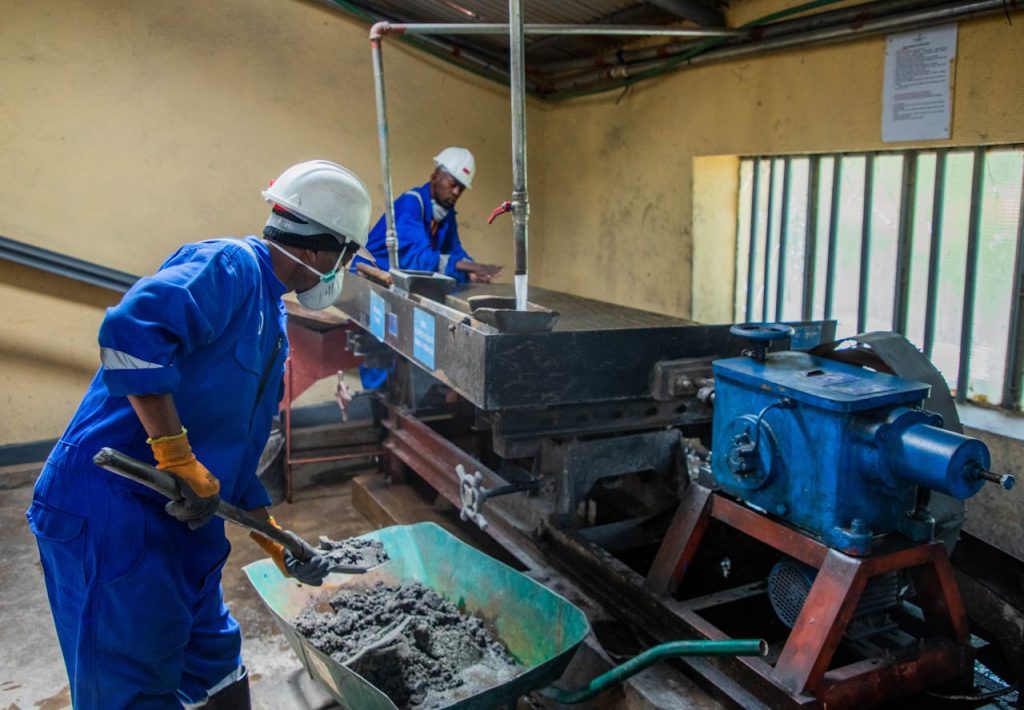
In 2026, “Local Content” will be a key pillar of Guinean mining law. There is a massive opportunity to establish primary processing plants that upgrade raw ore into concentrates (e.g., 6% Spodumene concentrate). Projects that include a refining component are eligible for extended tax holidays and preferential access to the national power grid.
Navigating the Regulatory Landscape
Investing in Guinea require a deep understanding of both local laws and international standards.
- The Mining Code: Guinea’s mining code is designed to protect both the state’s interests and investor rights. It provides clear guidelines on royalties, environmental protections, and community engagement.
- OHADA Legal Security: As a member of the OHADA framework, Guinea offers a standardized commercial legal environment. This ensures that contracts are enforceable and disputes can be settled through international arbitration.
- ESG and Sustainability: In 2026, the success of a mining project is tied to its ESG (Environmental, Social, and Governance) performance. Investors who prioritize water management, carbon footprint reduction, and local community development are prioritized for permit renewals and government support.
Roadmap for Successful Market Entry
- Technical Data Acquisition: Partner with local geological firms to review historical data and conduct high-resolution aero-magnetic surveys.
- Regulatory Liaison: Work with Yes! Invest Guinea to navigate the Ministry of Mines and Geology, ensuring all permits are secured with full transparency.
- Logistics Planning: Evaluate the use of existing multi-user rail and port infrastructure to optimize the supply chain.
- Community Partnership: Establish a “Social License to Operate” early by engaging with local communities and implementing sustainable development programs.
FAQ: Critical Minerals Guinea
- What specific types of lithium deposits are found in Guinea?
Guinea primarily hosts hard-rock lithium deposits within pegmatite structures, which are known for producing high-quality spodumene.
- Are there specific incentives for rare earth exploration?
Yes, the government classifies rare earths as “Strategic Minerals,” which can qualify for specialized investment conventions, including customized tax regimes and accelerated depreciation on equipment.
- How does the current infrastructure support mineral exports?
Major mining corridors (rail and port) are being opened up for “Multi-User” access, allowing critical mineral projects to share the infrastructure built for bauxite and iron ore.
- What are the environmental requirements for lithium mining?
All projects must conduct a comprehensive Environmental and Social Impact Assessment (ESIA) and maintain a fund for site rehabilitation, in line with international IFC standards.
- How can Yes! Invest Guinea assist my investment?
Yes! Invest Guinea provides end-to-end support, from identifying permit zones and conducting legal due diligence to connecting investors with institutional partners and local technical experts.
Conclusion: Securing the Future in West Africa
The Republic of Guinea is standing at a historic crossroads. While bauxite built the foundation, Critical Minerals in Guinea: Lithium and Rare Earth Opportunities represent the future of the nation’s economic identity. For global investors, the opportunity to secure high-grade assets in a reforming, resource-rich nation is unparalleled in 2026.
As the world pivots toward a green and digital future, those who act decisively in the Guinean critical minerals sector will be the ones who lead the global supply chain. The geology is proven, the regulatory doors are open, and the demand is limitless.
Lead the Energy Transition with Yes! Invest Guinea
At Yes! Invest Guinea, we are your strategic gateway to the minerals of the future. Our team provides the local intelligence, institutional access, and legal support you need to turn geological potential into sustainable profit.
Contact Yes! Invest Guinea today to receive our 2026 Critical Minerals & Rare Earths Market Analysis.