Rice Farming in Guinea: Investment Opportunities in Commercial Agriculture – Rice farming in Guinea presents opportunities for investors seeking to participate in commercial agriculture, food production, and agricultural value chains in West Africa. Rice is a major food crop in Guinea, while the country continues to develop its agricultural sector to strengthen food security and reduce dependence on imported food.
For investors, the opportunity is not limited to growing paddy rice. Commercial projects can extend across land development, irrigation, mechanized cultivation, improved seeds, harvesting, storage, milling, packaging, and distribution. Guinea’s new AgriConnect Compact also identifies rice as a priority value chain for strengthening food security and reducing reliance on imports.
This creates a broader investment landscape around rice farming in Guinea, particularly for investors interested in developing efficient, market-oriented agricultural operations.
Why Rice Farming Matters in Guinea
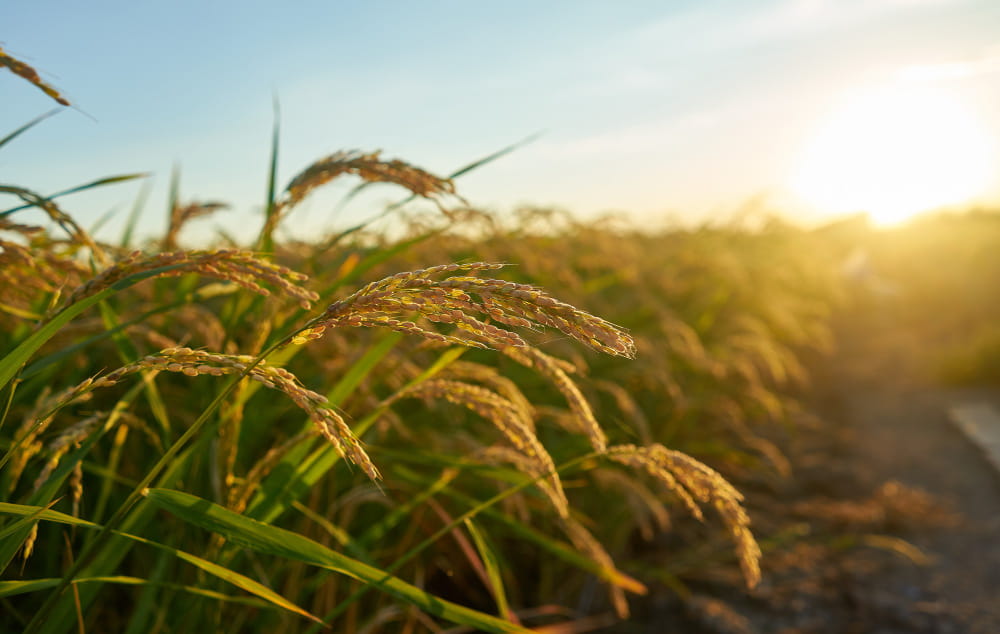
Rice has a particularly important position in Guinea’s agricultural economy. FAO research describes rice as a staple crop cultivated across different production environments, including upland areas, inland valley swamps, mangrove systems, and flooded plains.
The World Bank has also identified rice as the country’s main crop, reporting that it was grown by approximately 80% of agricultural households in the period covered by its Guinea Integrated Agricultural Development Project. The same assessment identified low productivity, limited use of improved seeds, and insufficient fertilizer use as important constraints.
These conditions are relevant to commercial investors because productivity improvements can come from several parts of the production system rather than from expanding cultivated land alone.
A modern rice farming project can therefore combine:
- Improved seed varieties
- Irrigation and water management
- Mechanized land preparation
- Efficient fertilizer application
- Modern harvesting and threshing
- Grain drying and storage
- Rice milling and packaging
- Structured distribution and market access
The opportunity is consequently better understood as a rice value chain investment rather than simply a farming project.
Key Rice Farming Investment Opportunities in Guinea
1. Commercial Rice Cultivation
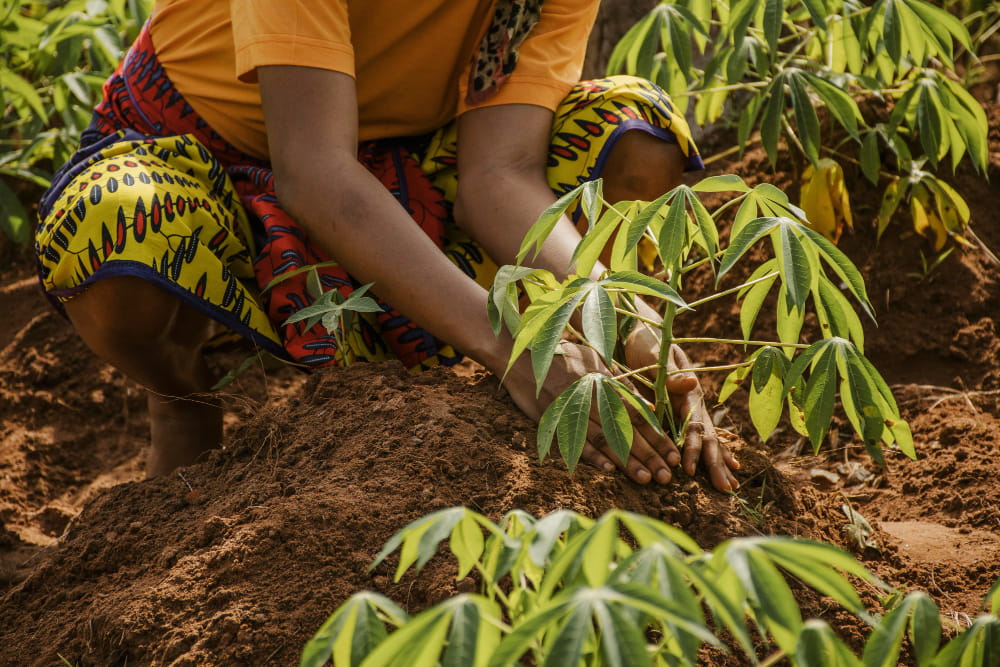
One of the most direct opportunities is the development of commercially managed rice farms.
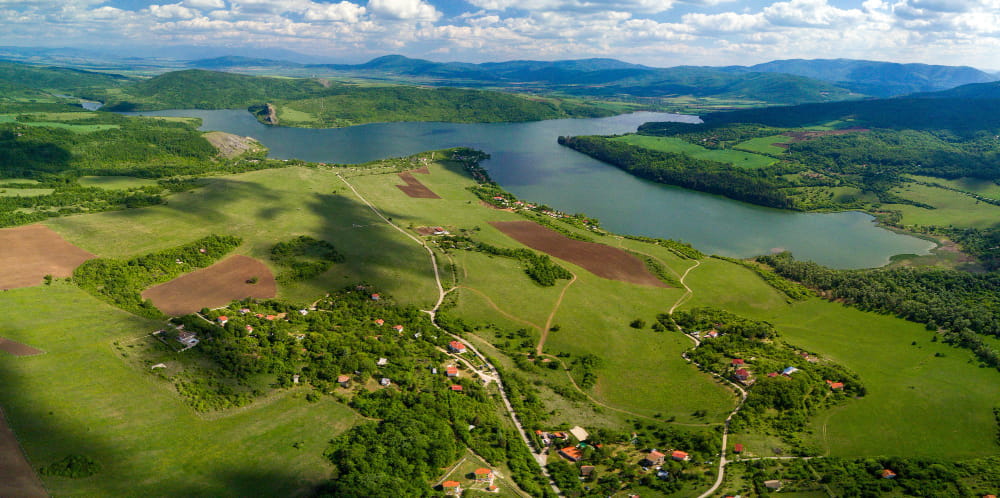
Guinea has multiple rice-growing environments, allowing investors to assess locations according to rainfall, water availability, soil conditions, topography, market access, and infrastructure. FAO documentation identifies rice production across numerous regions and notes that irrigated areas can support an additional cropping season under suitable conditions.
Commercial farms can introduce standardized production systems that improve planting schedules, crop management, harvesting, and post-harvest handling.
Rather than relying entirely on traditional production methods, investors can develop farms around measurable productivity targets, farm machinery, field monitoring, and professional agronomic management.
2. Irrigated Rice Farming
Irrigation is one of the most important components of commercial rice production.
Rainfed agriculture can be affected by irregular rainfall, while controlled water management can provide greater control over planting and crop development. FAO identifies irrigation and water management as important components of improving agricultural production in Guinea.
For investors, irrigation projects can include:
- Water intake and distribution systems
- Pumps and water-control structures
- Irrigation canals
- Drainage systems
- Water storage
- Solar-powered pumping where appropriate
Irrigation investment should be based on site-specific feasibility studies, including hydrological conditions, land characteristics, construction requirements, operating costs, and environmental considerations.
3. Mechanized Rice Production
Mechanization can address several labor-intensive stages of rice cultivation.
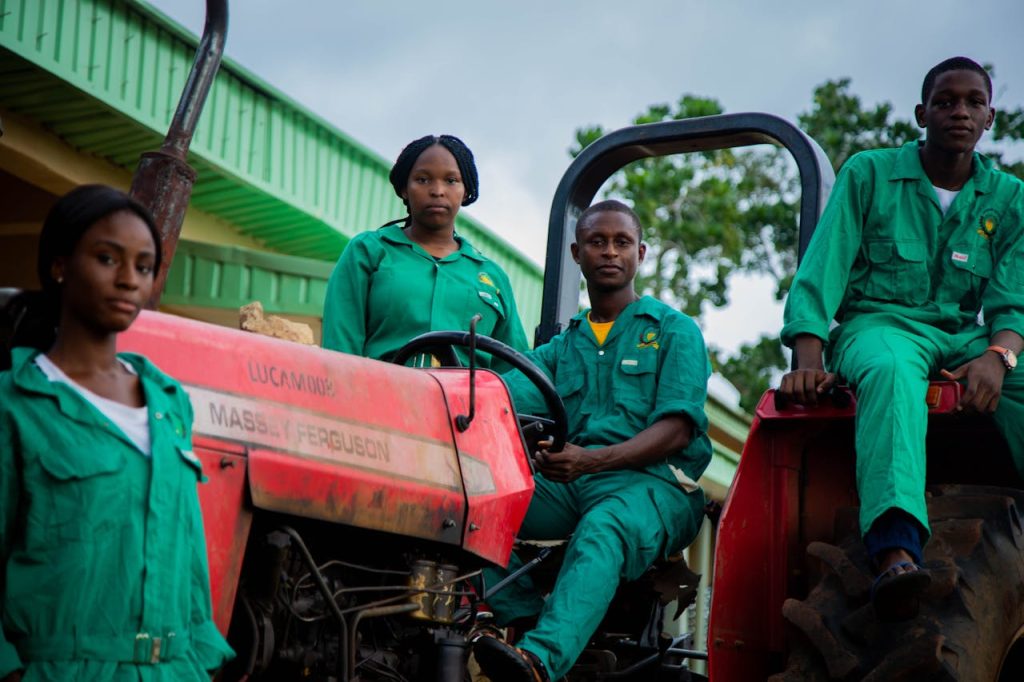
Commercial operations may require machinery for land preparation, planting, harvesting, threshing, and transportation. Mechanization can help standardize farm operations and reduce dependence on manual labor during critical periods.
This creates investment opportunities not only for rice producers but also for agricultural machinery suppliers and service providers.
A machinery-as-a-service model can also be considered, where equipment is used across multiple farms rather than being dedicated to one agricultural estate.
Rice Processing and Value Addition
Producing rice is only one part of the commercial opportunity.
Once harvested, paddy rice needs to be dried, stored, milled, graded, packaged, and transported. Investment in these stages can improve product quality while creating additional commercial opportunities within the agricultural value chain.
Rice Milling
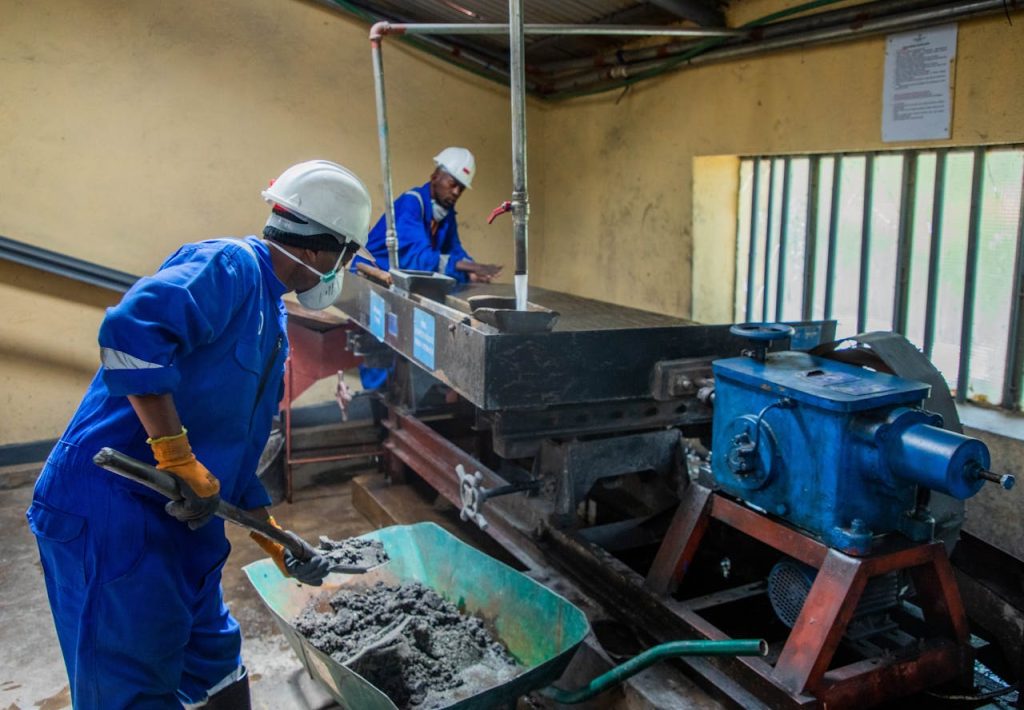
Modern rice mills can separate paddy into milled rice and by-products while improving consistency and processing efficiency.
Depending on the project scale, a rice processing facility may include:
- Paddy cleaning
- Drying
- Husking
- Milling
- Grading
- Sorting
- Packaging
Rice milling can also create demand for supporting businesses, including transportation, equipment maintenance, packaging materials, and warehouse services.
Grain Storage and Post-Harvest Infrastructure
Storage is another important part of commercial rice farming.
Poor post-harvest handling can reduce the quantity and quality of agricultural products before they reach consumers. Investment in drying and storage facilities can help commercial operators manage inventory more effectively and reduce pressure to sell immediately after harvest.
This also connects rice farming with Guinea’s wider agribusiness infrastructure opportunities. The Yes Invest Guinea agriculture category already covers grain storage facilities as a separate agribusiness topic, making storage a complementary investment area rather than duplicating this article’s focus.
Why Guinea’s Rice Sector Is Relevant to Investors
Several structural factors make rice particularly relevant within Guinea’s agricultural development strategy.
First, rice is a major domestic food crop. Second, government and development initiatives are increasingly focused on agricultural productivity, food security, and market-oriented value chains.
In April 2026, the Government of Guinea and the World Bank launched the Guinea AgriConnect Compact, identifying rice and poultry as priority value chains. The initiative is designed to strengthen food security, create jobs, and support agricultural transformation, while also linking agriculture with the country’s broader economic development agenda.
Guinea’s agricultural sector also remains dominated in many areas by smallholder production. The U.S. International Trade Administration notes that foreign firms have shown interest in projects such as rice production in the Boké region, while irrigation development has also been pursued around the Koundian plain near Kankan. The same source highlights infrastructure and logistics as challenges that investors need to consider.
For commercial investors, this means that successful projects should evaluate the entire operating environment rather than focusing only on land availability.
Important Considerations Before Investing in Rice Farming in Guinea
Commercial rice farming requires careful planning before capital is committed.
Land and Site Selection
Investors should conduct legal and technical due diligence on potential agricultural land. Important considerations include land tenure, access, soil quality, water availability, proximity to roads, and distance to processing or consumer markets.
Water and Irrigation Feasibility
A site that appears suitable for rice production may still require significant investment in irrigation or drainage. Hydrological assessments should therefore form part of the feasibility process.
Market and Off-Take Planning
Investors should identify potential buyers before scaling production. Possible markets include domestic wholesalers, food distributors, processors, retailers, institutional buyers, and regional markets.
Processing and Logistics
A farm can produce a strong harvest but still face commercial challenges if drying, storage, milling, transportation, or packaging capacity is insufficient.
Environmental and Community Considerations
Large agricultural projects should assess environmental impacts, water use, community relationships, and local employment. Responsible land development and transparent engagement can contribute to the long-term sustainability of an agricultural project.
Building an Integrated Rice Agribusiness
The strongest commercial model may not be limited to farming alone.
An integrated rice project can connect several stages:
Land development → Rice cultivation → Harvesting → Drying → Storage → Milling → Packaging → Distribution
This approach gives investors multiple points where operational efficiency and value addition can be developed.
It can also create opportunities for local employment and partnerships with farmers. Contract farming or outgrower models may allow commercial processors to source paddy from surrounding producers while providing access to inputs, technical assistance, or guaranteed markets.
Guinea’s agricultural development programs have already included initiatives focused on improving rice production practices, certified seed, irrigation, crop management, and farmer training.
Frequently Asked Questions About Rice Farming in Guinea
1. Is rice farming profitable in Guinea?
The profitability of a rice farming project depends on factors such as land development costs, irrigation, yield, input prices, labor, machinery, post-harvest losses, processing efficiency, and market prices. Investors should conduct a project-specific feasibility study rather than relying on general profitability estimates.
2. Why is rice an important investment sector in Guinea?
Rice is a major staple crop in Guinea, and the country’s 2026 AgriConnect Compact identifies rice as a priority value chain for food security and reducing reliance on imports.
3. Can foreign investors invest in commercial rice farming in Guinea?
Foreign investment in Guinea’s agricultural sector is possible, but investors should assess land arrangements, company registration, permits, environmental requirements, and other applicable regulations before starting operations. Professional local assistance can help investors navigate these requirements.
4. What infrastructure is needed for commercial rice farming?
A commercial operation may require land development, irrigation, farm machinery, roads, storage, drying facilities, electricity or alternative energy, rice milling equipment, packaging facilities, and reliable transportation.
5. Can rice farming be combined with rice processing?
Yes. Integrating cultivation with drying, milling, grading, and packaging can create a more complete rice value chain. Processing also allows investors to participate beyond primary agricultural production.
Start a Rice Farming Investment Project in Guinea
Rice farming in Guinea offers opportunities across primary production, irrigation, mechanization, processing, storage, and distribution. With rice identified as a priority agricultural value chain and ongoing efforts to modernize Guinea’s agrifood system, commercial projects can be developed around productivity, infrastructure, and value addition.
Investors should approach each project with detailed technical, financial, legal, and environmental due diligence. Site selection, water availability, land arrangements, production technology, processing capacity, and market access should all be evaluated before investment decisions are made.
Yes Invest Guinea can support investors exploring agricultural opportunities in Guinea, including investment facilitation, local partnerships, regulatory assistance, and connections within the agricultural value chain.
Explore the broader Agriculture and Agribusiness opportunities in Guinea and connect with Yes Invest Guinea to discuss your commercial agriculture project.