The economic corridor between Beijing and Conakry in 2026 has reached unprecedented integration. For Chinese institutional allocators, state-owned enterprises (SOEs), and private equity firms executing “Belt and Road” initiatives, West Africa has shifted from a speculative resource frontier into a core logistical and industrial anchor. If you are analyzing how can Chinese investors invest in Guinea, the answers lie within a modernized regulatory matrix, extensive bilateral treaties, and massive infrastructure developments that have created highly profitable value chains across the nation.
Driven by the historic execution of the Simandou iron ore project and a national focus on local manufacturing, Guinea offers a highly secure, high-alpha environment for Chinese capital. By aligning investment strategies with Guinea’s long-term industrialization roadmap, Chinese firms can secure structural market advantages while capitalizing on the African Continental Free Trade Area (AfCFTA) framework.
The Macroeconomic Alignment: China and Guinea in 2026
The commercial relationship between China and Guinea is built on deep structural reciprocity. Guinea possesses the world’s largest unexploited deposits of high-grade iron ore and over one-third of global bauxite reserves, while China offers the industrial technology, capital infrastructure, and market demand needed to unlock this natural wealth.
The Institutional Framework and Bilateral Protection
A primary factor for Chinese state and private entities analyzing how to enter the Guinean market is contractual predictability. The bilateral relationship is fortified by comprehensive Investment Protection Treaties and Double Taxation Agreements signed between Beijing and Conakry. Furthermore, Guinea’s active membership in OHADA (Organization for the Harmonization of Business Law in Africa) ensures that corporate governance, commercial disputes, and property security are managed under a transparent, internationally recognized legal code.
Infrastructure Synergy: The Trans-Guinean Corridor
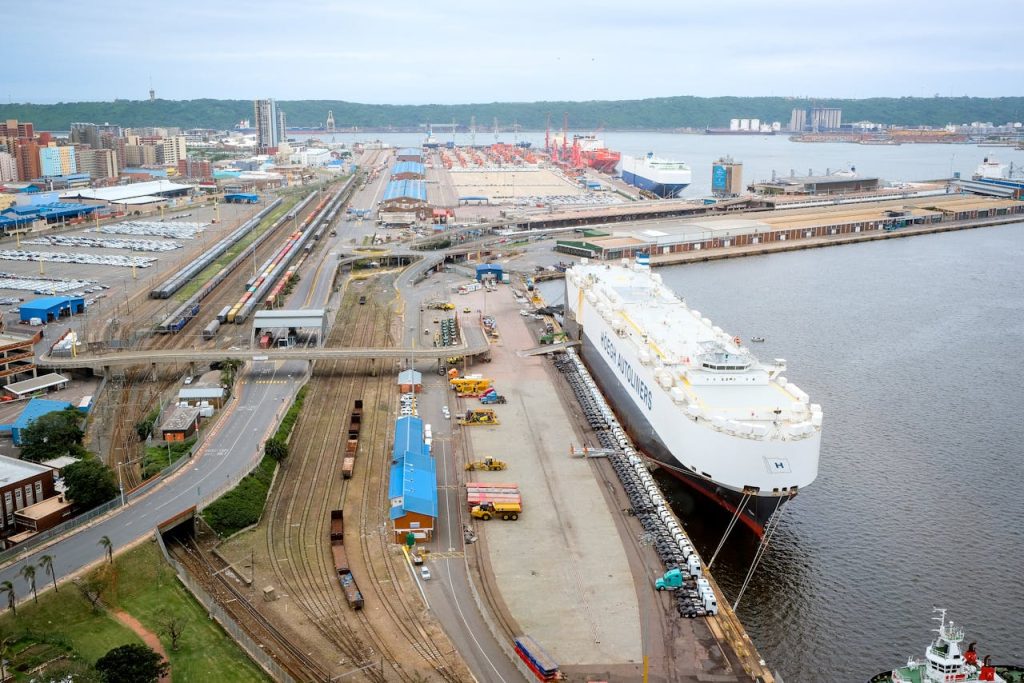
The massive infrastructure built around Guinea’s mining hubs has fundamentally reshaped the nation’s logistical capacity. The completion of multi-user rail corridors and deep-water ports, such as the Morebaya Port, has significantly reduced the cost of transport. For Chinese investors, this infrastructure provides an open-access network that can be leveraged to deploy capital into non-mining sectors, including industrial agriculture, commercial real estate, and manufacturing.
High-Growth Sectors for Chinese Capital Allocation
To achieve optimal risk-adjusted returns, Chinese investors are diversifying away from raw resource extraction and moving rapidly into downstream value addition, infrastructure modernization, and light manufacturing.
| Target Sector | Core Strategic Opportunities | Strategic Regional Advantage |
| Manufacturing & Processing | Alumina refining, steel processing, construction material fabrication | Bypasses raw export restrictions; enables duty-free trade within the AfCFTA bloc. |
| Agribusiness Value Chains | Industrial rice milling, automated cashew processing, mechanized plantations | Satisfies local food security demand and serves massive import markets in Asia. |
| Energy & Utilities | Hydropower grid integration, commercial solar parks, industrial mini-grids | Powers heavy industrial corridors and rapidly growing urban production zones. |
1. Downstream Manufacturing and Special Economic Zones (SEZs)
Guinea’s modern regulatory code heavily penalizes the export of unrefined raw materials, creating a powerful fiscal incentive for local manufacturing.
-
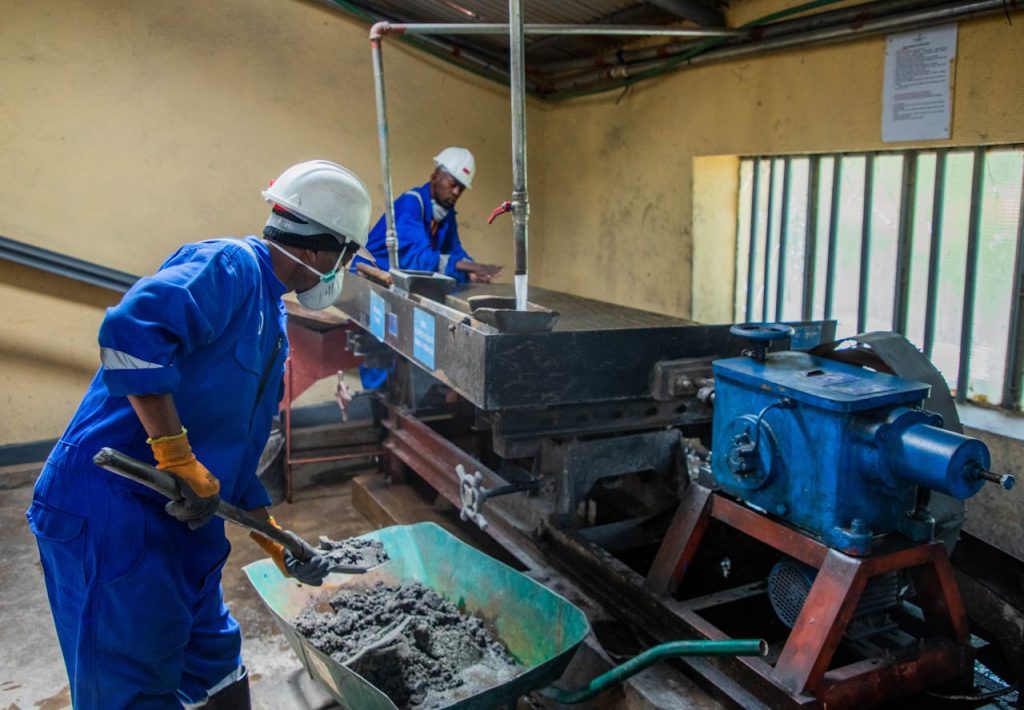
Alumina Refining: Establishing local refineries to convert raw bauxite into high-value alumina is a top priority for the Guinean Ministry of Mines. Chinese consortia can utilize existing transport links to build out integrated industrial parks.
-
Light Assembly: Setting up factories within designated Special Economic Zones (SEZs) to produce building materials, textiles, and consumer goods allows investors to utilize affordable local labor and export duty-free to over 1.3 billion consumers across Africa under the AfCFTA protocol.
2. Large-Scale Agribusiness and Food Security Crops
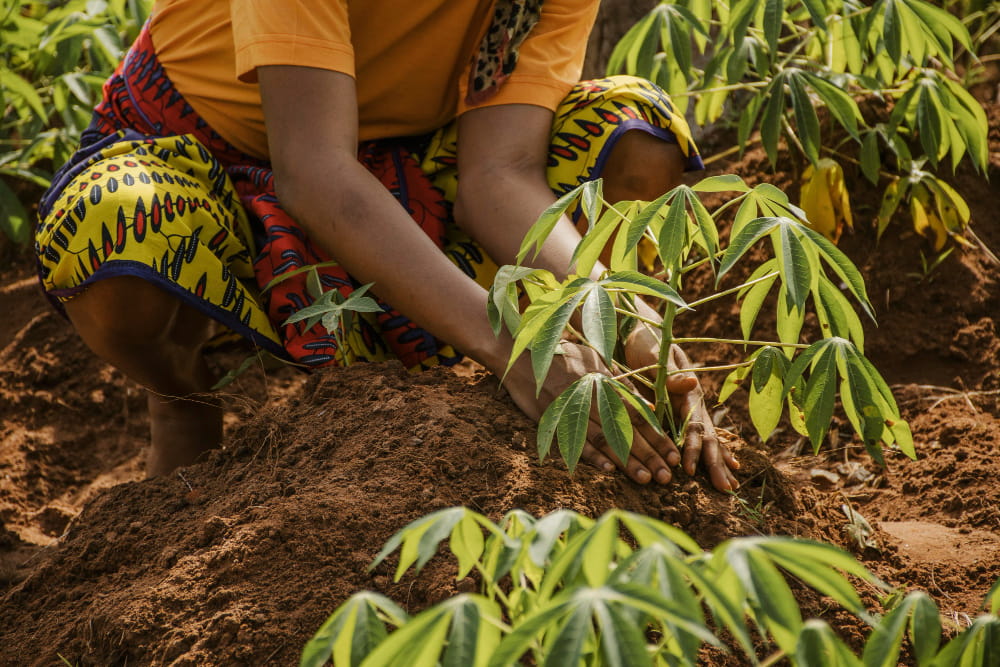
With over 6 million hectares of fertile, arable land and the highest rainfall network in West Africa, Guinea is structurally primed to become an agricultural superpower.
-
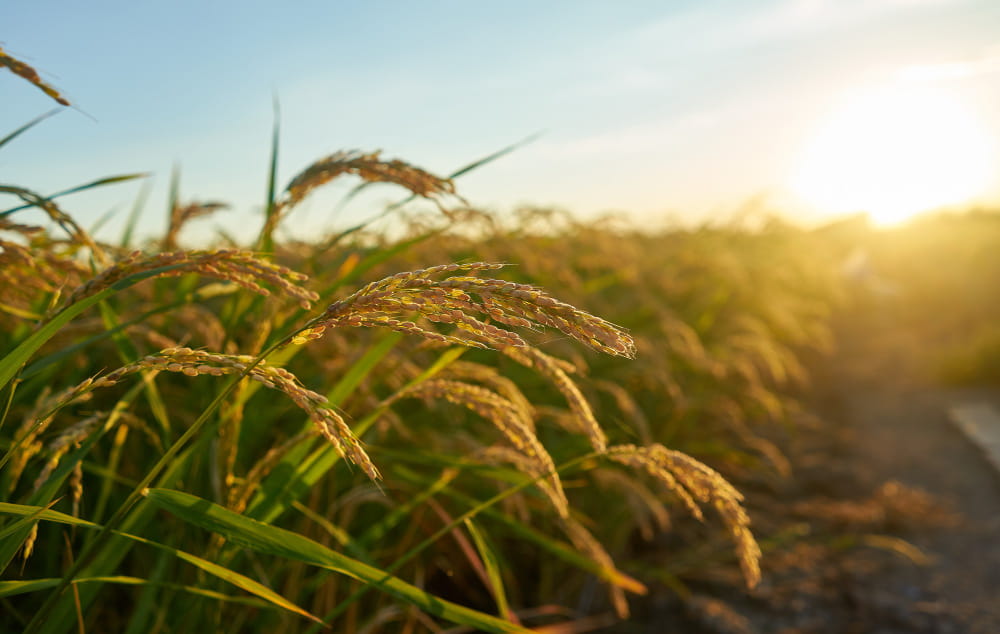
Rice and Grain Milling: Guinea currently spends massive capital importing staple grains. Chinese agricultural firms specializing in mechanized, high-yield rice cultivation can establish dominant domestic market positions.
-
Cash Crop Processing: Setting up automated processing units for cashews, cocoa, and palm oil ensures that products meet strict international standards before being shipped directly to major ports in Shanghai or Ningbo.
3. Renewable Energy Generation and Industrial Power Grids
The rapid expansion of manufacturing hubs and urban centers has created an unprecedented deficit in baseload power.
-
Solar-Diesel Hybrid Mini-Grids: Private Chinese energy developers can deploy flexible, decentralized solar installations to power remote industrial zones and mining townships under profitable Public-Private Partnerships (PPAs).
-
Hydropower Integration: Leveraging Guinea’s dense river networks to construct small-to-mid scale run-of-river hydro plants offers highly secure, long-term infrastructure returns backed by sovereign guarantees.
Corporate Entry Roadmap via Guinea’s APIP Framework
Establishing a legally compliant, operational corporate entity in Guinea has been streamlined through the Agency for the Promotion of Private Investments (APIP), which operates as a centralized “One-Stop Shop” for international businesses.
| Phase | Action Step | Practical Execution | Regulatory Timeline |
| Phase 1 | Legal Structuring | Choose between an SARL (LLC) or SA (Joint Stock Company). Draft corporate bylaws conforming to OHADA standards. | Pre-entry Planning |
| Phase 2 | Dossier Submission | Submit notarized articles of incorporation, passport verifications, and physical address registration to APIP Conakry. | Day 1 |
| Phase 3 | Incorporation & Tax Setup | APIP processes the application, issues the Commercial Registry Number (RCCM), and assigns a unique Tax ID (NIF). | Within 72 Hours |
| Phase 4 | Financial Activation | Open a resident corporate bank account with an accredited international institution and deposit initial operating capital. | Week 1 |
Mitigating Risk and Maximizing Capital Efficiency
While the growth fundamentals are undeniable, successfully deploying capital into frontier markets requires localized mitigation strategies and an understanding of the 2026 fiscal environment.
Managing Currency and Capital Repatriation
Guinea’s central banking system explicitly guarantees foreign investors the right to convert and freely transfer corporate profits, dividends, interest payments, and liquidated asset capital back to international offshore accounts. To minimize localized foreign exchange fluctuations, Chinese entities routinely structure their project financing through international development lenders and utilize professional advisory networks to employ efficient currency hedging mechanisms.
Securing Your Structural “Social License”
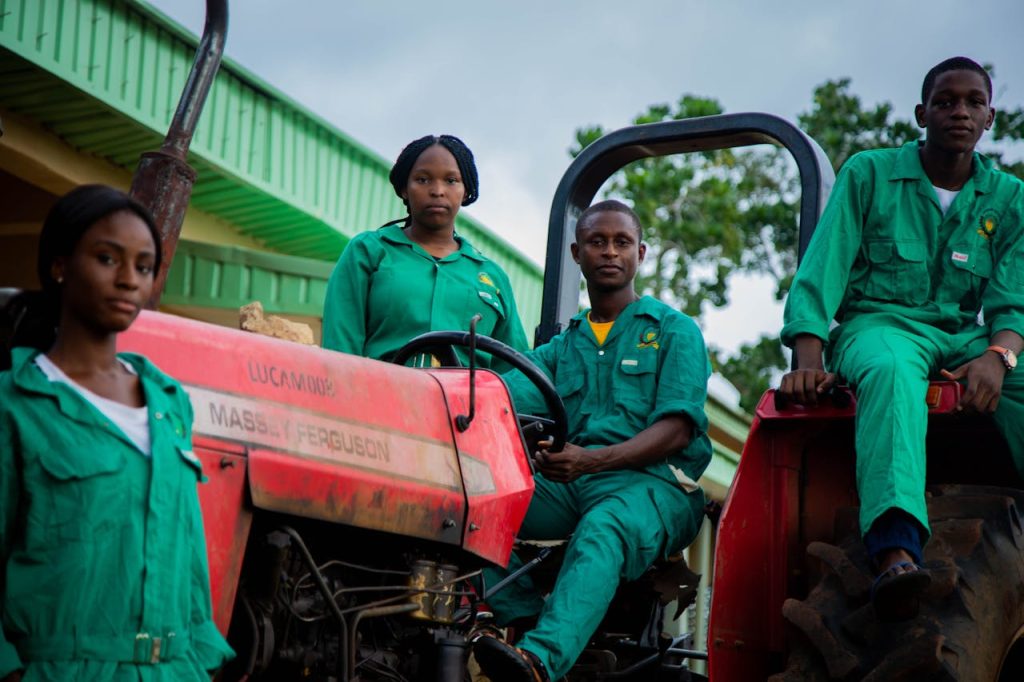
In 2026, sustainable financial returns are directly linked to environmental and social responsibility. The Guinean government prioritizes investment proposals that demonstrate a commitment to local content. Chinese firms can significantly accelerate their project approvals by hiring local Guinean engineers, investing in community vocational training facilities, and sourcing raw components from domestic sub-contractors.
Frequently Asked Questions (FAQ)
1. Can Chinese private individuals own 100% of a business in Guinea?
Yes. Except for specific strategic defense or minor artisanal sectors, Guinea’s Investment Code permits 100% foreign equity ownership and control over commercial, agricultural, manufacturing, and real estate enterprises.
2. What specific tax exemptions are available for new factories?
Under the current Investment Code, qualified industrial and manufacturing operations situated within designated economic zones enjoy extensive fiscal holidays, including 8 to 10 years of corporate income tax exemptions and full waivers on customs duties for imported industrial machinery.
3. How does the Guinean legal system protect international corporate assets?
As an active member of OHADA, Guinea adheres to a highly standardized, transparent business law system across West Africa. Furthermore, Guinea is a signatory to the Multilateral Investment Guarantee Agency (MIGA), providing robust insurance options against non-commercial and political risks.
4. What language is primarily utilized in official administrative transactions?
French is the official administrative and commercial language of Guinea. However, key investment promotion agencies like APIP and major international financial institutions routinely process transactions and legal documentation in English to accommodate global investors.
5. How does Yes! Invest in Guinea assist Chinese corporate entities?
We provide comprehensive market-entry advisory, from localized site selection and environmental permitting to company incorporation, legal structure compliance under OHADA, and direct joint-venture matching with pre-vetted local partners.
Conclusion: Partnering for Sustainable Industrial Growth
Navigating how can Chinese investors invest in Guinea reveals a highly strategic, structurally supported roadmap to high-yield frontier market expansion. By combining China’s unmatched manufacturing capabilities and infrastructure expertise with Guinea’s abundant resources and pro-business regulatory climate, investors can build incredibly resilient global supply hubs.
Ready to establish your industrial footprint in West Africa? Contact our global advisory desk at Yes! Invest in Guinea today to receive our comprehensive 2026 Bilateral Trade Opportunity Report and arrange a private exploratory consultation with our on-the-ground project coordinators.
Contact Yes! Invest in Guinea to Secure Your Industrial Strategy Today.