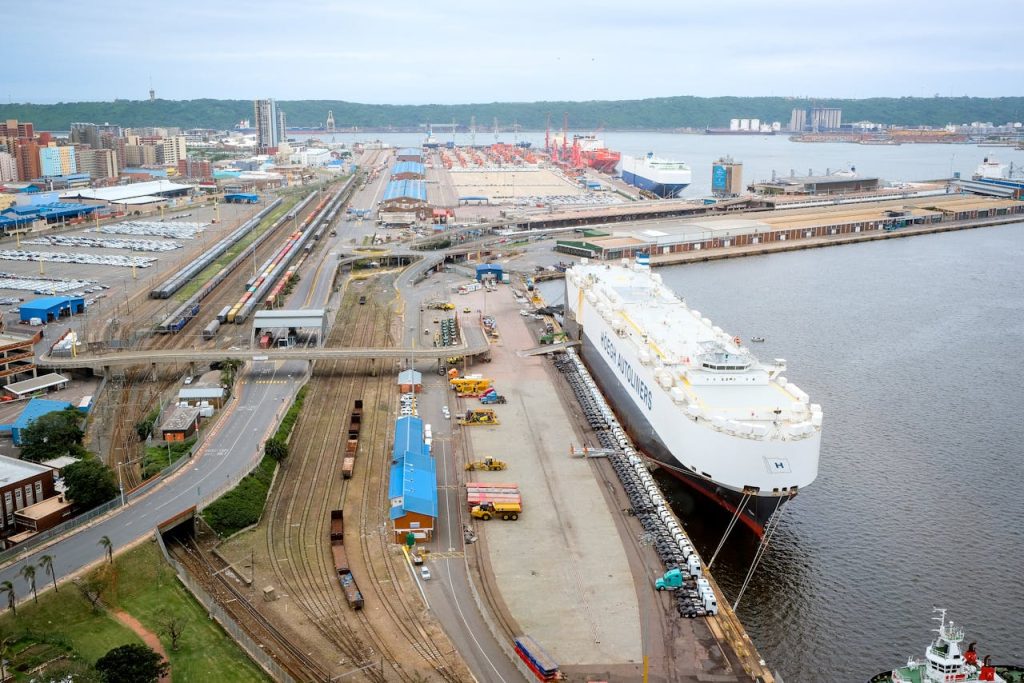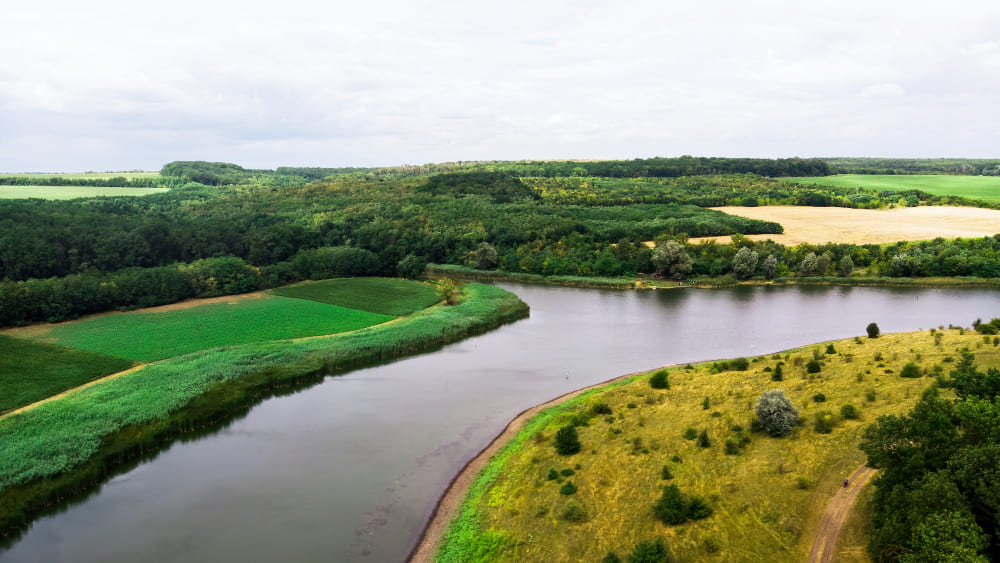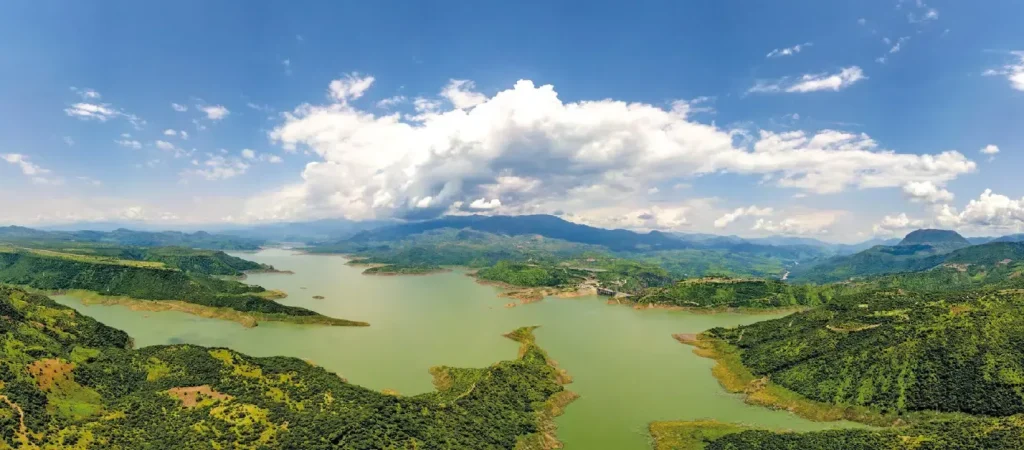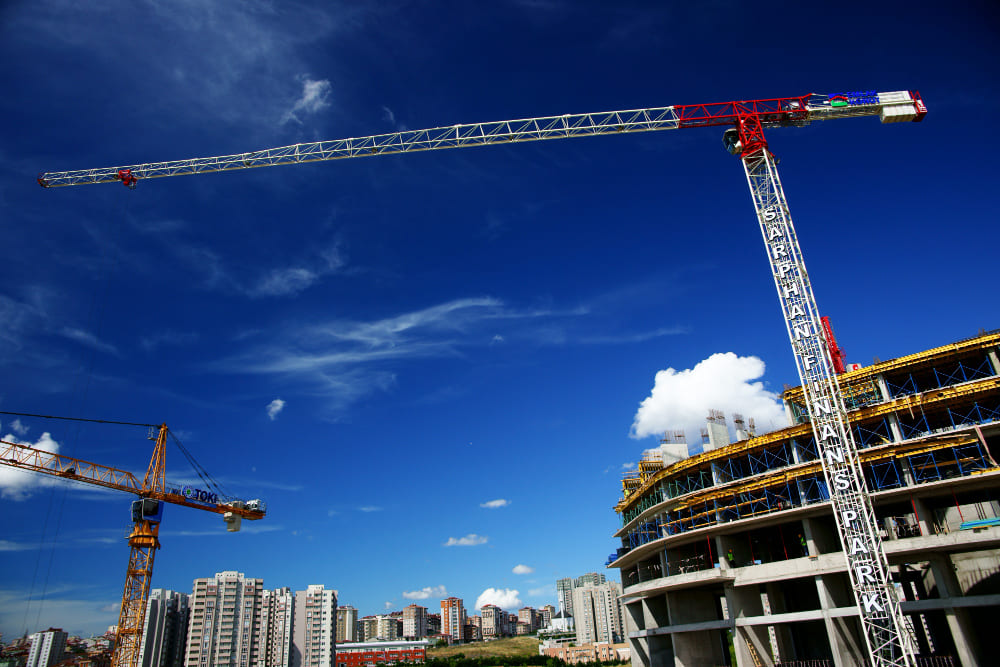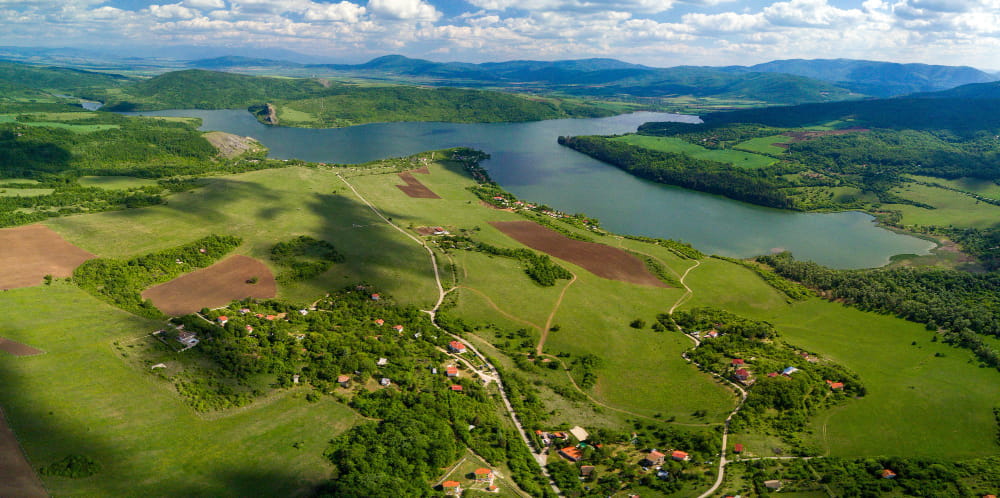
The Republic of Guinea, known as the “Water Tower of Africa” due to its lush highlands, abundant rivers, and extraordinary biodiversity, stands at a transformative threshold. As global travelers increasingly shift their preferences toward immersive, nature-centric experiences, Guinea is emerging as a premier frontier for sustainable tourism. Eco-Lodges Guinea: Sustainable Tourism Real Estate is not just an aesthetic trend; it is a high-potential investment class that bridges economic growth with the preservation of the nation’s irreplaceable natural heritage.
For international investors and developers, Guinea offers a “greenfield” opportunity to lead the market in a sector that is still in its infancy. At Yes! Invest Guinea, we recognize that the future of African tourism lies in high-end, low-impact infrastructure developments that empower local communities while offering global visitors an authentic connection to the wild.
The Strategic Potential of Ecotourism in Guinea
While Guinea has long been recognized for its mineral wealth, its biophysical potential remains a largely untapped asset. Ecotourism offers a strategic lever to reconcile economic diversification with biodiversity conservation. By investing in eco-lodges, developers tap into a growing market of affluent, conscious travelers who prioritize environmental responsibility over mass-market luxury.
1. Why Guinea? The Natural Advantage
Guinea’s geography is diverse and spectacular. From the misty, verdant valleys of the Fouta Djallon highlands to the rugged, biodiverse peaks of the Mount Nimba Strict Nature Reserve, the country offers landscapes that are unmatched in West Africa. These regions are perfectly suited for low-density, sustainable developments that provide privacy, tranquility, and direct access to rare wildlife and indigenous cultures.
2. The Economic Multiplier Effect
Unlike industrial mining operations that have concentrated footprints, eco-lodges create a dispersed economic impact. They drive demand for locally sourced sustainable building materials, organic agricultural produce from surrounding villages, and professional training for local guides and hospitality staff. This creates a resilient, long-term economic ecosystem that is less susceptible to global commodity price shocks.
Designing for Sustainability: The Eco-Lodge Model
To succeed in the Guinean market, an eco-lodge must be built on the principle of “minimal impact, maximum experience.”
1. Low-Impact Infrastructure
Sustainable tourism real estate in Guinea should prioritize:
- Renewable Energy Integration: Utilizing solar power and micro-hydro (leveraging Guinea’s abundant water sources) to ensure off-grid independence.
- Passive Design: Building with locally sourced, bio-climatic materials that naturally regulate temperature, reducing the need for high-energy cooling or heating systems.
- Closed-Loop Water Management: Implementing advanced water recycling and rainwater harvesting systems, which are essential for maintaining the health of the local ecosystems where these lodges are situated.
2. Community-Led Tourism
Investors who succeed in Guinea are those who view the local community not as neighbors, but as partners. Establishing profit-sharing models or equity stakes for local landowners ensures that the development is protected and cherished by those who know the land best. This “Social License to Operate” is the most valuable asset any ecotourism venture can possess.
Navigating the Investment Landscape
While the potential is clear, navigating the Guinean real estate and tourism sector requires local intelligence and institutional partnerships. Guinea’s investment climate is evolving, with recent efforts to improve business facilitation and streamline the permitting process.
1. The Regulatory Outlook
While challenges in government capacity exist, the legislative appetite for tourism development is growing. The government is actively seeking public-private partnerships (PPPs) that bring technical expertise and global marketing reach to the sector. Working with seasoned facilitators can drastically reduce the time needed for site approvals and infrastructure licensing.
2. Mitigating Investment Risks
For international developers, the key to mitigating risk in Guinea’s tourism sector involves:
- Securing Legal Title: Given the prevalence of customary land tenure, performing rigorous due diligence on land acquisition is critical. Partnering with entities that have a deep understanding of local land laws is essential.
- Infrastructure Synergy: Developing in areas where the government is already prioritizing infrastructure improvements (roads, telecommunications, and energy) can significantly lower development costs and improve the guest experience.
Why Invest Now?
The global market for ecotourism is booming, yet the supply of high-end, sustainable lodges in West Africa remains critically low. By entering Guinea today, investors can:
- Secure Prime Sites: Identify and develop high-potential land before the market reaches maturity.
- Shape the Narrative: Set the standard for sustainable tourism in Guinea, becoming the blueprint for future developments.
- Generate Long-Term Value: Build assets that appreciate as Guinea’s tourism infrastructure improves and its global brand visibility grows.
FAQ: Ecotourism and Eco-Lodges in Guinea
- Is ecotourism a growing sector in Guinea?
Yes. While still in its early stages, there is a clear strategic shift toward ecotourism as a tool for biodiversity conservation and rural economic development, supported by national policies and international interest.
- What are the main challenges to investing in eco-lodges in Guinea?
Primary challenges include infrastructure deficits in remote areas and the need for careful navigation of customary land tenure systems. However, these challenges also represent the “early-mover” opportunity for those who can solve them.
- How do eco-lodges benefit local communities?
Eco-lodges provide consistent employment, a market for local agricultural products, and opportunities for local artisans and guides, ensuring the economic benefits of tourism stay within the region.
- What kind of support does the government offer for tourism real estate?
The government is increasingly open to public-private partnerships and is working to streamline the process for obtaining tourism concessions and construction permits.
- How can Yes! Invest Guinea help me get started?
We act as your local “Institutional Concierge.” We provide the site identification, due diligence on land tenure, and the high-level government liaison services needed to move from concept to breaking ground.
Conclusion: Crafting the Future of African Travel
Guinea is a land of untapped, breathtaking potential. For the visionary investor, Eco-Lodges Guinea represents the perfect intersection of environmental stewardship and commercial growth. By building sustainable infrastructure today, you are not only securing a high-value asset but also defining the future of responsible, nature-focused travel in Africa.
Start Your Sustainable Investment Journey
At Yes! Invest Guinea, we turn tourism visions into industrial reality. From initial site feasibility to connecting you with the right local stakeholders, our team provides the intelligence you need to thrive.
Contact Yes! Invest Guinea today to receive our 2026 Sustainable Tourism & Real Estate Prospectus.