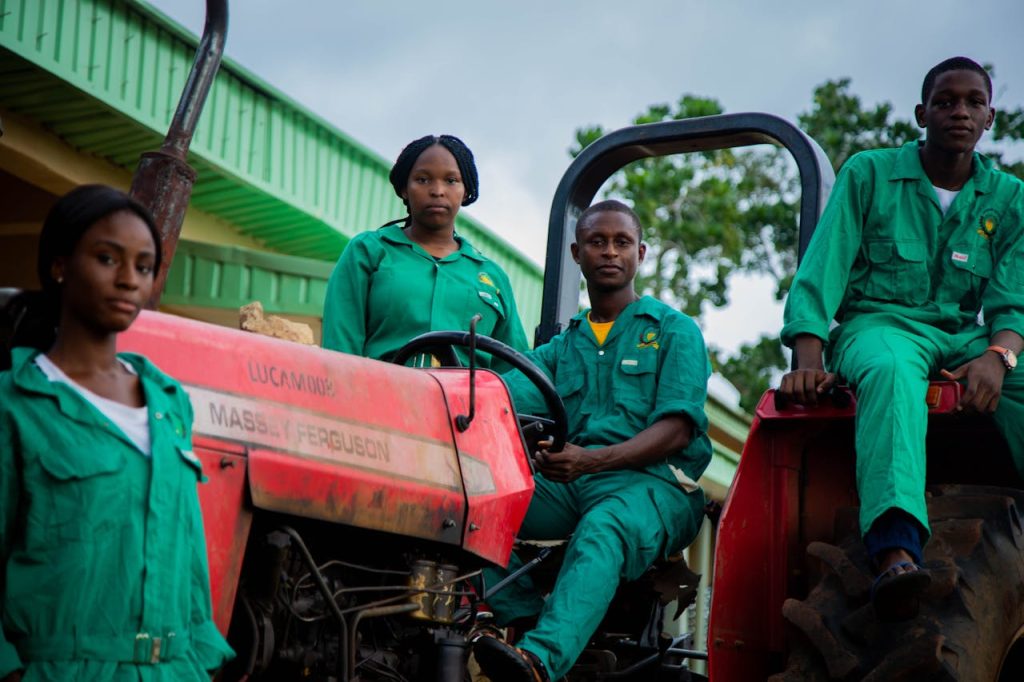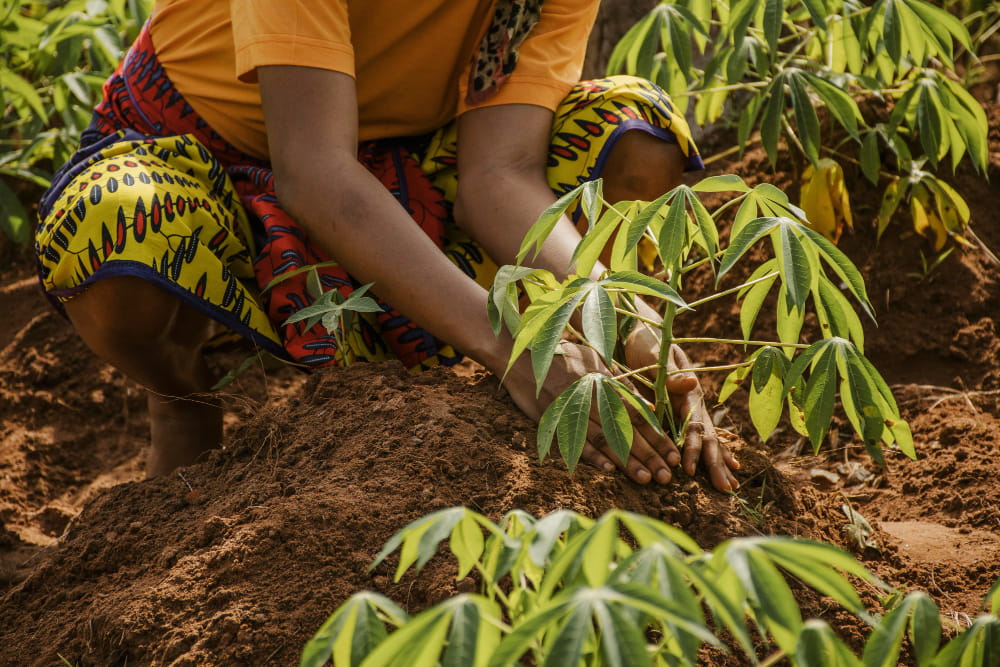
Rice production in Guinea represents an important opportunity for commercial farmers, agribusiness companies, and investors looking to participate in one of the country’s most significant agricultural value chains. Rice is a major staple food in Guinea, while domestic production, processing, storage, transportation, and distribution all create opportunities for private-sector participation.
For investors, the opportunity extends beyond simply cultivating rice. A commercially structured rice business can connect farming with irrigation, mechanization, rice milling, storage, packaging, distribution, and other value-added activities.
Guinea’s agricultural potential is supported by substantial arable land and water resources. The country’s Agency for the Promotion of Private Investments (APIP) identifies rice among the crops with investment potential and highlights agricultural development, processing facilities, and agricultural infrastructure as areas for investment.
This makes rice an important sector to consider for investors seeking a scalable agricultural business in Guinea.
Why Rice Production Matters in Guinea
Rice plays an important role in Guinea’s food system and agricultural economy.
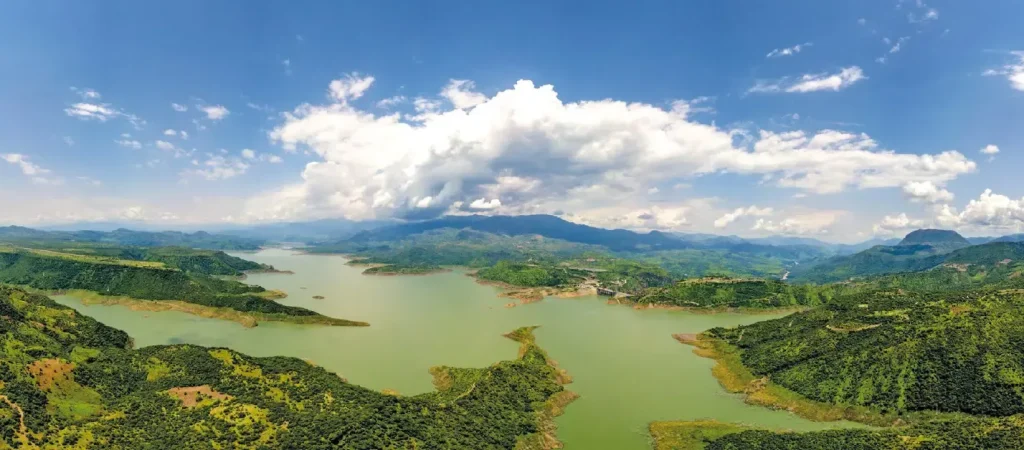
The country’s diverse geography creates different production environments, including coastal lowlands, river basins, inland plains, and highland areas. These conditions can support different rice-growing systems depending on water availability, soil characteristics, farming methods, and infrastructure.
APIP reports that Guinea has approximately 13.7 million hectares of identified arable land, with around 38% currently exploited. The agency also identifies substantial water resources and different agricultural opportunities across Guinea’s natural regions.
For commercial farmers, this creates room to improve production through:
- Irrigated rice farming
- Lowland rice cultivation
- Mechanized farming
- Improved seeds
- Better water management
- Modern harvesting equipment
- Post-harvest facilities
- Rice milling
- Packaging and distribution
The opportunity is therefore not limited to increasing cultivated acreage. Improving productivity and building a stronger value chain can also create commercial opportunities.
Guinea’s Rice Market and Import Demand
One reason rice remains strategically important is the relationship between domestic production and consumption.
The World Bank has identified agriculture as a major source of employment in Guinea and has emphasized the importance of improving productivity, agricultural value chains, market access, infrastructure, and private investment.
The country has also historically relied on rice imports to supplement domestic supply. This creates an important market question for investors: can commercially organized farms and processing businesses help supply more of the domestic market while creating competitive agricultural enterprises?
The answer depends on production costs, yields, irrigation, farm size, mechanization, logistics, post-harvest losses, milling efficiency, and market prices.
Investors should therefore evaluate the entire rice value chain rather than assuming that demand alone guarantees profitability.
Rice-Growing Regions and Location Considerations
Selecting the right location is essential for commercial rice farming.
Different regions of Guinea have different agricultural characteristics, and rice production should be matched to the local environment and the intended production model.
Lower Guinea
Lower Guinea has a humid coastal environment and significant water resources. Lowland and irrigated agricultural systems can be evaluated depending on specific site conditions.
For investors, proximity to Conakry and major commercial markets can also be relevant when evaluating potential locations.
Upper Guinea
Upper Guinea contains savannah areas and important agricultural zones. APIP identifies rice among the crops associated with the region’s agricultural opportunities. (APIP Guinea)
Investors considering rice projects should assess local rainfall, irrigation potential, soil conditions, road access, and availability of agricultural labor.
Forest Guinea
The more humid environment of Forest Guinea supports a range of agricultural activities, including rice production.
However, commercial development should be based on detailed site analysis rather than regional assumptions.
What Should Investors Check?
Before selecting land, commercial rice investors should evaluate:
- Water availability
- Irrigation potential
- Soil characteristics
- Flooding and drainage
- Road access
- Distance to markets
- Electricity availability
- Labor availability
- Mechanization requirements
- Storage and milling options
A professional feasibility study can help identify the location and production model that best match the investment strategy.
Commercial Rice Farming Models in Guinea
Rice investment does not have to follow a single model.
Large-Scale Commercial Farming
An investor can develop a larger farm using mechanization, improved seed varieties, irrigation, and centralized farm management.
This model can provide greater control over production but generally requires significant investment in land preparation, equipment, irrigation, labor, storage, and farm infrastructure.
Irrigated Rice Farming
Irrigation can help reduce dependence on rainfall and provide greater control over production conditions.
However, irrigation projects require careful assessment of water availability, infrastructure costs, drainage, energy requirements, and maintenance.
Contract Farming
A rice-processing company or agribusiness can work with smallholder farmers under structured purchasing arrangements.
Farmers remain responsible for production while the commercial company can provide access to inputs, technical support, harvesting services, and guaranteed or negotiated markets.
Integrated Rice Agribusiness
An integrated model combines cultivation with processing and distribution.
For example:
Rice Farming → Collection → Drying → Milling → Packaging → Distribution
This model allows investors to participate in multiple stages of the value chain rather than relying exclusively on raw paddy sales.
Rice Processing: Where More Value Can Be Created
Growing rice is only one part of the business.
Rice must be harvested, dried, stored, milled, graded, packaged, and transported before reaching consumers.
This creates opportunities for investors to develop supporting infrastructure.
Rice Milling
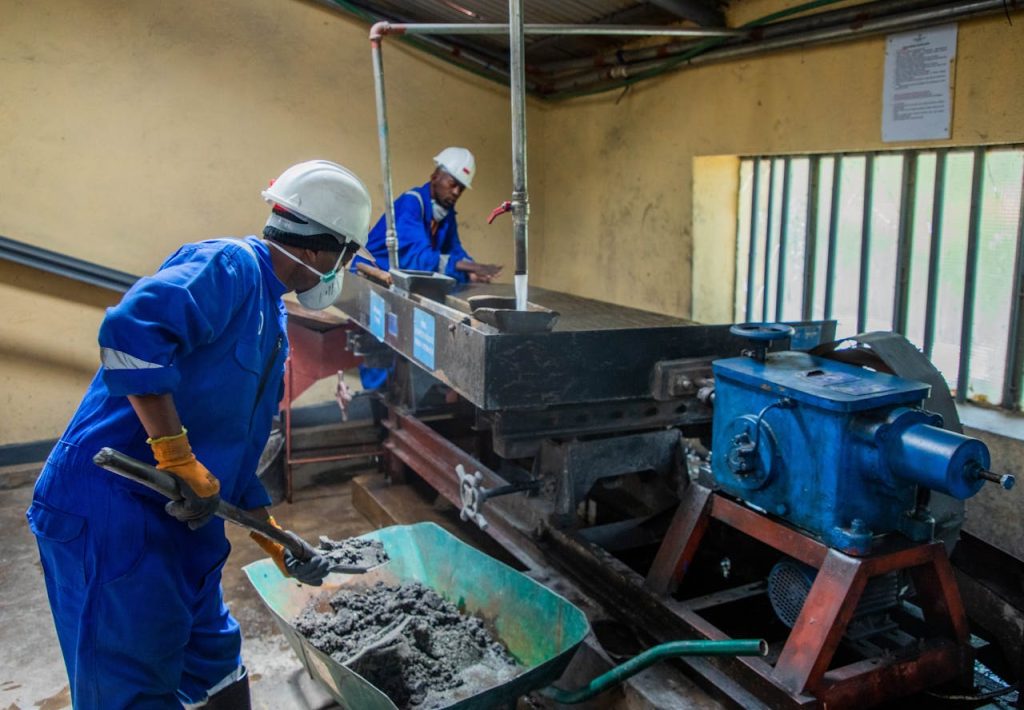
A modern rice mill can separate rice from the husk and process paddy into marketable rice.
Milling efficiency is important because poor processing can result in broken grains, lower quality, and product losses.
Drying and Storage
Proper drying helps control moisture and reduces deterioration during storage.
Commercial operations may require drying equipment, warehouses, moisture-monitoring systems, and inventory management.
Packaging
Packaging can help differentiate products in the domestic market.
An investor can potentially develop branded rice products for supermarkets, wholesalers, restaurants, institutions, and other buyers.
By-Product Utilization
Rice processing produces by-products such as rice husks and bran.
Depending on the available technology and market, these materials can potentially be used in animal feed, biomass energy, agriculture, or other applications.
This can help an integrated processor generate additional value from the same raw material.
Mechanization and Productivity Opportunities
Commercial rice farming can benefit from mechanization at different stages.
Potential areas include:
- Land preparation
- Ploughing
- Planting
- Irrigation
- Fertilizer application
- Harvesting
- Threshing
- Transportation
Mechanization can improve efficiency and reduce dependence on manual labor, particularly on larger farms.
However, equipment investment should be based on actual utilization rates and farm scale. Purchasing machinery without sufficient acreage or utilization can increase operating costs.
A practical approach can involve a combination of owned equipment, agricultural contractors, and shared machinery services.
Building a Reliable Rice Supply Chain
A rice business needs more than productive farmland.
The supply chain should connect farmers, input suppliers, processors, transporters, wholesalers, retailers, and final consumers.
Investors should consider how rice will move from farms to processing facilities and ultimately to customers.
Key components include:
Input Supply
Farmers need reliable access to seeds, fertilizer, crop-protection products, equipment, and technical knowledge.
Collection
Collection centers can consolidate paddy from multiple farms and coordinate transportation.
Processing
Milling and drying facilities should be located strategically relative to production zones and markets.
Distribution
Finished rice needs reliable distribution through wholesalers, retailers, food-service businesses, institutions, and other channels.
The World Bank has emphasized stronger agricultural value chains and market connectivity as important components of Guinea’s agricultural transformation. (World Bank)
Domestic Market or Regional Export?
For many investors, the domestic market may be the logical starting point.
Selling rice within Guinea can reduce some of the complexities associated with international trade while allowing a company to develop production, processing, packaging, and distribution capabilities.
Once the business has consistent supply and quality, regional markets can be evaluated.
The West African market offers opportunities for agricultural trade, but investors should assess each destination separately based on:
- Import requirements
- Tariffs
- Product standards
- Packaging requirements
- Transportation costs
- Border procedures
- Buyer specifications
- Competition
Export should therefore be treated as a second-stage expansion strategy rather than the only business model.
Key Challenges for Rice Investors in Guinea
Rice production can provide opportunities, but investors need to understand the operational challenges.
Water Management
Reliable water availability is essential for irrigated rice production.
Projects should evaluate both water supply and drainage infrastructure.
Infrastructure
Poor roads or insufficient storage can increase transportation costs and post-harvest losses.
Input Costs
Seeds, fertilizer, machinery, fuel, labor, and irrigation infrastructure can significantly affect production economics.
Market Prices
Rice prices can change according to domestic supply, imports, seasonal conditions, transportation costs, and regional market conditions.
Post-Harvest Losses
Harvesting, drying, storage, and milling problems can reduce the quantity and quality of marketable rice.
A commercial project should therefore incorporate realistic assumptions for production, losses, processing efficiency, and operating expenses.
Investment Opportunities Beyond Rice Farming
Investors do not necessarily need to own a large rice farm to participate in the sector.
Several business models can support Guinea’s rice value chain.
Rice Milling Business
Investors can establish commercial milling facilities that purchase paddy from farmers and sell processed rice.
Agricultural Machinery Services
Companies can provide tractors, harvesters, threshers, irrigation equipment, or other machinery to farmers.
Rice Storage and Warehousing
Storage facilities can support farmers, processors, wholesalers, and institutional buyers.
Input Distribution
Agricultural-input businesses can supply seeds, fertilizer, equipment, and crop-management products to rice farmers.
Rice Packaging and Branding
Companies can purchase processed rice and develop branded products for supermarkets, restaurants, hotels, institutions, and wholesalers.
This creates a broader investment ecosystem around rice production rather than limiting opportunities to farmland ownership.
Setting Up a Rice Agribusiness in Guinea
Foreign investors planning a commercial rice project should consider the legal and administrative structure before beginning operations.
Depending on the project, investors may need to address:
- Company registration
- Land rights or leasing
- Investment approvals
- Tax registration
- Environmental requirements
- Agricultural permits
- Employment requirements
- Importation of machinery
- Financing and banking arrangements
Guinea’s Investment Code provides a framework for investment in agricultural activities, while APIP provides information and support for investors entering the Guinean market.
Investors can also review our How to Start a Business in Guinea guide when planning the corporate side of a rice project.
For investors evaluating agricultural land specifically, our Agricultural Land Investment in Guinea resources can provide additional context on land-related investment considerations.
How Yes Invest Guinea Can Support Rice Investors
Developing a commercial rice project requires coordination across agriculture, land, company formation, infrastructure, local partnerships, and market access.
Yes Invest Guinea supports foreign investors exploring business opportunities in Guinea, including market-entry planning, company establishment, administrative coordination, local networking, and investment-related assistance.
For a rice project, investors can begin by defining the desired production scale, target market, preferred region, irrigation requirements, processing strategy, and investment budget.
From there, a structured feasibility assessment can determine whether the proposed farming or processing model is commercially appropriate.
Planning to invest in rice production in Guinea? Contact Yes Invest Guinea to explore your project and identify the right strategy for entering Guinea’s agricultural market.
Frequently Asked Questions
1. Is rice production profitable in Guinea?
Rice production can present commercial opportunities, but profitability depends on factors such as land conditions, yields, irrigation, input costs, labor, mechanization, post-harvest losses, processing efficiency, and market prices. Investors should conduct a project-specific feasibility study rather than rely on general profitability assumptions.
2. Where is rice grown in Guinea?
Rice is cultivated across different regions of Guinea. Production conditions vary by location, so investors should assess soil, rainfall, water availability, irrigation potential, infrastructure, and market access before selecting a site.
3. Can foreigners invest in rice farming in Guinea?
Foreign investors can participate in Guinea’s agricultural sector subject to applicable investment, land, business, environmental, and sector-specific regulations. The appropriate structure depends on the project’s location, scale, and activities.
4. Is rice processing a good investment opportunity in Guinea?
Rice processing can create opportunities in milling, drying, storage, packaging, and distribution. A processing business can purchase paddy from multiple farmers rather than depending entirely on its own agricultural production.
5. What should investors consider before starting a rice farm in Guinea?
Investors should assess land and water conditions, production systems, irrigation, seed selection, mechanization, input costs, infrastructure, market demand, processing capacity, logistics, and regulatory requirements before committing capital.
Build a Commercial Rice Business in Guinea
Rice production in Guinea offers opportunities across farming, processing, logistics, machinery, storage, packaging, and distribution.
For commercial investors, the strongest approach is to look at rice as an integrated value chain rather than simply an agricultural crop. A well-planned project can connect productive farmland with irrigation, mechanization, processing facilities, reliable supply chains, and established domestic or regional markets.
The first step is to understand the economics of the proposed project: where the rice will be grown, how it will be processed, who will buy it, and what infrastructure is required to deliver the product efficiently.
Ready to explore a rice farming or rice-processing investment in Guinea? Contact Yes Invest Guinea and start developing your agricultural investment strategy.
Primary Keyword: Rice Production in Guinea
Additional Keywords:
Rice Farming in Guinea; Rice Investment in Guinea; Commercial Rice Farming in Guinea; Rice Production Investment in Guinea; Rice Agribusiness in Guinea; Rice Processing in Guinea; Rice Milling in Guinea; Rice Market in Guinea; Agricultural Investment in Guinea; Rice Farming Opportunities in Guinea
Article Title:
Guinea Rice Production: Market Opportunities for Commercial Farmers and Investors
Alt Text:
Commercial rice production opportunities in Guinea | Yes Invest Guinea
Meta Description:
Rice Production in Guinea – Explore commercial farming, rice processing, market opportunities, irrigation, and investment options for agricultural investors.
Post Title:
Rice Production in Guinea: Commercial Investment Opportunities