Mango farming in Guinea offers an opportunity to develop a commercial agribusiness that goes beyond supplying local markets. With suitable agricultural conditions, expanding fruit production, and existing international trade in mango-related products, Guinea has the potential to support mango businesses designed around production, post-harvest handling, processing, and export.
For investors, however, building a successful mango business is not simply a matter of planting trees. An export-oriented mango operation requires careful site selection, suitable varieties, reliable farm management, quality control, post-harvest infrastructure, logistics, and access to international buyers.
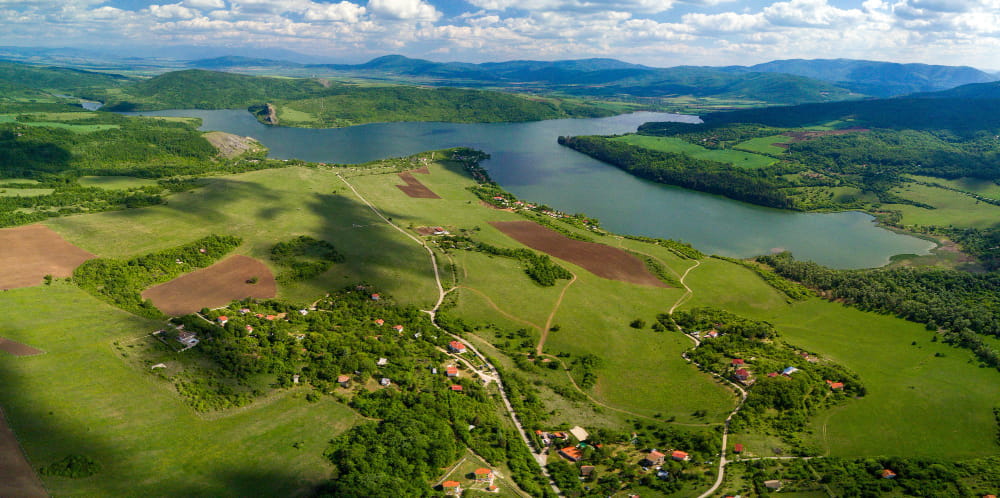
Guinea’s national investment agency, APIP, identifies mango production as one of the agricultural opportunities in Lower Guinea, alongside pineapple, citrus, avocado, and banana. The agency also reports 13.7 million hectares of identified arable land and substantial water resources across the country.
This creates a foundation for investors interested in developing commercial mango farming in Guinea as part of a wider export-oriented agribusiness.
Why Invest in Mango Farming in Guinea?
Guinea’s agricultural characteristics provide several factors that can support fruit production. APIP reports significant rainfall, extensive water resources, and different agricultural conditions across the country’s four natural regions. Lower Guinea is specifically identified as an area where mango production is expanding.
Mango is also an internationally traded tropical fruit. The OECD-FAO Agricultural Outlook notes that tropical fruits have become an increasingly significant category in international food trade, with fresh tropical fruit exports recording strong average growth compared with many other internationally traded food commodities.
For Guinea, the opportunity therefore lies in developing a mango value chain capable of supplying different markets rather than relying exclusively on sales at the farm gate.
A commercial mango project can generate revenue through several channels:
- Fresh mango sales
- Export-quality mangoes
- Mango processing
- Mango pulp and puree
- Dried mango products
- Juice and other value-added products
- Local and regional wholesale markets
This diversification can help an agricultural business manage quality variations and reduce dependence on a single market.
Guinea’s Mango Export Potential
Guinea is not starting from zero when it comes to international mango trade.
World Bank WITS data for 2022 recorded imports by the European Union of approximately 477,287 kg of fresh or dried guavas, mangoes and mangosteens originating from Guinea, with the Netherlands and Belgium among the reported importers. The United Kingdom also recorded imports from Guinea under the same HS product category.
Trade figures vary considerably from year to year. In 2023, WITS recorded the United States as the largest reported importer from Guinea under HS 080450, with approximately 29,144 kg valued at US$149,330. France, the European Union, Ireland, and Liberia were also recorded as import destinations.
These figures should not be interpreted as a guarantee of future export performance. Instead, they demonstrate that Guinea has already participated in international trade for products covered by the mango, mangosteen, and guava category.
For a new investor, the strategic question is therefore how to develop a farm and supply chain that can consistently meet buyer requirements.
Choosing the Right Location for Mango Farming
Location is one of the most important decisions in establishing a mango plantation.
APIP identifies Lower Guinea as particularly relevant for mango production. The region’s agricultural profile includes mangoes together with several other fruit crops.
However, investors should evaluate individual sites rather than selecting land solely based on regional characteristics.
A commercial feasibility study should examine:
Soil Conditions
Mango trees require suitable soil structure, drainage, and fertility. Before establishing an orchard, investors should conduct soil testing to determine pH, nutrient levels, organic matter, drainage characteristics, and other relevant conditions.
Soil analysis can help determine whether land is naturally suitable or requires investment in soil improvement.
Water Availability
Guinea has substantial water resources, but reliable access to water should still be assessed at the project level.
APIP reports 1,165 watercourses and annual rainfall ranging from approximately 1,200 mm in northern and northeastern areas to as much as 6,000 mm in Fouta Djallon.
For a commercial orchard, investors should evaluate rainfall distribution, dry-season water availability, irrigation requirements, drainage, and potential flooding.
Road and Market Access
An orchard can produce high-quality fruit but still face commercial difficulties if mangoes cannot reach buyers quickly.
Site selection should therefore consider road conditions, distance to collection centers, access to major cities, potential routes to ports, availability of electricity, and proximity to processing or cold-storage facilities.
Selecting Mango Varieties for Export
Variety selection should be connected to the intended market.
Different mango varieties can have different characteristics regarding fruit size, appearance, taste, shelf life, harvest period, disease tolerance, and consumer preferences.
An investor should therefore identify the target buyer before establishing a large plantation.
For example, a business targeting fresh export markets may prioritize varieties and production practices that meet specific importer requirements for size, appearance, maturity, shelf life, and residue limits.
The objective should be to create a market-led orchard, rather than planting first and searching for buyers later.
A feasibility study should compare:
- Target export markets
- Buyer preferences
- Suitable varieties
- Harvest seasons
- Expected yields
- Production costs
- Packaging requirements
- Transportation requirements
- Potential processing opportunities
Building an Export-Oriented Mango Value Chain
Export-oriented mango farming requires coordination beyond the farm.
The value chain can include:
Nursery → Orchard → Harvesting → Sorting → Washing → Quality Control → Packing → Storage → Transportation → Export → International Buyer
Each stage affects the final commercial value of the product.
Orchard Management
Commercial production requires consistent farm management, including pruning, irrigation, fertilization, pest management, weed control, monitoring, and harvesting.
Good Agricultural Practices should be incorporated from the beginning because export buyers increasingly require traceability and documented production processes.
Harvesting
Harvest timing is particularly important for mango exports.
Fruit harvested too early may fail to develop appropriate eating quality, while fruit harvested too late may have reduced shelf life during transportation.
Harvesting procedures should therefore be designed around the destination market and expected transportation time.
Post-Harvest Handling
Post-harvest losses can significantly reduce the value of agricultural production.
FAO’s work on tropical fruit value chains emphasizes the importance of improving production, quality, post-harvest management, processing, and market access when developing export-oriented fruit industries.
For a Guinean mango business, investment may therefore be required in:
- Sorting facilities
- Grading equipment
- Appropriate packaging
- Washing and sanitation
- Temperature management
- Storage
- Traceability systems
- Quality-control procedures
Fresh Mango Exports or Mango Processing?
Investors do not necessarily need to rely exclusively on fresh mango exports.
A diversified mango agribusiness can use different grades of fruit for different products.
Premium fruit can be directed toward fresh export markets, while fruit that does not meet export appearance specifications may potentially be directed toward processing, depending on quality and food-safety requirements.
Possible processing activities include:
Mango Pulp and Puree
Mango pulp can supply beverage manufacturers, food processors, and other businesses that use mango ingredients.
Dried Mango
Dried mango can provide a longer shelf-life product and reduce some of the logistical constraints associated with fresh fruit.
Mango Juice
Processing mango into juice or other beverages can create additional value within Guinea rather than exporting only raw agricultural products.
This approach aligns with Guinea’s broader agricultural investment opportunities. APIP specifically identifies agricultural production, agricultural hubs, processing units, and infrastructure for equipment and conservation among the sector’s investment opportunities.
Investors interested in Guinea’s broader agricultural sector can also explore our Agriculture and Agribusiness resources.
Export Markets and Buyer Strategy
A major mistake in agricultural investment is treating export as the final step of the project.
For an export-oriented mango business, the buyer should influence the project from the beginning.
Potential markets may include European, Middle Eastern, regional African, and other international destinations, subject to market-access requirements, logistics, buyer demand, and applicable regulations.
Historical trade data demonstrates that Guinean mango-related exports have reached markets including the European Union, United Kingdom, United States, Belgium, Netherlands, and France.
However, market selection should be based on current commercial requirements rather than historical trade data alone.
Investors should identify:
- Importer specifications
- Required certifications
- Maximum residue requirements
- Packaging standards
- Phytosanitary requirements
- Product traceability
- Import documentation
- Shipping costs
- Transit time
- Seasonal market conditions
The goal is to establish buyer relationships before the orchard reaches full production.
Establishing a Mango Agribusiness in Guinea
Foreign investors planning a commercial mango project should consider the business structure and regulatory framework alongside agricultural planning.
The investment process may involve establishing a local company, securing appropriate land rights, obtaining required approvals, registering for tax, arranging agricultural operations, and addressing environmental and employment requirements.
Guinea’s investment framework provides a basis for foreign investment across economic sectors, while APIP serves as an important institutional resource for investors exploring opportunities in the country.
Investors can also review our guide on How to Start a Business in Guinea when planning the corporate side of an agricultural project.
The exact requirements will depend on the project’s structure, location, scale, activities, and financing arrangements. Professional legal and regulatory due diligence should therefore be completed before land acquisition, leasing, or major capital expenditure.
Key Risks in Mango Farming in Guinea
Mango farming can offer opportunities, but investors should develop a realistic risk assessment before committing capital.
Important risks include:
Climate and Water Risk
Rainfall patterns, drought periods, flooding, and water availability can affect production.
Pest and Disease Risk
Fruit production requires effective monitoring and integrated pest-management practices.
Post-Harvest Losses
Poor harvesting, handling, storage, or transportation can reduce the proportion of fruit suitable for premium markets.
Market Risk
International mango prices can fluctuate, and export markets may impose changing requirements.
Logistics Risk
Road conditions, transportation availability, port logistics, and shipping schedules can affect delivery times and costs.
Land and Community Considerations
Investors should conduct appropriate land due diligence and understand existing land-use arrangements and community interests before developing an agricultural project.
A detailed feasibility study should incorporate these risks into production assumptions and financial projections.
Why an Integrated Mango Business Model Matters
The strongest opportunity may not be the plantation alone.
An integrated model can connect:
Land + Mango Production + Collection + Processing + Packaging + Logistics + Export
This structure can create multiple revenue channels and reduce dependence on selling unprocessed fruit.
It can also create opportunities for local employment, supplier development, agricultural services, and partnerships with farmers.
Guinea’s broader agricultural development strategy increasingly emphasizes value addition, infrastructure, and stronger agricultural value chains. APIP identifies the creation of agricultural hubs and processing units as investment opportunities within the sector.
For investors, this means mango farming can be considered as part of a wider agribusiness project rather than an isolated farming activity.
How Yes Invest Guinea Can Support Your Mango Project
Developing an export-oriented mango business in Guinea requires coordination between agriculture, investment, company formation, land, logistics, and local business networks.
Yes Invest Guinea can assist foreign investors exploring investment opportunities in Guinea by providing support related to market entry, company establishment, local business coordination, investment procedures, and connections with relevant stakeholders.
For a mango project, investors can begin by defining the target market, preferred production scale, land requirements, investment budget, processing strategy, and export objectives.
Ready to explore mango farming in Guinea? Contact Yes Invest Guinea to discuss your investment plan and develop a practical market-entry strategy for an export-oriented agricultural business.
Frequently Asked Questions
1. Is mango farming suitable for commercial investment in Guinea?
Mango production is identified by APIP as an agricultural opportunity in Lower Guinea. The country’s agricultural land, water resources, and regional climate diversity can support commercial agricultural projects, although individual sites require detailed feasibility assessment.
2. Can mangoes from Guinea be exported internationally?
Yes. World Bank WITS trade data records international imports of products classified under HS 080450 from Guinea, which includes fresh or dried guavas, mangoes, and mangosteens. Reported destinations have included the European Union, United Kingdom, United States, Belgium, Netherlands, and France in different years.
3. Which part of Guinea is suitable for mango farming?
APIP specifically identifies Lower Guinea as an area where mango production is expanding. However, investors should assess soil, water, climate, road access, infrastructure, and proximity to markets before selecting a specific site.
4. Should investors export fresh mangoes or process them?
Both models can be considered. Fresh mangoes may target premium markets, while processing can provide additional uses for suitable fruit and create value-added products such as pulp, puree, juice, or dried mango. The appropriate model depends on market demand, investment scale, infrastructure, and buyer requirements.
5. What should investors consider before starting a mango farm in Guinea?
Investors should assess land rights, soil and water conditions, suitable varieties, production costs, infrastructure, market access, export regulations, post-harvest requirements, potential buyers, and environmental and community considerations before committing to a commercial mango project.
Start Building an Export-Oriented Mango Business in Guinea
Mango farming in Guinea can be developed as more than a conventional agricultural operation. By connecting commercial orchard development with post-harvest management, processing, packaging, logistics, and international market access, investors can build an integrated agribusiness designed around value creation.
The key is to begin with the market and work backward toward the farm: identify buyers, understand quality requirements, select suitable land and varieties, build the necessary infrastructure, and establish a reliable supply chain.
For foreign investors considering mango production, processing, or export in Guinea, professional market-entry and regulatory planning can help turn an agricultural concept into a structured investment project.
Contact Yes Invest Guinea to explore your mango farming and export investment plans in Guinea.