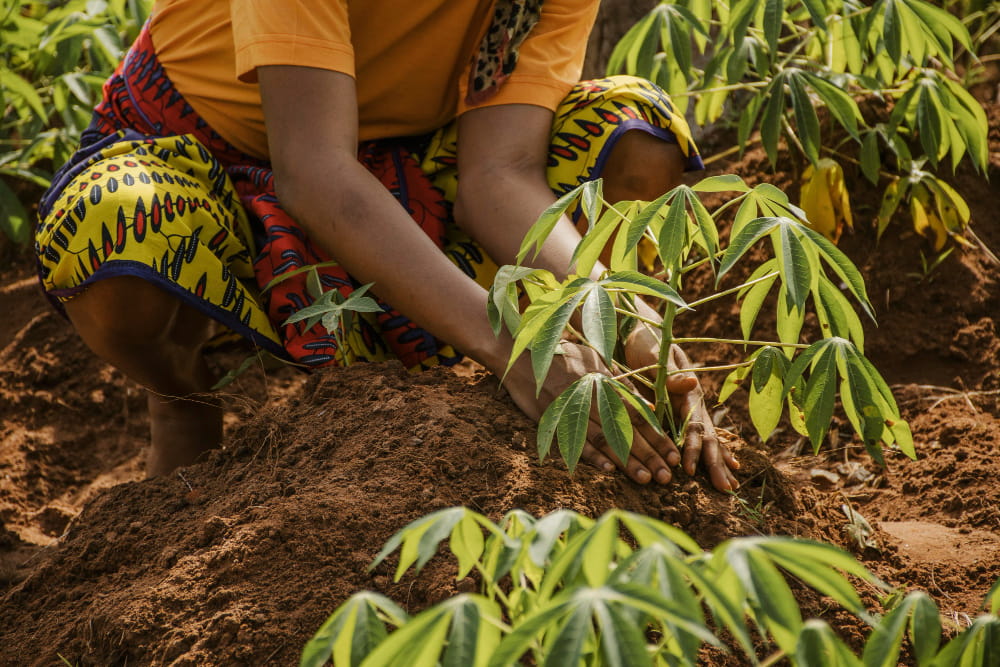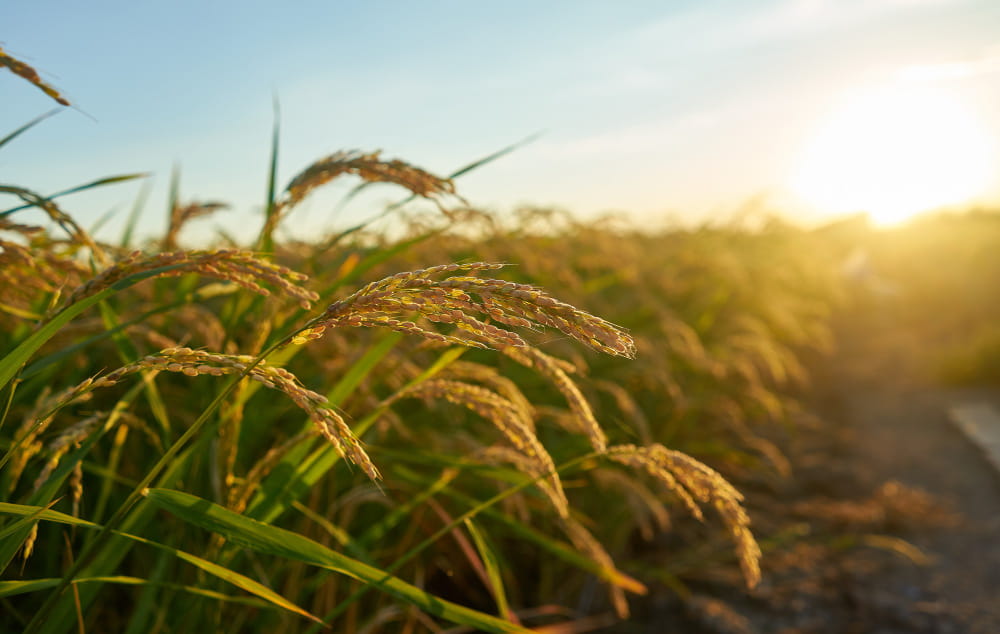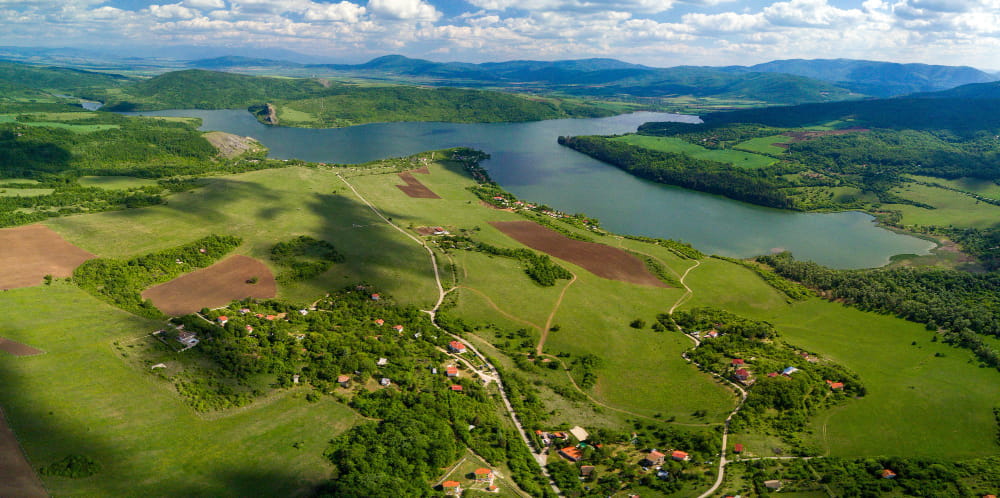
The global food system is undergoing a fundamental transformation. As consumers in Europe, North America, and Asia become increasingly health-conscious and environmentally aware, the demand for certified organic products has reached an all-time high. In this context, the Republic of Guinea is emerging as a premier destination for sustainable agribisnis. Organic Farming Guinea is no longer a niche concept; it is a strategic investment frontier that leverages the country’s vast untapped fertile land, abundant water resources, and favorable climate.
For international investors, Guinea offers a unique “blank canvas” for sustainable agriculture. Unlike regions where soil has been depleted by decades of chemical intensive farming, much of Guinea’s arable land remains pristine. This article explores the rising trends in organic farming, the strategic advantages of the Guinean landscape, and why 2026 is the pivotal year for sustainable capital to enter this market.
The Global Shift Toward Organic and Sustainable Agriculture
The global organic food market is projected to continue its double-digit growth throughout the decade. According to the Food and Agriculture Organization (FAO), sustainable land management is critical for future food security. Guinea is perfectly positioned to meet this demand due to its natural endowments.
1. High-Value Organic Export Commodities
Guinea’s climate allows for the production of several high-demand organic commodities, including:
- Organic Cashews: With the global snack market pivoting toward “clean label” products, Guinea’s organic cashews are highly sought after.
- Tropical Fruits: Organic pineapples, mangoes, and papayas from Guinea have a distinct flavor profile that commands a premium in European supermarkets.
- Specialty Coffee and Cocoa: The highlands of Guinea Forestière provide the ideal microclimate for organic Arabica coffee and fine-flavor cocoa.
2. The Clean Soil Advantage
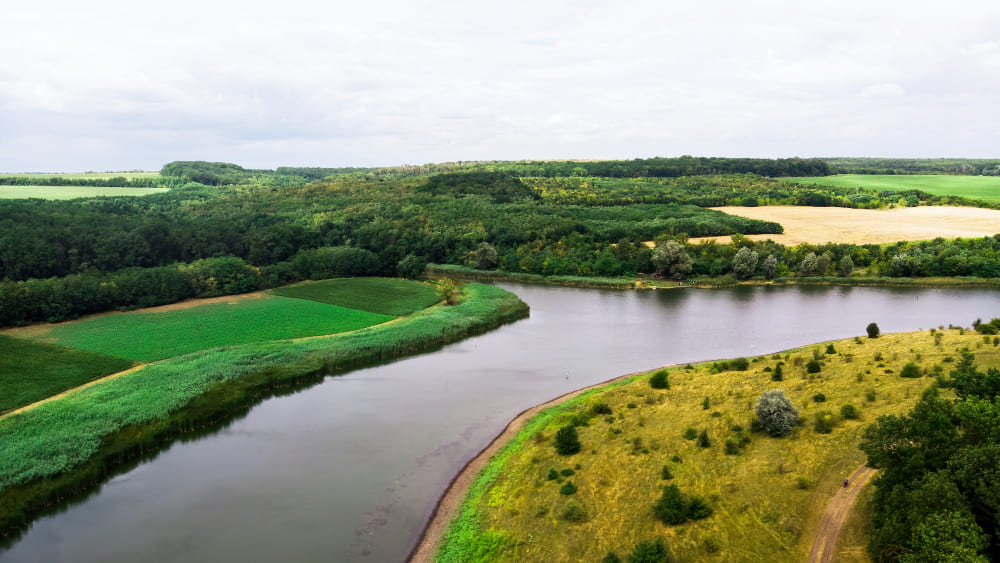
One of the greatest barriers to organic certification in developed nations is the “conversion period” required to purge chemicals from the soil. In Guinea, vast tracts of land have never seen synthetic fertilizers or pesticides. This allows investors to achieve organic certification significantly faster, reducing the time-to-market and accelerating ROI.
Why Invest in Organic Farming in Guinea Now?
Investing in Organic Farming Guinea in 2026 provides a strategic advantage driven by global supply chain shifts and local regulatory support.
Abundant Water Resources: The “Water Tower” of West Africa
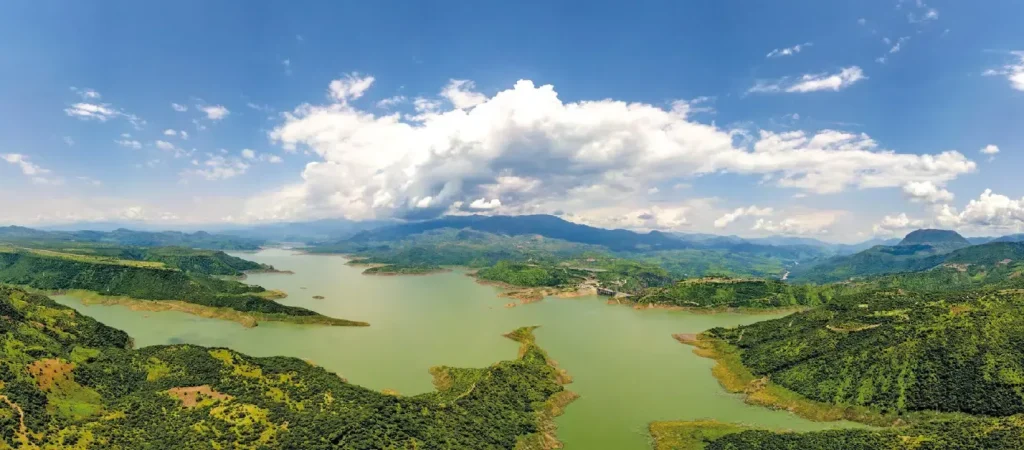
Guinea’s nickname as the “Water Tower of Africa” is its greatest agricultural asset. With high annual rainfall and a dense network of rivers, organic farms can implement sustainable irrigation systems that ensure year-round production. This stability is a key differentiator compared to more arid neighboring countries.
Government Incentives for Green Agribusiness
The Guinean government has prioritized “Green Growth” in its latest economic development plan. Investors in sustainable agriculture can benefit from:
- Customs Exemptions: Zero duties on imported eco-friendly farming machinery and solar-powered irrigation kits.
- Land Access Facilitation: Streamlined processes for securing long-term agricultural leases for large-scale organic projects.
- Export Support: Incentives for companies that establish localized processing units to increase value addition before export.
Key Organic Farming Trends Shaping the Guinean Market
To maximize profitability, investors are adopting modern, data-driven sustainable practices.
1. Regenerative Agroforestry
The integration of trees and shrubs into crop and livestock systems is a growing trend in Guinea. This not only protects biodiversity but also enhances soil carbon sequestration. Regenerative projects are increasingly eligible for “Carbon Credits,” providing an additional revenue stream alongside crop sales.
2. Digital Traceability and Blockchain
Transparency is the currency of the organic market. Modern investors are implementing blockchain-based traceability systems that allow consumers in London or Paris to scan a QR code and see the entire journey of their Guinean organic pineapple from the farm to the shelf. This level of transparency justifies premium pricing.
3. Solar-Powered Cold Chains
One of the traditional challenges in African agriculture is post-harvest loss. In 2026, the trend is moving toward decentralized, solar-powered cold storage units located directly on organic farms. This ensures that delicate organic produce remains fresh during transit to international ports.
Managing Risks in the Guinean Agribusiness Sector
While the potential is vast, success requires a nuanced understanding of the local landscape.
- Certification Logistics: Partnering with international bodies like Ecocert or USDA Organic is essential. Yes! Invest Guinea assists in coordinating these audits.
- Infrastructural Integration: Aligning farm locations with the new transport corridors (rail and road) is critical for maintaining the “organic integrity” and freshness of the products.
- Community Engagement: Sustainable farming is inherently social. Successful projects involve local smallholders through “Outgrower Schemes,” ensuring mutual prosperity and long-term land security.
FAQ: Organic Farming Guinea
- Is it easy to get organic certification for Guinean land?
Yes, because much of the land has not been subjected to intensive chemical farming. However, investors must still follow formal transition protocols and rigorous documentation required by international certifiers.
- What are the most profitable crops for organic investment in Guinea?
Currently, cashews, mangoes, pineapples, and specialty coffee offer the highest export margins, especially when processed locally.
- Does the government provide land for organic farming?
The government facilitates long-term agricultural leases. We recommend working with Yes! Invest Guinea to ensure all land titles and community agreements are legally sound and OHADA-compliant.
- How is the water availability for year-round organic farming?
Guinea has some of the highest rainfall in West Africa and numerous river systems, making it ideal for solar-powered irrigation that supports multi-season organic harvesting.
- How can Yes! Invest Guinea help international agribusiness investors?
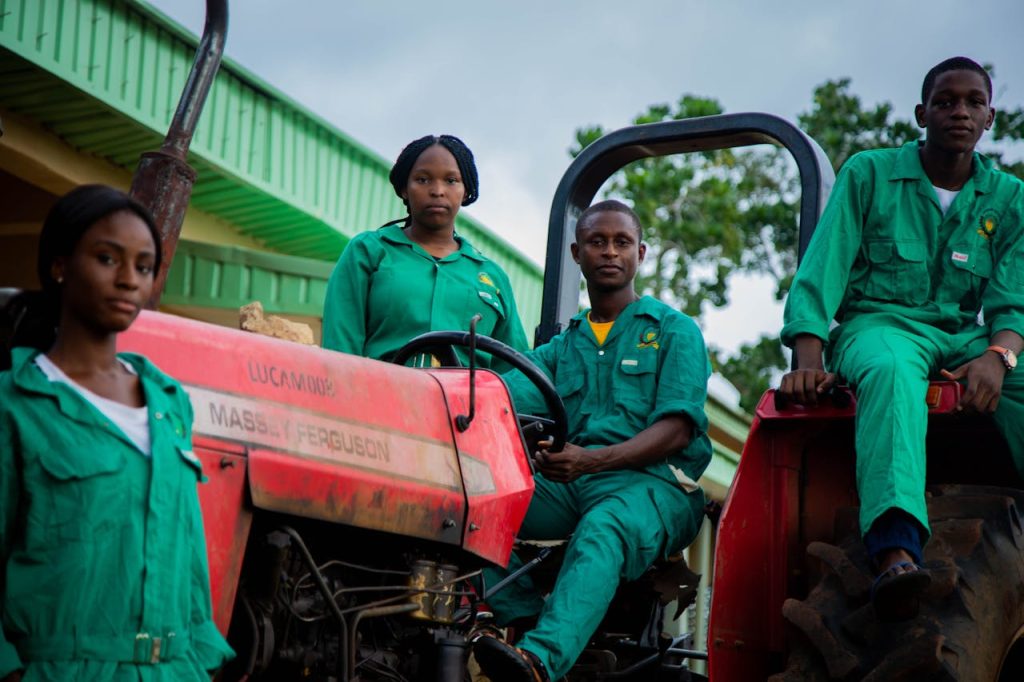
We provide site selection, regulatory liaison, institutional support, and connection to vetted local agricultural technicians to ensure your project meets both local and international standards.
Conclusion: Seizing the Sustainable Frontier
The intersection of fertile, chemical-free land and a surging global demand for healthy food has created a “Golden Opportunity” in West Africa. Organic Farming Trends: Sustainable Agriculture Investments in Guinea represent more than just a trend; they are the future of resilient and profitable agribusiness.
By investing in Guinea’s organic sector today, you are securing a foothold in a market that values both profit and planet. The resources are ready, the climate is favorable, and the regulatory doors are open. The question is: will you be the pioneer of Guinea’s green revolution?
Grow Your Future with Yes! Invest Guinea
At Yes! Invest Guinea, we specialize in bridging the gap between global sustainable capital and Guinean agricultural potential. Our team provides the institutional access and market intelligence you need to cultivate success in the organic sector.
Contact Yes! Invest Guinea today to receive our 2026 Sustainable Agribusiness Investment Briefing.