The global appetite for avocados has transformed the “alligator pear” from a niche health food into a multi-billion dollar commodity. In 2026, as traditional producing regions in the Americas face climate-related water scarcities, the international market is searching for new, sustainable origins. Enter the Republic of Guinea. With its abundant rainfall, diverse microclimates, and fertile volcanic soils, Avocado Farming in Guinea is no longer a subsistence activity it is a high-yield export frontier. For the modern agribusiness investor, Guinea represents the perfect “Green Gold” opportunity to supply the soaring demand of the European and Middle Eastern markets.
By leveraging the country’s natural “Water Tower” status and its strategic proximity to the Atlantic shipping lanes, investors can establish large-scale, organic-certified avocado estates that offer superior ROI. This article explores the biological advantages of Guinea’s landscape, the global trade dynamics favoring West African produce, and the roadmap to building a successful export-grade Avocado Farming venture in 2026.
The Natural Competitive Advantage: Guinea’s Terroir
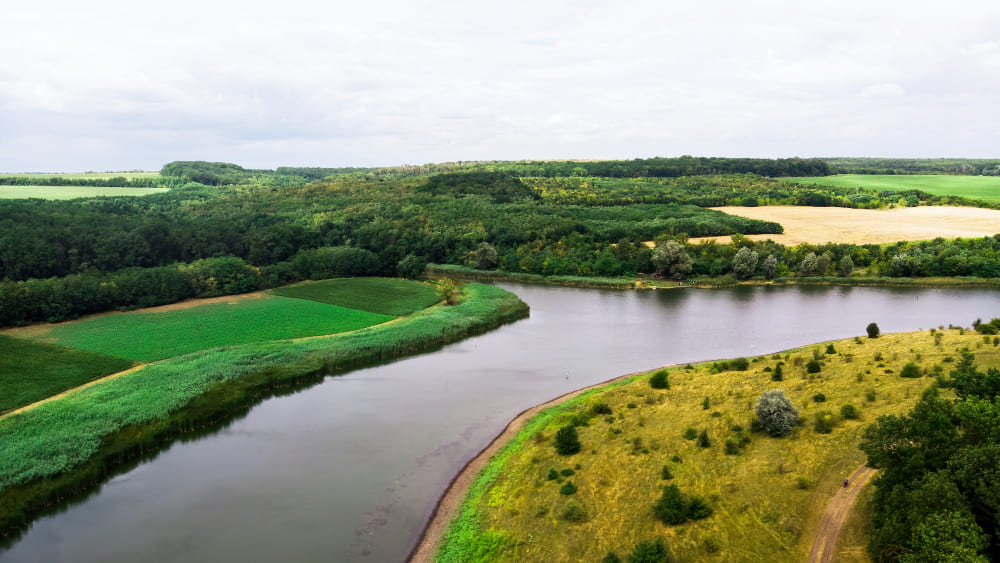
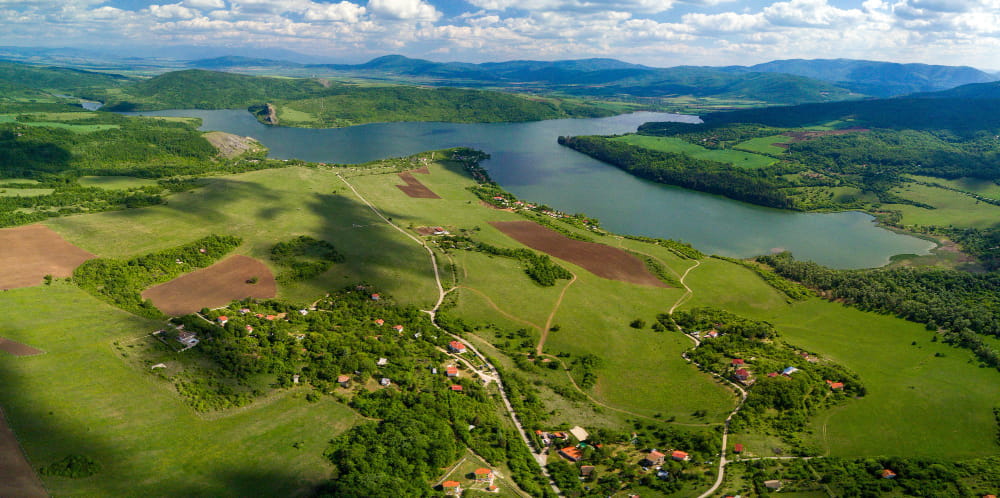
The success of avocado cultivation depends on three non-negotiable factors: well-drained soil, consistent water supply, and the absence of frost. Guinea possesses these in abundance, particularly in the mid-to-high altitude regions.
1. Ideal Climatic Zones: Fouta Djallon and the Forest Region
Avocados, particularly the high-value Hass and Fuerte varieties, thrive in temperatures between 20°C and 30°C.
- The Fouta Djallon Highlands: The elevation provides the cool nights required for certain varieties to achieve high oil content and the creamy texture prized by global consumers.
- The Forest Region (Guinée Forestière): This area offers high humidity and rich organic matter, ideal for rapid tree growth and high fruit set. According to the Food and Agriculture Organization (FAO), West Africa’s tropical belt is increasingly recognized for its untapped horticultural potential.
2. Abundant Water Resources
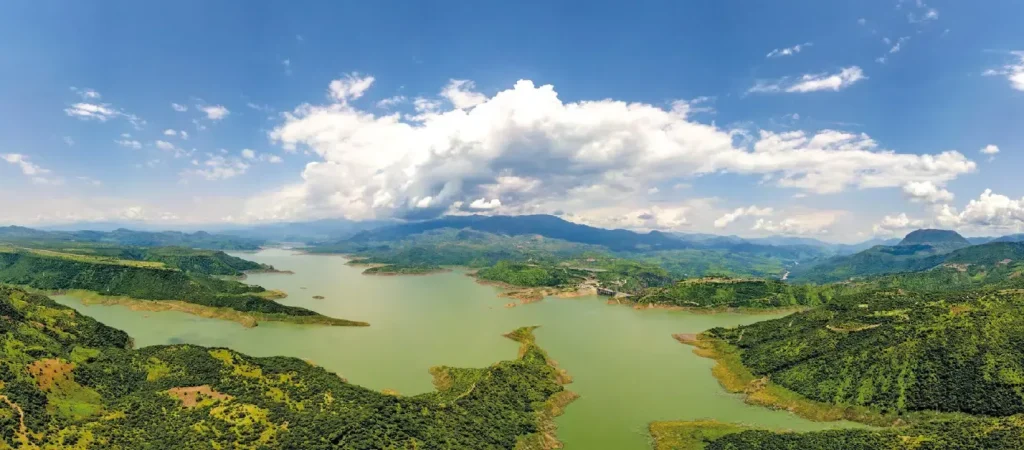
While other global producers are struggling with expensive desalination or groundwater depletion, Guinea’s high annual rainfall reduces the reliance on costly irrigation infrastructure. This natural hydration not only lowers the Large-scale Plantation operational costs but also aligns with global “Water-Wise” sustainability standards.
Strategic Opportunities in the Avocado Value Chain 2026
Investing in Avocado Farming in Guinea is a vertical play. The real value is captured by those who manage the journey from the nursery to the international supermarket shelf.
1. Modern Nursery Operations and Grafting
The backbone of a successful estate is high-quality planting material. There is a massive opportunity for investors to establish certified nurseries that produce grafted Hass and Pinkerton seedlings. Providing these to local outgrower schemes ensures a consistent, high-quality supply for your central packing house.
2. Cold Chain Logistics and Packing Houses
Avocados are highly perishable. The critical infrastructure gap in Guinea today is “Post-Harvest Management.”
- The Opportunity: Building solar-powered pre-cooling facilities and automated grading lines. These facilities ensure that fruit harvested in the morning is cooled and packed by evening, ready for the short 6-to-8 day maritime journey to Europe.
3. Avocado Oil and Processing
Not every fruit meets the aesthetic standards for fresh export. “Seconds” or over-ripe avocados are perfect for the cosmetics and health food industry.
- The Opportunity: Setting up a cold-press extraction plant to produce Organic Avocado Oil. This byproduct adds a secondary revenue stream and ensures “Zero Waste” in the production cycle.
Why Invest in Guinea’s Avocado Sector Now?
The 2026 economic environment in Guinea is specifically tailored to encourage high-value agricultural exports through the Agro-Processing incentives.
1. Proximity to Premium Markets
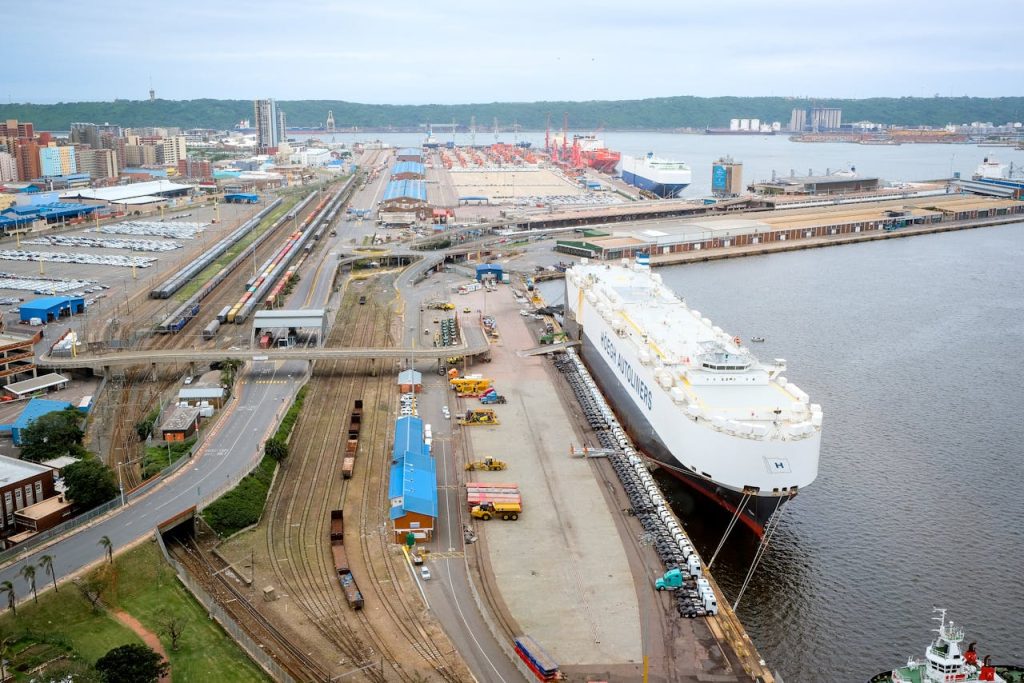
Guinea’s geographic location on the West African coast is a logistical goldmine. Shipping avocados from Conakry to the Port of Rotterdam or Algeciras takes significantly less time than shipping from South Africa or Mexico. This shorter transit time translates to fresher fruit on arrival and a lower carbon footprint.
2. The AfCFTA and European Trade Agreements
As a member of the African Continental Free Trade Area (AfCFTA), Guinea-grown avocados can reach the growing middle-class markets of Morocco and Egypt duty-free. Furthermore, under the “Everything But Arms” (EBA) agreement, Guinean agricultural exports enjoy zero-tariff access to the European Union, providing a massive pricing advantage over non-African competitors.
3. Strategic Investment Incentives
Under the 2026 Investment Code, Avocado Farming and associated processing ventures are classified as “Strategic Agricultural Projects.” Benefits include:
- Tax Holidays: Up to 8 years of exemption from corporate income tax for export-oriented agribusinesses.
- Customs Exemptions: 100% waiver on duties for imported farm machinery, irrigation kits, and specialized refrigerated trucks.
- Streamlined Land Leasing: Assistance from the Ministry of Agriculture in securing long-term agricultural leases (Bail Emphytéotique) for large-scale developments.
Roadmap for Successful Avocado Exporting
- Variety Selection: Focus on the Hass variety for the European market and Fuerte or Pinkerton for the Middle Eastern market.
- Certification and Traceability: In 2026, GlobalG.A.P. Certification is the minimum entry requirement for international retail. Yes! Invest Guinea assists investors in aligning their operations with these standards from day one.
- Outgrower Integration: Combine your core estate with a network of local smallholder farmers. This “Hub and Spoke” model scales your volume quickly and satisfies Local Content requirements.
- Digital Monitoring: Implement drone-based crop monitoring and soil sensors to optimize water and nutrient application, ensuring “Precision Agribusiness” results.
FAQ: Avocado Farming Guinea
- How long does it take for an avocado tree to start producing in Guinea?
Grafted trees (Hass/Fuerte) typically start bearing fruit in their 3rd year, with commercial volumes reached by years 5 to 7.
- What are the main challenges for avocado farming in Guinea?
The primary challenges are maintaining a consistent cold chain and achieving international phytosanitary certifications. However, modern solar-powered cooling technology has significantly mitigated these risks in 2026.
- Is there a local market for avocados in Guinea?
Yes, but the local market prefers larger, green-skinned varieties. The high-value Hass variety is almost exclusively targeted for the export market where prices are significantly higher.
- Can I get organic certification for my farm in Guinea?
Absolutely. Because many Guinean lands have not been treated with heavy chemicals, achieving organic certification (USDA Organic or EU Organic) is often faster and cheaper than in more industrialized agricultural nations.
- How can Yes! Invest Guinea help my agribusiness?
Yes! Invest Guinea provides end-to-end support: from soil suitability analysis and land acquisition to securing export licenses and connecting you with European off-take partners.
Conclusion: Seizing the Green Gold Opportunity
The global avocado market shows no signs of slowing down, and the Republic of Guinea is the missing piece in the global supply puzzle. Avocado Farming: Emerging Export Crop in Guinea offers a rare combination of natural biological suitability and a highly supportive investment climate. In 2026, the transition from subsistence to commercial horticulture is the most powerful engine for Guinean economic growth.
For the investor who values sustainability, high margins, and strategic location, the soil of Guinea is ready to yield. The “Green Gold” is there for the taking all that is required is the vision to plant the first seed.
Plant Your Future with Yes! Invest Guinea
At Yes! Invest Guinea, we turn agricultural potential into export reality. From the field to the world’s table, our team is your strategic partner in the agribusiness revolution.
Contact Yes! Invest Guinea today to receive our 2026 Avocado & Horticultural Investment Prospectus.