The Republic of Guinea is rapidly transitioning from a mineral-dependent economy to a diversified industrial powerhouse, with the agricultural sector leading the charge. Often referred to as the “Water Tower of West Africa,” Guinea possesses an extraordinary natural endowment that makes Agriculture Investment in Guinea one of the most lucrative and stable opportunities in the region today. With over 6 million hectares of fertile, arable land and a climate that supports year-round production, the nation is perfectly positioned to become a global breadbasket.
At Yes! Invest Guinea, we are seeing a shift where global capital is moving toward sustainable food systems. The 2026 investment landscape in Guinea is no longer about subsistence; it is about high-tech industrialization, integrated supply chains, and value-added processing.
1. Why Guinea is the Next Frontier for Agribusiness
The fundamental drivers for agricultural success land, water, and labor—are present in Guinea in quantities that few other nations can match.
Unrivaled Water Resources and Soil Fertility
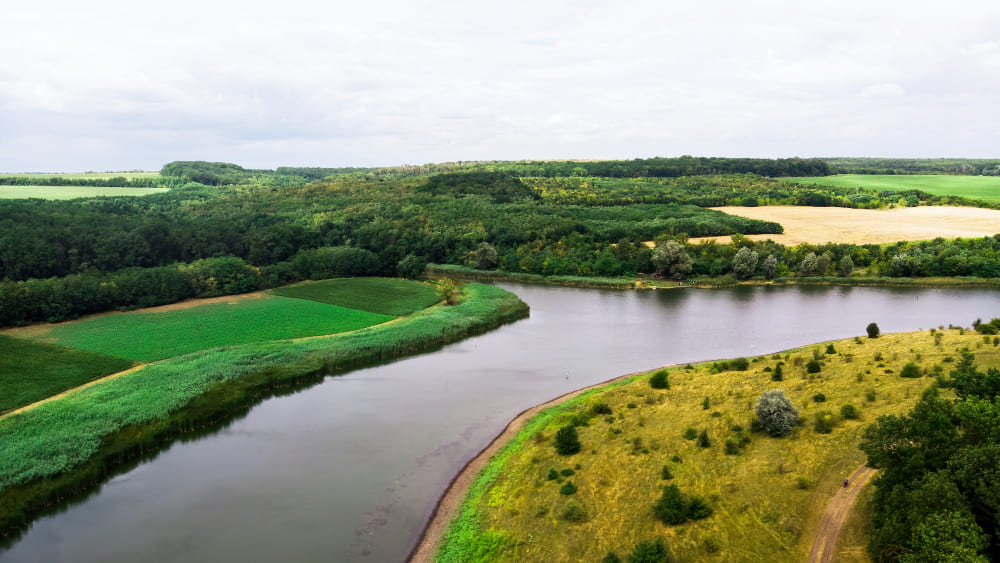
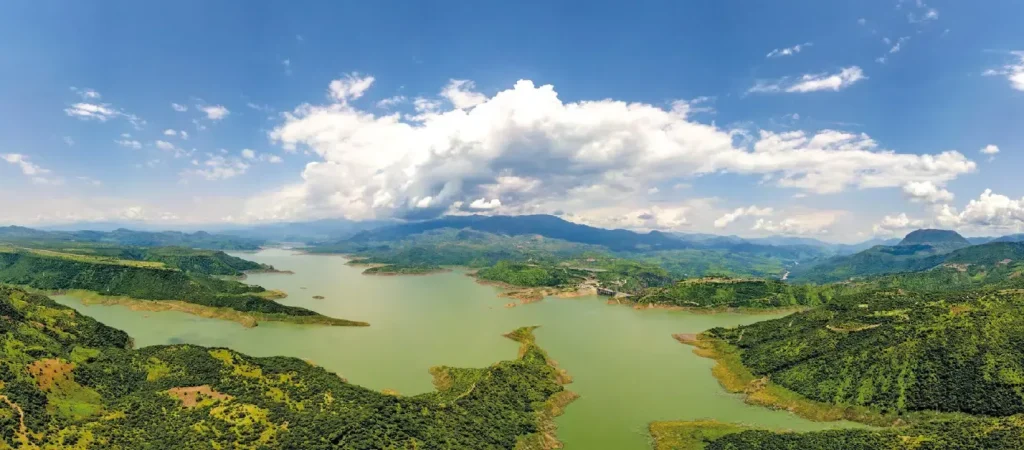
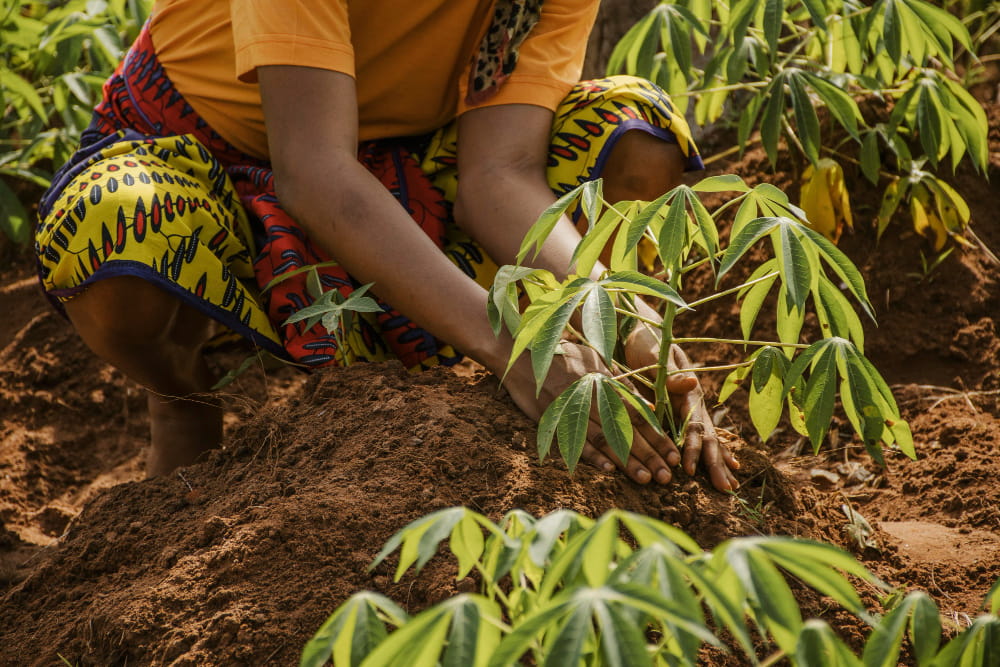
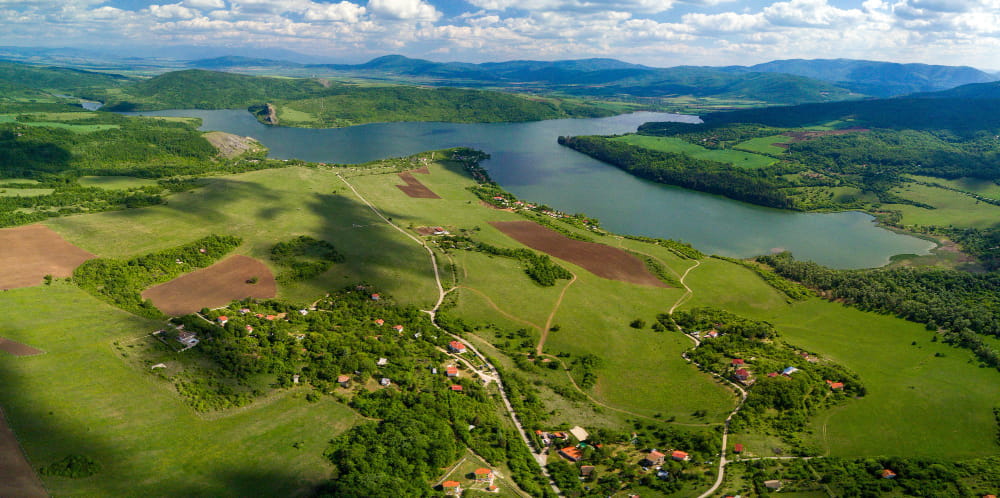
Guinea is the source of several major West African rivers, including the Niger, Senegal, and Gambia. This abundance of water provides a natural hedge against the droughts affecting other parts of the continent. The diverse micro-climates, from the humid coastal plains to the temperate Fouta Djallon highlands, allow for the cultivation of a vast range of crops, including rice, tropical fruits, coffee, and specialized Floriculture Exports.
Strategic Access to Global Markets
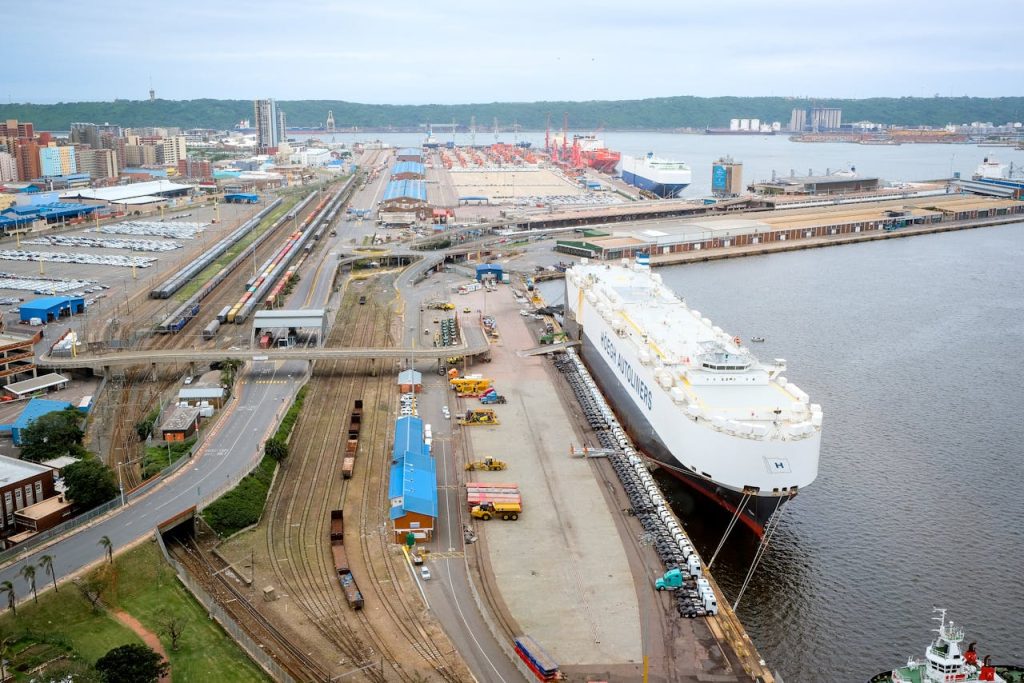
Guinea’s geographic position on the Atlantic coast, supported by modernized ports in Conakry and Kamsar, provides a direct maritime gateway to Europe, the Americas, and the growing African continental market via the AfCFTA. For an investor, this means significantly lower logistics costs for exporting high-value agricultural products.
2. Key Sub-Sectors with High ROI Potential
While the opportunities are broad, certain sub-sectors are currently offering accelerated returns due to government incentives and rising global demand.
A. Agro-Processing and Value Addition
The era of exporting raw commodities is coming to an end. The Guinean government now prioritizes “Hilirisasi” or downstream processing.
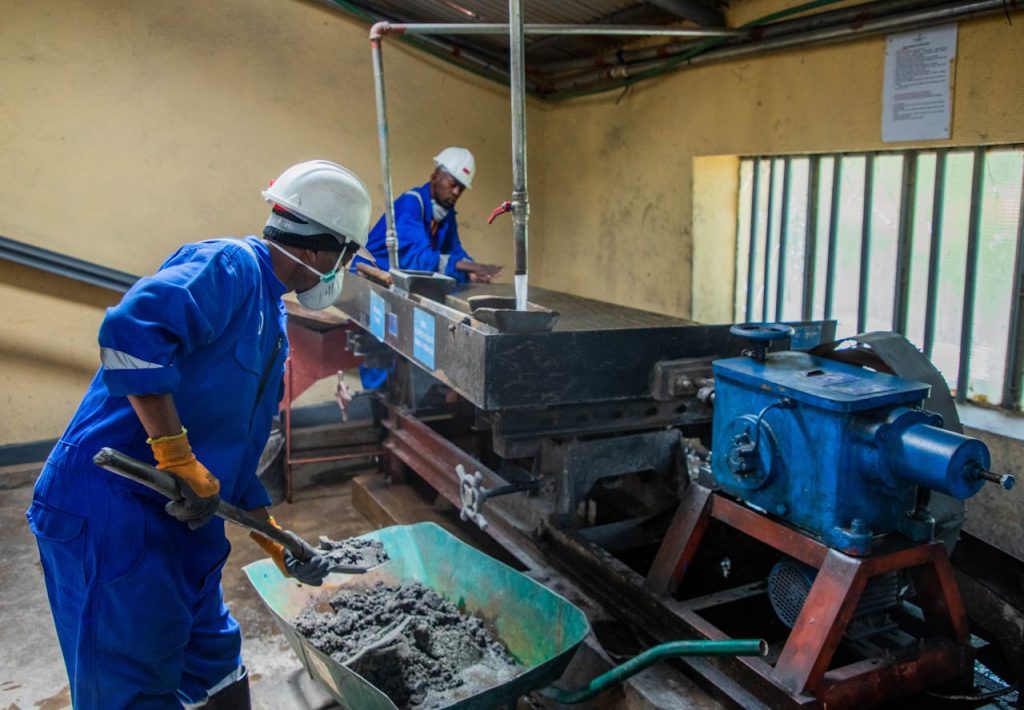
- Nut Processing: Establishing Nut Processing Units for cashews and groundnuts is a top priority.
- Fruit Industrialization: Guinea’s pineapples, mangoes, and citrus fruits are world-class. Investors focusing on canning, juice production, and dried fruit exports can benefit from specialized industrial zones.
B. Food Security Crops (Rice and Maize)
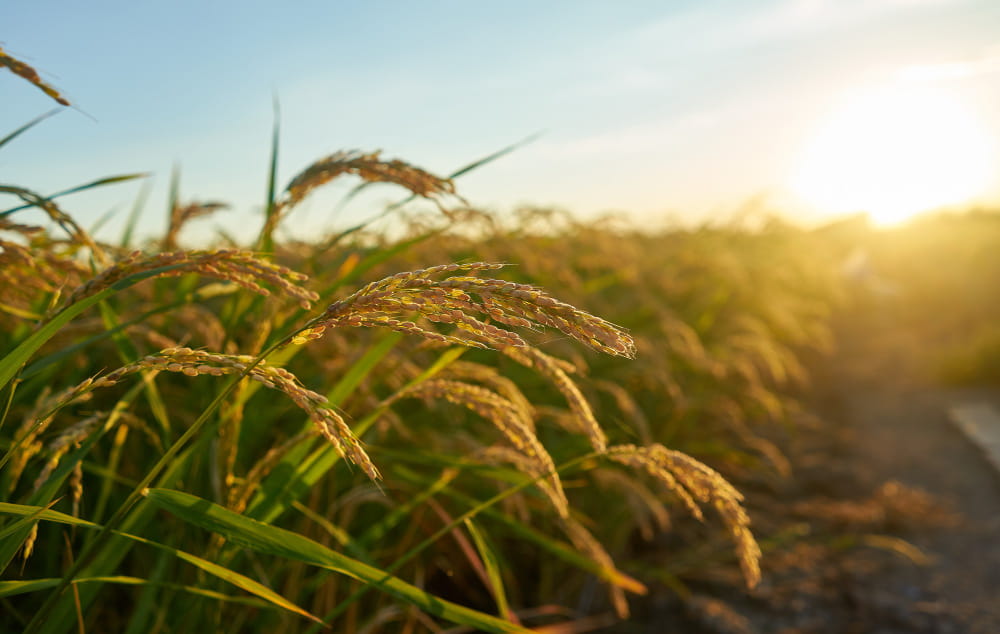
Guinea aims for total food sovereignty. Currently, the nation imports a significant portion of its rice. Large-scale, mechanized rice production in the river basins offers a guaranteed domestic market and high margins.
C. Livestock and Fisheries Modernization
With vast pasture lands, Guinea is primed for commercial cattle and poultry ranching. Simultaneously, the Fishing and Aquaculture sub-sector is seeking investors to build modern cold-storage facilities and industrial processing plants to serve the regional protein demand.
3. The 2026 Regulatory Environment: Incentives for Investors
Investing in Guinea is supported by a robust legal framework and aggressive fiscal incentives designed to minimize risk and maximize early-stage growth.
The OHADA Advantage
Guinea operates under the OHADA (Organization for the Harmonization of Business Law in Africa) legal system. This provides international investors with a transparent, standardized, and predictable legal environment for contracts and dispute resolution.
Fiscal Holidays and Customs Exemptions
Under the updated 2026 Investment Code, agricultural projects often qualify for:
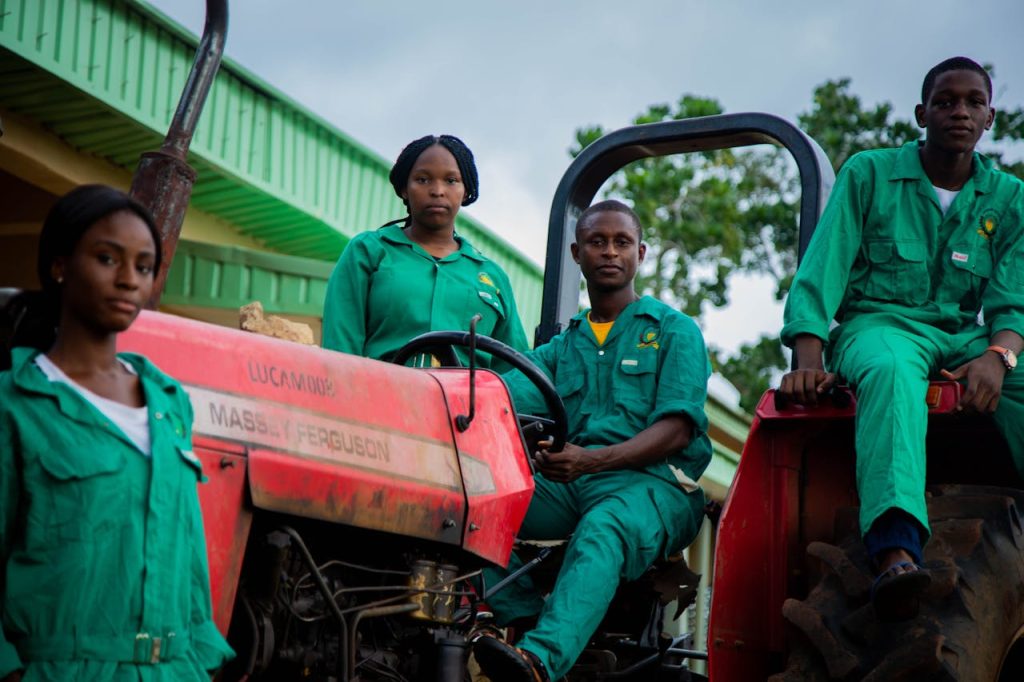
- 0% Customs Duties on imported tractors, irrigation systems, and processing machinery.
- Corporate Tax Exemptions for up to 8–10 years for projects located in rural development corridors.
- Repatriation of Profits: Guaranteed rights to transfer dividends and capital in foreign currency.
4. Integrating Technology: Smart Farming in Guinea
The expansion of Guinea’s 12,000 km fiber-optic backbone has opened the door for Innovative Tech in the fields.
IoT and Precision Agriculture
Investors are now deploying IoT Guinea solutions to monitor soil moisture and crop health in real-time. This tech-driven approach reduces waste and maximizes yields, making Guinean farms competitive on a global scale.
Sustainable Energy Solutions
To power irrigation and processing plants in remote areas, the use of Microgrid Systems has become a game-changer. By combining solar power with smart storage, agribusinesses can operate 24/7 without relying on the national grid.
5. Frequently Asked Questions (FAQ)
- Is it easy for a foreign company to acquire agricultural land in Guinea?
The government facilitates land concessions and long-term commercial leases (Emphyteutic leases) for serious investors. The process is managed through APIP and the Ministry of Agriculture to ensure legal security.
- What are the main export crops currently trending?
Cashews, pineapples, and coffee are the top performers. However, there is growing interest in specialized sectors like organic honey (beekeeping) and flowers.
- Does the government provide infrastructure for remote farms?
Through the “Simandou Corridor” and regional development projects, the government is building roads and improving rural electricity. Many investors also utilize public-private partnerships to enhance local logistics.
- What is the role of Yes! Invest Guinea in my project?
We provide “Institutional Concierge” services, including land acquisition assistance, Legal and Regulatory Compliance, and connecting you with local cooperatives and labor.
- How are environmental standards managed?
Guinea follows strict ESG protocols. All large-scale projects require an Environmental and Social Impact Assessment (ESIA) to ensure long-term sustainability and community support.
Conclusion: Planting the Seeds of Future Wealth
The Agriculture Investment Potential in Guinea is no longer a secret; it is a strategic priority for global food security. With the right combination of fertile land, modernized laws, and technological adoption, Guinea is set to redefine the agribusiness landscape of West Africa.
For the visionary investor, the time to secure a stake in this green revolution is now. At Yes! Invest Guinea, we have the local expertise and institutional connections to ensure your investment grows deep roots and delivers exceptional yields.
Contact our Agribusiness Desk today to explore available land concessions and processing incentives.