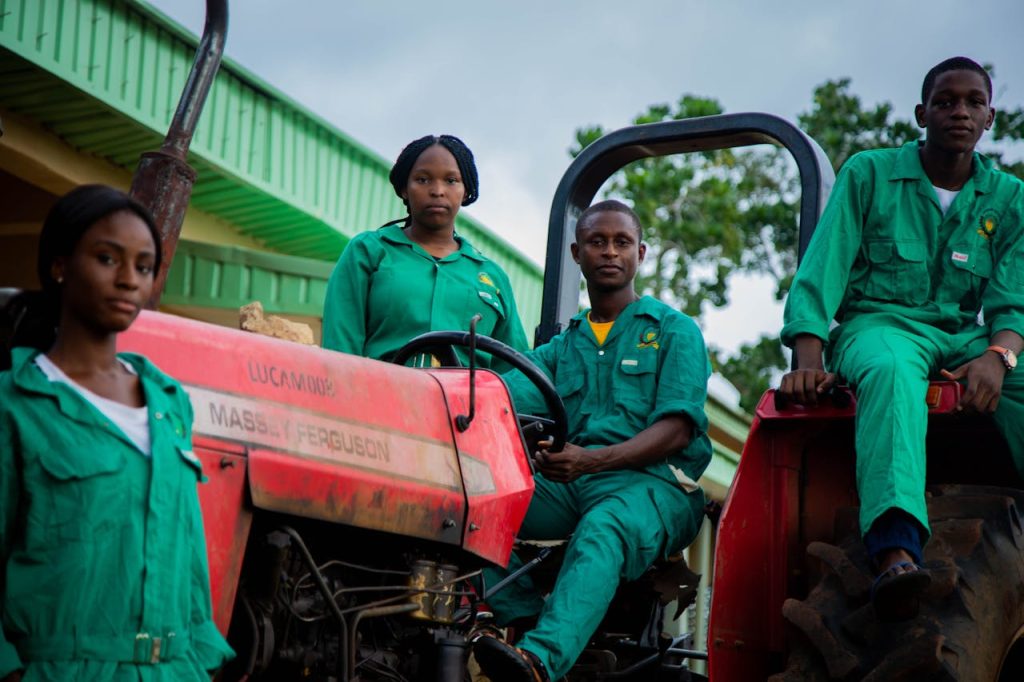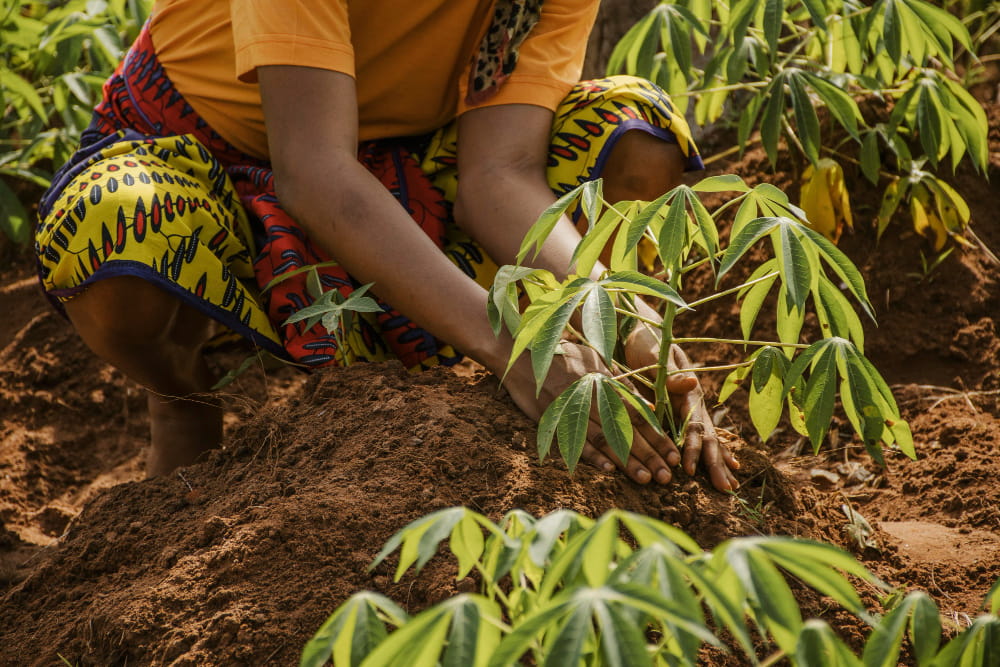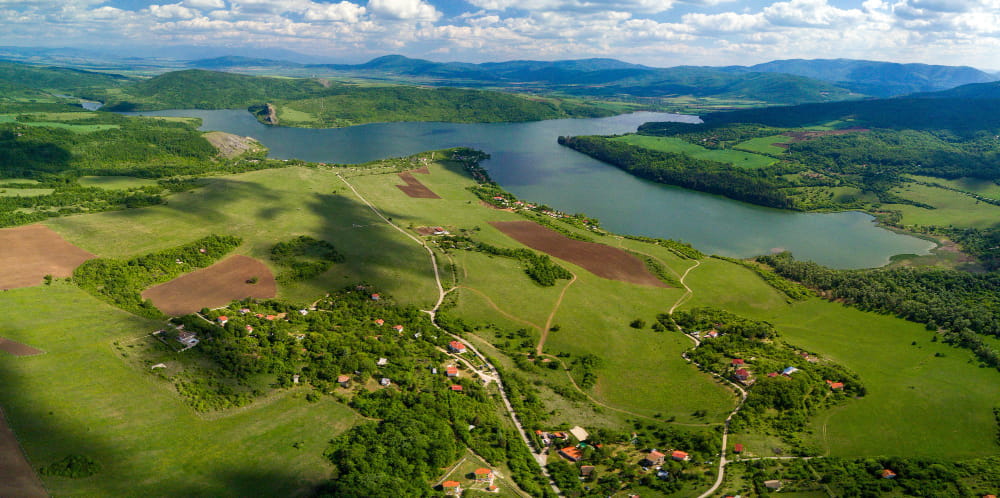
In 2026, the global agricultural market is witnessing a significant shift. While traditional powerhouses face challenges from aging tree stocks and climate volatility, Guinea is stepping into the spotlight as a premier destination for high-yield, export-oriented agribusiness. Specifically, the Cocoa Coffee Guinea sector is undergoing a massive transformation, moving from subsistence farming to a sophisticated industrial value chain.
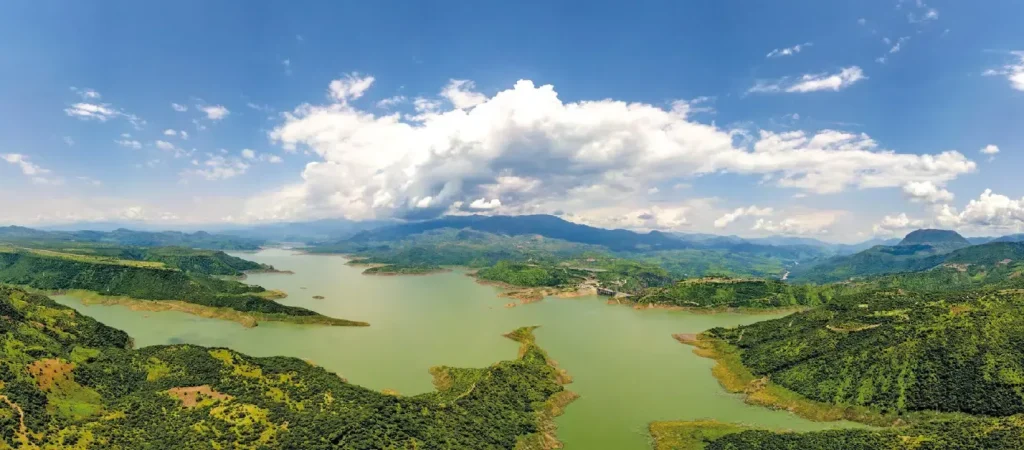
With fertile volcanic soils in the Forest Guinea region and the temperate highlands of Fouta Djallon, the nation offers a unique dual-climatic advantage. For international investors, this represents a rare “ground-floor” opportunity to capitalize on rising global demand for traceable, high-quality Arabica and Robusta coffee, alongside premium-grade cocoa.
The Strategic Advantage of Cocoa and Coffee in Guinea
Guinea’s agricultural landscape is often overshadowed by its mining wealth, but in 2026, the government’s “Simandou 2040” diversification strategy has placed agribusiness at the core of national growth. The primary focus is on shifting from exporting raw beans to local processing and high-value exports.
1. Forest Guinea: The Cocoa Powerhouse
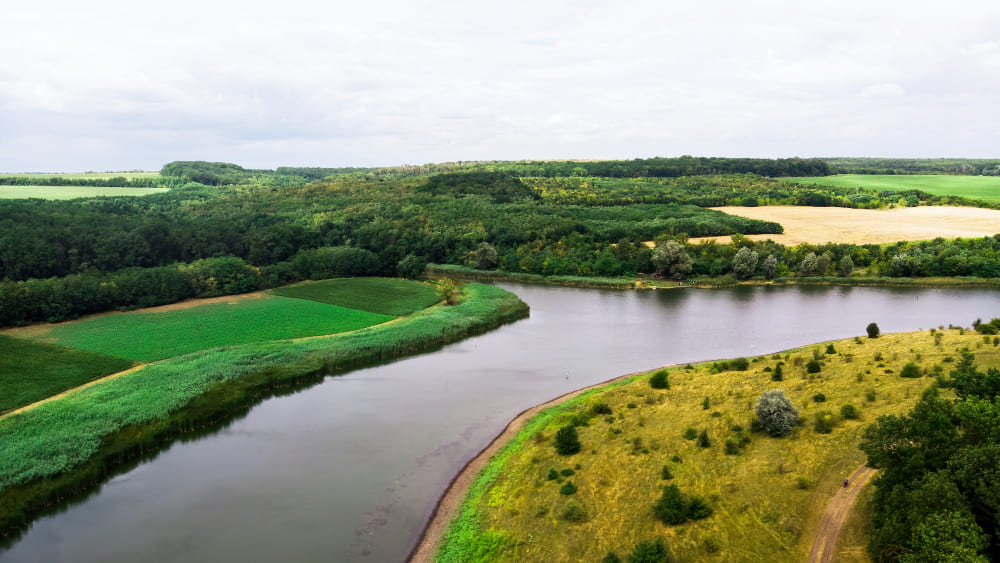
The southeastern region, known as Forest Guinea (Guinée Forestière), shares the same ecological belt as the world’s leading cocoa producers. However, unlike its neighbors, Guinea possesses vast tracts of underutilized, nutrient-rich land. In 2026, the focus has shifted toward Agroforestry, where cocoa is grown under the canopy of native trees, ensuring a “Forest-Friendly” certification that commands a premium in European and North American markets.
2. High-Altitude Coffee: Arabica and Robusta
Guinea is one of the few West African nations capable of producing both major coffee varieties.
- Arabica: Grown in the cool, high altitudes of the Fouta Djallon, Guinean Arabica is gaining recognition for its unique floral notes.
- Robusta: The “Ziama Macenta” variety has recently received Geographical Indication (GI) status, a move supported by the Centre for the Promotion of Imports (CBI) to ensure traceability and quality for EU roasters.
3. Proximity to Global Markets
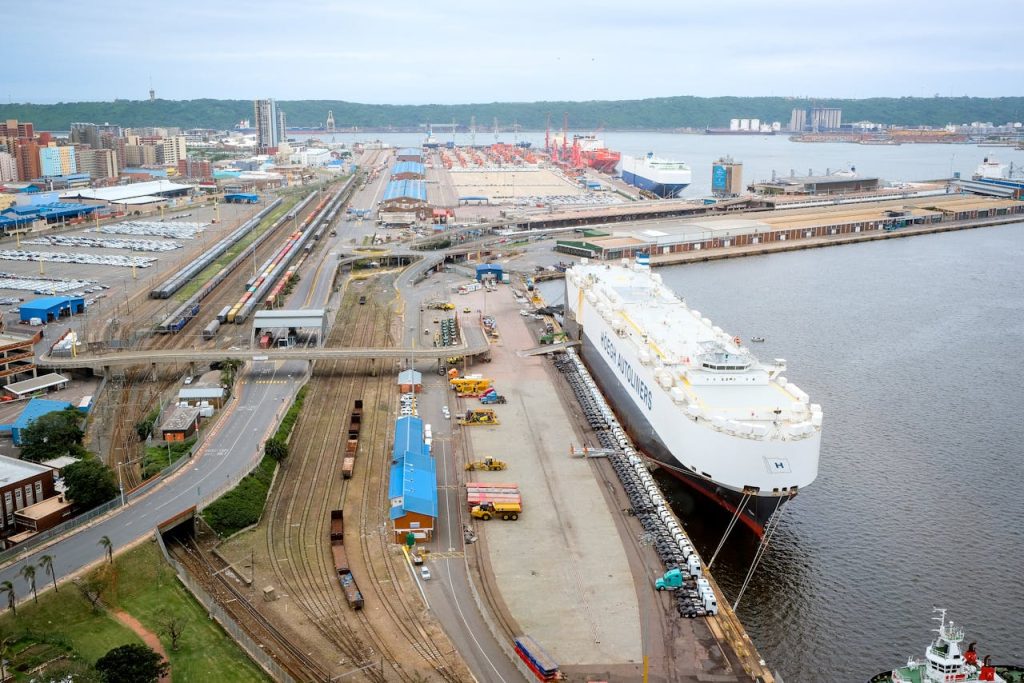
Guinea’s strategic location on the Atlantic coast provides a logistics advantage. With the recent 2026 upgrades to the Port of Conakry and the Port of Kamsar, shipping times to Europe and the Americas are significantly shorter compared to East African or Southeast Asian competitors, reducing “carbon-mile” footprints for ESG-conscious brands.
Modernizing the Value Chain: Opportunities for Investors
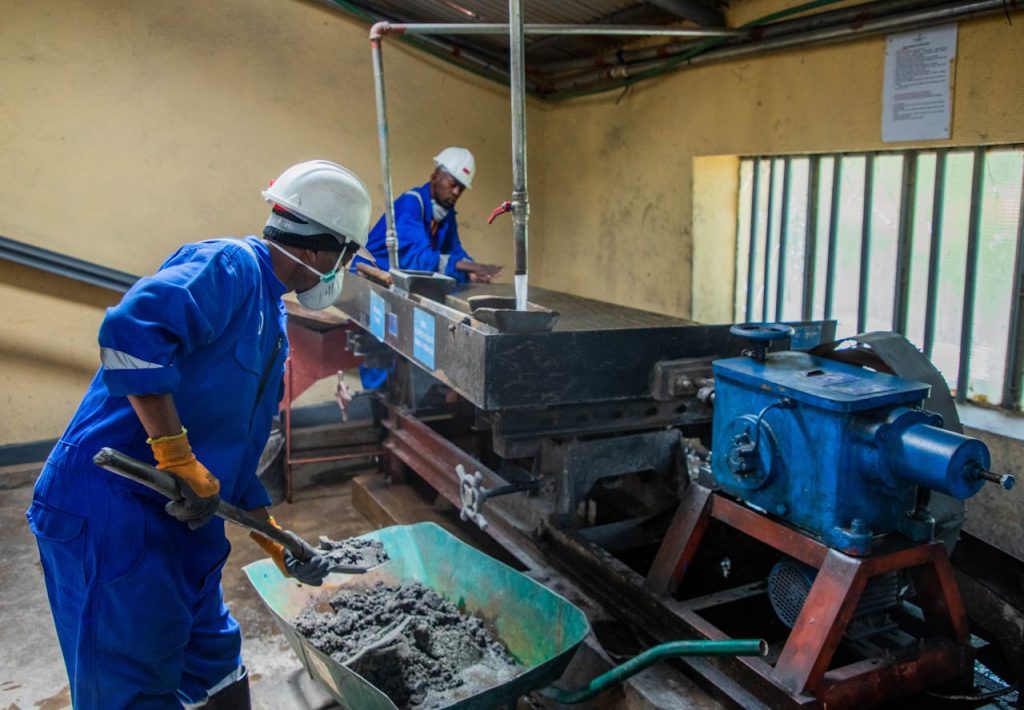
The current 2026 market for Cocoa Coffee Guinea is defined by a move toward industrialization. Investors are no longer just looking at the farm gate; they are looking at the factory floor.
Industrial Processing and Value Addition
The Guinean government is offering aggressive tax holidays for firms that establish local processing plants.
- Cocoa: Opportunities exist for the production of cocoa liquor, butter, and powder within Guinea.
- Coffee: Industrial-scale roasting and packaging facilities are needed to serve the growing regional West African market, where coffee consumption is on the rise among the urban middle class.
Sustainable and “Green” Agribusiness
In 2026, sustainability is a prerequisite for market entry. The Food and Agriculture Organization (FAO) is actively supporting projects in Guinea that integrate solar-powered irrigation and mobile-money-based farmer payment systems. Investors who bring “AgTech” solutions such as drone-based crop monitoring or blockchain-led traceability will find a highly receptive environment.
Government Incentives and the 2026 Regulatory Climate
To facilitate the boom in Cocoa Coffee Guinea, the Ministry of Agriculture has introduced several pivotal reforms designed to de-risk foreign investment.
1. The Guinea–Italy Agricultural Project (PAGITA)
Launched recently, this $5.8 million initiative specifically targets the modernization of the cocoa and coffee value chains. It provides infrastructure support and training for thousands of local producers, creating a pre-vetted network of suppliers for international firms.
2. Tax and Customs Exemptions
Under the updated 2026 Investment Code, agribusiness ventures benefit from:
- Duty-Free Imports: Zero customs duties on agricultural machinery, specialized harvesters, and processing equipment.
- Corporate Tax Holidays: Up to 8 years of tax-free operations for export-oriented farms located in designated agricultural zones.
3. Land Security and Titling
A major breakthrough in 2026 is the digitalization of agricultural land titles. The government has cleared specific “Agri-Zones” for long-term emphyteutic leases (up to 99 years), providing the legal security required for large-scale capital expenditure.
Export Markets: Tapping into Global Demand
Guinea’s coffee and cocoa are no longer “hidden gems.” In 2026, the export horizon has expanded significantly.
The European Union and the EUDR Compliance
With the EU Deforestation Regulation (EUDR) now in full effect, Guinea’s emphasis on agroforestry and satellite-mapped farms makes it a preferred supplier for European chocolate makers and coffee roasters seeking compliant, deforestation-free beans.
The Emerging Asian Market
China and India have emerged as massive growth markets for Guinean coffee. In early 2026, trade agreements have been signed to facilitate “Direct-to-Roaster” shipments from Conakry to Shanghai, bypassing traditional European middlemen and increasing the margin for Guinean producers and their international partners.
Frequently Asked Questions (FAQ)
1. What is the main coffee variety grown in Guinea?
Guinea produces both Arabica (in the Fouta Djallon highlands) and high-quality Robusta (primarily in the Forest Guinea region). The “Ziama Macenta” Robusta is particularly famous for its bold flavor profile and export potential.
2. Can foreign investors own agricultural land in Guinea?
Foreigners cannot own land outright but can secure long-term leases of up to 99 years. These leases are fully bankable and provide the necessary security for large-scale infrastructure and planting projects.
3. What are the environmental regulations for cocoa farming?
In 2026, Guinea strictly enforces “Zero-Deforestation” policies. All new large-scale cocoa projects must utilize agroforestry techniques and provide GPS coordinates for farm boundaries to ensure compliance with international export standards like the EUDR.
4. Are there incentives for local chocolate manufacturing?
Yes. The government provides additional tax breaks and electricity subsidies for “Value-Add” projects that process raw cocoa beans into finished or semi-finished products (liquor, butter, or chocolate) within Guinea.
5. How does Yes Invest in Guinea support agribusiness investors?
We act as your local strategic partner, assisting with land due diligence, securing export licenses, navigating the PAGITA incentive programs, and connecting you with pre-vetted farming cooperatives.
Conclusion: Planting the Seeds of Profit in 2026
The Cocoa Coffee Guinea sector is at a tipping point. With the global supply of high-quality beans tightening, Guinea offers a unique combination of available land, a pro-investment government, and a climate perfectly suited for the stimulants of the future.
Whether you are an impact investor focused on sustainable agroforestry or a global commodities firm seeking a new supply hub, Guinea provides the fertile ground needed for your venture to thrive. The transition from “potential” to “production” is happening now and the most successful players will be those who establish their footprint today.
Are you ready to lead the West African agricultural revolution? At Yes! Invest in Guinea, we specialize in identifying high-value agricultural sites and navigating the regulatory path to successful exports. Let us help you turn Guinea’s natural bounty into a sustainable, global success story.
Contact Yes! Invest in Guinea today to request our 2026 Agribusiness Investment Prospectus.