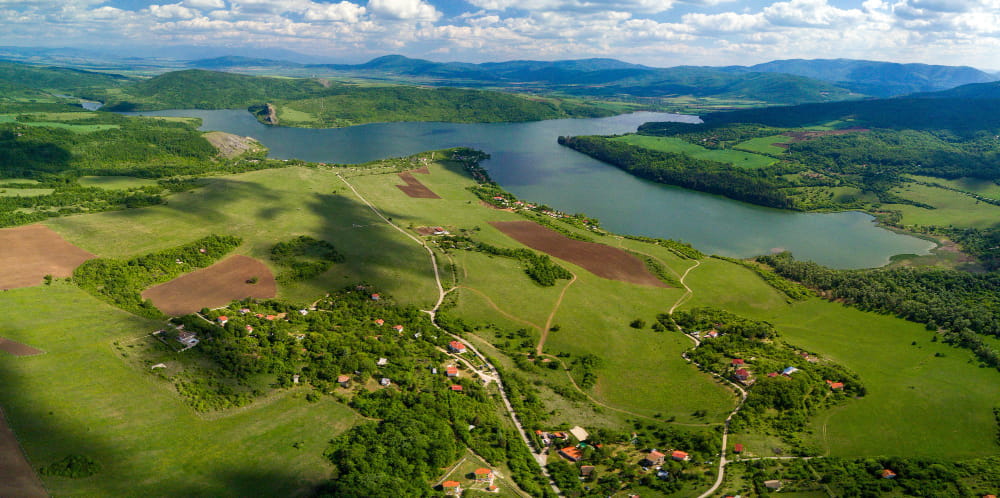
The Republic of Guinea is entering a transformative era of agricultural diversification. While the nation has historically been recognized for its vast mineral wealth, the focus in 2026 is shifting toward high-value, sustainable agribusiness sectors. Floriculture Investments represent one of the most vibrant frontiers in this new economic landscape. With a diverse range of micro-climates from the humid coastal plains to the temperate highlands of Fouta Djallon Guinea possesses the ideal ecological conditions to become a leading hub for the flower export business in West Africa.
At Yes! Invest Guinea, we are guiding visionary capital into this blooming sector. We believe that by combining Guinea’s natural advantages with modern horticultural technology, investors can capture a significant share of the multi-billion dollar global floral market.
The Strategic Potential of Floriculture in Guinea
The global demand for cut flowers and ornamental plants is resilient, driven by the event industry, luxury hospitality, and a growing middle class. For Guinea, this sector offers a strategic path to diversify exports and generate year-round foreign exchange.
1. Guinea’s Ecological Competitive Advantage
Unlike many traditional flower-producing regions that rely heavily on artificial climate control, Guinea offers natural environments suited for various species.
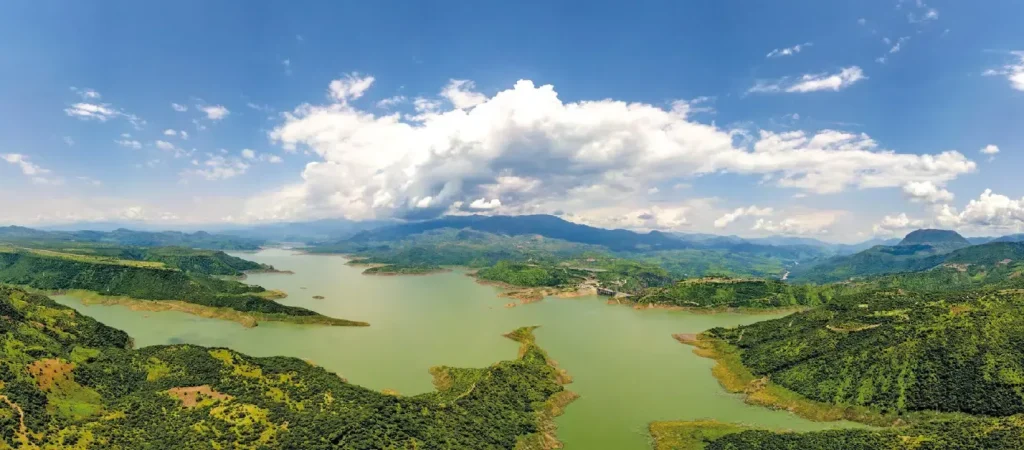
- The Highlands (Fouta Djallon): With cooler temperatures and high altitude, this region is perfectly suited for temperate flowers like roses, carnations, and lilies.
- The Coastal and Forest Regions: These areas provide the heat and humidity required for exotic tropical blooms and ornamental foliage, which are in high demand for international interior decor.
2. Proximity to European and Regional Markets
Strategic location is a cornerstone of the flower export business. Guinea’s proximity to European markets via the Atlantic trade corridor provides a shorter flight time compared to East African competitors. This ensures that flowers reach international auctions in peak condition, maximizing their shelf life and market value. Furthermore, as a member of ECOWAS and the AfCFTA, Guinea is positioned to supply the rapidly growing luxury hospitality sectors across the African continent.
Technical Foundations for a World-Class Flower Export Business
To compete on the global stage, floriculture investments in Guinea must be built on a foundation of operational precision and technical excellence.
1. Precision Irrigation and Greenhouse Technology
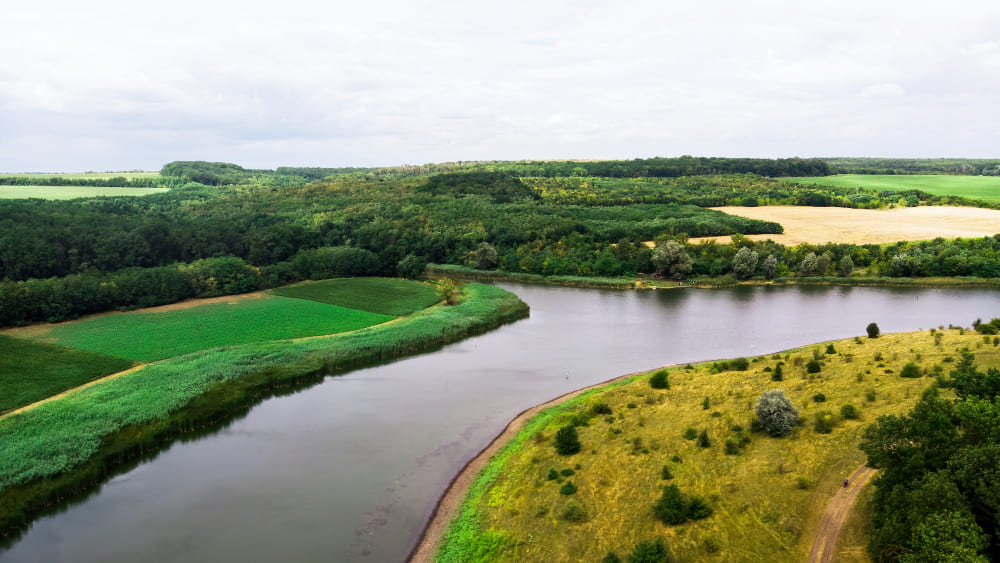
While Guinea is known as the “Water Tower of Africa,” efficient water management is essential for flower quality.
- Drip Irrigation: Implementing smart drip systems ensures that delicate roots receive the exact nutrient-mix required without waterlogging.
- Climate-Controlled Structures: Utilizing modern greenhouses protects crops from extreme weather and pests, ensuring the consistent stem length and bloom size required by international buyers.
2. The Cold Chain: Preserving Beauty from Farm to Flight
In the flower export business, the “Cold Chain” is non-negotiable. From the moment of harvest, flowers must be kept at strict temperatures to halt the aging process.
- On-Farm Cooling: Immediate post-harvest cooling facilities are a critical component of any floriculture investment.
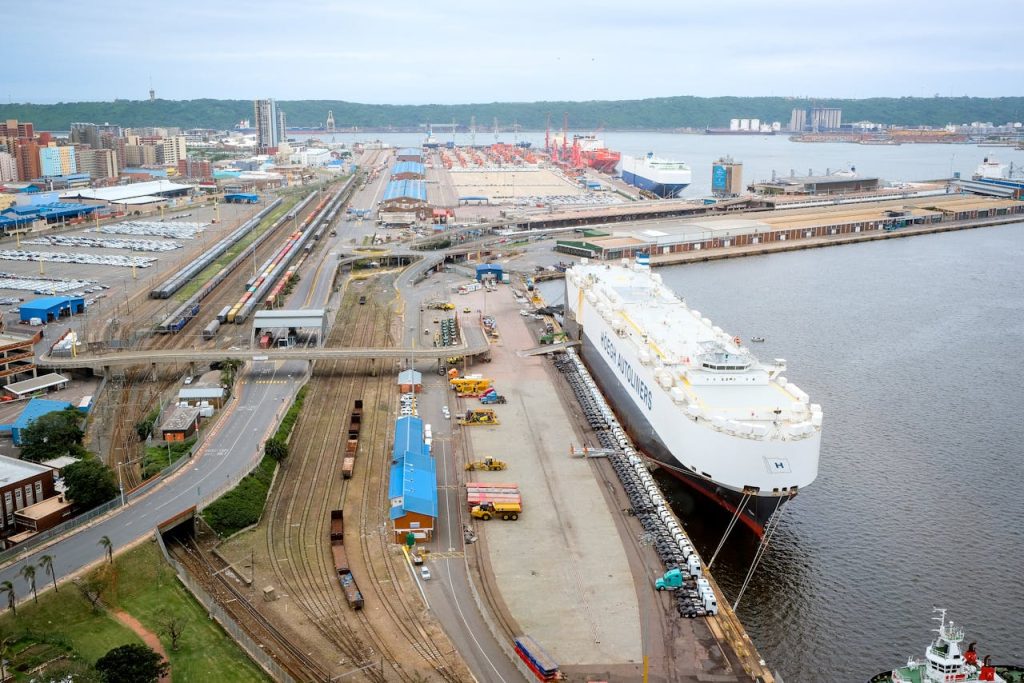
- Refrigerated Logistics: As Guinea continues its infrastructure modernization, the development of refrigerated transport corridors to Conakry’s international airport is a high-priority area for savvy investors.
Regulatory Incentives and Investment Framework
The 2026 investment climate in Guinea is specifically designed to reward pioneers in high-value agribusiness. Through the Invest in Guinea framework, floriculture projects gain significant advantages:
- Tax and Customs Exemptions: Investors can benefit from duty-free importation of specialized greenhouse equipment, irrigation hardware, and cooling systems.
- Strategic Land Access: The government is proactively identifying and securing agricultural land suitable for professional horticultural development.
- Legal Security: Guinea operates under the OHADA legal framework, ensuring that investment contracts and property rights are transparent and internationally enforceable.
- Institutional Support: Yes! Invest Guinea serves as your primary Government and Institutional Liaison, navigating the permitting process to ensure your project breaks ground efficiently.
Roadmap for Floriculture Investment Success
- Variety Selection: Identifying high-demand species that align with Guinea’s specific micro-climates.
- Infrastructure Development: Building the integrated cooling and packing facilities necessary for export readiness.
- Certification and Compliance: Meeting international phytosanitary and environmental standards, such as GlobalG.A.P., which are essential for accessing premium European markets.
- Workforce Excellence: Leveraging Guinea’s growing talent pool including experience in international recruitment to build a skilled team of horticultural specialists.
FAQ: Floriculture Investments in Guinea
- Is the climate in Guinea suitable for roses?
Yes. The Fouta Djallon highlands offer the high altitude and temperate conditions required for premium rose production, comparable to established hubs in East Africa.
- How does the “Cold Chain” impact profitability?
The cold chain is vital for maintaining product quality. Proper cooling extends the shelf life of the flowers, reducing waste and ensuring higher prices at international auctions.
- What are the main export markets for Guinean flowers?
Primary markets include the European Union (via the Netherlands), the Middle East, and the growing luxury hotel markets within West Africa.
- Does the government provide incentives for flower exporters?
Yes. Floriculture is recognized as a high-value agricultural sector, making it eligible for tax holidays, customs waivers, and streamlined permitting.
- How can Yes! Invest Guinea assist my floral venture?
We act as your local “Institutional Concierge,” helping you identify land, secure agribusiness infrastructure permits, and navigate the tax-exempt registration process.
Conclusion: Seizing the Blooming Opportunity
Floriculture Investments represent more than just a business venture; they are a catalyst for Guinea’s agricultural modernization. By harnessing the nation’s diverse climates and strategic location, investors can build a world-class flower export business that delivers high returns while promoting sustainable economic growth.
The market is ready, the infrastructure is growing, and the natural beauty of Guinea is waiting to be shared with the world.
Lead the Floral Revolution with Yes! Invest Guinea
At Yes! Invest Guinea, we turn agricultural potential into high-value export reality. From site identification to the first shipment of blooms, our team provides the local intelligence and institutional access you need to thrive.