Technical Education in Guinea: Investment Opportunities for Skilled Workforce Development – Guinea is entering a period of major economic transformation, driven by mining, infrastructure, energy, agribusiness, manufacturing, logistics, and digital development. As these sectors expand, the demand for workers with practical and technical skills is becoming increasingly important.
This creates a growing role for Technical Education in Guinea. Beyond traditional academic education, technical institutes, industry-focused academies, apprenticeship programs, and digital skills centers can help prepare workers for the requirements of a modern economy.
For investors, this development creates opportunities to build education businesses that connect training directly with employment demand. The opportunity is particularly relevant as Guinea strengthens its technical and vocational education system and develops new pathways between education, skills, and jobs.
Why Technical Education in Guinea Matters for Workforce Development
Technical education focuses on practical knowledge and occupational skills that can be applied directly in the workplace. Depending on the institution, programs can cover engineering technology, construction, industrial maintenance, information technology, automotive services, renewable energy, agriculture, hospitality, and other technical fields.
Guinea’s Ministry of Technical Education, Vocational Training and Employment currently reports a network that includes 56 public and 103 private technical and vocational education and training institutions. The ministry’s responsibilities include developing and implementing policies covering technical education, vocational training, and employment.
The country’s direction is also becoming increasingly focused on connecting education with economic needs. In June 2026, the World Bank announced the SIRA program, which includes Guinea and aims to strengthen education and skills systems, expand technical and vocational training, and improve pathways into employment. In Guinea, priority areas include agribusiness, energy, and digital skills.
This alignment between education and economic development creates an important environment for technical education investment in Guinea.
Key Investment Opportunities in Technical Education
Investment does not necessarily require building a large university. Specialized institutions that focus on specific workforce requirements can provide more targeted solutions.
1. Industrial Technical Institutes
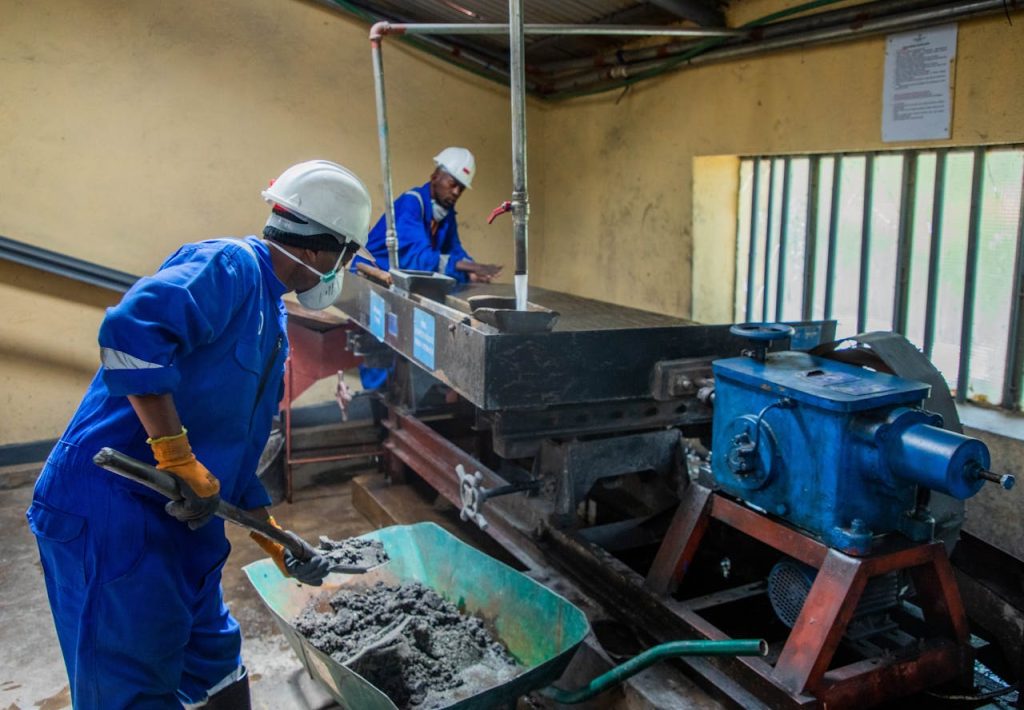
Guinea’s mining and industrial sectors require technicians who understand machinery, maintenance, industrial safety, electrical systems, welding, automation, and production processes.
Investors can develop specialized technical institutes offering short-term certificates, diplomas, and professional training programs.
Potential programs include:
- Heavy equipment maintenance
- Industrial electrical systems
- Welding and fabrication
- Mechanical maintenance
- Industrial automation
- Occupational health and safety
- Mining equipment operation
- Industrial quality control
The strongest models can be developed in cooperation with companies that understand their future workforce requirements.
Rather than training students solely through classroom instruction, institutions can combine workshops, simulations, practical projects, internships, and workplace-based learning.
2. Construction and Infrastructure Training
Guinea’s infrastructure development creates demand for skilled construction workers and technical supervisors.
A specialized technical education center could provide training in electrical installation, plumbing, welding, masonry, surveying, equipment operation, construction technology, and building maintenance.
More advanced programs could introduce digital construction tools, computer-aided design, building information modeling, and project management.
The investment opportunity is not limited to training students. Corporate training programs can also provide continuing education for existing workers who need to upgrade their skills as construction technologies change.
3. Digital and ICT Technical Education
Digital transformation is another area where technical education can contribute directly to workforce development.
Technical education providers can establish practical programs in:
- IT support
- Network administration
- Web development
- Cybersecurity fundamentals
- Data management
- Cloud technologies
- Digital business
- Computer hardware maintenance
These programs can be delivered through physical campuses, blended learning, or online platforms.
This also creates opportunities for partnerships between technical institutes and technology companies. Businesses can contribute curriculum expertise, equipment, certifications, mentors, internships, and employment pathways.
4. Renewable Energy and Electrical Training
Energy infrastructure requires technicians who can install, operate, and maintain electrical and renewable energy systems.
Technical education providers can develop specialized courses in solar photovoltaic installation, battery systems, electrical maintenance, energy efficiency, and mini-grid operations.
Training can combine classroom theory with practical laboratories where students work with real equipment.
This model is particularly relevant for Guinea because technical skills development can support both large infrastructure projects and decentralized energy solutions serving communities outside major urban centers.
5. Agricultural Technology and Food Processing
Technical education can also support Guinea’s agricultural transformation.
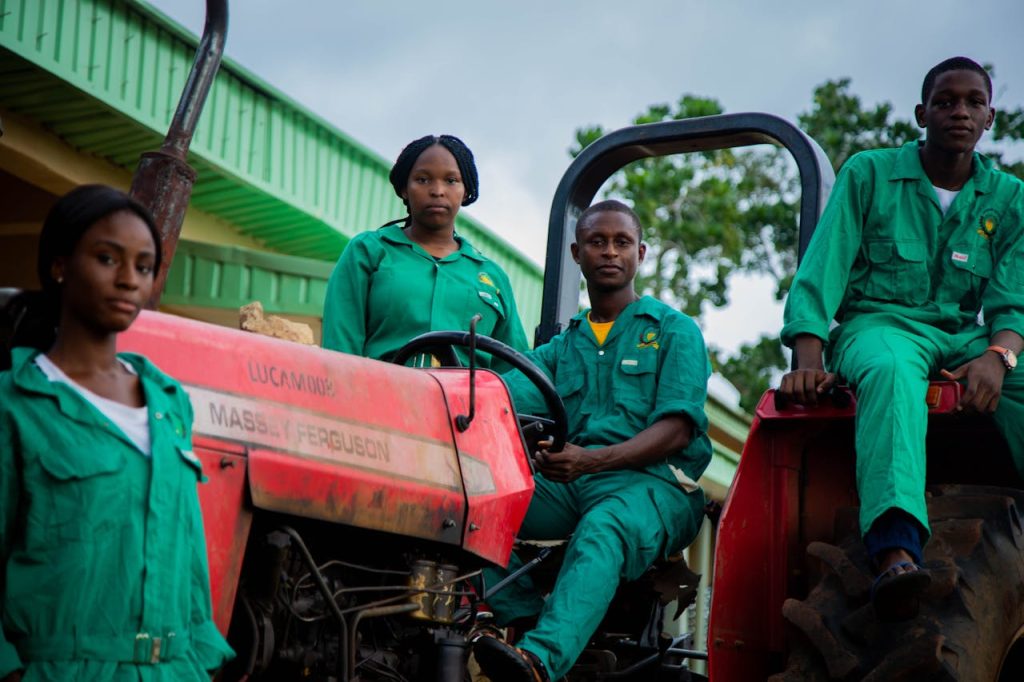
Instead of focusing exclusively on traditional farming, specialized institutions can train workers in agricultural machinery, irrigation systems, food processing, post-harvest handling, quality control, cold-chain operations, and agricultural technology.
Training centers could partner with agribusiness companies to create practical programs based on actual production requirements.
This approach can help develop workers who understand not only agricultural production but also the processing and value-addition activities required to build competitive agribusiness supply chains.
Apprenticeship Models Can Strengthen Technical Education
One of the most important opportunities in Technical Education in Guinea is the development of apprenticeship-based learning.
In July 2025, the International Labour Organization reported that Guinea had validated a National Strategy for Quality Apprenticeship and an operational action plan. The strategy includes stronger cooperation between enterprises and training systems, including dual apprenticeship models.
This creates opportunities for private education providers to build training models around real workplace experience.
A technical institute could, for example, divide a program between classroom learning and supervised workplace training. Companies can provide practical placements while education providers handle curriculum, assessment, and certification.
This model can make technical education more responsive to employer needs while giving students experience before entering full-time employment.
What Makes a Technical Education Investment Sustainable?
Building a technical school is only the first step. Long-term sustainability depends on whether the institution produces skills that employers actually need.
Industry-Aligned Curriculum
Programs should be developed with input from companies operating in relevant industries. Curriculum should be reviewed regularly as technologies, regulations, and workplace requirements change.
Practical Training Infrastructure
Technical education requires more than classrooms. Workshops, laboratories, machinery, computer equipment, simulation systems, and safety facilities are essential components of quality training.
Qualified Instructors
Technical instructors need both teaching ability and practical industry knowledge. Partnerships with companies can help training institutions bring experienced professionals into the classroom.
Certification and Quality Assurance
Recognized certification can make qualifications more valuable to employers. Investors should therefore consider accreditation requirements and quality assurance from the beginning of project development.
Employment Partnerships
A strong employment pathway can become one of the most important differentiators for a private technical education provider.
Partnerships can include internships, apprenticeships, company-sponsored training, recruitment agreements, and continuing professional development.
EdTech Can Expand Access to Technical Education
Technology can complement physical technical training rather than replace it.
Digital learning platforms can deliver theoretical modules, assessments, career guidance, and learning resources before students enter workshops or workplaces.
Simulation technology can also allow students to practice certain procedures in controlled environments before using expensive machinery.
For investors, this creates opportunities to combine technical campuses with EdTech solutions in Guinea, creating hybrid education models that can reach students beyond Conakry.
Mobile learning and blended education could also support workforce development in regions where access to specialized training facilities remains limited.
A Partnership-Based Investment Model
Technical education projects can be structured through several partnership models.
Private education companies can establish independent training centers, while corporations can sponsor specialized programs for their workforce needs. International education providers can contribute curriculum and certification expertise, while local partners can provide market knowledge and operational support.
Public-private partnerships may also support technical training where workforce development is closely connected to national infrastructure or economic priorities.
For investors, the most practical approach is to begin with a market assessment. This should identify which occupations are experiencing shortages, which companies are hiring, what qualifications they require, and where training capacity is limited.
The resulting data can guide the institution’s location, programs, equipment requirements, tuition model, and corporate partnership strategy.
Why Technical Education Can Support Guinea’s Next Growth Phase
The opportunity in Technical Education in Guinea is closely connected to the country’s broader economic development.
Mining requires technicians and equipment specialists. Infrastructure projects require skilled tradespeople. Energy development requires electrical and renewable-energy technicians. Agribusiness requires workers with processing and agricultural technology skills. Digital transformation requires IT professionals and technical support workers.
This means technical education can function as an important link between investment and employment.
The World Bank’s 2026 SIRA program reinforces this direction by identifying technical and vocational training, entrepreneurship, and job placement as components of Guinea’s skills-development agenda. The program is expected to benefit around 2.7 million young Guineans.
For private investors, this does not mean every education project will automatically succeed. Market research, accreditation, curriculum quality, instructor capacity, infrastructure, and employer partnerships remain essential.
However, the growing emphasis on skills development creates a clear space for institutions that can deliver practical, industry-relevant education.
Conclusion: Building Guinea’s Skilled Workforce
Technical Education in Guinea represents more than an education-sector opportunity. It can become part of the infrastructure supporting Guinea’s industrial and economic transformation.
The strongest investment models are likely to be those that connect training directly with employment demand. Specialized technical institutes, industrial academies, digital skills centers, renewable-energy schools, agricultural technology programs, and apprenticeship partnerships can all contribute to a stronger skilled workforce.
For international investors and education companies, the opportunity is to develop institutions that do more than issue certificates. The goal is to create practical pathways from learning to employment while helping businesses access the technical talent they need.
Turn Technical Education Opportunities into an Investment Project
Are you considering establishing a technical institute, vocational academy, corporate training center, or workforce development project in Guinea?
YES! Invest in Guinea can support investors with market entry, company registration, government and institutional liaison, regulatory assistance, partnerships, and local project facilitation.
Explore Guinea’s education and workforce development opportunities and connect your education investment strategy with the country’s evolving demand for skilled professionals.
Frequently Asked Questions
1. What is technical education in Guinea?
Technical education in Guinea provides practical and occupational skills designed to prepare students and workers for specific careers. Programs can cover areas such as engineering technology, construction, ICT, energy, agriculture, manufacturing, and other technical occupations.
2. Why is technical education important for Guinea’s workforce?
Technical education can help connect education with labor-market demand by developing practical skills required by growing industries. It can also support apprenticeships, employment pathways, entrepreneurship, and continuing professional development.
3. What are the main investment opportunities in technical education?
Potential opportunities include technical institutes, industry-specific academies, digital skills centers, renewable-energy training facilities, construction training schools, agricultural technology programs, corporate training centers, and apprenticeship-based education models.
4. Can international investors establish education businesses in Guinea?
International investors should assess Guinea’s applicable education, business registration, licensing, accreditation, and investment requirements before establishing an institution. Professional local and regulatory support can help investors understand the applicable procedures.
5. How can investors support skilled workforce development in Guinea?
Investors can establish training institutions, develop industry partnerships, provide modern equipment, create apprenticeship programs, introduce digital learning technologies, and collaborate with employers to align curricula with actual workforce requirements.