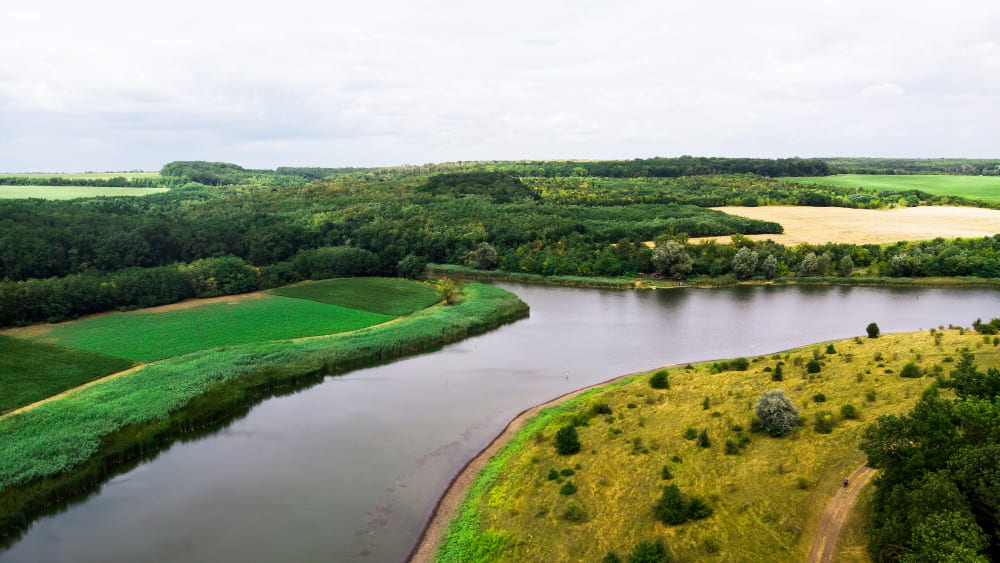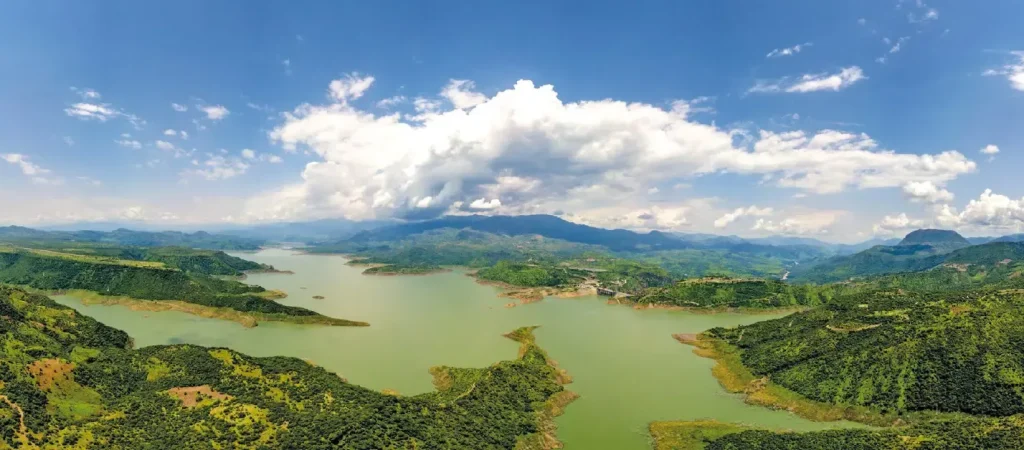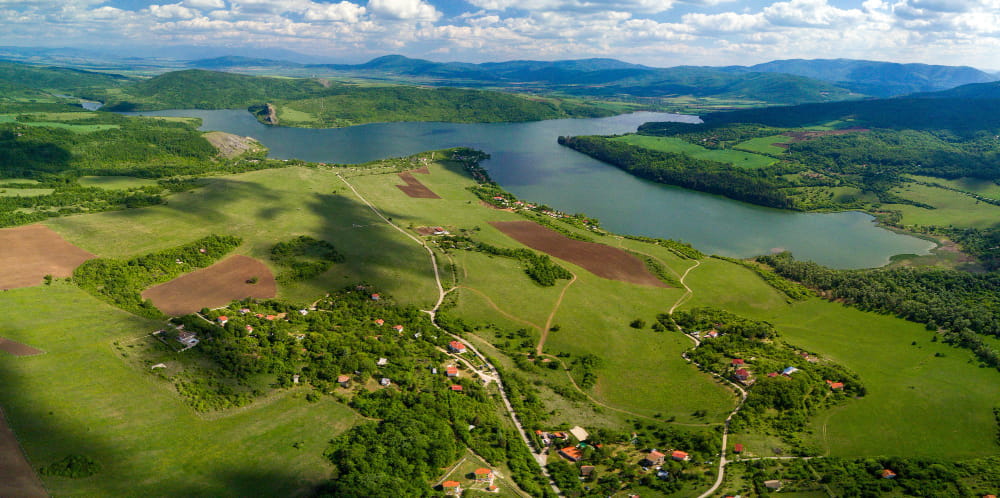
Agricultural Land Investment in Guinea – Agricultural land investment in Guinea is attracting growing attention from international investors looking for opportunities in West Africa’s expanding agribusiness sector. With fertile agricultural areas, significant water resources, diverse climates, and increasing demand for food production and agro-processing, Guinea offers a range of possibilities for commercial farming and agricultural projects.
The opportunity is not simply about acquiring farmland. For foreign investors, successful agricultural land investment in Guinea requires understanding land access, project feasibility, crop suitability, infrastructure, local partnerships, environmental considerations, and the country’s investment regulations.
Guinea’s agricultural sector is also becoming increasingly important to national economic development. In 2026, the Government of Guinea and the World Bank launched the AgriConnect Compact to support agricultural transformation, food security, rural infrastructure, private investment, and value-added agribusiness.
Why Consider Agricultural Land Investment in Guinea?
Guinea has several characteristics that can support commercial agricultural development. The country’s agricultural potential comes from a combination of land availability, water resources, climatic diversity, and growing domestic and regional demand.
According to Guinea’s Agency for the Promotion of Private Investments (APIP), the country has identified approximately 13.7 million hectares of arable land, with around 38% currently exploited. APIP also highlights abundant water resources and different agricultural advantages across Guinea’s four major natural regions.
This creates opportunities for investors who are looking beyond short-term land speculation and instead want to develop productive agricultural assets.
Commercial projects may include:
- Large-scale crop production
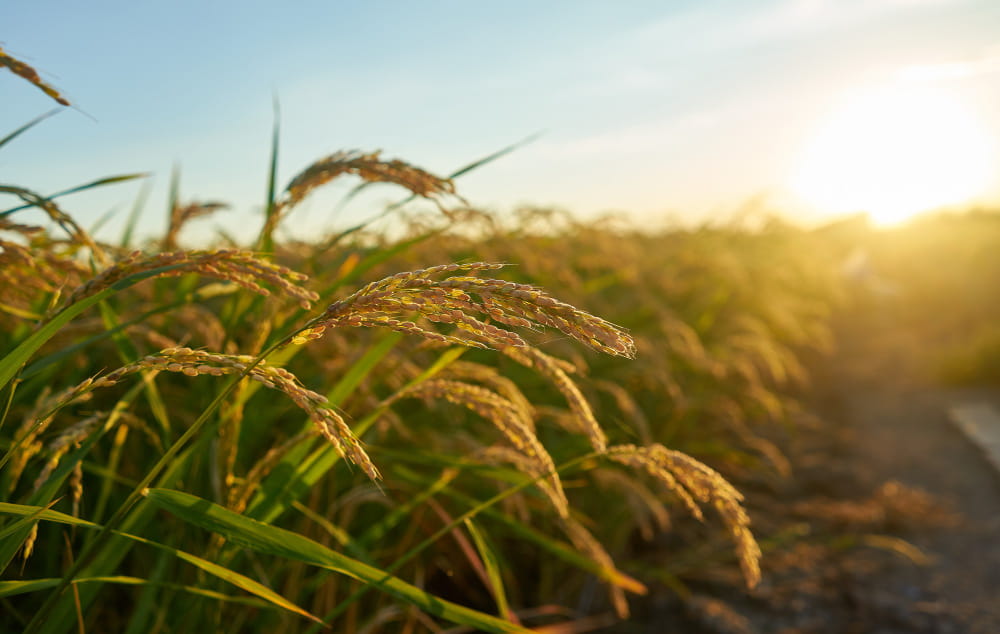
- Rice and cereal farming
- Fruit plantations
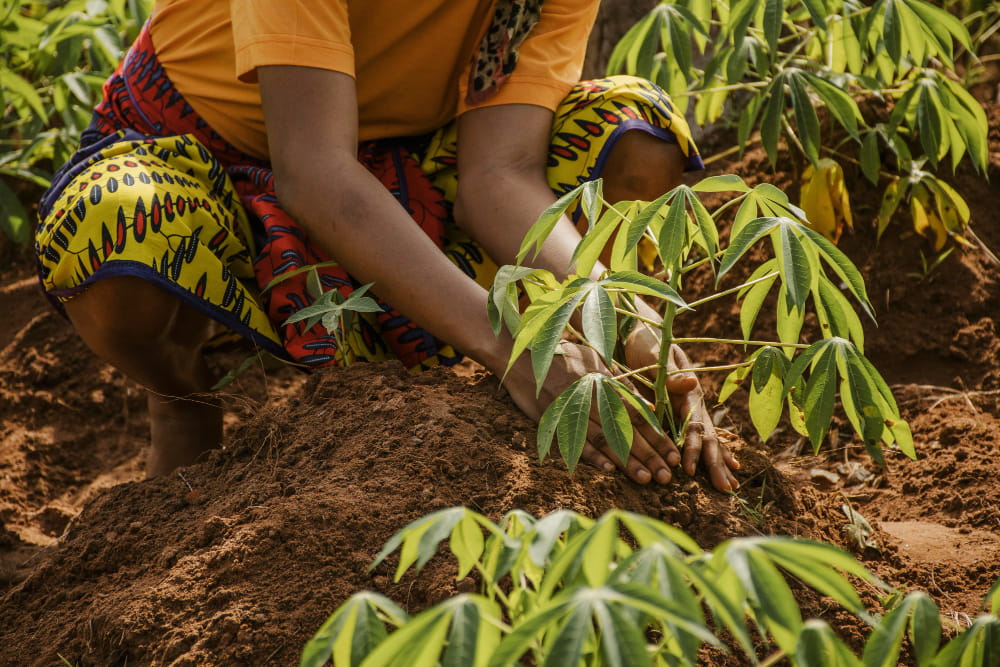
- Cassava production
- Vegetable farming
- Livestock and integrated farming
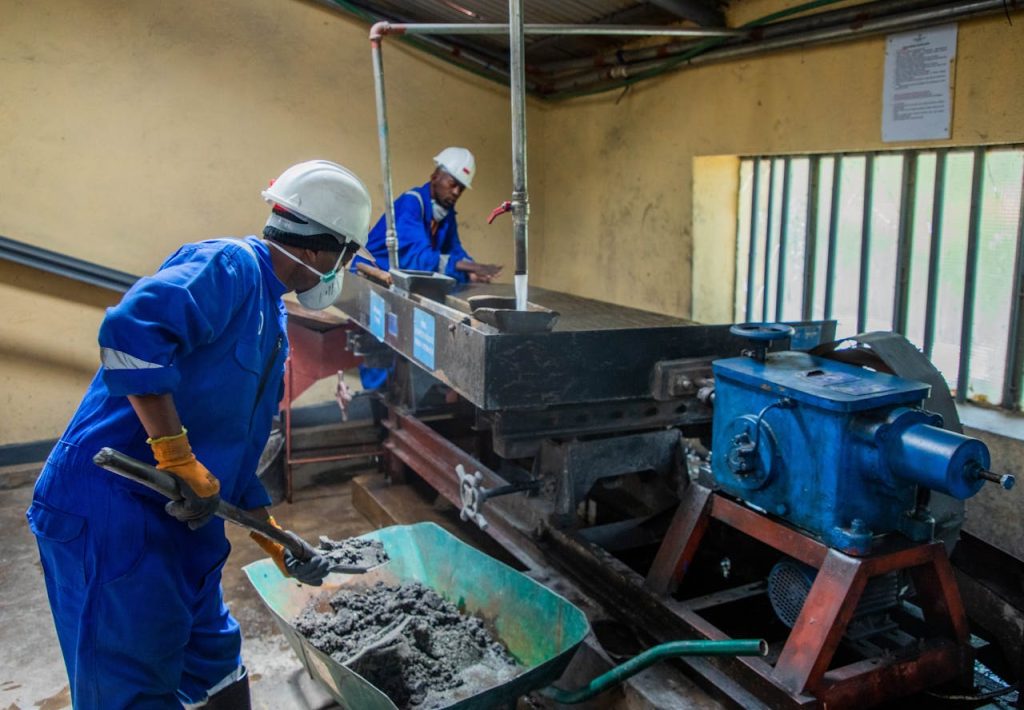
- Agricultural processing
- Storage and post-harvest infrastructure
- Irrigation and agricultural infrastructure
The World Bank also identifies agriculture as an important source of employment in Guinea and highlights the potential for investment in processing, irrigation, and stronger links between farmers and markets.
Agricultural Land Opportunities Across Guinea
One of the advantages of investing in agricultural land in Guinea is the country’s geographical diversity. Different regions offer different agricultural characteristics, so investors should select land according to the crop, production model, water requirements, logistics, and target market.
Lower Guinea
Lower Guinea has a humid coastal environment and is suitable for various fruit and horticultural activities. APIP identifies opportunities involving pineapple, mango, citrus fruits, avocado, banana, and other agricultural products in this region.
Its proximity to Conakry and coastal infrastructure can also be relevant for businesses that require access to urban consumers, ports, processing facilities, or export logistics.
Middle Guinea
Middle Guinea, particularly the Fouta Djallon area, is associated with livestock production as well as vegetables, fonio, potatoes, and other crops.
Investors considering agricultural land in this region may explore integrated farming models combining crop cultivation with livestock or food-processing activities.
Upper Guinea
Upper Guinea has savannah landscapes that support crops such as cotton, sesame, cassava, yam, and other agricultural products. The region also contains important rice-growing plains associated with the Niger River basin.
For investors interested in commercial food production, this makes land assessment and water availability particularly important when evaluating potential sites.
Forest Guinea
Forest Guinea has a more humid climate and supports products including cocoa, coffee, rubber, rice, oil palm, and plantain.
Investors considering plantation agriculture should evaluate soil characteristics, rainfall, transportation access, processing requirements, and the intended duration of the investment before selecting a location.
Can Foreign Investors Access Agricultural Land in Guinea?
This is one of the most important questions for international investors.
Guinea’s Investment Code applies to investors operating in agriculture, livestock, fisheries, forestry, and related storage activities. Under Article 16, foreign individuals and legal entities have access to land subject to the conditions established by Guinea’s laws and regulations. The Investment Code also provides that land and buildings within the private domain of the State or its subdivisions may be sold, leased, or contributed to a company.
This means foreign investors should not approach agricultural land investment as a simple real estate purchase.
The appropriate structure depends on the project, the land’s legal status, the applicable land regulations, and the proposed use of the property. Professional legal and land due diligence should therefore be completed before committing capital.
Investors should also review Guinea’s Land Code and other applicable regulations through the official APIP regulatory resources.
How to Evaluate Agricultural Land Before Investing
Finding agricultural land is only the first stage. Investors should conduct detailed due diligence before signing an agreement or beginning development.
1. Verify Land Ownership and Legal Rights
The first step is confirming who legally controls the land and what rights can be transferred, leased, or granted.
Investors should verify land documentation, boundaries, existing claims, lease conditions, and any restrictions affecting the proposed agricultural activity.
A land agreement should not be treated as sufficient until its legal validity and enforceability have been independently reviewed.
2. Assess Soil and Water Conditions
Agricultural productivity depends heavily on soil quality and reliable water access.
A professional site assessment should consider:
- Soil composition
- Drainage
- Water availability
- Irrigation potential
- Rainfall patterns
- Flooding risks
- Existing vegetation
- Land degradation
- Suitability for the intended crop
Guinea’s substantial rainfall and river network create agricultural potential, but water availability should still be assessed at the individual project site rather than assumed from regional conditions. APIP reports rainfall ranging from approximately 1,200 mm in northern and northeastern areas to as much as 6,000 mm in Fouta Djallon.
3. Check Infrastructure and Market Access
A productive farm can still become commercially challenging if transportation, storage, electricity, irrigation, or processing infrastructure is inadequate.
Investors should assess the distance to:
- Major roads
- Ports
- Urban markets
- Processing facilities
- Warehouses
- Electricity networks
- Water infrastructure
- Agricultural input suppliers
The World Bank has identified rural infrastructure, logistics, post-harvest handling, and market connectivity as important areas for improving Guinea’s agricultural competitiveness.
4. Consider Local Community and Environmental Factors
Large agricultural projects can involve local communities, workers, farmers, and traditional land-use practices.
A responsible project should therefore consider community engagement, employment, environmental impacts, land-use conflicts, and sustainable resource management.
For larger projects, investors should determine whether environmental and social assessments or specific permits are required before development begins.
Agricultural Business Models for Foreign Investors
Agricultural land investment does not necessarily mean developing a traditional farm.
Foreign investors can consider several models depending on capital, expertise, and market objectives.
Commercial Farming
Investors can establish farms focused on food crops, horticulture, plantations, or other commercially viable products.
The model can be developed around domestic consumption, regional trade, or export markets.
Contract Farming and Local Partnerships
Working with local farmers or agricultural cooperatives can provide an alternative to operating an entirely self-managed farm.
This model can combine investor capital, technology, market access, processing capabilities, and local agricultural knowledge.
Integrated Agribusiness
A more comprehensive model combines cultivation with processing, packaging, storage, and distribution.
For example, an investor could develop a farming operation alongside a processing facility to increase the value of agricultural products before they reach the market.
Agricultural Infrastructure
Land investment can also support warehouses, irrigation systems, cold storage, processing facilities, and other infrastructure required by the agricultural value chain.
This approach can be particularly relevant as Guinea works to improve agricultural productivity and reduce post-harvest losses.
Investment Framework and Business Setup
Foreign investors should establish an appropriate legal and corporate structure before implementing a commercial agricultural project.
Guinea’s Investment Code allows foreign private investors, subject to its provisions, to hold up to 100% of the equity or shares of a company established in Guinea. The Code also provides for equal treatment of foreign and domestic investors within its framework.
Guinea is also a member of OHADA, a regional organization that harmonizes business law across its member states. OHADA states that its mission is to strengthen legal and judicial security for companies and investors in member countries.
Investors may therefore need to address several components simultaneously:
- Company registration
- Land documentation
- Investment approval where applicable
- Tax registration
- Agricultural permits
- Environmental requirements
- Employment compliance
- Importation of agricultural equipment
- Local partnerships and supply chains
The official Guinean public service portal states that an investment approval application can require documents including a feasibility study, RCCM, tax identification, proof of financial capacity, land title or lease agreement, equipment lists, and other activity-specific authorizations.
For investors preparing a complete market-entry strategy, see our guide on How to Start a Business in Guinea.
Key Risks to Consider Before Investing
Agricultural land investment should be approached with the same level of due diligence as any major international investment.
Important considerations include land-title verification, unclear boundaries, community claims, infrastructure limitations, climate variability, access to finance, agricultural input costs, market prices, and post-harvest logistics.
FAO notes that Guinea’s agricultural productivity is affected by challenges including infrastructure, access to agricultural extension services, technology, and agricultural inputs.
This makes project planning particularly important. Investors should develop realistic financial models based on the selected crop, production cycle, expected yields, operating costs, infrastructure requirements, and market conditions rather than relying only on the availability of inexpensive or unused land.
How Yes Invest Guinea Can Support Your Agricultural Land Project
Entering Guinea’s agricultural market involves more than identifying land.
Yes Invest Guinea can support foreign investors with market-entry and investment-related services, including company registration, legal and regulatory assistance, government and institutional liaison, networking and partnerships, financial and administrative support, and risk management.
For agricultural investors, support can include helping assess potential project locations, understanding applicable procedures, connecting with local stakeholders, and coordinating the administrative steps required to establish a commercial operation.
If your project involves agricultural production, processing, or a wider agribusiness value chain, our Agriculture and Agribusiness resources provide additional information about opportunities in Guinea.
Frequently Asked Questions
1. Can foreigners invest in agricultural land in Guinea?
Foreign investors can access land in Guinea subject to applicable laws and regulations. The Investment Code specifically recognizes access to land for foreign individuals and legal entities, while the structure and conditions depend on the applicable land framework and project.
2. What agricultural products can investors produce in Guinea?
Potential agricultural activities vary by region and include rice, fonio, cassava, vegetables, fruits, coffee, cocoa, rubber, oil palm, livestock, and other agricultural products. Crop selection should be based on location, soil, water, infrastructure, and market demand.
3. What should foreign investors check before acquiring agricultural land?
Investors should verify land rights and documentation, boundaries, existing claims, lease or transfer conditions, soil quality, water availability, infrastructure, environmental requirements, and community considerations before committing capital.
4. Is agricultural investment a priority in Guinea?
Agriculture is a strategic development sector. Guinea’s AgriConnect Compact, launched with the World Bank in 2026, focuses on agricultural transformation, food security, rural infrastructure, private finance, and value-chain development.
5. How can an investor start an agricultural project in Guinea?
A practical starting point is to define the agricultural business model, conduct a feasibility study, establish the appropriate legal structure, identify and verify suitable land, assess regulatory requirements, and develop a financial and operational plan before beginning land development.
Start Your Agricultural Investment in Guinea
Agricultural land investment in Guinea can extend beyond farmland ownership. With the right structure, investors can develop commercial farms, plantations, processing facilities, storage operations, and integrated agribusiness projects connected to domestic and regional markets.
The most important step is to conduct proper land, legal, financial, environmental, and market due diligence before committing capital.
Planning an agricultural investment in Guinea? Contact Yes Invest Guinea to discuss your project, identify the right market-entry approach, and explore agricultural investment opportunities tailored to your business objectives.