Business opportunities for India investors in Guinea are not speculative. They are already generating billions of rupees in revenue for Indian companies that moved early, and the corridor is still wide open for the next wave of Indian entrepreneurs and investors who understand what Guinea’s economy needs and what India is already delivering.
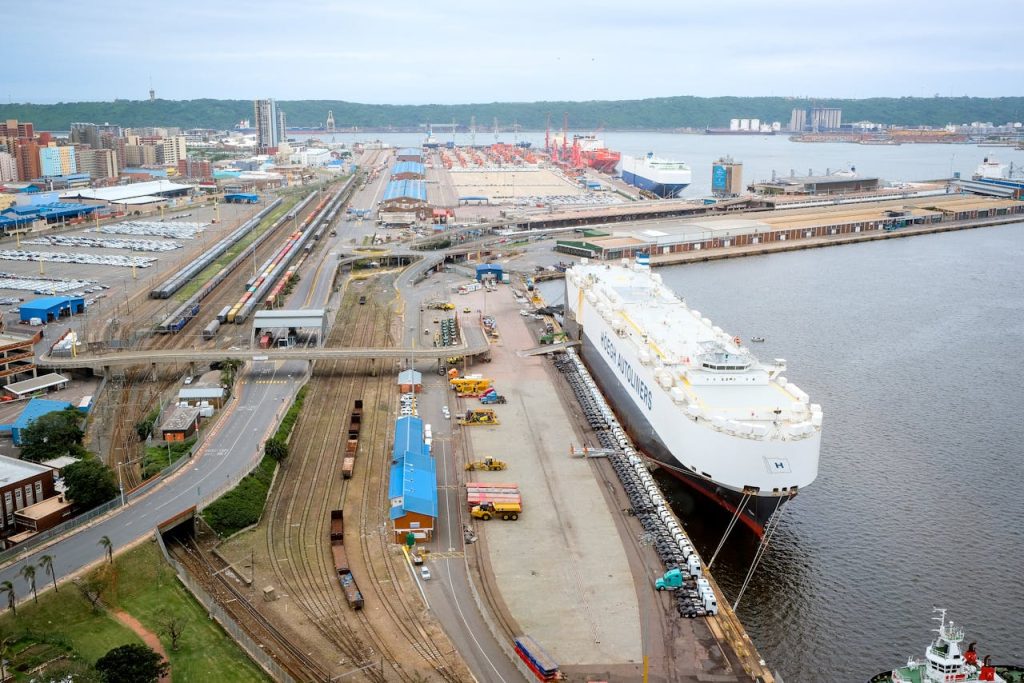
India and Guinea share a trade relationship that has become one of West Africa’s most commercially significant bilateral corridors. Indian exports to Guinea reached approximately USD 813 million in the most recent full year, while Guinea’s exports to India led by gold, aluminium ore, and cashew nuts totaled over USD 723 million. This is not a one-way relationship built on aid or development finance. It is a deepening commercial partnership built on natural complementarity: India needs Guinea’s mineral resources and agricultural products, and Guinea needs India’s manufactured goods, engineering expertise, and entrepreneurial capital. The business case for Indian investors to formalize their presence in Guinea through a registered company has never been stronger.
The India-Guinea Trade Corridor: Reading the Numbers That Define the Opportunity
What India Already Exports to Guinea
India’s export profile to Guinea is the clearest possible market research for any Indian investor considering entry. The products that Indian exporters are already selling into Guinea in volume reveal exactly where demand exists and where establishing a Guinean company would convert export margins into local distribution profits:
- Non-Basmati Rice: USD 477 million — the single largest Indian export to Guinea, reflecting Guinea’s heavy dependence on imported rice that domestic production cannot yet meet
- Motorcycles and Two-Wheelers: USD 93.6 million — Indian two-wheeler brands dominate Guinea’s urban transport market
- Light Pure Woven Cotton Textiles: USD 15.9 million — Indian textile brands have established consumer recognition
- Railway Transport Equipment: USD 14.6 million in June 2026 alone — directly tied to Guinea’s Simandou mining infrastructure boom
- Three-Wheelers: USD 17.4 million in June 2026 — growing demand from Guinea’s commercial transport sector
The railway transport equipment figure is particularly telling. It confirms that India is already supplying equipment for Guinea’s most significant infrastructure project, creating a supply chain relationship that Indian companies with Guinean legal entities can deepen and service directly.
What Guinea Exports to India
Guinea’s exports to India are dominated by three commodities that feed directly into India’s industrial and consumer economy:
- Gold: USD 326 million — feeding India’s jewelry and investment demand
- Aluminium Ore (Bauxite): USD 277 million — fueling India’s aluminium manufacturing sector
- Cashew Nuts: USD 97.5 million — a staple of India’s food processing and snack industry
These are not incidental trade flows. They are structural commodity relationships that Indian investors can participate in more profitably by establishing Guinean companies that source, process, and export directly rather than purchasing through intermediaries.
Priority Business Sectors: Where Indian Investors Are Already Succeeding
Bauxite Mining and Trading
The most compelling proof that Indian investment in Guinea’s bauxite sector works at scale is Ashapura Minechem, an India-headquartered mineral company that has built one of Guinea’s most significant bauxite operations. In Q1 FY27, Ashapura’s Guinea business contributed approximately INR 13.6 billion — about 84 percent of the company’s consolidated revenue. The company exported 3.16 million metric tonnes of bauxite from Guinea in Q4 FY26, up from 1.39 MMT in the previous quarter. Ashapura also signed a memorandum with China Railway to jointly develop its Fako bauxite deposit in the Kindia region, demonstrating that Indian-led partnership models are commercially executable in Guinea’s mining sector.
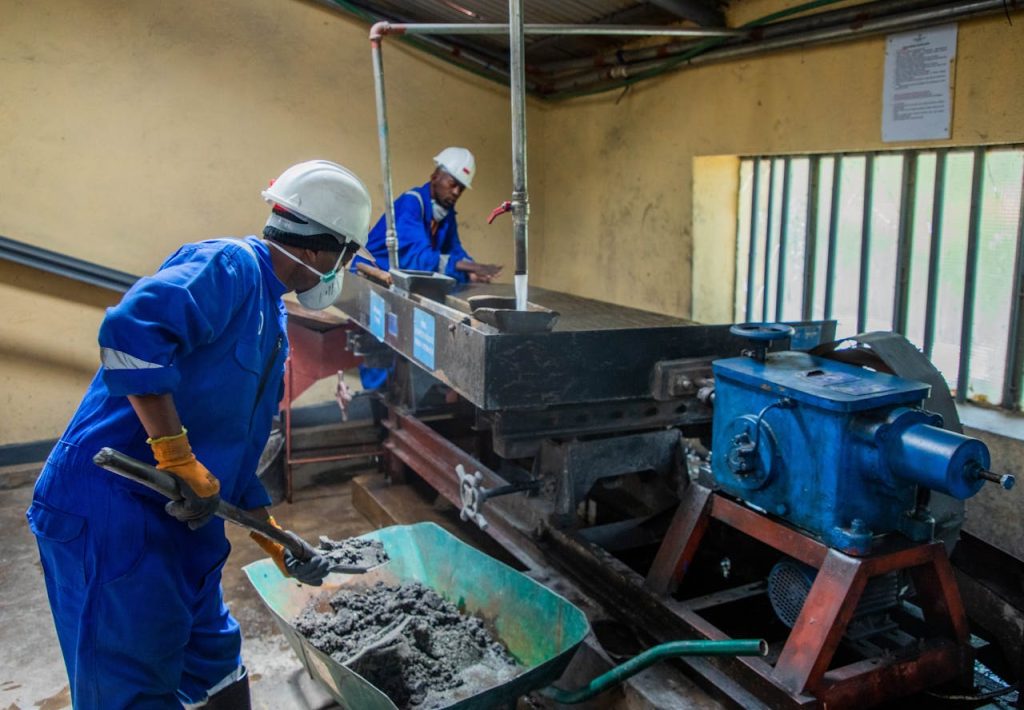
For Indian investors who cannot match Ashapura’s scale, the mining services ecosystem surrounding Guinea’s 182.8 million tonnes of 2025 bauxite exports offers multiple entry points: logistics, port services, equipment supply, maintenance contracting, and trading between Guinean producers and Indian aluminium refineries.
Gold Trading and Mining Services
Guinea’s gold sector is accelerating. The Kiniero gold mine, operated by Predictive Discovery, produced 54,252 ounces of gold in Q2 2026 — 38 percent higher than the previous quarter and running above nameplate capacity. The Bankan project, expected to enter production around 2028, is estimated to contain approximately 170 tonnes of gold. Guinea already exports USD 326 million in gold to India annually, but this trade flows largely through informal and intermediary channels. An Indian company registered in Guinea with a formal gold trading license can capture the margin and compliance advantage that direct sourcing provides.
Construction Materials and Infrastructure Supply
Guinea’s construction sector is under acute supply strain. Cement prices have surged to 90,000 to 120,000 GNF per bag in 2025-2026, up from 60,000 to 85,000 GNF previously. This price spike reflects a structural supply shortage that Indian cement importers and building materials distributors are positioned to address. India has established cement production capacity, construction materials logistics, and supply chain expertise that translates directly to Guinea’s market gap. Beyond cement, steel, roofing materials, plumbing supplies, and finishing products all face supply constraints in Guinea’s rapidly expanding construction economy.
The Simandou iron ore project and its associated infrastructure, including 650 kilometers of Trans-Guinean Railway and the Morebaya port system, are generating sustained construction procurement demand that Indian subcontracting firms with Guinean legal presence can access directly rather than bidding through international intermediaries.
Agricultural Processing and Food Trading
Non-Basmati rice exports from India to Guinea reached USD 477 million in the most recent year — a figure that confirms Guinea’s structural dependence on imported rice. Indian investors who move from exporting rice into Guinea to milling and packaging rice inside Guinea capture the domestic value addition margin while meeting local content requirements that benefit established in-country operators. The same logic applies to cashew processing: Guinea exports raw cashews to India where Indian processors capture the kernel extraction and packaging margin. Establishing cashew shelling and processing facilities in Guinea’s producing regions reverses this value flow and generates export-ready kernels at three to five times the raw nut price.
Distribution of Indian Manufactured Goods
Guinea’s urban consumer market is already purchasing Indian two-wheelers, textiles, and consumer goods in significant volume. An Indian investor who establishes a registered Guinean distribution company for Indian-manufactured products captures local retail margins, builds brand relationships with Guinean distributors, and creates the local operational presence that qualifies the business for Guinea’s local procurement requirements on public contracts. Spare parts networks, vehicle servicing, and consumer goods distribution are all viable business models for Indian SMEs making a first entry into Guinea.
Legal Framework for Indian Investors Establishing a Company in Guinea
Foreign Ownership: Full Control Is Available
Guinea’s 2015 Investment Code permits 100 percent foreign ownership in most sectors. An SARL (Société à Responsabilité Limitée) can be formed by a single Indian shareholder, with directors who do not need to be Guinean residents. The exceptions are narrow: mining rights holders carry a 15 percent free-carried State interest, media companies face a 40 percent foreign ownership cap, and private security is reserved for Guinean nationals. For the full range of trading, distribution, processing, and services businesses that Indian investors typically enter, unrestricted foreign ownership applies.
Tax Framework
| Tax | Rate |
| Corporate Income Tax (standard) | 25% |
| Mining permit holders | 30% |
| Telecoms, banks, insurance, petroleum | 35% |
| VAT | 18% |
| Withholding tax (dividends, interest, royalties) | 15% |
India and Guinea do not currently have a bilateral tax treaty in force, which means Indian investors must plan their corporate structures carefully to optimize the tax treatment of dividends and royalties between the Guinea entity and the Indian parent or shareholder.
Local Content Requirements
Guinea’s 2022 Local Content Law imposes progressive Guinean employment targets: 50 percent Guinean management staff within 7 years of establishment, and 85 percent Guinean technical staff within the same period, alongside mandatory training and local procurement obligations. For Indian investors, these requirements are best addressed by designing local hiring and training programs into the business model from inception rather than retrofitting them later under compliance pressure. They also create genuine opportunities for joint ventures with Guinean companies that provide local expertise while the Indian partner contributes capital, technology, and market access.
Company Registration Process Through APIP
The SARL is the preferred corporate vehicle for most Indian SMEs and mid-market investors entering Guinea. Registration through APIP follows a defined sequence:
- Company name reservation with RCCM
- Drafting and notarization of Statuts (Articles of Association) in French
- Filing with RCCM for trade register entry and RCCM certificate issuance
- NIF (tax identification number) registration
- CNSS (social security) registration
- Sector-specific license applications where required
According to APIP’s investment promotion framework, the agency targets a 72-hour processing window for complete applications. For straightforward SARL incorporations with all documents prepared, the realistic end-to-end timeline from project start to registered company is 2 to 4 weeks. Regulated sectors including mining, healthcare, and telecommunications require additional license processing time beyond the basic registration.
For a comprehensive guide to investment protections available to Indian investors in Guinea, the World Bank’s Guinea Investment Climate documentation confirms that Guinea’s Investment Code provides statutory protections including free capital transfer, profit repatriation guarantees, and access to ICSID international arbitration for investor-state disputes.
Practical Entry Strategy: Five Steps for Indian Investors
Step 1 — Define your sector entry: Align your Guinea business with India’s existing export strength or Guinea’s documented import need. Rice trading, construction materials, mining services, and cashew processing are all commercially proven entry points.
Step 2 — Choose your structure: For most Indian SMEs, an SARL with single Indian shareholder provides maximum flexibility. Larger mining and infrastructure projects may require an SA or joint venture structure with a Guinean partner.
Step 3 — Engage qualified local support: French-language legal documentation, OHADA compliance, and sector license requirements make local professional support essential. Statute drafting quality determines whether APIP processes your application on first submission or returns it for amendment.
Step 4 — Build local content compliance into your model: Design Guinean hiring, training, and procurement plans before registration, not after the business is operational. Early compliance builds government goodwill and satisfies the Local Content Law’s progressive requirements without disruption.
Step 5 — Open banking and complete post-registration setup: A corporate bank account requires RCCM registration, NIF, notarized Statuts, proof of registered address, and KYC documentation for ultimate beneficial owners. Professional pre-application coaching significantly improves success rates at the banking stage.
For Indian investors requiring end-to-end registration support in Guinea, YES! Invest in Guinea’s Company Registration service covers the full process from statute drafting through to sector license applications and operational bank account setup.
FAQ: India Investors Establishing a Company in Guinea
- Can an Indian investor own 100% of a Guinean company? Yes. Guinea’s 2015 Investment Code permits full foreign ownership in most sectors. An SARL can be formed by a single Indian shareholder with no requirement for a Guinean co-investor. The primary exceptions are mining rights (15% State free-carried interest), media (40% foreign cap), and private security (reserved for Guinean nationals). Trading, distribution, agriculture, construction, and services businesses are fully open to 100% Indian ownership.
- What is the most commercially proven sector for Indian investment in Guinea? Bauxite mining and trading is the most commercially validated entry point, as demonstrated by Ashapura Minechem’s INR 13.6 billion quarterly revenue from its Guinea operations. For investors seeking lower capital entry points, construction materials import and distribution, rice milling, cashew processing, and Indian vehicle distribution all have strong commercial logic supported by existing trade data. India already exports USD 477 million in rice and USD 93.6 million in two-wheelers to Guinea annually — local distribution companies capture the domestic margin on these flows.
- What taxes apply to an Indian-owned SARL in Guinea? Standard corporate income tax is 25 percent, with 18 percent VAT on most transactions and 15 percent withholding tax on dividends, interest, and royalties. No bilateral tax treaty exists between India and Guinea, so Indian investors should seek professional advice on structuring their investment to optimize the tax treatment of dividends repatriated to India. Guinea’s Investment Code provides tax holidays of up to 8 years for qualifying investments through APIP’s Investment Code agrément process.
- How long does it take to register an SARL in Guinea? APIP targets a 72-hour processing window for complete, correctly prepared dossiers. The realistic end-to-end timeline for a foreign investor, accounting for statute drafting, notarization, French translation of documents, and capital deposit, is 2 to 4 weeks for straightforward SARL registrations. Regulated sector licenses, where required, take additional time ranging from 1 to 12 months depending on the sector.
- How does YES! Invest in Guinea support Indian investors entering the market? YES! Invest in Guinea provides complete company registration facilitation for Indian investors including OHADA-compliant statute drafting and notarization coordination, certified French translation of Indian corporate documents, APIP application preparation and submission management, NIF and CNSS registration, corporate bank account introduction, sector license applications with relevant ministries, Investment Code agrément applications for tax holiday qualification, and ongoing government liaison throughout the investment lifecycle.
The India-Guinea Business Corridor Is Open — Your Company Registration Is the First Step
Ashapura Minechem proved the model at scale. Indian rice, motorcycles, and construction equipment are already flowing into Guinea in the hundreds of millions of dollars. The commercial infrastructure of the India-Guinea corridor exists. What most Indian investors are missing is the formal legal presence in Guinea that converts their export relationship into a local business with local margins, local market access, and the institutional standing that Guinea’s government, mining companies, and procurement chains require of serious commercial partners.
YES! Invest in Guinea is your specialist gateway to establishing your Indian business in Guinea. From SARL registration and APIP facilitation to sector licensing and local content compliance planning, our team guides Indian investors from business concept to operational company with the local expertise and government relationships that make the difference between a smooth entry and a protracted one.
Start your Guinea company registration as an Indian investor →