Guinea’s economy is growing fast, and not every opportunity in it requires a mining concession, a construction license, or a seven-figure capital commitment. Some of the most resilient and scalable businesses being built in Conakry and beyond right now started with nothing more than a skill, a phone, and a willingness to show up consistently. Guinea’s supply-demand imbalances in services, digital, agriculture, logistics, and trade create real gaps that entrepreneurs with no starting capital can step into and build from.
In this guide, Yes! Invest Guinea profiles ten businesses that Guinean entrepreneurs, returning diaspora, and early-stage investors are successfully building in Guinea’s current economic environment without significant upfront capital and explains why each one fits the specific realities of the Guinean market in 2026.
What Makes Guinea Uniquely Suited to Low-Capital Entrepreneurship
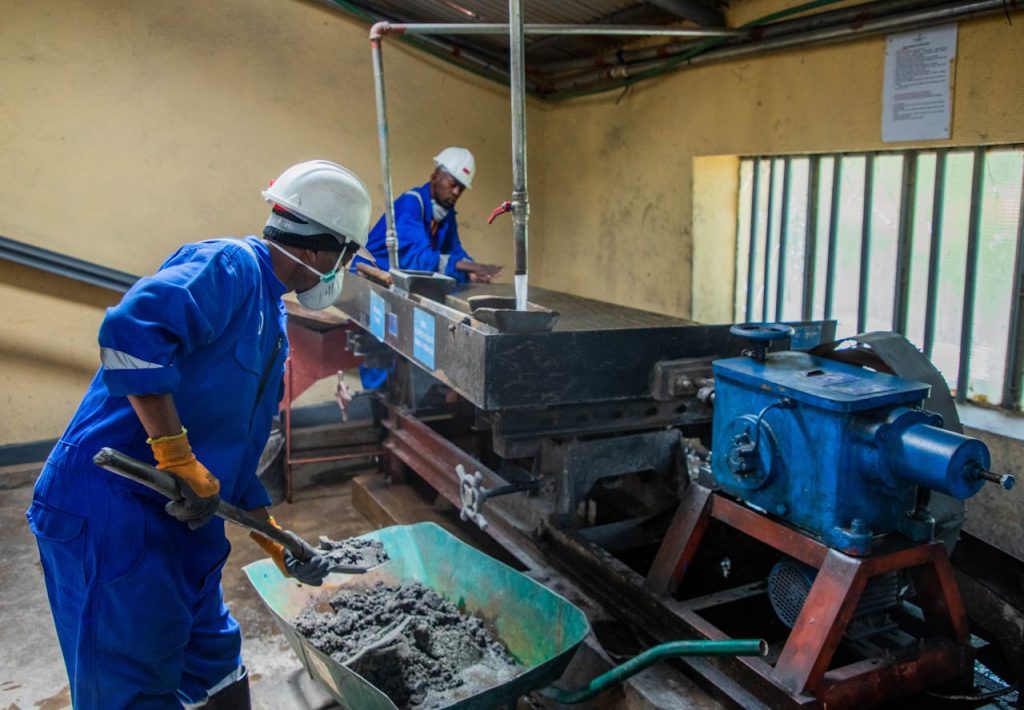
Before diving into the list, it helps to understand why Guinea’s economy creates specific advantages for low-capital startups right now. Guinea’s mining sector expansion, according to APIP Guinea’s investor resource library, has generated ripple effects across the entire service economy creating demand for transport, catering, digital services, translation, logistics support, and training that outpaces the supply of formal service providers. Where demand outpaces formal supply, entrepreneurs with skills and hustle consistently beat capitalized competitors who move slowly.
At the same time, mobile money penetration across Guinea is enabling payment collection, supplier payments, and basic financial management without a bank account lowering the operational barrier to starting a service or trading business significantly. According to WATRA’s Guinea telecoms overview, mobile money is now one of the most economically significant services in the Guinean market, creating an accessible infrastructure for transacting commercially that did not exist a decade ago.
With that foundation in place, here are ten businesses you can genuinely start in Guinea without money.
1. Mining Sector Logistics and Driver Services
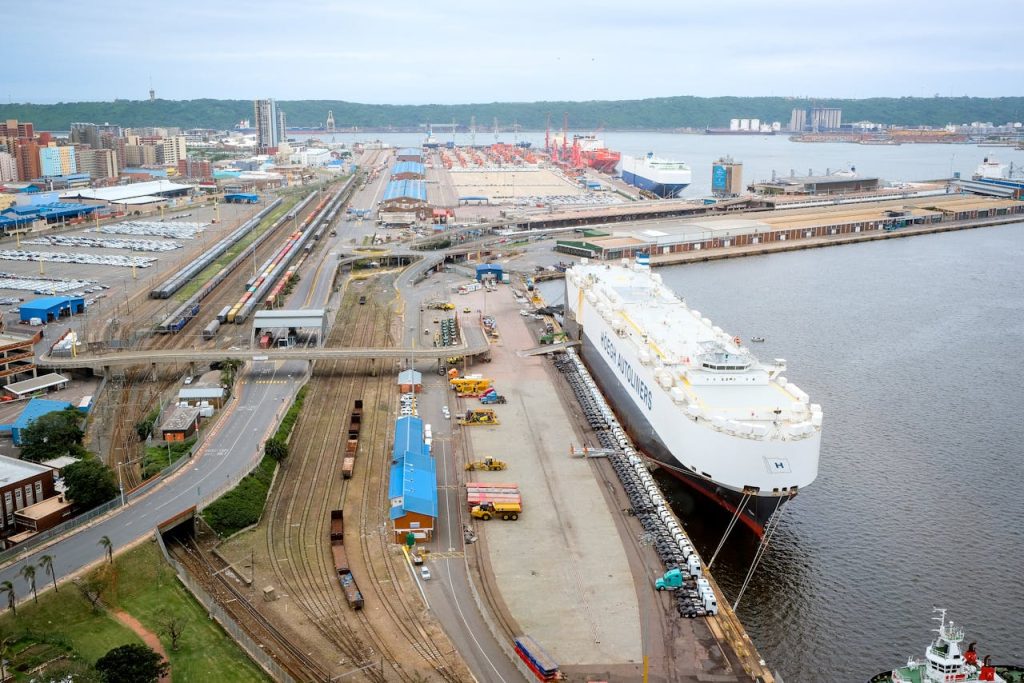
Guinea’s mining companies — SMB-Winning, Rio Tinto, SPIC, GAC, and dozens of subcontractors need reliable local drivers, logistics coordinators, and vehicle rental services constantly. You do not need to own a truck to start in this space. You start by offering coordination and dispatch services between fleet owners and mining company procurement teams, earning a commission per placement. As you build a track record and relationships, you can layer in your own vehicle or partner with an owner-operator.
The key is getting registered as a vendor with at least one mining company’s procurement department. Guinea’s major miners have formal local supplier registration processes designed to access exactly this kind of service, and local entrepreneurs who understand the terrain and speak Pular, Malinké, or Susu alongside French have a genuine advantage over outside vendors.
2. Mobile Money Agent and Financial Services Facilitation
Mobile money agent points are one of the most reliably profitable micro-businesses operating in Guinea’s urban and peri-urban markets. As an Orange Money or MTN Mobile Money agent, you earn commissions on deposits, withdrawals, and transfers processed through your point with startup typically requiring only a SIM registration, a float, and a signboard. The float can often be arranged on credit from the operator or through community savings groups.
According to TCADI’s 2026 analysis of Africa’s top small business opportunities, digital financial services facilitation is among the strongest performers across African markets in 2026 and Guinea’s still-low formal banking penetration means the addressable market for mobile money services is large and growing.
3. Agricultural Produce Trading and Market Brokering
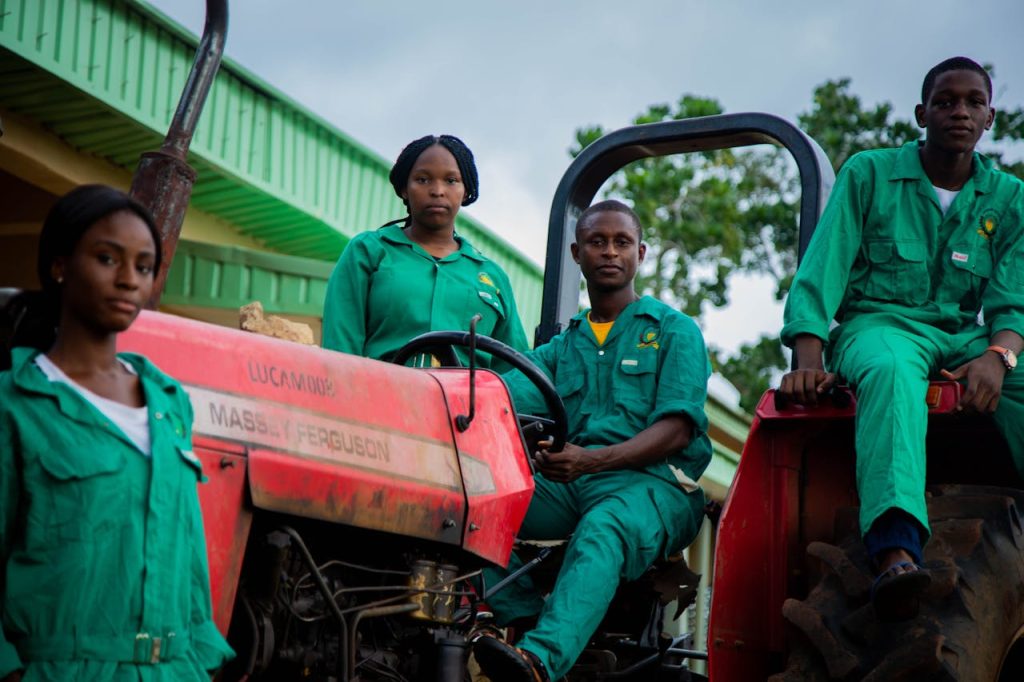
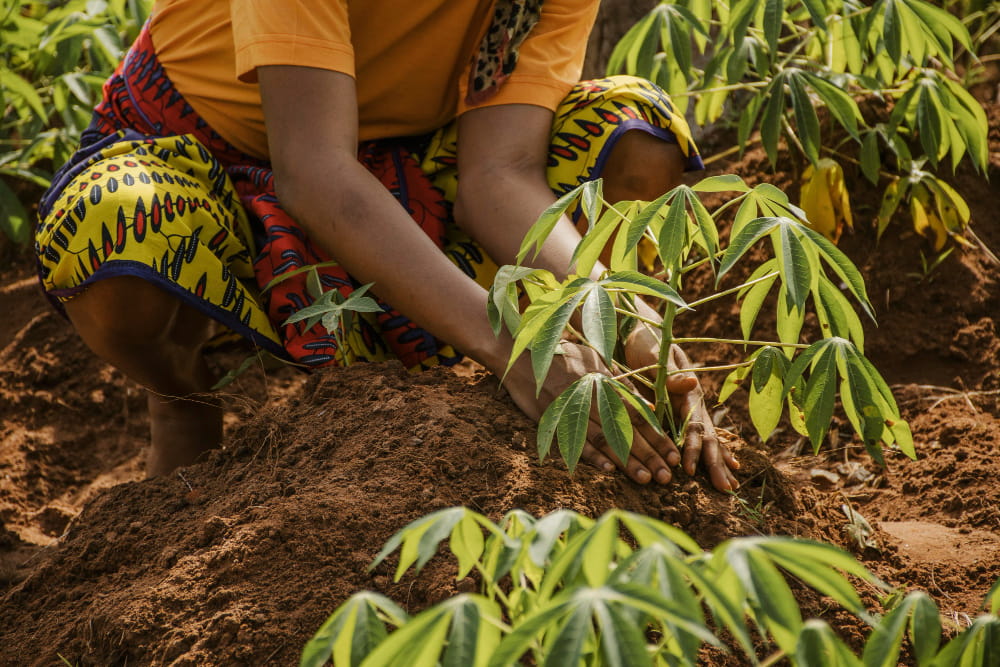
Guinea is one of West Africa’s most naturally productive agricultural zones, growing rice, cassava, plantain, vegetables, coffee, and tropical fruits across its diverse geographic regions. Yet market linkages between rural producers and urban buyers remain inefficient, with significant price gaps between farm gate and Conakry retail. A produce broker who connects farmers in Interior Guinea with buyers in Conakry markets earns a margin on each transaction with zero capital required beyond transport costs on the first few runs, which can often be shared with a trader.
This is a relationship-intensive business where trust with both farmers and buyers is the primary asset. The entrepreneurial advantage is inside knowledge: knowing which farmers have reliable supply, which buyers pay on time, and which routes and seasons offer the best margins. That knowledge is built through presence and relationships, not capital.
4. Translation, Interpretation, and Business Support Services
Guinea’s expanding mining and investment community requires constant translation between French, English, Mandarin, and Guinea’s major local languages Pular, Malinké, and Susu. Mining company meetings, government liaison visits, NGO fieldwork, and international investor due diligence all create steady demand for competent interpreters and translators who understand technical and business contexts.
Startup costs are genuinely zero for someone with the right language skills. Freelance interpretation can begin with a single client a mining company, an international NGO, or a development finance institution and build through word-of-mouth referrals. According to Forbes’ 2026 guide to low-cost business ideas, specialist service businesses built around niche expertise are among the most scalable low-capital ventures available today, and Guinean language expertise is a highly specific, difficult-to-replicate asset.
5. Catering and Meal Delivery for Corporate Clients
Mining company camps, construction sites, and corporate offices in Conakry all have consistent, daily food service requirements. Starting a catering operation targeting corporate clients requires cooking skills, reliable sourcing from local markets, and the logistical ability to deliver prepared meals at scale not a restaurant or commercial kitchen. Many successful catering businesses in Guinea’s mining regions started in a domestic kitchen and scaled through a series of contracts with camp managers or office administrators.
The business model is cashflow-friendly: corporate clients typically pay per meal or on a weekly contract basis, allowing the business to operate with minimal working capital once the first contract is signed.
6. Digital Marketing and Social Media Management for Local Businesses
Guinea’s formal private sector is expanding banking, retail, hospitality, professional services and the demand for social media management, website content, and basic digital marketing support is growing alongside it. Local businesses that have never previously invested in digital presence are beginning to understand that online visibility drives customers, but they lack the internal capacity to manage it.
Starting a digital marketing service requires a smartphone, social media accounts, and the ability to create consistent, relevant content. Beginning with one or two local business clients at a modest monthly retainer builds a portfolio that leads to referrals. The skill set is learnable, the tools are largely free, and the market in Guinea is genuinely underserved.
7. Tutoring and Educational Support Services
Guinea’s education system faces significant capacity pressures, and private tutoring for school-age children particularly in French, mathematics, and sciences has a strong, consistent market in Conakry and secondary cities. Parents with resources invest heavily in supplementary education for their children, and qualified tutors with a track record earn stable, recurring income without any physical infrastructure.
The same opportunity exists at the professional training level: English language coaching for Guinean professionals seeking to work with international mining or development organizations, and computer skills training for adults entering a digitizing job market.
8. Local Tour Guide and Cultural Experience Services
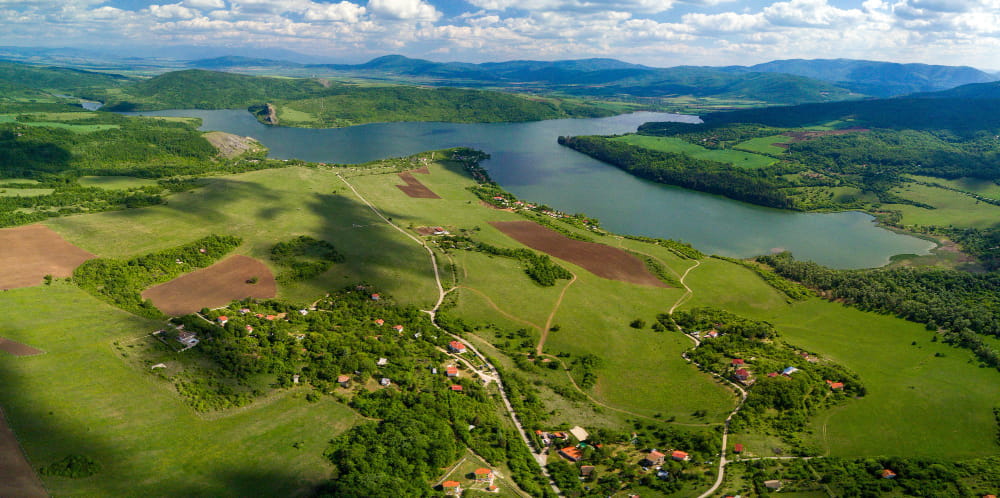
Guinea’s natural beauty the Fouta Djallon highlands, the Îles de Los, the Kindia waterfalls, and the biodiversity of the Forest Region is gaining recognition internationally as infrastructure improves and Conakry becomes more accessible. Tour guiding and cultural experience services for international visitors, mining executives, and diaspora travelers require deep local knowledge, reliability, and language skills not capital investment.
The diaspora market specifically is underserved: Guineans returning from France, the United States, and other diaspora destinations often want curated in-country experiences for themselves or family members, and a guide who understands both the local culture and international expectations is a high-value service provider in this context.
9. Waste Collection and Recycling Services
Conakry, like most rapidly growing West African capitals, faces significant urban waste management challenges. Plastic bottle and scrap metal collection, sorting, and resale to recycling depots or construction material merchants is a low-barrier entry point into what is essentially a commodities trading business, the commodity being waste material. More structured versions of this business involve contracting with residential or commercial buildings for regular waste collection at a monthly fee, providing a recurring revenue model that scales with the number of collection points served.
10. Freelance Business Documentation and Proposal Writing
Guinea’s business environment generates continuous demand for well-written business plans, project proposals, grant applications, and investor documentation particularly from SMEs and NGOs seeking financing from development banks, microfinance institutions, and international grant programs. Most small business owners have the ideas but lack the formal writing and presentation skills to translate them into fundable documents.
A freelance proposal and documentation writer who understands Guinea’s investment and finance landscape can charge per document, per project, or on retainer with no startup costs beyond the time required to build a first portfolio piece and a reputation for delivery.
Frequently Asked Questions
- Can I actually start a business in Guinea with no money? Yes, provided the business is service-based or skills-driven. Logistics coordination, interpretation, digital marketing, tutoring, and produce brokering all require human capital — knowledge, relationships, and reliability — rather than financial capital to get started.
- Which of these businesses has the highest earning potential in Guinea? Mining sector logistics and corporate catering offer the highest near-term earning potential because corporate clients pay at scale and on contract. Translation and digital marketing scale well over time as referral networks build.
- How do mobile money services help entrepreneurs start businesses with no capital? Mobile money enables entrepreneurs to receive payments, pay suppliers, and manage cash flows without a bank account — removing a major operational barrier that previously made it difficult to operate a formal business at small scale in Guinea.
- Do I need to be formally registered to operate these businesses in Guinea? Formal business registration through APIP’s One Stop Shop is advisable once a business is generating consistent income, both for legal compliance and for accessing corporate clients who require formal vendor registration. Initial operations can begin informally while registration is processed.
- How can Yes! Invest Guinea support entrepreneurs and small business starters? Yes! Invest Guinea connects entrepreneurs with guidance on business registration, sector-specific market intelligence, and introductions to corporate procurement teams, development finance institutions, and training programs relevant to their business model.
Start Your Business in Guinea With What You Already Have
The ten businesses on this list share one characteristic: they are built on knowledge, relationships, and consistent execution — not capital. Guinea’s economy in 2026 has more demand for skilled, reliable, locally embedded service providers than it has supply. That gap is the opportunity, and the only investment required to step into it is your time and expertise.
Connect with Yes! Invest Guinea to explore the business landscape, get guidance on registration and compliance, and position yourself to grow in one of West Africa’s fastest-moving economies.