The global energy transition is no longer a distant goal; it is an immediate industrial requirement. In the heart of West Africa, the Republic of Guinea is emerging as a critical linchpin in this transformation. Historically recognized as the “Water Tower of West Africa,” Guinea is now leveraging its vast hydrological and solar resources to achieve energy sovereignty. In 2026, Guinea’s Energy Sector has become the primary target for institutional investors looking for high-yield, sustainable, and scalable infrastructure projects.
At Yes! Invest Guinea, we are seeing an unprecedented surge in capital allocation toward power generation. As the nation accelerates its “Simandou 2040” industrial vision, the demand for stable, green energy has moved from a luxury to a fundamental necessity. This article explores the strategic drivers making Guinea’s power landscape the most attractive investment frontier in the region.
1. The Hydropower Powerhouse: Tapping into the “Water Tower”
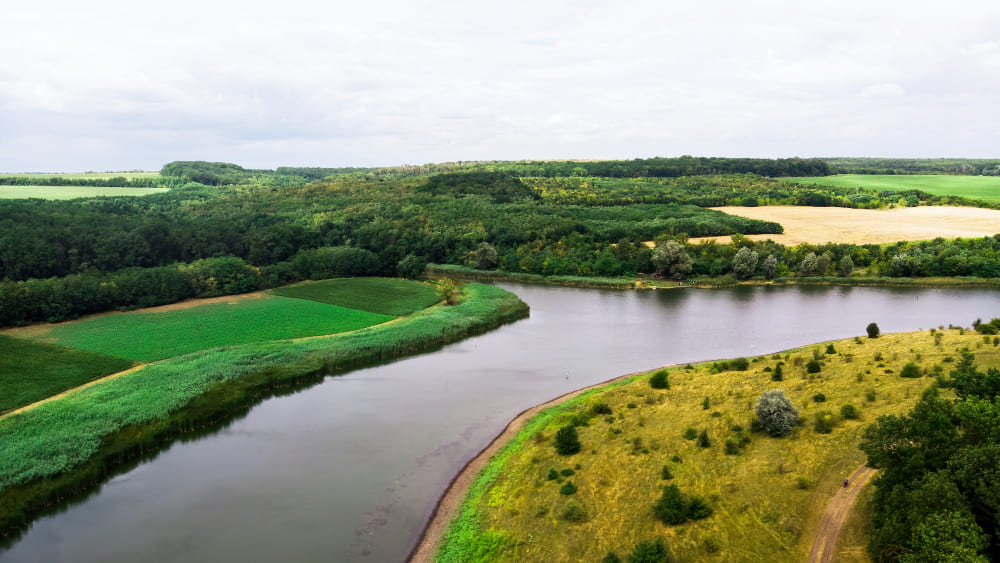
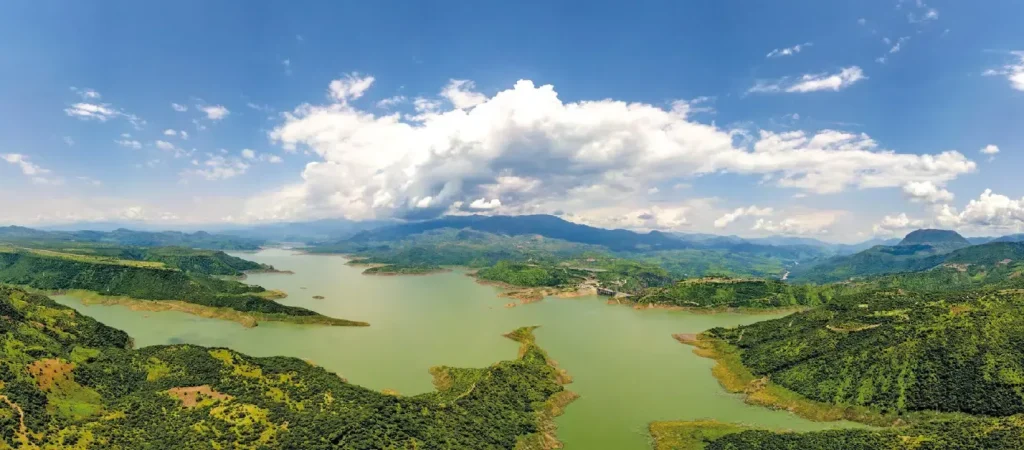
Guinea’s geographic endowment is its greatest energy asset. With a network of over 1,300 rivers and several major basins, the nation possesses an estimated hydroelectric potential of over 6,000 MW.
Mega-Dams and Regional Export
Flagship projects like the Souapiti and Kaléta dams are already operational, providing the base load needed for Guinea’s massive bauxite and alumina refineries. However, the opportunity for 2026 lies in the expansion of the West African Power Pool (WAPP). Guinea is strategically positioned to be the primary energy exporter for the Mano River Union and beyond, allowing investors to tap into a regional market of over 300 million people.
Run-of-River Projects
Beyond mega-dams, there is significant potential for small to medium-scale run-of-river projects. These require less capital expenditure and have a lower environmental footprint, making them ideal for private equity firms focusing on Infrastructure Development Guinea.
2. Solar and Hybridization: Diversifying the Grid
While water is abundant, Guinea is also aggressively diversifying its energy mix to ensure stability during the dry season and to meet the needs of decentralized industries.
Utility-Scale Solar Parks
Guinea’s northern regions receive high levels of solar irradiation, making them perfect for utility-scale solar PV installations. In 2026, the government has introduced streamlined Legal and Regulatory Compliance pathways for solar developers, including guaranteed grid-access and long-term Power Purchase Agreements (PPAs).
The Rise of Industrial Microgrids
For mining sites and Agro-Processing units located far from the national grid, Microgrid Systems have become the gold standard. By combining solar arrays with advanced battery storage and smart sensors (IoT), these decentralized systems provide 24/7 reliability. Investors providing “Energy-as-a-Service” (EaaS) models are seeing exceptional returns in these niche markets.
3. Powering the Industrial Boom: Simandou and Beyond
The massive growth in Guinea’s mining and manufacturing sectors is the primary driver of energy demand.
Decarbonizing the Mining Sector
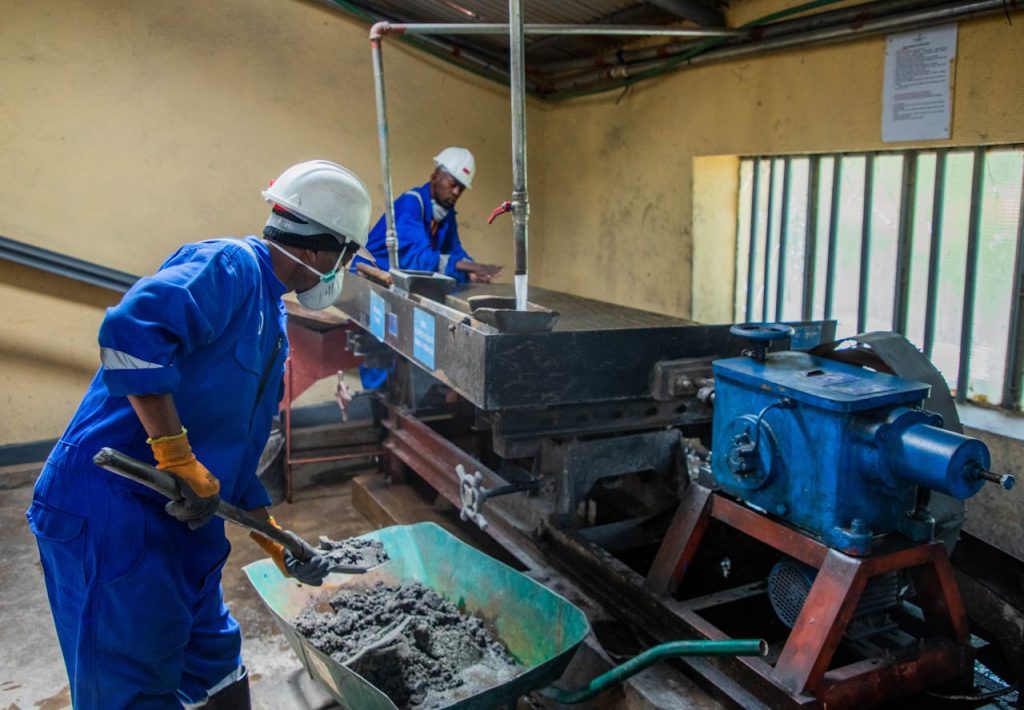
The world’s largest high-grade iron ore project, Simandou, requires immense amounts of power. Global steel manufacturers are demanding “Green Steel,” which can only be produced using renewable energy. This creates a mandatory market for renewable energy providers who can integrate their solutions into the Mining Opportunities in Guinea corridor.
Smart Grids and Digital Infrastructure
With the expansion of the national 12,000 km fiber-optic backbone, Guinea is now ready for Smart Grid technology. Utilizing IoT Guinea applications for peak-load management and energy distribution is a wide-open field for tech-focused energy investors.
4. The 2026 Investment Climate: Incentives and Security
Investing in Guinea’s energy sector is supported by a robust legal framework that prioritizes investor protection.
OHADA and Legal Stability
Guinea operates under the OHADA Law framework, providing international investors with a transparent and standardized legal environment. This ensures that long-term energy concessions and commercial contracts are enforceable and protected by international arbitration.
Fiscal Incentives for Green Energy
Under the 2026 Investment Code, energy projects benefit from:
- Tax Holidays: Up to 10 years of corporate tax exemptions for renewable energy infrastructure.
- Customs Duty Waivers: 0% VAT and duties on imported turbines, solar panels, and smart meters.
- Profit Repatriation: Guaranteed rights to transfer dividends and capital in foreign currency.
5. Frequently Asked Questions (FAQ)
- What is the current electrification rate in Guinea?
While urban centers have seen significant improvements, the national average is rising rapidly toward 50% in 2026. The government’s goal is universal access by 2030, creating a massive gap for private investment to fill.
- Can foreign investors sell power directly to industrial mines?
Yes. The current regulatory framework allows for independent power producers (IPPs) to sign direct Power Purchase Agreements (PPAs) with mining and industrial firms, bypassing the national utility if necessary.
- What role does Guinea play in the West African energy market?
Guinea is a key member of the West African Power Pool (WAPP). It is increasingly becoming a regional exporter of clean hydroelectric energy to neighboring countries like Mali, Senegal, and Liberia.
- Are there incentives for small-scale renewable projects?
Yes. The 2026 code includes specialized incentives for decentralized Microgrid Systems and rural electrification projects, often supported by international development grants.
- How does Yes! Invest Guinea facilitate energy investments?
We provide the “Institutional Concierge” service, assisting with site acquisition, regulatory permits, environmental impact assessments, and International Recruitment for technical teams.
Conclusion: Lighting the Path to Prosperity
Guinea’s Energy Sector in 2026 is at a historic crossroads. The convergence of natural resource wealth, industrial demand, and a stable legal environment has created a “perfect storm” for energy investors. By providing the power that drives Guinea’s mines, factories, and cities, you are not just investing in a utility; you are investing in the foundation of a modern African nation.
The future of Guinea is bright, and it is powered by renewable energy. Secure your stake in the “Water Tower of West Africa” today.
Partner with Yes! Invest Guinea
At Yes! Invest Guinea, we help you navigate the complexities of energy infrastructure. From market entry strategy to grid-connection permits, our team ensures your project is powered for success.
Contact our Energy Investment Desk today to explore current PPA opportunities and site concessions.