The global energy landscape is undergoing a radical shift toward decentralization, and the Republic of Guinea is positioned at the forefront of this transformation. As the nation pushes toward its “Simandou 2040” industrial vision, the traditional centralized power grid is being augmented by a more resilient, flexible, and efficient model: Microgrid Systems in Guinea. These decentralized energy solutions are not merely a technical alternative; they are the essential infrastructure required to power remote mining operations, rural agribusiness hubs, and modern urban districts with 100% reliability.
At Yes! Invest Guinea, we view the deployment of microgrids as a primary driver of economic sovereignty. By localizing energy generation and storage, Guinea is reducing its dependence on long-range transmission lines and creating a “plug-and-play” energy environment that attracts high-value industrial investment. This article explores the technical, economic, and strategic benefits of the microgrid revolution in 2026.
The Strategic Necessity of Decentralized Energy
For an emerging economy, the “Single Point of Failure” inherent in centralized grids is a significant risk. Microgrids mitigate this risk by operating as autonomous energy islands.
1. Resilience for Industrial and Mining Hubs
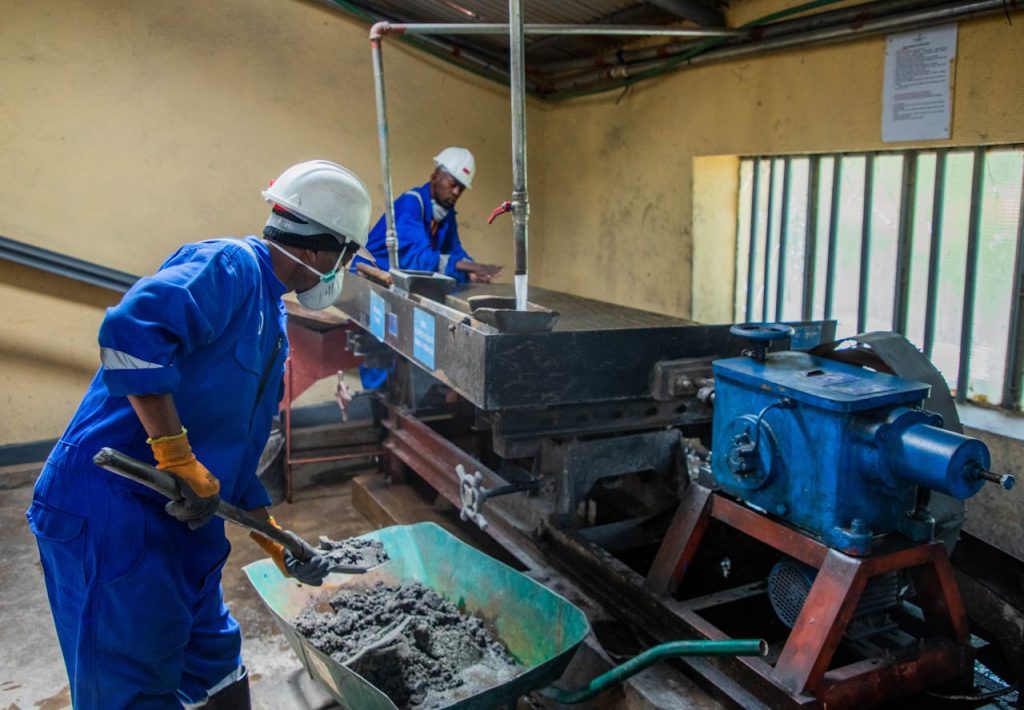
In Guinea’s mineral-rich interior, the cost of extending the national high-voltage grid can be prohibitive. Microgrids provide an immediate solution for Bismuth Mining or Antimony Exploration projects. By integrating onsite solar, wind, or small-scale hydro with advanced battery storage, these industrial sites can maintain 24/7 operations regardless of the status of the national backbone.
2. Powering the “Value-Added” Agricultural Revolution
As Guinea transitions toward Nut Processing Units and specialized Floriculture Exports, the need for localized, stable power is critical. A microgrid allows an agribusiness hub to manage its own “Load Balancing,” ensuring that cold-storage facilities and processing lines receive priority power during peak demand, effectively shielding the business from regional fluctuations.
Technical Frontiers: The Architecture of a Modern Microgrid
A 2026 microgrid is far more than a simple generator and a battery. It is a sophisticated, AI-driven ecosystem that optimizes energy flow in real-time.
1. Hybrid Energy Generation
Modern Microgrid Systems in Guinea utilize a hybrid approach. This often combines the nation’s abundant solar irradiation with its world-class hydroelectric potential. By leveraging Smart Meter Installation, these systems can automatically switch between energy sources based on availability and cost, ensuring the lowest possible Levelized Cost of Energy (LCOE).
2. Advanced Energy Storage Systems (BESS)
The heart of the microgrid is the Battery Energy Storage System (BESS). In 2026, we are seeing the introduction of long-duration storage technologies, such as vanadium redox flow batteries and liquid-metal systems. These allow microgrids to store excess energy generated during the day for use throughout the night, providing a consistent “baseload” profile that was previously only possible with fossil fuels.
3. The Digital Layer: AI and Edge Computing
To manage the complexity of multiple energy sources and varying loads, Guinean microgrids are increasingly utilizingBig Data Analytics. Edge computing allows the system to make split-second decisions such as shedding non-critical loads during a temporary cloud cover without needing to communicate with a distant central server. This “Digital Sovereignty” is a hallmark of the Innovative Tech in Guinea sector.
Economic Benefits and Investor Incentives
The government of Guinea has identified decentralized energy as a key sector for Public-Private Partnerships (PPPs) and direct foreign investment.
- Fiscal Incentives: Under the 2026 Investment Code, developers of renewable microgrids are eligible for 100% duty-free importation of specialized equipment, including PV panels, inverters, and BESS components.
- Carbon Credit Revenue: By replacing diesel generators with renewable microgrids, projects in Guinea are highly eligible for international carbon credits. This provides a secondary, high-value revenue stream that significantly improves the project’s Internal Rate of Return (IRR).
- Energy as a Service (EaaS): Investors are moving toward the EaaS model, where they own and maintain the microgrid and sell the power to industrial off-takers via long-term Power Purchase Agreements (PPAs). This model, supported by OHADA Legal Standards, provides a stable, bankable cash flow for decades.
- International Support: Organizations like the International Renewable Energy Agency (IRENA) are actively supporting the deployment of decentralized grids in Africa as a primary tool for achieving universal energy access.
Roadmap for Microgrid Implementation
- Feasibility and Resource Assessment: Using satellite data and ground sensors to map the solar, wind, and hydro potential of a specific site.
- Regulatory Navigation: Securing the necessary generation and distribution licenses. At Yes! Invest Guinea, we act as your Institutional Liaison, ensuring your project aligns with the National Rural Electrification Agency (AGER) standards.
- Infrastructure Integration: Designing the system to be “Grid-Interactive,” meaning it can operate independently but also sell excess power back to the national grid when capacity allows.
- Operational Excellence: Implementing a remote monitoring strategy using Cloud Computing to ensure maximum uptime and predictive maintenance.
FAQ: Microgrid Systems in Guinea
- What exactly is a microgrid?
A microgrid is a localized group of electricity sources and loads that normally operates connected to and synchronous with the traditional centralized electrical grid, but can also disconnect and function autonomously as an “island” as physical or economic conditions dictate.
- Why are microgrids better than traditional grid expansion for Guinea?
Microgrids can be deployed much faster and at a lower cost in remote areas. They also offer higher reliability for industrial users who cannot afford the downtime associated with centralized grid outages.
- What is the typical ROI for an industrial microgrid project?
While variables differ, industrial microgrids in Guinea typically see an ROI within 5 to 7 years, driven by the avoidance of expensive diesel fuel costs and the benefits of fiscal incentives.
- Can microgrids support heavy mining operations?
Absolutely. Modern microgrids are being designed specifically for the heavy inductive loads of mining machinery, utilizing a combination of high-capacity batteries and “firming” power sources to ensure stability.
- How can Yes! Invest Guinea facilitate my energy project?
We serve as your “Institutional Concierge.” We help you navigate the bidding process, connect with industrial off-takers, and facilitate the tax-exempt registration of your energy asset.
Conclusion: Empowering the Future of Guinea
Microgrid Systems in Guinea represent the democratization of power. By shifting toward decentralized energy solutions, we are removing the logistical and financial bottlenecks that have historically slowed industrial growth. For the investor, this is more than an infrastructure play; it is an opportunity to own a piece of the foundational technology that will power Guinea’s 21st-century economy.
The future of energy is local, digital, and green. Join us in building a more resilient Guinea.
Secure Your Energy Future with Yes! Invest Guinea
At Yes! Invest Guinea, we turn energy blueprints into industrial reality. From market entry to the technical coordination of national-scale deployment, our team provides the local intelligence and institutional access you need to thrive.
Contact Yes! Invest Guinea today to receive our 2026 Renewable Energy & Microgrid Prospectus.