The global race for critical minerals has reached a fever pitch in 2026. As the world transitions toward a high-tech, electrified economy, the focus of the mining industry is expanding beyond bulk commodities into the realm of specialty metals. Antimony Deposits in Guinea represent one of the most promising, yet under-explored, frontiers in West Africa. Known for its hardness and resistance to heat, antimony is a “silent enabler” of modern technology, making its discovery and extraction a top priority for strategic investors.
At Yes! Invest Guinea, we are witnessing a fundamental shift in the nation’s mineral narrative. While Guinea has established itself as a global leader in bauxite and iron ore, the underlying geological complexity of the region suggests a vast, untapped potential for specialty minerals. By exploring the potential of antimony, Guinea is positioning itself as a critical node in the global supply chain for advanced electronics, flame retardants, and next-generation battery technologies.
The Strategic Importance of Antimony in 2026
Antimony (Sb) is increasingly classified by global economies as a “Critical Raw Material.” Its unique chemical properties make it irreplaceable in several high-growth industries.
1. The Clean Energy and Battery Revolution
One of the most exciting developments in 2026 is the role of antimony in liquid-metal batteries for grid-scale energy storage. Unlike lithium-ion, these batteries are highly durable and better suited for storing energy from intermittent renewable sources like solar and wind. Furthermore, antimony is used as a clarifying agent in specialized glass for high-performance solar panels, directly supporting the global push for Energy Efficiency.
2. Defense and High-Tech Applications
Antimony is a vital component in the production of infrared sensors, night-vision goggles, and various hardening alloys used in aerospace and defense. As nations seek to diversify their mineral sourcing away from traditional monopolies, Guinea’s unexploited specialty minerals exploration sector offers a strategic alternative for securing these vital supply lines.
Geological Prospectivity: Why Explore in Guinea?
Guinea sits atop some of the most ancient and mineral-rich rock formations in Africa. Historically, exploration has been “distracted” by the sheer scale of the country’s bauxite and gold wealth, leaving specialty metals like antimony largely overlooked.
1. The Birimian and Archean Belts
The geological belts that traverse Guinea are part of the same formations that host world-class mineral deposits across West Africa. These Birimian greenstone belts are known for hosting diverse mineralization, including stibnite (the primary ore of antimony). Modern Big Data Analytics and high-resolution geophysical surveys are now allowing explorers to peer through the regolith to identify the structural traps where antimony deposits are likely to occur.
2. Synergies with Gold Exploration
In many geological settings, antimony occurs in association with gold. Given Guinea’s established gold mining sector, there is a significant opportunity for “multi-commodity” exploration. Re-evaluating existing gold concessions for antimony content can provide a low-cost pathway to identifying commercial-grade deposits, effectively turning a single-asset mine into a diversified mineral project.
Leveraging Guinea’s Infrastructure Boom
The primary barrier to specialty mineral development in remote regions has historically been logistics. However, Guinea’s 2026 infrastructure landscape has changed the calculation for junior explorers and institutional miners.
- The Trans-Guinean Railway: This massive project is creating a multi-user transport spine that connects the mineral-rich interior to the coast. While built for iron ore, its “shared-use” mandate allows specialty mineral projects to move high-value concentrates to port with unprecedented efficiency.
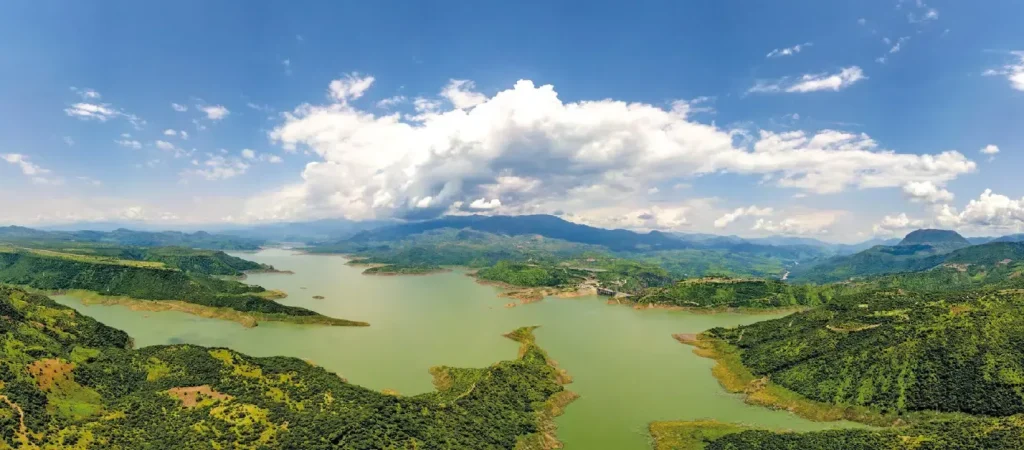
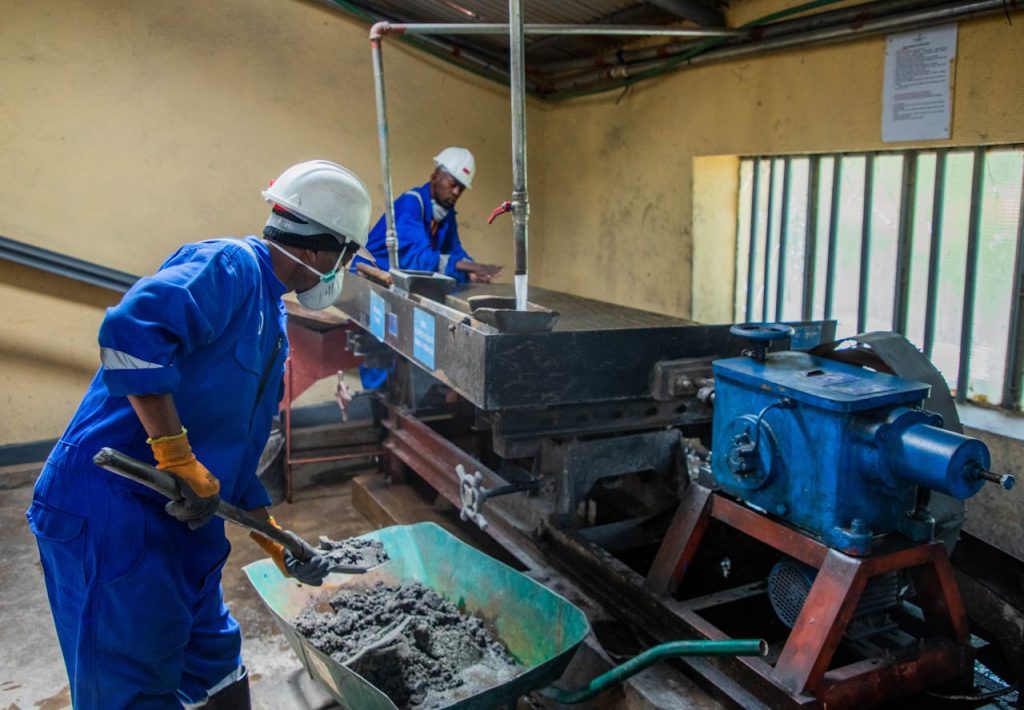
- Hydroelectric Power Surplus: With projects like Souapiti and Kaleta providing a stable energy foundation, the cost of running processing and beneficiation plants in Guinea has dropped significantly. This energy sovereignty is a major competitive advantage for the energy-intensive stages of mineral refinement.
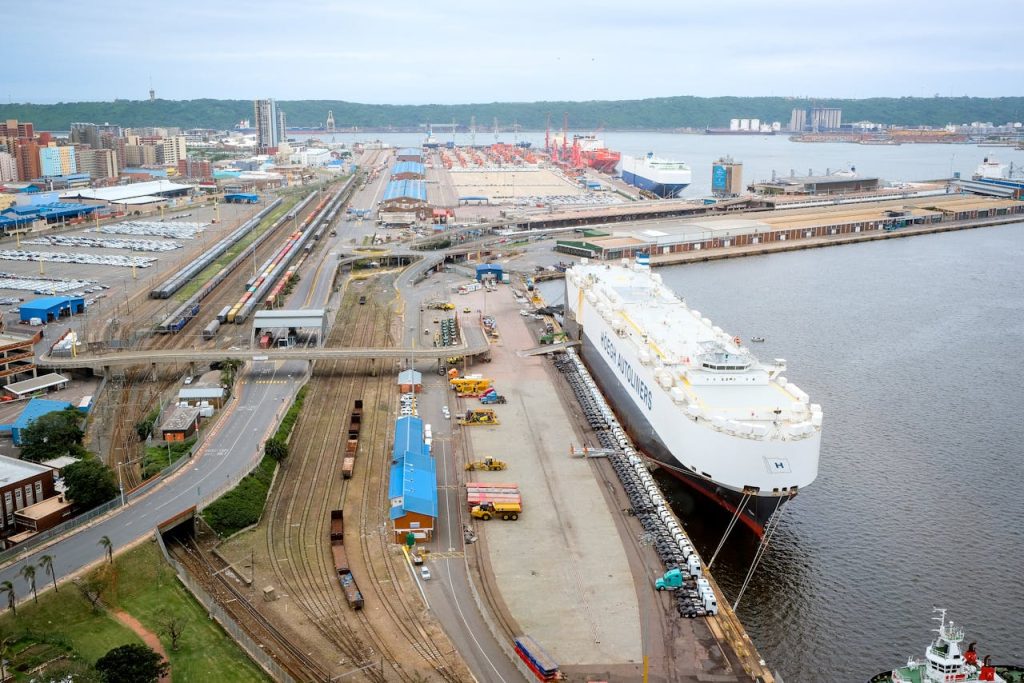
- Deep-Water Access: Modernized ports at Morebaya and Kamsar ensure that Guinean minerals have a direct, high-capacity gateway to the European, American, and Asian markets.
Regulatory Framework and Investor Protections
Guinea has modernized its investment climate to ensure that specialty minerals exploration is both profitable and legally secure.
1. OHADA Legal Standards
Guinea operates under the OHADA legal framework, which provides international investors with a transparent and predictable business environment. This ensures that mineral titles, contracts, and property rights are enforceable and aligned with international arbitration standards.
2. Fiscal Incentives for Exploration
The government is proactively courting junior miners to diversify the national mineral portfolio. Incentives include:
- Customs Exemptions: 100% duty-free importation of specialized exploration and laboratory equipment.
- Tax Holidays: Extended exemptions for the exploration phase to encourage deep geological research.
- Institutional Support: Yes! Invest Guinea acts as your Government and Institutional Liaison, helping you navigate the permitting process and ensuring your project receives “Strategic Project” status.
Roadmap for Antimony Exploration in Guinea
- Desk-Based Targeting: Utilizing national geological archives and AI-driven predictive modeling to identify high-potential stibnite signatures within the Birimian belts.
- Field Mapping and Sampling: Executing localized geochemical soil sampling and trenching to validate surface anomalies.
- Drilling and Resource Definition: Leveraging the country’s growing pool of local technical talent and international drilling contractors to define the grade and tonnage of the deposit.
- Feasibility and ESG: Designing a project that meets global ESG standards, ensuring that the mine benefits local communities and adheres to the highest environmental protections.
FAQ: Antimony Deposits in Guinea
- Is there currently active antimony mining in Guinea?
While bauxite and gold dominate current production, antimony is recognized as a high-potential specialty mineral. Most current activity is in the early exploration and geological reassessment phase, offering a “first-mover” advantage.
- What are the primary uses of antimony today?
Antimony is used in flame retardants, lead-acid batteries, solar glass, and as a critical component in liquid-metal batteries for grid energy storage.
- How does the Trans-Guinean Railway benefit specialty miners?
It provides a cost-effective way to transport mineral concentrates from the interior to deep-water ports, making previously “stranded” deposits commercially viable.
- Are there environmental regulations for antimony mining?
Yes. All mining projects in Guinea must undergo a rigorous Environmental and Social Impact Assessment (ESIA) to ensure they meet both national laws and international ESG standards.
- How can Yes! Invest Guinea assist my exploration firm?
We provide the local intelligence, regulatory guidance, and institutional access needed to secure concessions and move projects from exploration to production efficiently.
Conclusion: Securing the Specialty Mineral Frontier
The exploration of Antimony Deposits in Guinea represents the next chapter in the nation’s industrial evolution. By moving beyond bulk commodities, Guinea is inviting a new wave of high-tech mining investment that will define the global supply chains of the future. The geological potential is vast, the infrastructure is ready, and the regulatory environment is welcoming.
For the visionary investor, the opportunity in 2026 is clear: to be among the first to unlock the specialty minerals that will power the 21st century.
Partner for Mining Success with Yes! Invest Guinea
At Yes! Invest Guinea, we turn geological potential into industrial reality. From the first exploration permit to the definition of a mineral resource, our team provides the local intelligence and institutional access you need to thrive.