The global energy transition has placed an unprecedented premium on base metals, with copper standing at the forefront of this industrial shift. As the world moves toward 2027, the demand for high-conductivity metals to power electric vehicles (EVs), renewable energy grids, and advanced electronics has created a supply gap that traditional mining hubs are struggling to fill. In this landscape, Copper Deposits Guinea have emerged as one of the most compelling narratives in the African mining sector. Known globally as a bauxite and iron ore powerhouse, the Republic of Guinea is now revealing its potential as a critical supplier of the “red metal.”
For institutional investors, junior exploration firms, and global smelting conglomerates, Copper Deposits in Guinea: Emerging Mining Sector represents a ground-floor opportunity. With the government’s commitment to diversifying its mineral portfolio and the recent discovery of significant porphyry and sedimentary-hosted copper anomalies, Guinea is positioned to become a vital link in the global green energy supply chain. At Yes! Invest Guinea, we are facilitating the entry of world-class operators into this high-prospectivity domain.
The Copper Super-Cycle: Why Guinea is Essential
The “Copper Super-Cycle” is driven by the global mandate to decarbonize. Copper is irreplaceable in wind turbines, solar inverters, and EV charging infrastructure.
1. Global Supply Diversification
Current copper production is heavily concentrated in a few South American nations facing declining ore grades and water scarcity challenges. Guinea offers a fresh geological frontier with “Greenfield” potential. According to the International Copper Study Group (ICSG), identifying new, high-grade copper jurisdictions is a global priority to meet the 2030 net-zero targets.
2. High-Grade Geological Indicators
Guinea’s Proterozoic belts and Birimian formations, which have historically yielded world-class gold and iron deposits, are now showing strong geochemical signatures for copper-gold and copper-cobalt mineralizations. Investing in Copper Deposits Guinea today allows exploration firms to secure large-scale concessions before the sector reaches the congestion seen in more mature markets.
Strategic Opportunities in Guinea’s Copper Sector
The emergence of the copper sector in Guinea is supported by massive infrastructure projects that were originally designed for iron ore but are now benefiting the entire mining ecosystem.
1. Synergies with the Trans-Guinean Infrastructure
One of the biggest hurdles for base metal mining is logistics.
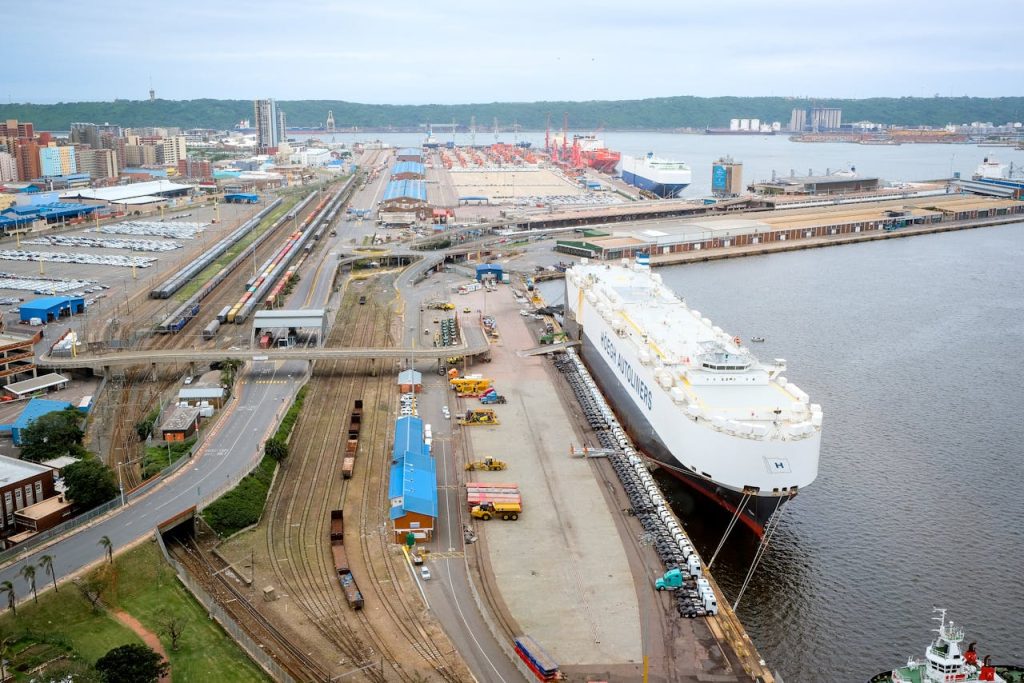
- The Advantage: The Simandou infrastructure project, including the 600km Trans-Guinean railway and the deep-water port at Morebaya, provides a ready-made export corridor.
- The ROI: Copper projects located within reach of this rail line can significantly reduce their Capital Expenditure (CAPEX) on logistics, moving concentrate to global markets at competitive costs.
2. Exploration in the Northern and Forest Regions
Recent airborne geophysical surveys have highlighted “sweet spots” for copper exploration in the northern regions near the border with Mali and the southeastern forest zones.
- The Opportunity: Utilizing AI-driven exploration technology to map sub-surface anomalies.
- The Growth: These areas are increasingly seen as extensions of the prolific West African base metal belts, offering high-reward potential for early-stage investors.
The 2026 Regulatory Landscape: A Pro-Mining Environment
The Republic of Guinea has modernized its regulatory framework to ensure that Copper Deposits Guinea are developed with transparency, speed, and fiscal efficiency.
1. The Mining Code and Value Addition
The Guinean government encourages the transition from raw ore export to local processing.
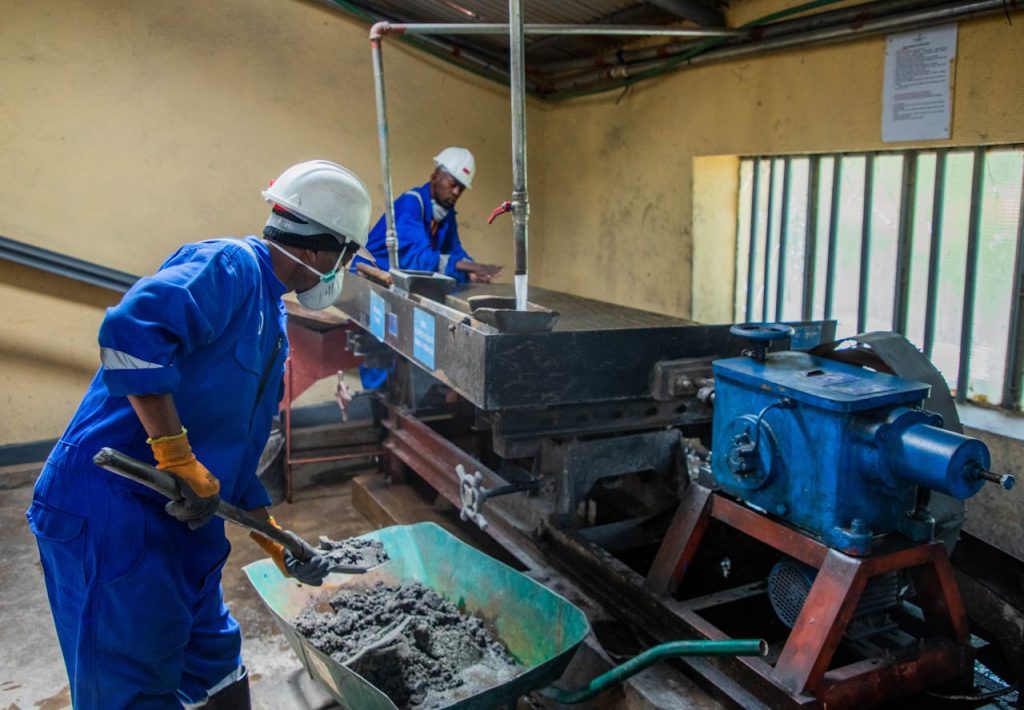
- Fiscal Incentives: Companies that commit to local beneficiation such as producing copper concentrate or cathodes are eligible for extended tax holidays and reduced royalty rates.
- Customs Waivers: 100% duty-free importation of exploration equipment, drilling rigs, and specialized laboratory hardware.
2. ESG and Sustainable Mining Standards
In 2026, the “Social License to Operate” is non-negotiable. Guinea’s mining laws are aligned with the Extractive Industries Transparency Initiative (EITI) standards. Investors who prioritize community engagement and renewable energy integration into their mine sites are granted “Priority Investment” status, streamlining the permitting process through the Invest in Guinea portal.
3. Legal Security through OHADA
Guinea is a member of the OHADA framework, ensuring that mining concessions, joint-venture agreements, and commercial disputes are handled under a transparent and internationally recognized legal system. This provides the institutional security required for large-scale, long-term capital deployment in the Emerging Mining Sector.
Roadmap for Successful Copper Exploration in Guinea
Entering a new mining jurisdiction requires a blend of geological expertise and local institutional knowledge.
- Data Acquisition and Analysis: Accessing the national geological database to identify high-potential concessions. Yes! Invest Guinea acts as a bridge for investors to access these records.
- Securing Exploration Permits: Navigating the digital mining cadastre to ensure overlapping claims are avoided and licenses are secured rapidly.
- Community and Local Content Integration: Implementing SME and Local Content programs early in the exploration phase to build local support and secure a future workforce.
- Strategic Off-take Agreements: Connecting with global technology firms and refiners looking for ethically sourced, high-grade copper.
FAQ: Copper Deposits Guinea
- Is copper as abundant as bauxite in Guinea?
While bauxite is more widely distributed, copper is found in concentrated, high-value geological anomalies. The current data suggests that Guinea has the potential to host several mid-to-large-scale copper-gold projects.
- What is the typical duration for securing a mining license?
Under the “One-Stop Shop” investment model, the government has significantly reduced the administrative time for permit approval, provided that the Environmental and Social Impact Assessment (ESIA) meets national standards.
- Are there enough power resources for copper smelting?
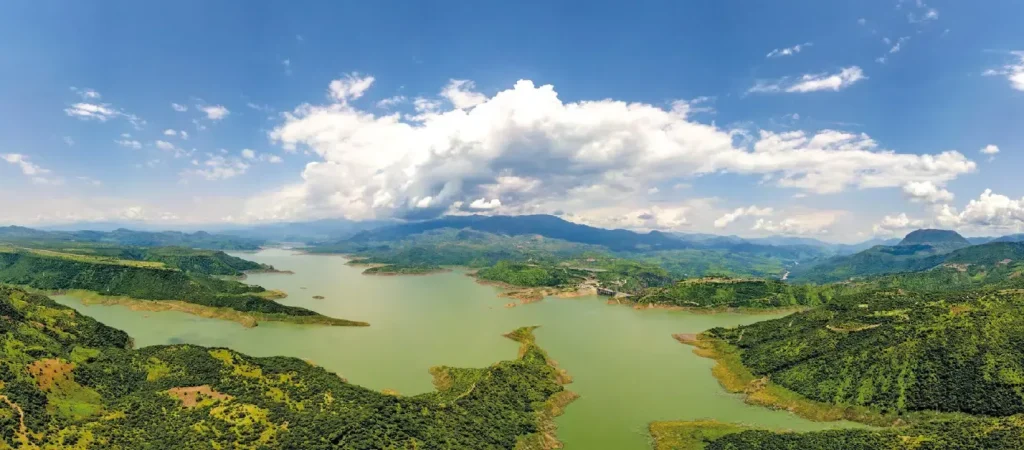
Yes. Guinea’s massive hydroelectric surplus from projects like Souapiti and Kaleta provides the consistent, low-cost green energy required for energy-intensive smelting and refining operations.
- Can junior mining companies find success in Guinea?
Absolutely. The government actively encourages “Junior” explorers to identify deposits, offering flexible terms and the possibility of partnering with larger firms for the development phase.
- How can Yes! Invest Guinea assist my copper project?
Yes! Invest Guinea provides end-to-end support, including land identification, Legal and Regulatory Assistance, and facilitation of Government and Institutional Liaison to ensure your project receives the incentives it deserves.
Conclusion: Pioneering the Red Metal Revolution
Guinea is on the cusp of a base metal boom. Copper Deposits in Guinea: Emerging Mining Sector offers a rare intersection of high geological prospectivity and a stable, pro-investment climate. As the world demands more copper for a sustainable future, Guinea is ready to step up as a primary producer.
The opportunity to secure a stake in Guinea’s copper future is now. The explorers who plant their flags today will be the leaders of the most strategic mining sector of the 2030s.
Secure Your Future with Yes! Invest Guinea
At Yes! Invest Guinea, we turn geological potential into industrial success. From the first geophysical survey to the first shipment of concentrate, our team is your strategic partner on the ground.
Contact Yes! Invest Guinea today to receive our 2026 Base Metals & Copper Exploration Report.