The global financial architecture is undergoing a rapid decentralized revolution, and in 2026, the Republic of Guinea has emerged as a surprisingly fertile ground for this transition. While the nation is traditionally known for its vast mineral wealth, a new digital asset class is taking center stage: Blockchain Businesses. As the government moves to digitize its economy and improve transparency in its primary sectors, Tech Investments in Guinea are pivoting toward distributed ledger technology (DLT) to solve long-standing challenges in logistics, finance, and resource management.
For venture capitalists, fintech founders, and infrastructure developers, the Guinean tech ecosystem represents a high-alpha opportunity. With a youthful, mobile-first population and a regulatory environment that is increasingly “tech-forward,” Guinea is no longer just a destination for mining it is a laboratory for the future of African digital sovereignty.
The Digital Leapfrog: Why Blockchain in Guinea?
In 2026, Guinea is bypassing legacy centralized systems in favor of decentralized solutions. This “leapfrogging” is driven by three core pillars: transparency, efficiency, and financial inclusion.
1. Transparency in Natural Resources
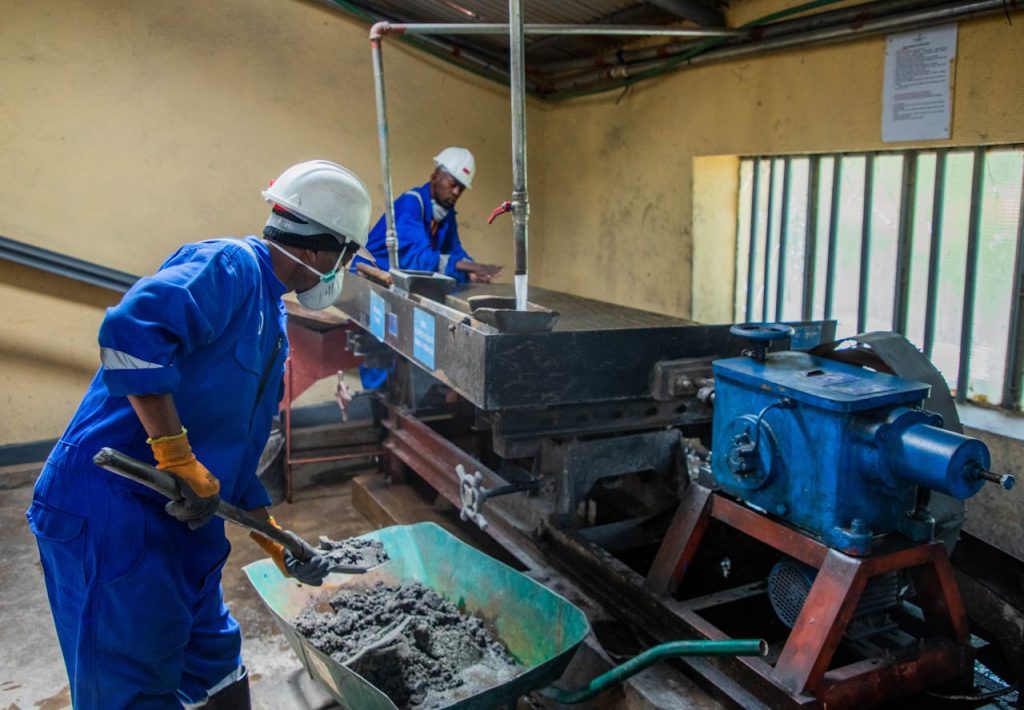
Guinea’s economy is anchored by its mining sector. Blockchain technology offers an immutable record for the supply chain of “green minerals” like bauxite and iron ore. By utilizing smart contracts, stakeholders can track the journey of ore from the pit to the port, ensuring compliance with global ESG standards. According to the OECD Due Diligence Guidance, such transparency is vital for attracting high-quality institutional capital in a “Net-Zero” world.
2. Financial Inclusion and Remittances
With a significant portion of the population still unbanked, blockchain-based mobile wallets provide a low-cost, secure alternative to traditional banking. Tech investments in Guinea are focusing on stablecoin-based remittance corridors that allow the Guinean diaspora to send funds home without the exorbitant fees of traditional intermediaries. The World Bank identifies digital payment systems as the most significant driver for poverty reduction in sub-Saharan Africa.
Strategic High-Growth Sectors for Blockchain Investments
Investment opportunities in the Guinean blockchain space are diversifying beyond simple cryptocurrency trading into industrial and administrative applications.
1. Supply Chain and Logistics Tracking
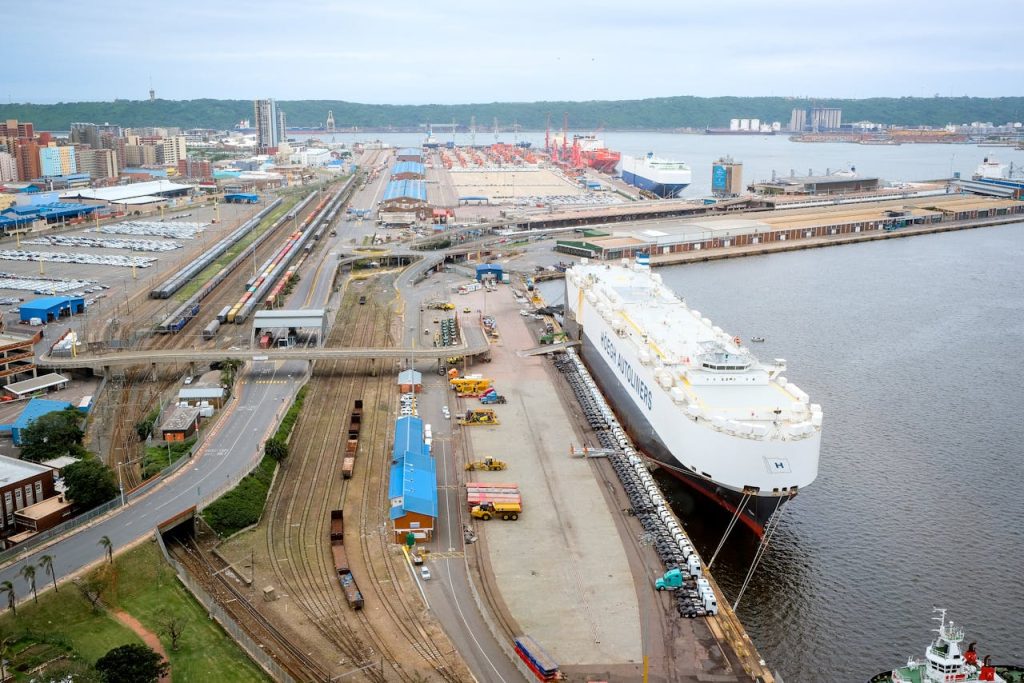
As the Trans-Guinean Railway and new deep-water ports come online, the logistical complexity of the nation increases.
- The Opportunity: Developing private blockchain networks for real-time tracking of bulk commodities and port inventory.
- The ROI: Reduced administrative friction and “leakage,” attracting more international logistics firms. This integrates perfectly with national Transport and Logistics projects.
2. Digital Identity and Land Registry
One of the greatest hurdles for Modern Real Estate in Conakry and rural agriculture has been land title disputes.
- The Opportunity: Digitizing the national land registry on a blockchain to provide immutable proofs of ownership.
- The Impact: Secure land titles unlock the ability for farmers and homeowners to use property as collateral, stimulating the wider economy and encouraging Urban Development.
3. Smart Contracts for “Local Content” Compliance
The government’s focus on SME and Local Content requires multinational companies to hire locally and procure from Guinean suppliers. Blockchain-based smart contracts can automate these compliance checks, releasing payments only when specific local-content milestones are met, ensuring a fair and efficient business ecosystem.
The 2026 Regulatory Landscape: De-Risking Tech Investments
The Guinean government has recognized that to attract the next wave of Tech Investments in Guinea, it must provide a stable and predictable legal framework for digital assets.
1. The 2026 Digital Economy Act
This landmark legislation provides:
- Tax Holidays: Up to 7 years of 0% corporate tax for startups categorized as “Blockchain and DLT Pioneers.”
- Research & Development Credits: Significant offsets for firms that invest in local Vocational Training Centers for blockchain engineering.
- Customs Waivers: 100% exemption on the importation of high-performance servers and Broadband and Fiber Optics equipment.
2. The BCRG “Digital Sandbox”
The Central Bank of the Republic of Guinea (BCRG) has established a regulatory sandbox for Blockchain Businesses. This allows fintech startups to test their digital payment solutions under a “light-touch” regulatory regime before scaling up to full institutional requirements.
Why Launch Your Blockchain Business with Yes! Invest Guinea?
Navigating a nascent tech market requires more than just code; it requires local institutional access and a deep understanding of the Guinean operational environment.
- Strategic Positioning: We assist you in identifying the best industrial zones or co-working hubs to house your digital infrastructure.
- Government Liaison: We facilitate your entry into the BCRG sandbox and help you secure “Strategic Project” status for maximum fiscal benefits.
- Ecosystem Integration: We connect you with local Networking and Partnerships to ensure your technology is adopted by the major players in the mining and agricultural sectors.
FAQ: Blockchain Businesses Guinea
- Is cryptocurrency legal in Guinea in 2026?
Yes. While the Central Bank regulates its use in the formal financial system, the 2026 Digital Economy Act recognizes digital assets and blockchain technology as legitimate vehicles for investment and innovation.
- Does Guinea have the internet infrastructure for blockchain nodes?
Significant investments in Broadband and Fiber Optics have connected Conakry and major industrial hubs to high-speed subsea cables, providing the low-latency connectivity required for blockchain operations.
- What is the biggest challenge for blockchain startups in Guinea?
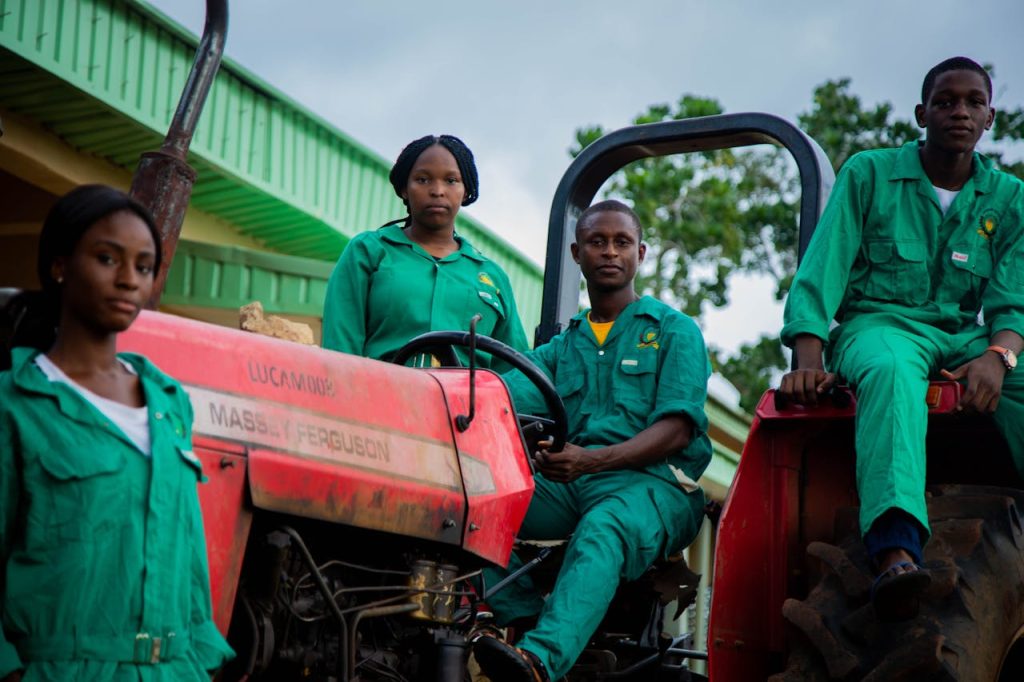
The primary challenge is the “Technical Talent Gap.” However, firms that invest in local Vocational Training are finding a highly motivated and capable youthful workforce ready to bridge this gap.
- Can blockchain be used to improve the energy sector?
Absolutely. Smart grids powered by blockchain are being explored to manage Guinea’s surplus hydroelectric power, allowing for peer-to-peer energy trading between industrial units.
- How can Yes! Invest Guinea help with my licensing?
We provide end-to-end Legal and Regulatory Assistance, ensuring your blockchain business is fully compliant with OHADA laws and national digital regulations.
Conclusion: Coding a New Economic Reality
The Republic of Guinea is at the doorstep of a new era. Blockchain Businesses: Tech Investments in Guinea represent the perfect fusion of the nation’s natural wealth and the world’s most advanced digital technologies. By building an economy on a foundation of transparency and decentralized efficiency, Guinea is positioning itself as the “Silicon Forest” of West Africa.
The digital frontier is open. The investors and developers who deploy their blocks in Guinea today will be the architects of a more inclusive and prosperous African economy tomorrow.
Build Your Digital Future with Yes! Invest Guinea
At Yes! Invest Guinea, we turn digital potential into industrial reality. From your first line of code to your national rollout, our team is your strategic partner on the ground.
Contact Yes! Invest Guinea today to receive our 2026 Blockchain & Tech Investment Prospectus.