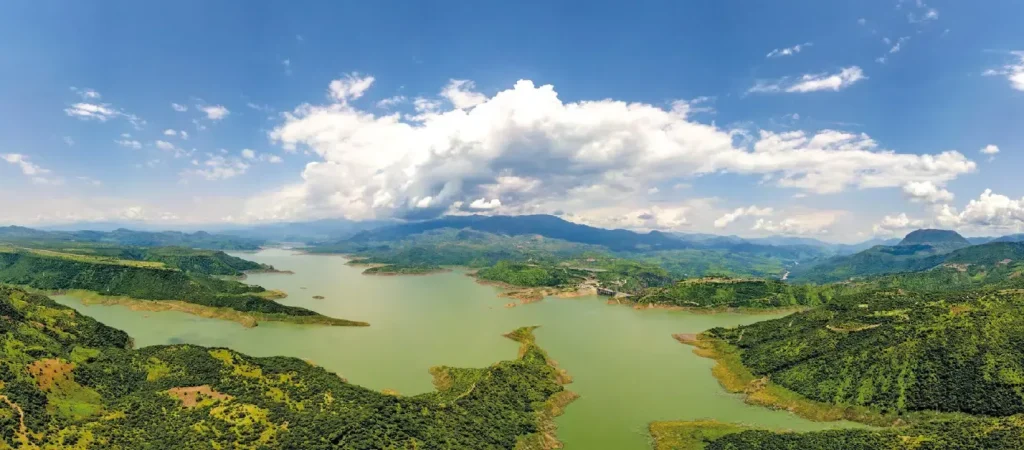
In 2026, the global traveler is no longer just looking for luxury; they are seeking authenticity, environmental responsibility, and a deep connection to nature. As the “Green Travel” movement reaches its zenith, the Republic of Guinea has emerged as Africa’s most compelling frontier for Eco-Tourism Guinea. With its mist-covered highlands, pristine Atlantic archipelagos, and untouched rainforests, the nation offers a canvas for sustainable real estate investments that align profit with planetary preservation.
For the international real estate developer, the shift toward eco-resorts represents a move into a high-margin, low-competition niche. While neighboring markets have reached saturation with traditional mass tourism, Guinea’s “Upper Niger” and “Maritime” regions offer untapped landscapes where luxury meets conservation.
The 2026 Rise of the Conscious Traveler in West Africa
The narrative of African tourism has evolved. Modern high-net-worth individuals and “digital nomads” are prioritizing destinations that offer carbon-neutral stays and support local biodiversity.
1. Guinea’s Unique “Water Tower” Landscapes
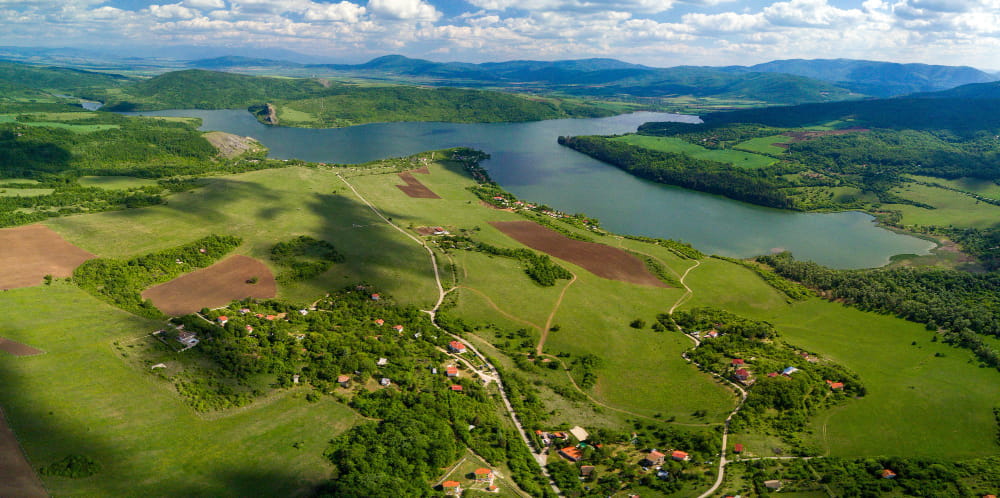
Often called the “Water Tower of Africa,” Guinea is the source of the Niger, Senegal, and Gambia rivers. In 2026, the Fouta Djallon highlands have become a focal point for Eco-Tourism Guinea, offering breathtaking canyons and waterfalls that are perfect for boutique trekking lodges. These sites provide a cooling micro-climate that is increasingly attractive as a global escape.
2. The Loos Islands and Coastal Biodiversity
Just off the coast of Conakry lies the Îles de Los, a tropical archipelago with white-sand beaches and turquoise waters. Investment in eco-resorts here focuses on “Low-Impact” architecture using sustainable timber, solar-powered desalination, and coral reef protection programs. These resorts cater to the growing demand for “Blue Tourism” that protects marine ecosystems.
3. Sustainable Infrastructure and the AfDB Support
The African Development Bank (AfDB) and the World Tourism Organization (UNWTO) have identified Guinea as a priority zone for sustainable tourism development. In 2026, international grants are available for developers who integrate renewable energy and circular waste management into their resort designs.
Key Investment Opportunities in Sustainable Real Estate
Investing in Eco-Tourism Guinea is not just about building hotels; it is about creating sustainable ecosystems that generate long-term asset appreciation.
Boutique Mountain Lodges in Fouta Djallon
The demand for “Wellness and Detox” retreats is at an all-time high.
- Opportunity: High-end glamping and stone-built lodges that utilize local materials like laterite and bamboo.
- Yield Potential: These retreats often command premium nightly rates due to their exclusivity and “off-the-grid” appeal.
Coastal Eco-Villages and Surf Resorts
With its consistent Atlantic swells and undeveloped coastline, Northern Guinea is becoming a destination for eco-conscious surfers and water sports enthusiasts.
- Investment Niche: Prefabricated, modular eco-huts that can be installed with minimal disruption to the coastal dunes and mangrove forests.
Rainforest Canopy Resorts
In the Forest Guinea region, the opportunity lies in canopy-level luxury suites. These projects allow tourists to experience the diverse flora and fauna of the Guinean rainforest without encroaching on the wildlife habitats on the forest floor.
The Regulatory Framework and ESG Incentives
The 2026 Guinean Investment Code has been specifically updated to reward “Impact Real Estate.”
1. Tax Incentives for Green Buildings
Developers who achieve international certifications, such as EDGE (Excellence in Design for Greater Efficiencies) or LEED, qualify for:
- Corporate Tax Exemptions: Up to 10 years for eco-resorts located in priority tourism zones.
- VAT Refunds: On the import of sustainable building materials and renewable energy systems.
2. Land Tenure and Community Partnerships
The Agency for the Promotion of Private Investment (APIP) facilitates long-term leases that include “Community Benefit Agreements.” This ensures that the local population benefits from employment and infrastructure, securing the “Social License to Operate” for the resort.
3. Digital Permitting for Eco-Projects
In 2026, the Ministry of Tourism has streamlined the environmental impact assessment (EIA) process for eco-friendly projects, cutting the approval time by half compared to traditional industrial developments.
Strategic Considerations for 2026 Investors
While the aesthetic appeal of an eco-resort is obvious, the financial success of Eco-Tourism Guinea depends on operational efficiency and marketing.
Connectivity and Accessibility
2026 has seen an increase in regional flights connecting Conakry to Dakar, Abidjan, and Casablanca. Furthermore, the improvement in road infrastructure has made the interior regions more accessible to domestic tourists and international travelers alike.
The Role of Local Content
Successful eco-resorts in Guinea are those that celebrate Guinean culture. This includes utilizing local artisans for interior design, sourcing organic food from nearby farms, and training local youth as eco-guides. This “hyper-local” approach is the cornerstone of 2026 luxury travel.
FAQ: Eco-Tourism and Sustainable Real Estate
1. Is it safe to invest in remote tourism areas in Guinea?
In 2026, the government has established specialized “Tourism Security Units” in key districts like Dalaba and the Loos Islands to ensure the safety of both tourists and investors.
2. What kind of ROI can I expect from an eco-resort?
While eco-resorts may have higher initial “Green” CAPEX, they typically benefit from lower operational costs (due to solar and water recycling) and higher occupancy rates from the growing segment of conscious travelers.
3. Can I get international financing for eco-tourism in Guinea?
Yes. Agencies like the International Finance Corporation (IFC) and the PROPARCO fund actively seek out sustainable hospitality projects in emerging markets.
4. What is the best time of year for tourism in Guinea?
The dry season (November to May) is the peak tourism period. However, many eco-resorts are now marketing the “Green Season” (June to October) as a time for lush landscapes and dramatic photography.
5. How can Yes! Invest in Guinea assist with my eco-resort project?
We provide site selection services, facilitate environmental permits, and connect you with local sustainable architects and community leaders to ensure your project is both compliant and culturally resonant.
Conclusion: Building a Legacy of Sustainable Luxury
The development of Eco-Tourism Guinea is a testament to the fact that real estate can be both profitable and restorative. By choosing to build with nature rather than against it, investors are securing a stake in a market that is guaranteed to grow as global environmental consciousness rises.
Guinea is no longer just a mining destination; it is a sanctuary for the soul. In 2026, the most successful developers will be those who recognize that the greatest luxury of all is an untouched horizon.
Ready to build the most sustainable resort in West Africa? At Yes! Invest in Guinea, we are your partners in green development. We bridge the gap between your vision of sustainable luxury and the rich landscapes of the Republic of Guinea.
Contact Yes! Invest in Guinea today to receive our 2026 Eco-Tourism Investment Guide