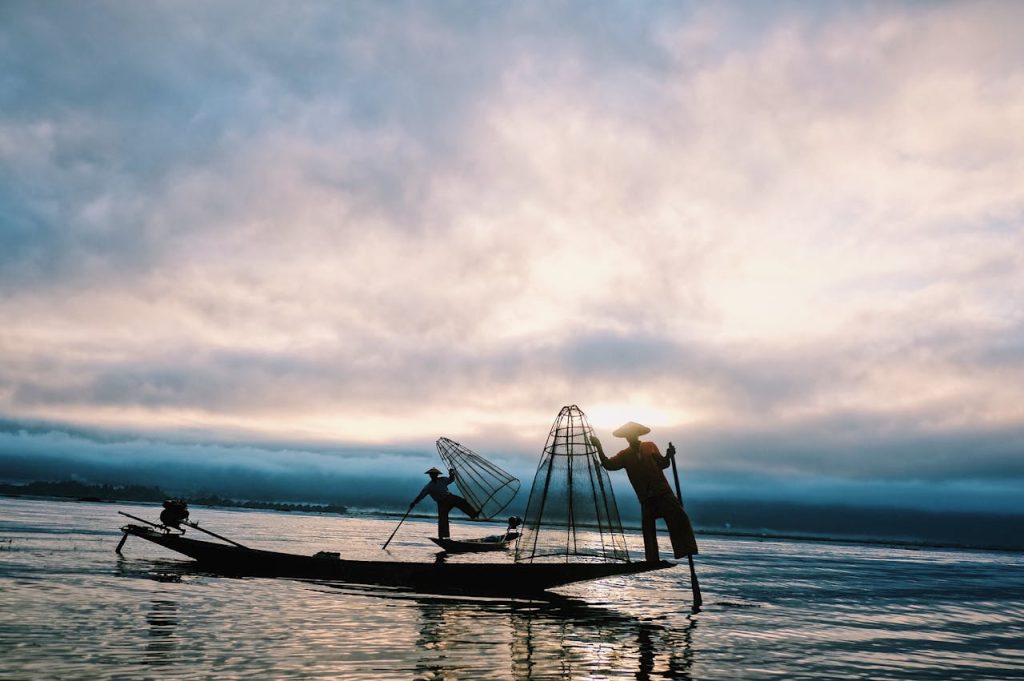
The global demand for protein-rich seafood is reaching an all-time high, and with it comes a massive opportunity for sustainable production in West Africa. While the Republic of Guinea has long relied on its rich maritime tradition, the year 2026 marks a decisive shift toward Aquaculture Guinea. By transitioning from traditional wild-catch fishing to modern, industrial fish farming and integrated seafood processing, Guinea is positioning itself as a key player in the regional food security landscape.
For international investors, the Guinean aquaculture sector offers a rare combination of favorable natural conditions, high domestic demand, and a supportive regulatory environment. This article provides an in-depth analysis of the growth potential in fish farming, the opportunities in seafood value addition, and the strategic roadmap for investing in Guinea’s “Blue Economy.”
The Strategic Potential of Aquaculture in Guinea
Guinea is uniquely endowed with the hydrological resources necessary for a thriving aquaculture industry. Unlike many of its neighbors, the country possesses a diverse range of water environments suitable for different species and farming methods.
1. The “Water Tower” Advantage
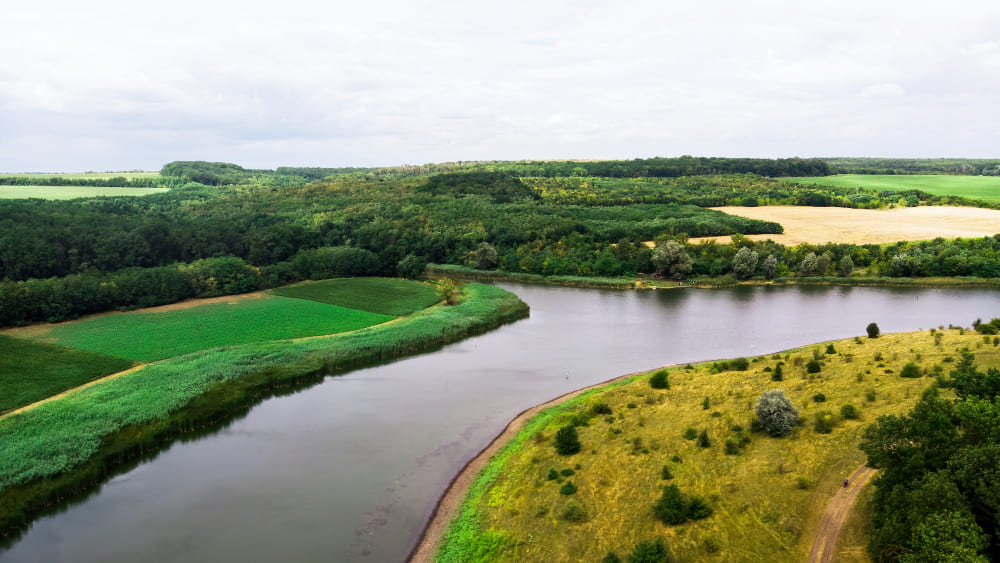
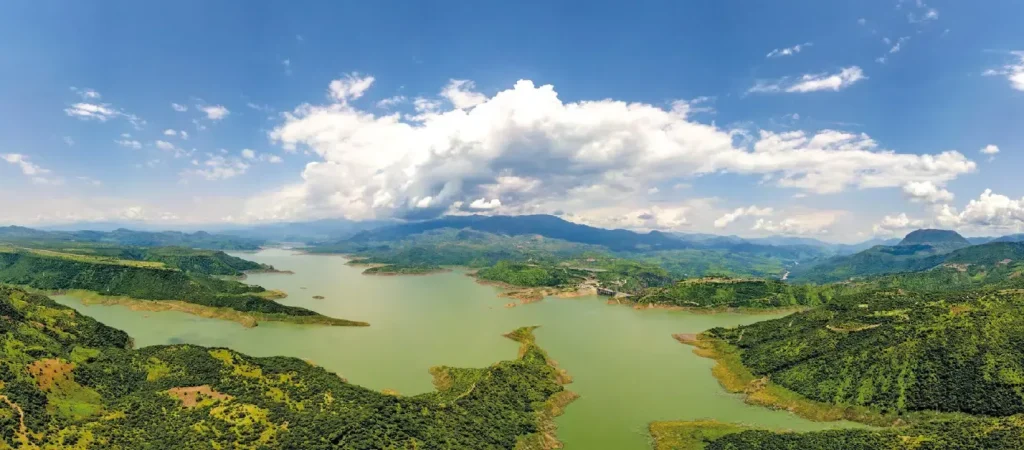
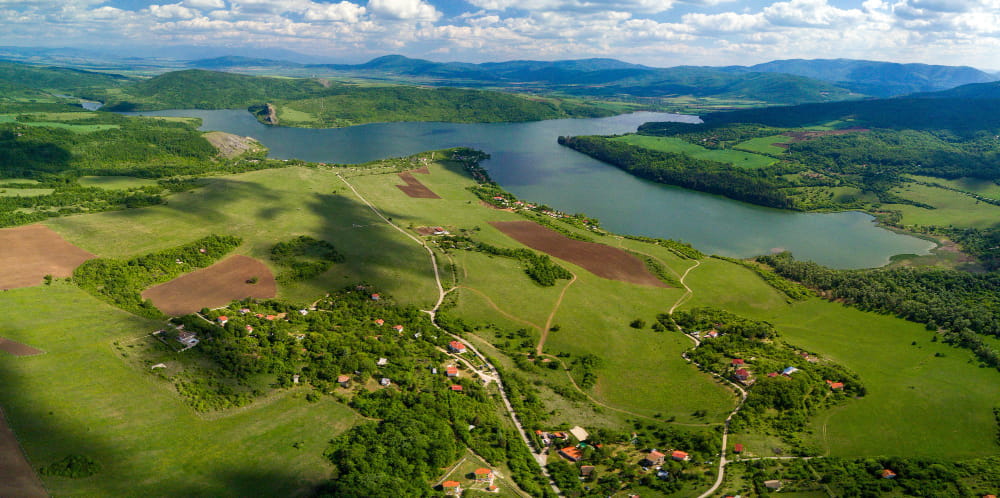
With over 6,000 kilometers of rivers and a 300-kilometer Atlantic coastline, Guinea offers an abundance of freshwater, brackish water, and marine environments. This allows for a diversified aquaculture portfolio, ranging from freshwater tilapia and catfish farming in the interior to high-value shrimp and seafish production along the coast.
2. Filling the “Protein Gap”
As Guinea’s urban population grows, the demand for affordable and high-quality fish exceeds the capacity of artisanal maritime fishing. According to the Food and Agriculture Organization (FAO), aquaculture is the most efficient way to meet this demand while protecting wild fish stocks from overexploitation. Investing in local production significantly reduces the reliance on expensive frozen fish imports.
Key Investment Opportunities in 2026
The aquaculture value chain in Guinea offers multiple high-yield entry points for investors specializing in biology, logistics, and industrial processing.
Freshwater Fish Farming: Tilapia and Catfish
The inland regions of Guinea, particularly around the Niger River basin and the Forest Region, are ideal for cage and pond-based aquaculture.
- Commercial Hatcheries: There is a critical shortage of high-quality fingerlings. Investors can establish modern hatcheries to provide farmers with fast-growing, disease-resistant fish strains.
- Feed Production Mills: Currently, a large portion of fish feed is imported. Establishing a local feed mill using Guinean agricultural by-products like rice bran and maize offers a massive competitive advantage.
Marine and Brackish Water Aquaculture
Guinea’s estuaries and mangrove-adjacent areas provide a perfect environment for:
- Shrimp Farming: High-demand export species such as the Tiger Prawn thrive in Guinea’s brackish waters.
- Mariculture: Offshore cage farming for high-value species like sea bream or snapper, targeting both luxury domestic hotels and European export markets.
Industrial Seafood Processing
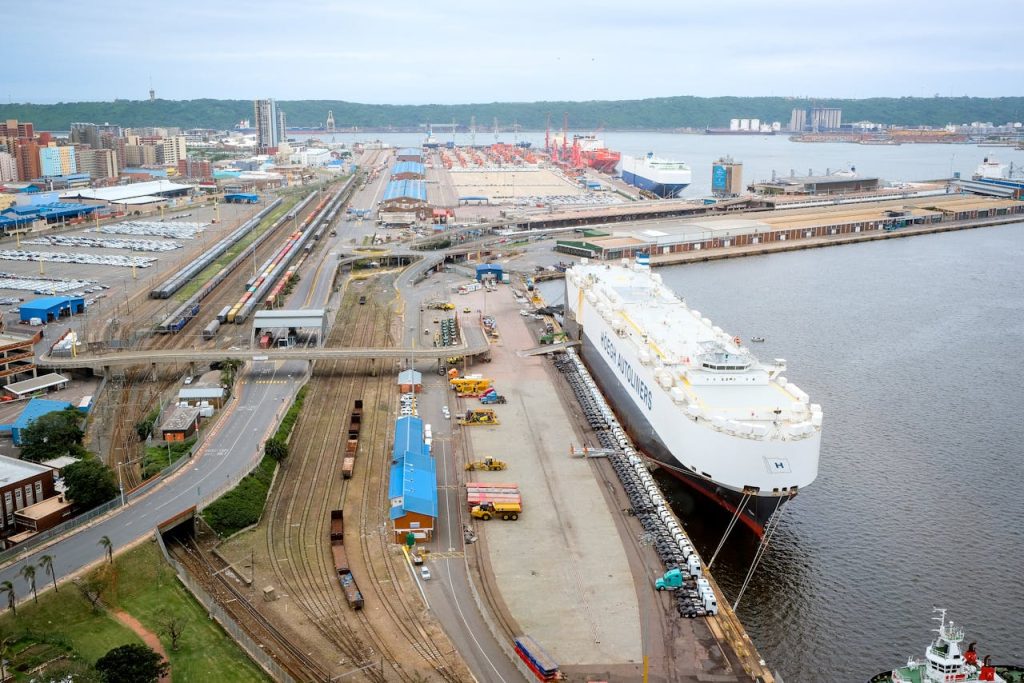
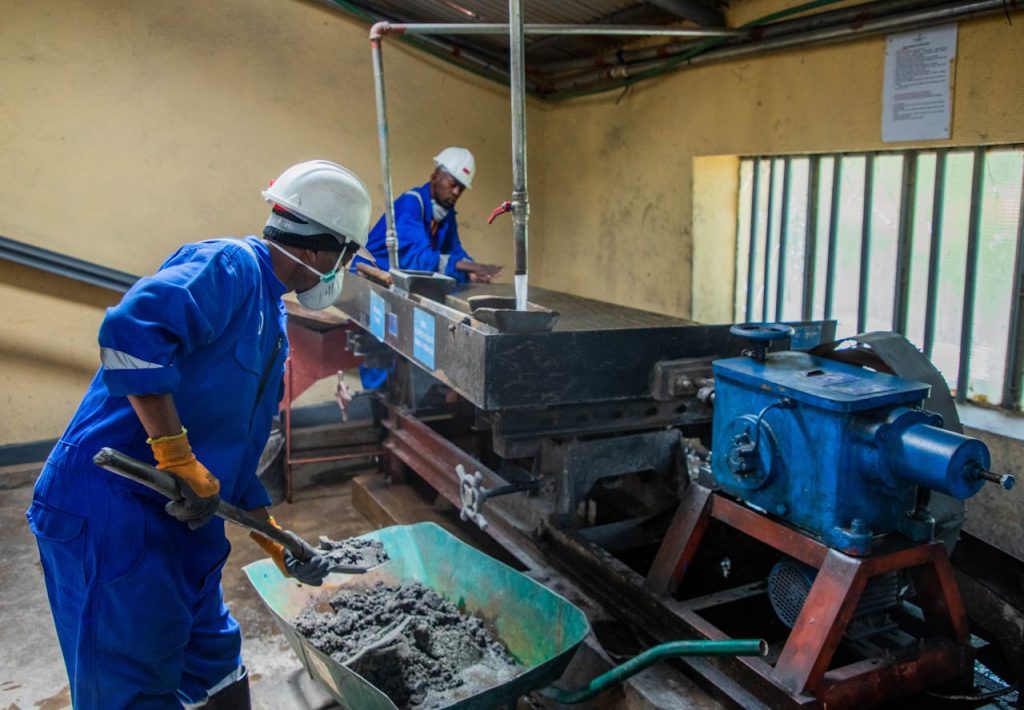
The largest value-addition opportunity lies in processing. Raw fish exports yield low margins, whereas processed products offer much higher returns.
- Canning and Freezing Plants: Establishing facilities for cleaning, filleting, and blast-freezing seafood ensures a longer shelf life and access to international retail chains.
- Cold Chain Logistics: Solar-powered cold storage hubs and refrigerated transport are essential for maintaining the quality of seafood from farm to fork.
Why Invest in Guinea’s Blue Economy Now?
The Guinean government has identified aquaculture as a priority sector for economic diversification and poverty reduction.
Favorable Regulatory Environment
As a member of the OHADA framework, Guinea offers a standardized and transparent legal system for commercial contracts. Furthermore, the 2026 Investment Code provides:
- Tax Holidays: Up to 8 years of corporate tax relief for aquaculture projects in designated rural development zones.
- Duty-Free Imports: Zero customs duties on specialized aquaculture equipment, feed additives, and processing machinery.
- Simplified Land & Water Rights: Streamlined procedures for securing long-term leases for aquaculture concessions.
Access to Regional Markets
Under the Economic Community of West African States (ECOWAS) treaties, seafood produced in Guinea can be exported duty-free to a market of over 400 million consumers. This makes Guinea an ideal “export launchpad” for the wider West African region.
Sustainable Practices and ESG in Aquaculture
In 2026, the most successful investments are those that prioritize sustainability. Guinea’s aquaculture sector is ripe for:
- Recirculating Aquaculture Systems (RAS): High-tech indoor systems that minimize water usage and environmental impact.
- Integrated Multi-Trophic Aquaculture (IMTA): Combining fish farming with seaweed or bivalve production to naturally filter water and diversify revenue.
- Local Community Empowerment: Outgrower schemes that provide local smallholders with fingerlings and technical training, ensuring a stable “Social License to Operate.”
FAQ: Aquaculture Guinea
- What are the most profitable fish species to farm in Guinea?
Tilapia and Catfish are best for the local mass market due to their hardiness and high demand. Shrimp and certain sea fish offer the highest margins for export markets.
- Is the water quality in Guinea suitable for sensitive species?
Yes, Guinea’s rivers and coastal waters are generally low in industrial pollutants. However, we recommend conducting a site-specific water analysis before deploying capital.
- How can I secure land and water rights for a fish farm?
The Ministry of Fisheries and the Maritime Economy, in coordination with local authorities, manages these concessions. Yes! Invest Guinea can facilitate this entire administrative process.
- What are the energy requirements for industrial aquaculture?
While intensive systems require stable power, many investors are now utilizing hybrid solar-hydro systems to power aeration and cooling units, reducing operational costs.
- How does Yes! Invest Guinea assist aquaculture investors?
We provide end-to-end support, including site identification, technical due diligence, regulatory liaison, and connecting you with local suppliers and off-take partners.
Conclusion: Seizing the Blue Opportunity
The transition from traditional fishing to a modern Aquaculture Guinea sector is one of the most promising agribusiness stories of 2026. By combining the country’s vast water resources with modern technology and industrial processing, investors can secure a high-yield position in a sector that is vital for the future of Africa.
Whether you are interested in upstream hatcheries or downstream seafood processing, Guinea offers the space, the resources, and the regulatory support to help your investment thrive.
Dive into Success with Yes! Invest Guinea
At Yes! Invest Guinea, we are your strategic partner in the “Blue Economy.” Our team provides the local intelligence and institutional access needed to turn aquatic potential into financial success.
Contact Yes! Invest Guinea today to receive our 2026 Aquaculture and Seafood Processing Sector Briefing.