The global industrial landscape is undergoing a massive shift, and at the heart of this transformation lies West Africa. Specifically, Guinea has emerged as a titan in the extractives industry. As we move through 2026, the Investment Guinea Mining landscape is no longer just a “potential” market it is the world’s most critical supply chain hub for bauxite and iron ore.
For institutional investors, venture capitalists, and multinational mining corporations, Guinea offers a unique combination of untapped high-grade reserves and a rapidly stabilizing regulatory environment. Under the guidance of investment facilitators like Yes Invest in Guinea, navigating this terrain has become more accessible and transparent than ever before.
The 2026 Outlook: Why Guinea is the Global Frontier
The year 2026 marks a pivotal milestone for the Guinean economy. With the global push toward green energy and high-strength infrastructure, the demand for aluminum (derived from bauxite) and steel (derived from iron ore) has hit record highs. Guinea sits atop the world’s largest bauxite reserves and some of the highest-grade unexploited iron ore deposits on the planet, such as the Simandou project.
The Guinean government has implemented sweeping reforms to the Mining Code, focusing on “local content” requirements while ensuring robust protections for foreign capital. This balance of interests makes Investment Guinea Mining a strategic move for those looking to hedge against supply chain volatility in other regions.
The Bauxite Boom: Powering the Global Aluminum Demand
Guinea is currently the world’s leading exporter of bauxite. However, the 2026 trend is moving away from the mere export of raw ore toward local transformation and alumina refining.
Strategic Reserves and Quality
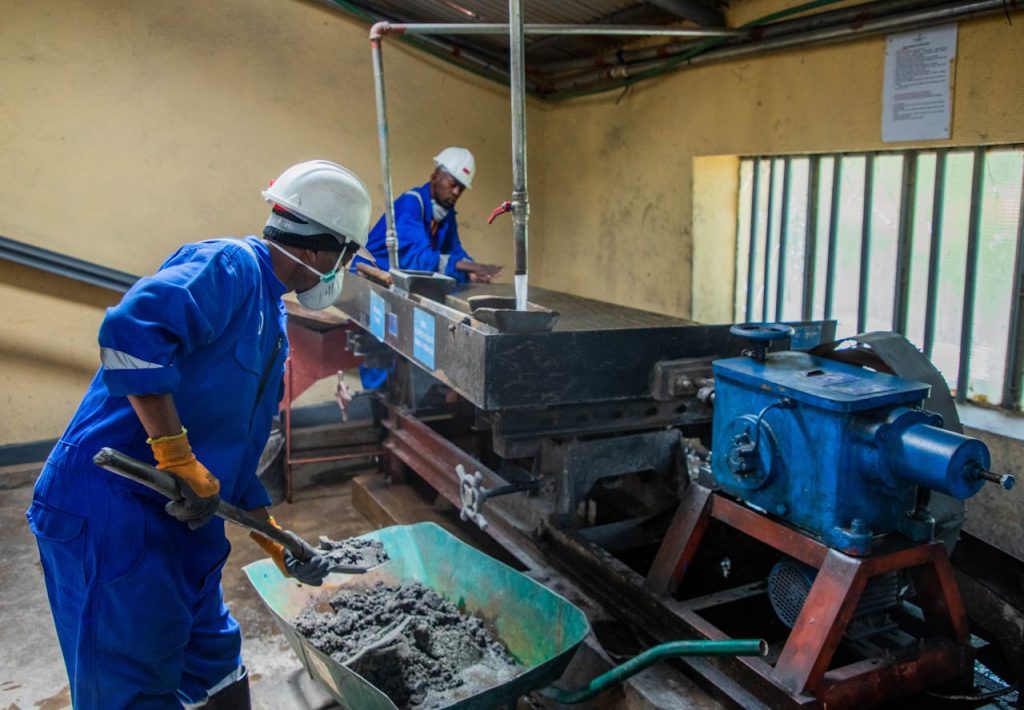
Guinean bauxite is prized for its high alumina content and low reactive silica, making it the most cost-effective choice for refineries in Europe and Asia. Investors entering the market in 2026 are finding opportunities not just in extraction, but in the technology and logistics sectors that support high-volume mining.
Infrastructure Integration
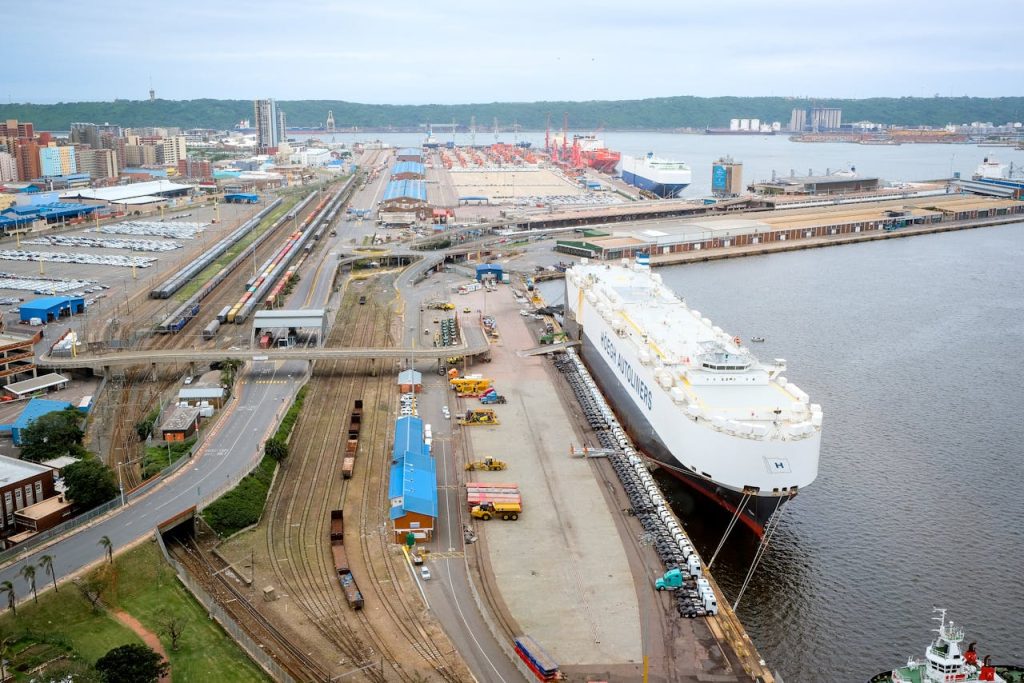
The “Bauxite Corridor” in the Boké and Kindia regions has seen massive investment in multi-user railways and deep-water ports. These infrastructure projects, often managed through Public-Private Partnerships (PPPs), represent a secondary layer of Investment Guinea Mining opportunities that offer stable, long-term returns.
Iron Ore: The Simandou Catalyst
If bauxite is Guinea’s current success story, iron ore is its future legacy. The Simandou mountains contain the world’s largest untapped reserve of high-grade iron ore. As production scales up in 2026, the global steel industry is watching closely.
High-Grade Ore for Low-Carbon Steel
In an era of strict ESG (Environmental, Social, and Governance) standards, the quality of ore matters. Simandou’s ore has an average iron content of over 65%, which requires less energy to process into steel. For investors focused on “Green Steel,” Guinea is the indispensable partner.
The TransGuinean Railway
A critical component of the iron ore boom is the TransGuinean railway, a 600km line connecting the hinterlands to the Atlantic coast. This project has opened up previously inaccessible regions, creating a ripple effect of investment opportunities in housing, telecommunications, and service industries along the rail line.
Navigating the Regulatory Framework and Mining Code
Prospective investors often ask about the “safety” of their capital. The Guinean Mining Code has been refined to provide clarity on taxation, royalties, and environmental obligations.
Tax Incentives for Early-Stage Explorers
To encourage Investment Guinea Mining, the government offers tiered tax holidays and exemptions on the import of heavy machinery during the exploration and construction phases. This significantly reduces the “CapEx” burden for new entrants.
ESG and Community Engagement
In 2026, a social license to operate is as important as a legal permit. Yes Invest in Guinea helps investors align with local regulations regarding community development funds and environmental restoration. Companies that lead with sustainability are finding it much easier to secure long-term concessions and government cooperation.
Technological Transformation in Guinean Mining
The 2026 mining sector is no longer just about pickaxes and shovels; it is about “Mining 4.0.” There is a significant gap in the market for technology providers who can bring automation, AI-driven geological mapping, and renewable energy solutions to mine sites.
Renewable Energy Integration
Most mining operations in Guinea are transitioning to hybrid power systems. Solar and hydroelectric power are being integrated to reduce the carbon footprint of bauxite drying and alumina refining. Investors in the energy sector are finding that the mining industry is their largest and most reliable off-taker.
Digital Logistics and Supply Chain
The complexity of moving millions of tons of ore requires sophisticated digital twins and real-time tracking systems. Startups and tech firms focusing on Guinean logistics are seeing a surge in demand as the volume of exports continues to break records.
Strategic Steps for Successful Investment Entry
Entering a high-growth market requires more than just capital; it requires a localized strategy. Here is how successful investors are approaching Guinea in 2026:
Partnership and Local Presence
Success in Guinea is built on relationships. Partnering with local firms or using specialized investment platforms ensures that you have “boots on the ground” to handle administrative hurdles and cultural nuances.
Due Diligence and Feasibility
The high grade of Guinean minerals is well-documented, but site-specific feasibility studies are essential. Investors must account for seasonal weather patterns and specific logistical bottlenecks that could impact the “Time-to-Market.”
Diversification within the Extractives Value Chain
Smart money in 2026 is moving into “Service Mining”—providing the fuel, food, maintenance, and HR services that the giant mining camps require. This allows smaller investors to participate in the mining boom without the multi-billion dollar price tag of a full concession.
Conclusion: Seizing the Momentum
The window of opportunity for Investment Guinea Mining is wide open, but it is moving fast. With the world’s largest bauxite production and the imminent launch of major iron ore exports, Guinea is the cornerstone of the global industrial economy in 2026. By leveraging the expertise of Yes! Invest in Guinea, investors can mitigate risks and capitalize on a sector that promises some of the highest ROIs in the emerging markets today.
FAQ (Frequently Asked Questions)
- What is the minimum capital required for mining investment in Guinea? While large-scale concessions require significant capital, there are entry points for smaller investors through subcontracting, logistics, and service provision, often starting as low as $500,000 to $1,000,000.
- How does the government handle mining royalties in 2026? Royalties are typically calculated based on the market value of the minerals exported, with specific rates set for bauxite, iron ore, and gold. These are outlined clearly in the updated Mining Code to ensure predictability.
- Is it possible for 100% foreign ownership of a mining company in Guinea? Yes, foreign investors can own 100% of a mining entity, although the state typically retains a non-dilutable 15% carried interest in mining projects to ensure national benefit.
- What are the main logistical challenges for miners in Guinea? The primary challenges include the need for specialized heavy-haul rail and port capacity. However, 2026 has seen the completion of several “multi-user” infrastructure projects that have greatly eased these bottlenecks.
- How can “Yes Invest in Guinea” assist new investors? We provide end-to-end facilitation, including legal advisory, local partner matchmaking, site visits, and navigation of the administrative process for obtaining permits and licenses.
Take the Lead in the 2026 Mining Revolution
The minerals of the future are waiting in the soil of Guinea. Whether you are looking for direct concessions or high-yield service opportunities, the time to act is now. Ensure your seat at the table of the world’s most exciting mining frontier.Contact Yes! Invest in Guinea Today for a Comprehensive Sector Briefing