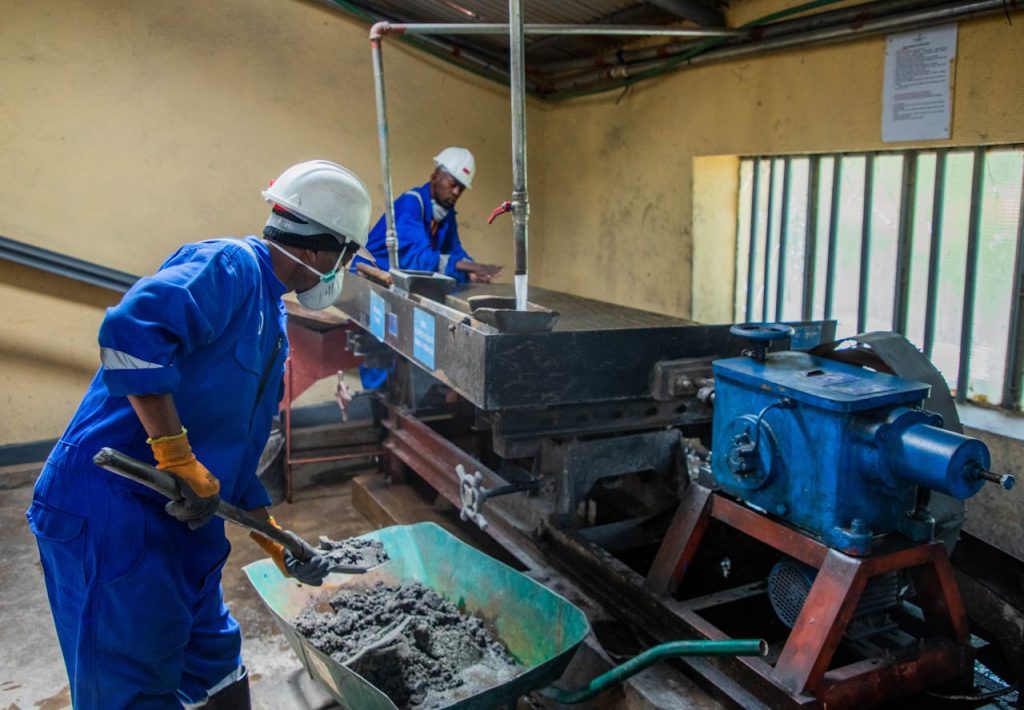
Gulf capital is moving into African mining at a pace few other regions can match and Guinea already has a Middle Eastern investor inside its borders. Emirates Global Aluminium has produced bauxite in Guinea since 2019, and Abu Dhabi’s Mubadala has signed a multi-billion-dollar bauxite and alumina deal in the country. For Middle East investors weighing where to deploy capital next across Africa’s critical minerals landscape, Guinea isn’t a speculative bet it’s already a proven, operating market with room for substantially more participation.
In this guide, Yes! Invest Guinea explains why Gulf sovereign wealth funds, family offices, and private investors are increasingly looking at Guinea, and what specifically makes the country such a strong fit for Middle East investment strategy.
Gulf States Are Already Active in Guinea — and Expanding
Emirates Global Aluminium’s Established Presence
The UAE’s commercial footprint in Guinea is not new. According to the Natural Resource Governance Institute, Emirates Global Aluminium has produced bauxite in Guinea since 2019, part of a broader pattern of UAE mining investment across Africa that also spans Angola, the Democratic Republic of the Congo, Kenya, Nigeria, South Africa, Zambia, and Zimbabwe. This is not a one-off transaction it reflects a sustained UAE strategy of securing mineral inputs while building parallel positions in port infrastructure and logistics across the continent.
Mubadala’s Multi-Billion-Dollar Bet on Guinean Bauxite
Abu Dhabi’s sovereign wealth fund Mubadala has gone further still. Research published by the Swedish Institute of International Affairs documents a Mubadala-Guinea bauxite and alumina agreement valued at approximately USD 5 billion, involving the opening of a bauxite mine along with port infrastructure and a processing plant designed to create local jobs. The same research notes that Gulf states are deliberately embedding mining deals inside broader development packages a strategy that builds political goodwill alongside resource access, and one that has already taken root in Guinea specifically.
Why Guinea Fits the Gulf’s Critical Minerals Strategy
Bauxite Sits at the Center of the Energy Transition
Guinea holds approximately a quarter of the world’s known bauxite reserves, the essential input for aluminum used in electric vehicles, renewable energy infrastructure, and advanced manufacturing. As Gulf states diversify away from hydrocarbons, securing reliable upstream mineral supply has become a strategic priority across the region not just for Saudi Arabia’s domestically focused Vision 2030 mining ambitions, but for UAE and Qatari capital actively seeking exposure abroad.
Distinct National Strategies, Shared Interest in Africa
Gulf states are not pursuing identical playbooks, but Guinea fits multiple approaches simultaneously. According to an Atlantic Council analysis of Gulf critical minerals strategy, Saudi Arabia is building an integrated mining sector leveraging its own $2.5 trillion in domestic mineral reserves, while the UAE, Qatar, and Oman take more selective, targeted investment approaches. Guinea’s bauxite wealth offers Saudi investors a complementary supply source consistent with Vision 2030’s integrated mining ambitions, while offering UAE and Qatari capital the kind of direct equity exposure to a proven, operating mineral asset that fits their more selective investment style.
Countercyclical Capital That Doesn’t Flinch at Price Swings
One of the most underappreciated advantages Gulf investors bring to markets like Guinea is patience. Research from the Natural Resource Governance Institute notes that Saudi Arabia and the UAE have continued investing in critical minerals even as price declines for commodities like lithium, nickel, and cobalt slowed mining activity globally elsewhere. For Guinea, this countercyclical behavior is valuable: a Gulf investment relationship is less likely to evaporate during a temporary commodity downturn than capital chasing only short-term price signals.
Strategic Advantages Beyond Mining
Port and Logistics Infrastructure
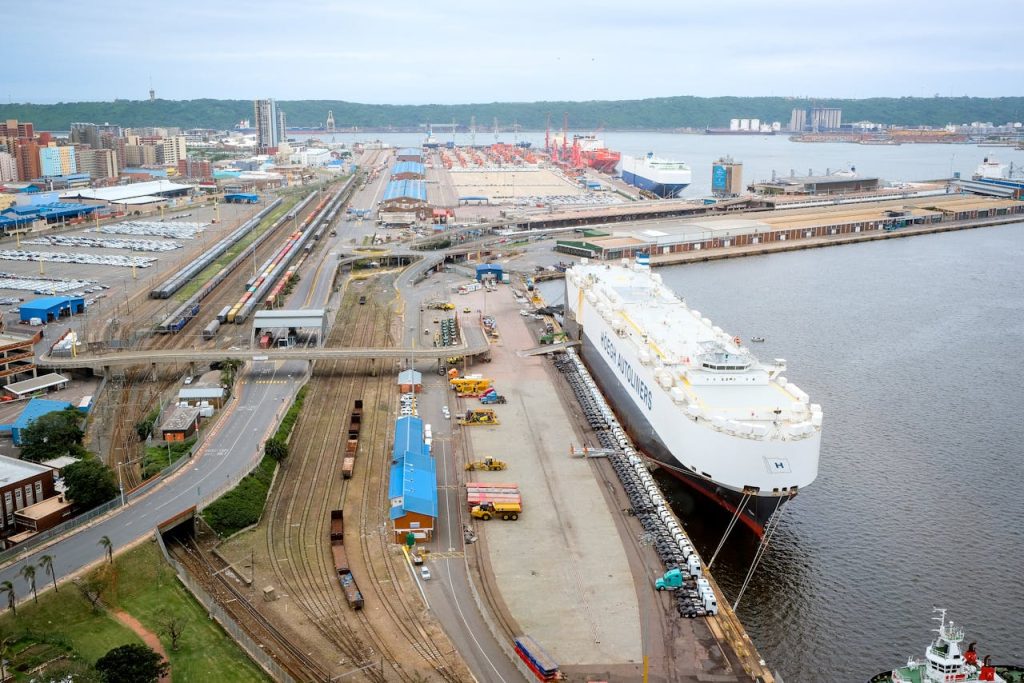
Gulf states have built a clear pattern of pairing mineral investment with control over export infrastructure. Mining Indaba’s analysis of Gulf strategy in Africa highlights how UAE-linked operators have invested in African ports and trade corridors across multiple countries, giving them direct influence over how minerals reach global markets. Guinea’s expanding port and rail infrastructure including the Kamsar export corridor central to its bauxite trade represents exactly the kind of asset Gulf logistics investors have shown a consistent appetite to develop elsewhere on the continent.
A Preferred Partner Profile for African Governments
Gulf investors frequently bring practical advantages that resonate strongly with African host governments. According to Mining Indaba, Gulf states often offer faster deal execution, less political friction, and Sharia-compliant financing structures, while being widely perceived across the continent as non-colonial, less interventionist partners. For Middle East investors entering Guinea, this reputation can translate into smoother negotiations and a more receptive regulatory environment compared to investors carrying more complicated historical baggage in the region.
Diversifying Beyond a Single Mineral Relationship
While bauxite remains the anchor opportunity, Gulf investment patterns elsewhere in Africa show a clear trajectory toward broader sector diversification energy, agriculture, property, and digital infrastructure, according to the Swedish Institute’s research on GCC strategy in Africa. Guinea’s hydropower potential, agricultural land, and growing logistics infrastructure offer Middle East investors a natural path to expand beyond a single bauxite relationship into a more diversified Guinean portfolio over time.
What Middle East Investors Should Keep in Mind
Bundled mining deals those combining resource access with infrastructure and social investment commitments require careful structuring to ensure fair value on both sides. The Natural Resource Governance Institute specifically cautions that Gulf sovereign wealth investments can be opaque and complex when packaged with broader development commitments, and recommends that deal terms be negotiated with full attention to the true value of the underlying assets. Middle East investors who approach Guinea with transparent, well-structured agreements rather than opaque bundled packages are more likely to build durable, long-term partnerships that withstand scrutiny from both Guinean stakeholders and international observers.
How Yes! Invest Guinea Supports Middle East Investors
Yes! Invest Guinea connects Gulf sovereign wealth funds, family offices, and private investors with structured, transparent opportunities across Guinea’s economy. Our support includes:
- Structuring bauxite, alumina, and mining-adjacent investment agreements with clear, transparent terms
- Coordinating with APIP, the Ministry of Mines and Geology, and relevant regulatory bodies
- Identifying port, logistics, and infrastructure opportunities aligned with established Gulf investment patterns
- Advising on diversification into hydropower, agriculture, and digital infrastructure beyond mining
- Facilitating introductions to local partners and supporting Sharia-compliant financing structures where applicable
Frequently Asked Questions
1. Are Middle East investors already active in Guinea’s mining sector? Yes. Emirates Global Aluminium has produced bauxite in Guinea since 2019, and Abu Dhabi’s Mubadala has signed a bauxite and alumina deal valued at approximately USD 5 billion.
2. Why is bauxite specifically attractive to Gulf investors? Bauxite is the essential input for aluminum, which is critical to electric vehicles, renewable energy infrastructure, and advanced manufacturing all priorities in Gulf states’ broader economic diversification strategies.
3. Do Gulf investors typically pull out during commodity price downturns? Research suggests the opposite. Saudi Arabia and the UAE have continued investing in critical minerals even when global price declines slowed mining activity elsewhere, making them comparatively stable long-term partners.
4. What advantages do Gulf investors typically offer compared to other foreign capital? Gulf states are often associated with faster deal execution, Sharia-compliant financing options, and a reputation as non-colonial, less interventionist partners.
5. How can Yes! Invest Guinea help Middle East investors structure a deal in Guinea? Yes! Invest Guinea provides transparent deal structuring, regulatory coordination, and local partnership facilitation designed to ensure fair, durable agreements for both investors and Guinean stakeholders.
Build on a Proven Gulf-Guinea Investment Relationship
Middle East capital is no longer testing the waters in Guinea it is already operating bauxite mines and structuring multi-billion-dollar deals. The opportunity now is to build on that foundation with well-structured, diversified investment.
Connect with Yes! Invest Guinea today to explore mining, infrastructure, and diversification opportunities tailored to your investment strategy.