The global automotive landscape is witnessing a historic transition. China’s electric vehicle (EV) industry is currently booming, driven by an insatiable global demand for clean mobility and sustainable transportation solutions. However, the long-term viability and “green” credentials of EV production depend heavily on two critical factors: secure access to transition minerals and the decarbonization of the energy used in their extraction and processing.
For Chinese manufacturers, the Republic of Guinea represents a strategic nexus where these two factors meet. By investing in solar farms Guinea, Chinese EV firms can power their upstream operations with clean energy, secure essential raw materials like bauxite, and solidify their global leadership in the green technology race.
The Strategic Synergy Between EV Production and Solar Energy
Guinea is often described as a “geological treasure chest,” but in 2026, it is also becoming a “solar powerhouse”. For a Chinese EV manufacturer, the logic for investing in solar infrastructure is multifaceted.
1. Decarbonizing the Upstream Supply Chain
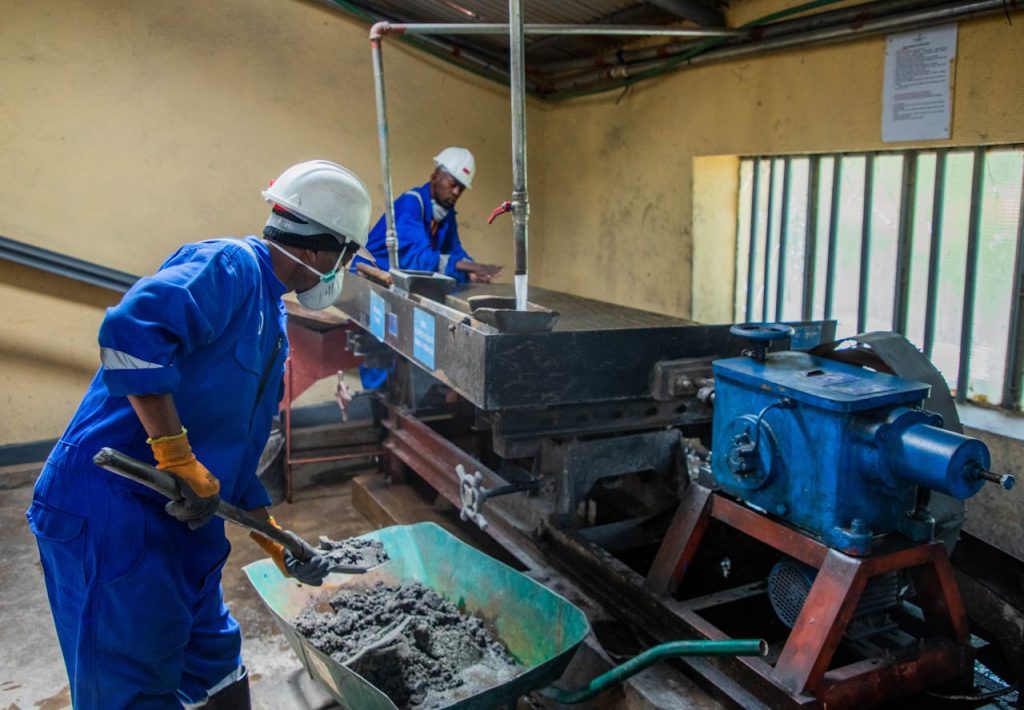
The carbon footprint of an EV is largely determined during the manufacturing stage, specifically in the energy-intensive process of refining aluminum from bauxite. Guinea holds the world’s largest bauxite reserves. By deploying utility-scale solar farms to power these refineries, Chinese firms can produce “Green Aluminum,” significantly reducing the total lifecycle emissions of their vehicles.
2. Securing Critical Battery Minerals
While bauxite is essential for vehicle lightweighting, the EV battery supply chain requires a stable flow of minerals. Guinea is diversifying its mining portfolio to include other minerals vital for high-performance batteries. Integrating solar energy into these mining sites ensures operational resilience and lowers long-term energy costs.
3. Strengthening Africa-China Green Cooperation
Investment in solar farms aligns with the broader goals of China-Africa cooperation, moving from traditional infrastructure toward high-tech, sustainable development. This enhances brand reputation and secures “social license to operate” within local Guinean communities.
Opportunities for Chinese EV Manufacturers in Guinea’s Solar Sector
The opportunities for solar farms Guinea investment extend beyond simple power generation. Investors can engage across multiple specialized segments.
Utility-Scale Solar for Industrial Zones
Large-scale solar projects are required to power the specialized economic zones and mining corridors. These projects ensure that industrial extraction is not dependent on unstable or carbon-heavy national grids.
Hybrid Solar-Hydropower Systems
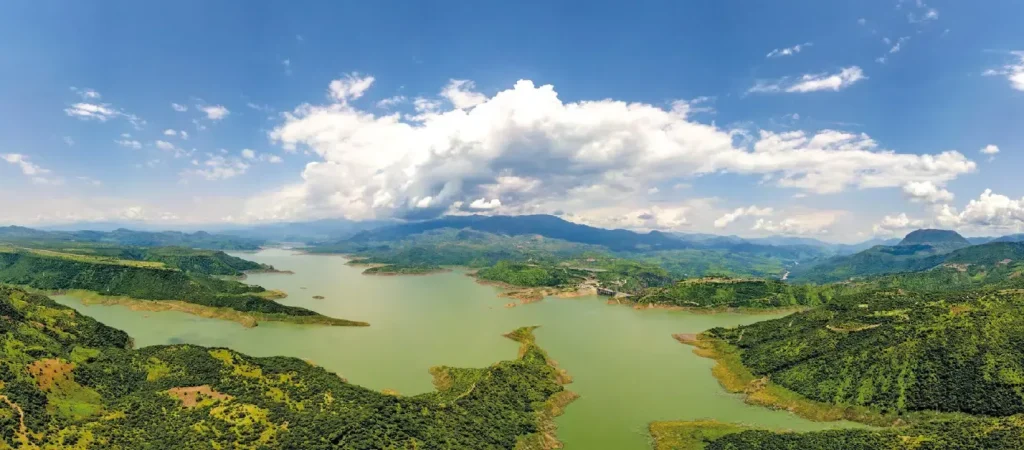
Guinea is the “Water Tower of Africa” with immense hydropower potential. Chinese firms, leaders in hybrid energy technology, can invest in floating solar panels on existing hydro reservoirs. This creates a balanced energy mix: solar for daytime peak and hydro for baseload stability.
Off-Grid Solutions for Rural Mining Communities
Many mineral deposits are located in remote areas. Investing in off-grid solar mini-grids for these communities builds goodwill and provides the necessary infrastructure for workers and local support industries.
Market Landscape: Comparing Guinea to Regional Competitors
When evaluating where to deploy capital for solar-mining integration, Guinea’s profile stands out against other West African nations.
| Factor | Guinea | Nigeria | Ghana |
| Solar Potential |
High
|
High
|
Moderate
|
| Critical Minerals |
Bauxite & Iron Ore
|
Oil & Gas focus
|
Gold & Cocoa
|
| Strategic Fit |
Primary (EV Materials)
|
Secondary
|
Tertiary
|
While countries like Nigeria have larger markets, Guinea’s specific mineral-energy nexus makes it the most strategic choice for the EV industry’s upstream needs.
Strategic Benefits: Why the 2026 Window is Critical
The convergence of global supply chain shifts and Guinea’s reform-driven climate makes this the ideal time for entry.
1. First-Mover Advantage
As global demand for “clean” minerals spikes, early investors in Guinean solar infrastructure will secure the best land parcels and the most favorable off-take agreements with mining concessions.
2. Regulatory Protection and Incentives
Guinea has introduced significant reforms to attract foreign FDI, including tax incentives for renewable energy projects and legal protections under the OHADA framework.
3. Diversification Away from Traditional Suppliers
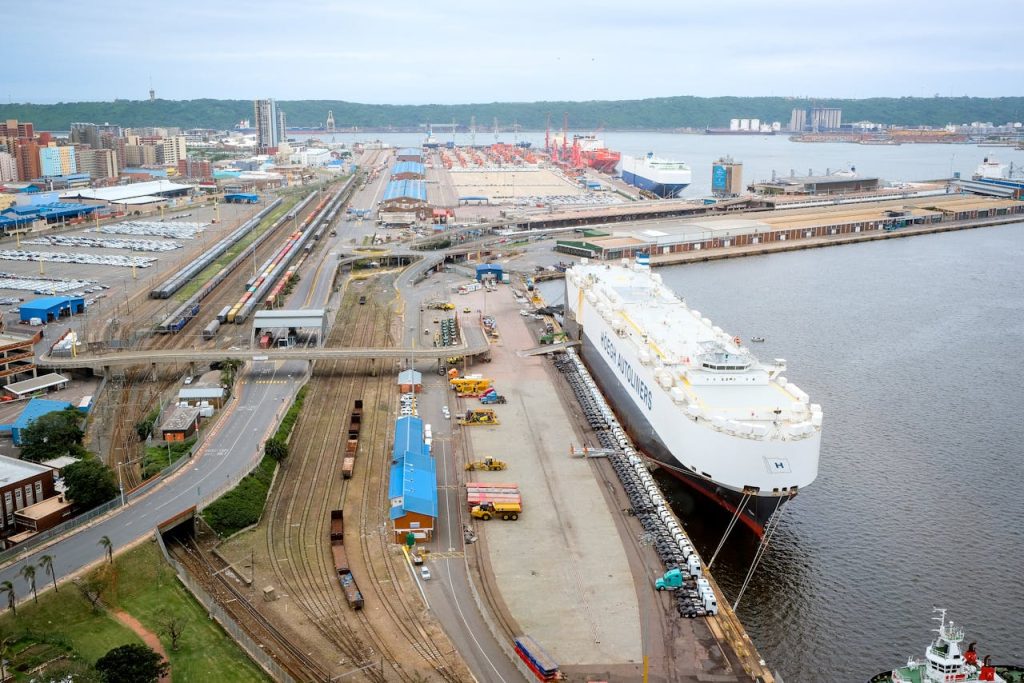
Relying on traditional mineral suppliers in Australia or Latin America exposes Chinese firms to geopolitical risks. Investing in Guinea provides a direct, resilient link to raw materials via established Atlantic shipping routes.
Roadmap for Successful Investment
Navigating the Guinean market requires a structured approach to mitigate risks.
Step 1: Market and Technical Research
Before breaking ground, manufacturers must evaluate specific solar irradiation data and proximity to planned mining corridors like the Simandou range.
Step 2: Legal and Contractual Integrity
Using bilingual contracts and clear arbitration clauses is essential. Guinea recognizes international arbitration, providing a secure layer for Chinese legal teams.
Step 3: Local and Institutional Partnerships
Collaborating with Guinea’s energy agencies and local procurement managers is vital for navigating the permitting landscape.
Step 4: Environmental and Social Governance (ESG)
Projects must prioritize local employment and environmental compliance. This not only meets global standards but ensures long-term project stability.
Addressing Risks and Challenges
No investment is without risk, and Guinea is no exception. Investors must factor in:
- Political Transition: While reforms are ongoing, governance continues to evolve.
- Infrastructure Gaps: Logistics for transporting solar components to remote areas must be planned in advance.
- Currency Fluctuations: Hedging strategies for the Guinean Franc are recommended.
FAQ: Solar Investment for Chinese EV Firms
Q1: Why is Guinea better for solar-EV investment than other African countries? Guinea offers a unique combination of abundant solar irradiation and the world’s largest bauxite reserves. This allows EV firms to integrate energy production directly with raw material extraction.
Q2: What are the main benefits for Chinese EV firms? The primary benefits include sustainable production, secure access to battery minerals, and enhanced global competitiveness in the “Green” vehicle market.
Q3: How can we mitigate political and legal risks? By using airtight contracts under OHADA law, including ICC arbitration clauses, and partnering with reliable local advisors.
Q4: Is there potential for energy export? Yes. Guinea’s solar and hydro potential could eventually allow it to export clean electricity to the wider West African region, providing a secondary revenue stream for investors.
Q5: What solar projects are currently most promising? Utility-scale solar farms for mining concessions and hybrid solar-hydro projects are the most promising for industrial-scale investors.
Conclusion: A Strategic Imperative for China’s EV Giants
For Chinese EV manufacturers, Guinea is more than just a source of raw materials it is a strategic partner in the transition to a global green economy. By investing in solar farms Guinea, these companies can secure their supply chains, reduce their carbon footprint, and ensure their long-term leadership in the electric mobility sector.
The infrastructure is being built, the minerals are ready, and the sunlight is abundant. The time to act is now.
Secure Your Green Future with Yes! Invest Guinea
At Yes! Invest Guinea, we specialize in bridging the gap between global investors and Guinea’s vast renewable and mineral potential. Our team provides the local intelligence, legal support, and institutional connections you need to successfully deploy solar-mining projects.
Contact Yes! Invest Guinea today to receive our 2026 Solar-Mining Investment Prospectus.