The global energy landscape is undergoing a profound transformation, yet the strategic importance of hydrocarbons remains a cornerstone of industrial development and energy security. While the Republic of Guinea has long been celebrated for its terrestrial mineral wealth, the year 2026 marks a historic pivot toward the sea. The Oil and Gas Prospects in Guinea’s offshore basins are now being recognized as one of the last great frontier opportunities in the Atlantic Margin. With advanced seismic mapping and a modernized regulatory framework, Guinea is positioning itself to follow the footsteps of major regional successes in Guyana and Senegal.
For institutional investors and global energy conglomerates, Guinea offers an unhedged entry point into a region characterized by high geological probability and significant under-exploration. This article provides a comprehensive analysis of Guinea’s offshore potential, the technical advancements driving exploration, and the strategic advantages of participating in Guinea’s burgeoning energy sector.
The Geological Frontier: Guinea’s Offshore Potential
Guinea sits on the MSGBC (Mauritania-Senegal-Gambia-Bissau-Conakry) Basin, a geological province that has yielded some of the world’s most significant offshore discoveries over the last decade.
1. The Atlantic Margin Analogy
The geological “mirror image” theory suggests that the sedimentary basins of West Africa share the same prolific source rocks as those found in South America. Preliminary data from Guinea’s offshore blocks indicates the presence of Cretaceous fan systems the same structures that host massive oil reserves in the Suriname-Guyana basin. By leveraging high-resolution 3D seismic technology, explorers are now identifying high-confidence targets in Guinea’s deepwater and ultra-deepwater territories.
2. Proven Source Rocks and Reservoir Maturity
Research supported by the International Energy Agency (IEA) indicates that the West African margin possesses the thermal maturity required for significant hydrocarbon generation. Guinea’s offshore blocks show evidence of thick sedimentary sequences and robust structural traps, which are essential for the accumulation of commercial quantities of oil and natural gas.
Strategic Opportunities in Offshore Exploration 2026
The exploration of Oil and Gas Prospects in Guinea is divided into several high-value segments, offering diverse entry points for energy firms and service providers.
Shallow Water vs. Deepwater Exploration
Guinea’s maritime territory is divided into several blocks, ranging from the continental shelf to the abyssal plain.
- Shallow Water Blocks: These areas offer lower operational costs and faster development timelines. They are ideal for independent operators looking for manageable exploration risks.
- Deepwater and Ultra-Deepwater: This is where the “elephant-sized” prospects reside. These blocks require the technical expertise and capital intensity of International Oil Companies (IOCs) but offer the potential for world-class discoveries.
Natural Gas and the Energy Transition
In the context of 2026’s global energy transition, natural gas is viewed as a critical “bridge fuel.” Guinea’s prospects include significant gas-prone structures that could support:
- Gas-to-Power Projects: Fueling Guinea’s industrialization and mining operations with cleaner, domestic energy.
- Liquefied Natural Gas (LNG) Exports: Positioned strategically for export to European and Asian markets.
Oilfield Services and Infrastructure
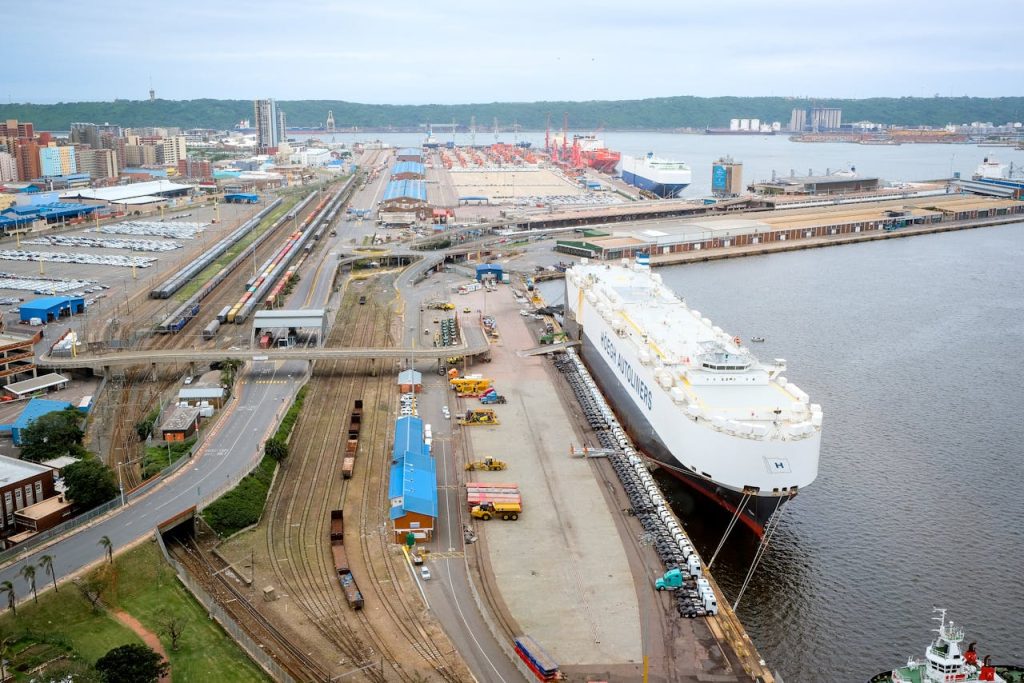
The rise of offshore activity creates a massive requirement for secondary services. This includes specialized maritime logistics, underwater engineering, and the development of shore bases at the Port of Conakry and Kamsar.
Why Invest in Guinea’s Energy Sector Now?
The Republic of Guinea has spent the last several years refining its “Petroleum Code” to ensure a transparent and competitive environment for foreign direct investment.
1. Competitive Fiscal and Contractual Terms
The 2026 Petroleum Code offers a balanced Production Sharing Contract (PSC) model. Key incentives include:
- Flexible Exploration Periods: Allowing sufficient time for comprehensive seismic evaluation.
- Cost Recovery Mechanisms: Ensuring that investors can recover their exploration and development CAPEX before significant profit-sharing begins.
- Tax Stability Clauses: Protecting long-term investments from sudden changes in the fiscal regime.
2. Legal Security through OHADA and ITIE
As a member of the OHADA framework, Guinea provides a standardized commercial legal system. Furthermore, Guinea’s commitment to the Extractive Industries Transparency Initiative (EITI) ensures that all oil and gas revenues are managed with the highest standards of international transparency and accountability.
3. Proximity to Global Markets
Guinea’s Atlantic coastline provides a direct, ice-free route to major global refining hubs. This geographic advantage results in lower transportation costs and reduced geopolitical transit risks compared to landlocked or Middle Eastern producers.
The Roadmap to Successful Offshore Operations
- Technical Due Diligence: Accessing existing 2D and 3D seismic data through the National Petroleum Office (ONAP) to identify high-prospectivity blocks.
- Strategic Partnerships: Forming consortiums that combine international capital with local insights. Yes! Invest Guinea facilitates these high-level connections.
- Environmental and Social Impact (ESIA): Ensuring that offshore activities align with the highest marine conservation standards and benefit coastal communities.
- Local Content Compliance: Investing in the training of Guinean engineers and technicians, ensuring a sustainable and integrated workforce.
FAQ: Oil and Gas Prospects Guinea
- What is the status of current offshore drilling in Guinea?
As of 2026, several international firms are in the advanced stages of seismic interpretation, with multiple “wildcat” exploration wells planned for the upcoming seasons.
- Are there opportunities for independent oil companies?
Absolutely. While deepwater projects attract majors, the shallow-water blocks and service sectors are ideal for mid-sized independent firms looking for high-growth potential.
- How does the government manage environmental risks in offshore drilling?
Guinea adheres to strict international environmental protocols. All operators are required to have comprehensive oil spill response plans and must conduct regular environmental audits.
- Can oil and gas projects benefit from “Free Trade Zone” status?
Yes, integrated projects that include onshore processing or refining may qualify for specific fiscal benefits within Guinea’s Special Economic Zones.
- How can Yes! Invest Guinea assist energy investors?
Yes! Invest Guinea provides institutional liaison with the Ministry of Energy and Mines, helps navigate the petroleum licensing process, and identifies local partners for logistics and service contracts.
Conclusion: Tapping the Atlantic’s Next Energy Giant
The Republic of Guinea is on the cusp of an energy revolution. Oil and Gas Prospects: Offshore Exploration in Guinea represent the next great chapter in the nation’s resource story. By combining geological ingenuity with a pro-investment climate, Guinea is ready to welcome the partners who will help power its future.
In 2026, the Atlantic Margin is no longer just a map it is a destination for the world’s most ambitious energy leaders. The source rocks are ready; the data is clear; the opportunity is yours.
Ignite Your Investment with Yes! Invest Guinea
At Yes! Invest Guinea, we are your strategic gateway to the energy sector. From exploration permits to shore-base logistics, our team provides the local intelligence and institutional access you need to succeed.
Contact Yes! Invest Guinea today to receive our 2026 Offshore Energy Prospectus.