Few countries on earth carry the geological weight of Guinea. While the world debates where the next generation of critical minerals will come from, Guinea already holds the answer sitting on reserves so vast they defy easy comparison. The country holds from one-third to one-half of the world’s known reserves of bauxite, plus significant reserves of high-grade iron ore at Mount Nimba and the Simandou Mountains. And that is before counting its gold, diamonds, uranium, graphite, and copper.
For investors researching the mining sector in Guinea, this guide from Yes! Invest Guinea provides an authoritative, up-to-date overview of every major sub-sector, the legal framework governing investment, and the practical entry points available today.
Why Guinea’s Mining Sector Is at an Inflection Point
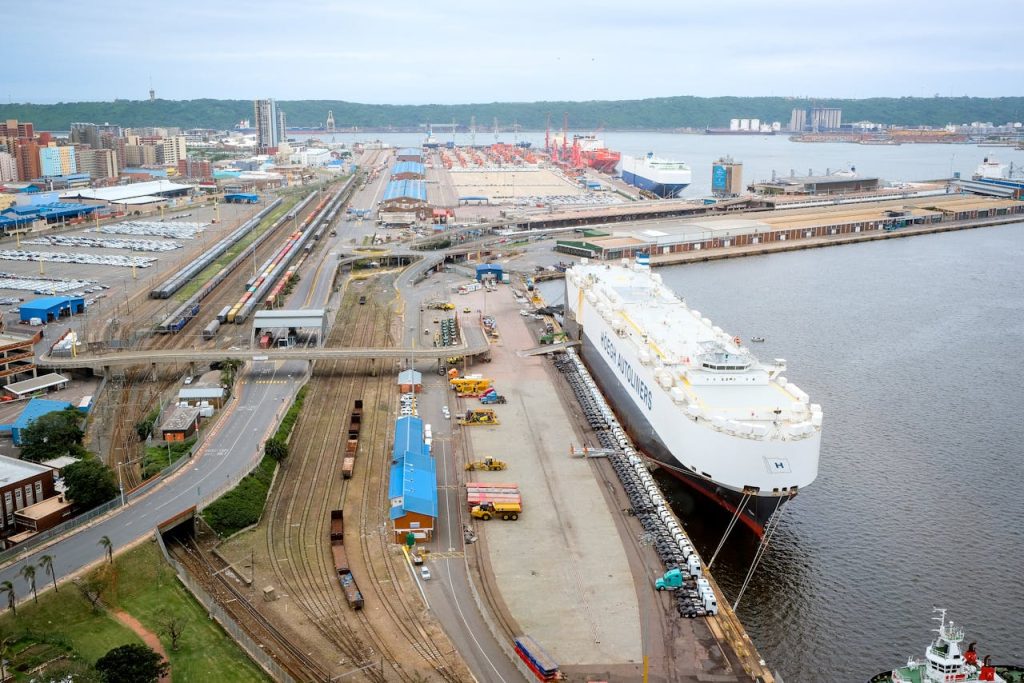
Guinea’s mining industry is not just large it is accelerating. Trade data shows that the country exported 48.6 million tons of bauxite in Q1 2025, a 39% increase from Q1 2024, driven by surging Chinese demand and expanded port infrastructure. That momentum is being matched by structural improvements: the country nearly doubled its port capacity in 2025, from five to nine export-ready facilities, alleviating bottlenecks and supporting higher throughput.
The mining industry contributes between 12% and 15% of Guinea’s GDP through a range of operations, and the government has undertaken a series of reforms since 2011 to ensure that the country’s natural mining resources contribute sustainably and effectively to the country’s economic and social growth.
This combination of accelerating output, expanding infrastructure, and active regulatory reform makes 2026 one of the most consequential moments to enter or deepen a position in Guinea’s mining sector.
The Four Pillars of Guinea’s Mining Sector
Bauxite: Guinea’s Crown Jewel
Holding approximately one-third of the world’s bauxite reserves estimated at over 7.5 billion metric tons Guinea represents an unparalleled opportunity for mining investment and development.
Guinea’s bauxite deposits are distinguished not only by their quantity but also by their exceptional quality. The country’s reserves contain high alumina content, typically ranging from 40% to 60%, with relatively low silica levels characteristics that make Guinean bauxite particularly attractive for aluminum production. Primary deposits are concentrated in the Boké region, the Kindia region, and the Sangaredi plateau.
The major operators reflect the sector’s global significance. The Compagnie des Bauxites de Guinée (CBG), a joint venture involving the Guinean government, Alcoa, Rio Tinto, and Dadco, has been operating since 1973 and remains one of the largest producers. Meanwhile, the Société Minière de Boké (SMB) a Sino-Singaporean consortium has emerged as a significant force, and Guinea Alumina Corporation (GAC) reflects China’s sustained strategic interest in securing long-term supply.
Critically, Guinea is now pushing value-chain integration beyond raw exports. Regulatory clarity around key initiatives, including in-country alumina refining projects like China’s State Power Investment Corporation’s, signals a strong push toward local value addition. Guinea has also introduced a bauxite reference price to curb underpricing by mining companies, according to the U.S. Trade Administration’s Guinea Mining and Minerals guide, expected to generate tens of millions of dollars in additional government revenue annually.
Iron Ore: The World’s Largest Untapped Deposit
The Simandou region holds some of the largest undeveloped high-grade iron ore deposits globally, representing a significant future potential for the country. Projects like the Simandou iron ore mine, involving companies such as Rio Tinto and the Winning Consortium Simandou (WCS), aim to unlock billions of tonnes of high-quality ore, requiring massive infrastructure investment including new railway lines and port facilities.
According to Guinea Mining Insights, the Simandou North Project (Blocks 1 and 2) is actively ramping up, while Simandou South (Blocks 3 and 4) remains on track signaling that this long-discussed project is finally transitioning from planning to production. The 650-kilometer Trans-Guinean railway connecting Simandou to the coast is the backbone infrastructure that makes this possible, and its completion is expected to transform Guinea’s role in global steel supply chains.
Gold: From Artisanal to Industrial Scale
Alluvial gold is taken from the Niger and its tributaries, and diamond production is substantial and largely of gem-quality stones. In 2022, Guinea exported USD 5.8 billion worth of gold, according to the U.S. Trade Administration making it the country’s second-largest export earner after bauxite. The gold sector is now undergoing a modernization shift: Guinea has recently announced moves to end raw gold exports as a local refining strategy gains momentum, signaling that the same value-addition logic reshaping bauxite is now being applied to precious metals as well.
Active projects include the Kada Gold Project (currently operating) and the Kiniero Gold Mine Project (in exploration), reflecting continued industry confidence in Guinea’s gold potential, according to Guinea Mining Insights’ current project tracker.
Diamonds, Uranium, and Emerging Minerals
Uranium reserves were discovered near Kissidougou, in the Forest Region, in 2007. The Guinean mining sector includes significant uranium, graphite, copper and petroleum deposits that remain commercially underdeveloped — a gap that represents opportunity for explorers and early-stage investors willing to establish ground-floor positions before these minerals enter the same growth phase bauxite already has.
Legal Framework: What Investors Need to Know
There are no special rules on foreign investment approval in the Republic of Guinea. Moreover, there are no restrictions on foreign investment in the exploration and mining sectors of the country.
According to the Chambers and Partners Mining 2026 Practice Guide for Guinea, the legal framework is built around a structured system of exploration permits, exploitation permits, and mining concessions each with defined timelines, renewal conditions, and area limits. Mining licenses run for 15-year periods and can be extended, while mining concessions operate over 25-year terms renewable under the same conditions.
Investors also benefit from Guinea’s alignment with the OHADA legal framework, which ensures mining concessions, joint ventures, and commercial disputes are handled under internationally recognized standards a critical protection for long-term capital deployment.
How Yes! Invest Guinea Supports Mining Sector Investors
Yes! Invest Guinea works across the full spectrum of Guinea’s mining sector to connect investors with structured, compliant, and commercially viable opportunities. Our support includes:
- Bauxite and alumina concession identification and joint venture structuring
- Navigation of the CPDM One Stop Shop and Ministry of Mines approval process
- Environmental and Social Impact Assessment coordination with BGEEE and CTAE
- Introductions to active operators, logistics providers, and development finance institutions
- Advisory on Guinea’s evolving local value-addition and refining policy landscape
Frequently Asked Questions
1. What minerals can investors access in Guinea’s mining sector? Guinea’s mining sector spans bauxite, iron ore, gold, diamonds, uranium, graphite, copper, and nickel. Bauxite and iron ore are the most developed, while gold, copper, and uranium represent emerging opportunities.
2. Are there restrictions on foreign ownership in Guinea’s mining sector? No. There are no restrictions on foreign investment in Guinea’s exploration and mining sectors, and no special approval rules beyond the standard permit and licensing process managed through the CPDM and Ministry of Mines.
3. What is driving the current growth in Guinea’s bauxite exports? Surging Chinese demand for aluminum used in electric vehicles and construction, combined with Guinea’s infrastructure expansion — including nearly doubling port export capacity in 2025 — have driven record export volumes.
4. When will the Simandou iron ore project begin full production? Both the North and South Simandou projects are actively advancing as of 2026, with the Trans-Guinean railway infrastructure now progressing. Production timelines are project-specific and continue to evolve.
5. How can Yes! Invest Guinea help investors enter the mining sector? Yes! Invest Guinea provides concession identification, regulatory coordination, ESIA facilitation, and introductions to operators and financiers across bauxite, iron ore, gold, and emerging mineral sub-sectors.
Position Yourself in Guinea’s Mining Sector Now
Guinea’s mining sector is large, accelerating, and structurally open to foreign investment across bauxite, iron ore, gold, and a pipeline of emerging minerals. The legal framework is clear, the infrastructure is expanding, and the reform momentum is real. The investors who establish positions now will be best placed to benefit as each of these sub-sectors continues to mature.
Contact Yes! Invest Guinea today to explore mining investment opportunities tailored to your strategy, sector focus, and risk profile.