The world is being rewired literally. Electric vehicles are replacing combustion engines. Solar panels are covering deserts and rooftops. Wind towers are rising from coastlines. And all of it requires aluminum: in battery housings, power cables, structural frames, heat management systems, and packaging. Global demand for aluminum is accelerating at exactly the moment when Guinea the world’s single largest bauxite reserve holder is finally building the processing infrastructure to move from raw ore exporter to alumina producer.
The timing is not a coincidence. It is an investment thesis.
In this guide, Yes! Invest Guinea examines the global demand forces reshaping the bauxite and alumina market, why Guinea is strategically positioned to benefit more than any other producing nation, and where the investment opportunity sits for capital willing to enter ahead of the sector’s next growth phase.
The Global Aluminum Demand Story Is Structural, Not Cyclical
Aluminum demand is no longer driven primarily by traditional industrial cycles. A new and more durable set of demand drivers has emerged ones tied to the energy transition, electrification, and urban infrastructure and they are growing simultaneously rather than in sequence.
According to the International Aluminium Institute, the electrical sector alone will require an additional 5.2 million tonnes of aluminum by 2030, driven by the transition to renewable energy infrastructure including power cables, transformers, and solar panel frames. The construction sector will add another 4.6 million tonnes of demand over the same period, tied to urbanization across Asia. Packaging demand is rising from 7.2 million tonnes in 2020 toward 10.5 million tonnes by 2030, driven by the global shift toward canned drinks and sustainable packaging over single-use plastics.
Electric vehicles sit on top of all of this. The SFA Oxford analysis of the aluminum market confirms that global aluminum demand is rising rapidly, driven by decarbonisation policies, vehicle electrification, renewable energy deployment, and sustainable packaging growth reshaping markets in ways that are prompting major structural shifts across the entire upstream supply chain. Each electric vehicle requires substantially more aluminum than a comparable combustion-engine vehicle, for battery housings, structural components, and thermal management systems.
The result: the global bauxite market is projected to reach $17.1 billion in 2026, according to Persistence Market Research’s global bauxite market analysis, driven specifically by rising aluminum demand from electric vehicles and renewable energy infrastructure. Guinea’s Q3 2025 bauxite exports reached 39.41 million metric tonnes 23% growth compared to Q3 2024 demonstrating the country’s dominant position as global bauxite supply foundation even against a backdrop of regulatory constraints on raw exports.
Why Guinea Is the Center of the Global Bauxite Supply Chain
Guinea and Australia together account for approximately 55% of global bauxite production, according to analysis from Discovery Alert’s global bauxite production research. This concentration gives these two nations an extraordinary degree of strategic leverage over the global aluminum supply chain and it creates a vulnerability that major consuming nations are acutely aware of. When Australia banned alumina and bauxite exports to Russia in 2022, it disrupted traditional trade patterns almost instantly, underlining how quickly supply-chain sensitivity to export controls translates into real industrial consequences.
Guinea’s position within this duopoly is unique for one critical reason: quality. Guinea’s bauxite is predominantly gibbsite-dominant, with aluminum oxide content typically ranging from 40% to 60% and low silica impurities. According to the Global Growth Insights alumina and bauxite market report, the global alumina and bauxite market was valued at $84.5 billion in 2025 and is projected to reach $88.8 billion in 2026 with Guinea singled out as accounting for over 24% of global bauxite resources, with annual exports exceeding 80 million tonnes.
This resource concentration is not just a geological fact it is a strategic leverage point. Governments and companies building aluminum supply chains for the electric vehicle and renewable energy era cannot afford to ignore Guinea, and increasingly they are not.
The Price Gap That Makes Alumina Refining So Compelling
The financial case for investing in alumina refining rather than raw bauxite export is stark. According to reporting from Trends in Africa’s analysis of Guinea’s bauxite and green energy nexus, alumina processed from bauxite is currently worth four to five times more than raw bauxite on the London Metal Exchange.
That multiplier is the entire rationale behind Guinea’s government policy of mandating refinery construction as a condition of concession retention. And it explains why over $3 billion in refinery investment has already been committed in Guinea from the $1.2 billion WCAG refinery now under construction in Boké, to the SPIC refinery with its dedicated 250 MW power plant, to the Chalco joint venture announced in May 2026 targeting up to 2 million tonnes of annual alumina production capacity.
The same analysis notes that the alumina industry globally could be valued at $66 billion by 2035, according to Roots Analysis a projection that reflects not just volume growth but the premium that low-carbon, responsibly sourced alumina is beginning to command as manufacturers implement Scope 3 emissions commitments across their supply chains.
The Green Aluminum Premium: Why ESG Is Now a Price Signal
The aluminum sector accounts for approximately 2% of global greenhouse gas emissions, according to the International Renewable Energy Agency. As industrial manufacturers in Europe, North America, and Japan implement emissions reduction commitments that extend into their supply chains, the carbon footprint of aluminum production from bauxite extraction through smelting is becoming a price-relevant factor, not just a reputational one.
IRENA predicts a 30% rise in aluminum demand by 2030 specifically tied to renewable energy and electric vehicle industries, alongside strategies for achieving carbon neutrality in aluminum production through renewable energy integration. Guinea’s extraordinary hydropower potential the country is West Africa’s “water tower” with among the largest undeveloped hydroelectric resources on the continent positions it to eventually supply low-carbon alumina refined using renewable power.
This green premium dynamic creates a dual investment opportunity in Guinea: alumina refining capacity itself, and the renewable energy infrastructure needed to produce alumina at carbon footprints that command premium pricing in international markets. Investors who can contribute both or facilitate the combination of refining and clean power are entering at the intersection of two of the fastest-growing global investment themes simultaneously.
What the Supply Chain Looks Like From a Guinean Base
Understanding where in the aluminum value chain a Guinean investment sits helps investors define their opportunity precisely:
Tier 1 — Bauxite Mining: Guinea already dominates this tier. Existing operators including CBG, SMB, and GAC have been in production for years. Entry at this level requires significant capital and a mining concession — the most complex entry point, though still accessible through the CPDM and Ministry of Mines permit pathway.
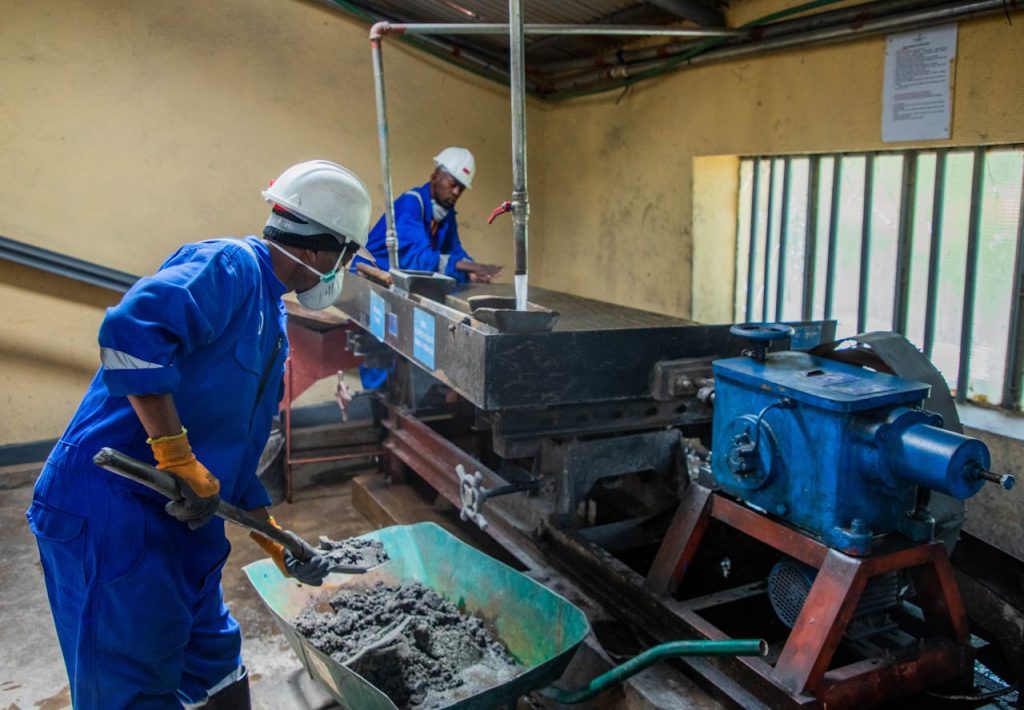
Tier 2 — Alumina Refining: This is the tier Guinea’s government is prioritizing, and where the four-to-five-times price multiplier over raw bauxite is captured. Three major refineries are already under construction, with a government target of five to six facilities by 2030. Equity participation in refinery development, or supply of services, energy, and construction materials to operating refineries, represents the most active opportunity tier in 2026.
Tier 3 — Energy Supply for Refining: Producing one tonne of aluminum requires approximately 3,000 kWh of energy compared to just 34 kWh for raw bauxite extraction. Energy is the largest operating cost in alumina refining — and Guinea’s hydropower potential creates a structural opportunity to supply this energy from renewable sources, capturing the green premium while reducing dependence on imported fuel.
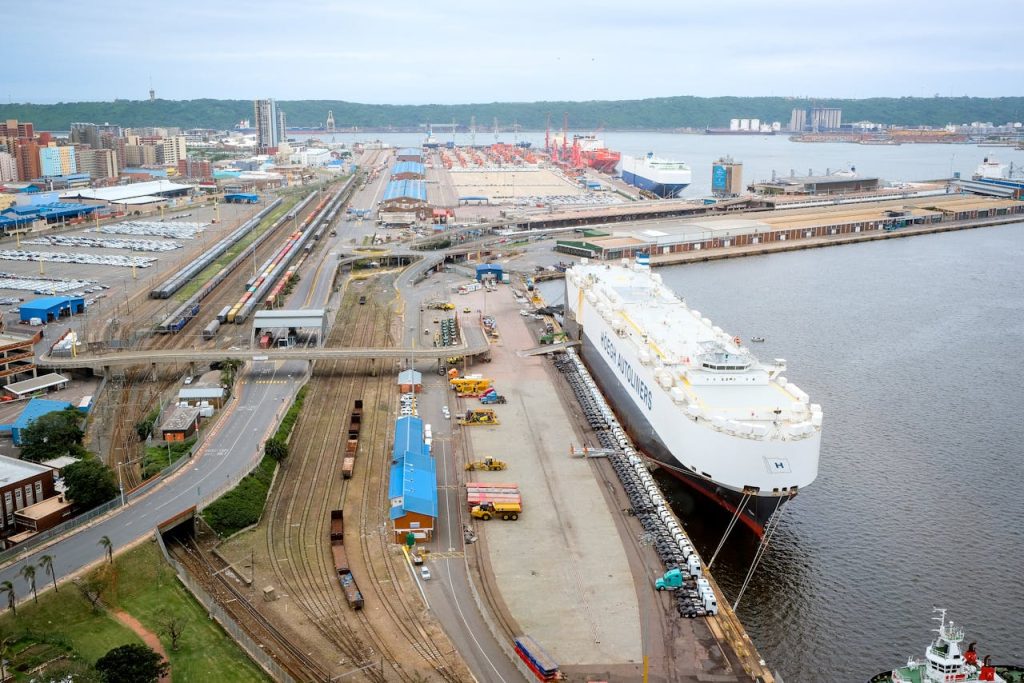
Tier 4 — Logistics and Export Infrastructure: Guinea’s port capacity has nearly doubled in the past year. Logistics services, terminal operations, and export infrastructure supporting both raw bauxite and processed alumina represent an accessible entry point with lower capital intensity than upstream mining or refining.
How Yes! Invest Guinea Supports Bauxite and Alumina Investors
Yes! Invest Guinea connects investors with structured opportunities across Guinea’s entire bauxite and alumina value chain. Our support includes:
- Identifying equity, service-layer, and logistics entry points within the refinery development pipeline
- Facilitating introductions to operating consortia including WCAG, Chalco/GAC, and SPIC
- Coordinating with the Ministry of Mines and Geology and APIP for concession and permit navigation
- Advising on Investment Code incentives available to processing and industrial investors
- Connecting clean energy investors with alumina refinery operators seeking renewable power supply partnerships
Frequently Asked Questions
- Why is global demand for Guinea’s bauxite and alumina growing? The energy transition is driving simultaneous demand growth for aluminum across electric vehicles, renewable energy infrastructure, sustainable construction, and packaging — all of which trace back to bauxite as the primary upstream input.
- What is the price difference between raw bauxite and processed alumina? Alumina processed from bauxite is currently worth four to five times more than raw bauxite on the London Metal Exchange, which is the core financial rationale driving Guinea’s domestic refining investment push.
- How does the green aluminum premium create additional investment opportunity in Guinea? As industrial manufacturers implement Scope 3 emissions commitments, alumina refined using renewable energy commands a growing premium. Guinea’s substantial hydropower potential positions it to supply low-carbon alumina, creating investment opportunity in both refining capacity and the clean energy infrastructure that powers it.
- What are the different investment tiers within Guinea’s bauxite and alumina value chain? The four tiers are: bauxite mining, alumina refining, energy supply for refining operations, and logistics and export infrastructure. Each carries different capital requirements and complexity levels, with alumina refining and energy supply representing the most active opportunity tiers in 2026.
- How can Yes! Invest Guinea help investors access the bauxite and alumina sector? Yes! Invest Guinea identifies equity and service-layer opportunities, facilitates introductions to operating refinery consortia, and coordinates with government agencies and APIP for permit and Investment Code access.
Enter Guinea’s Bauxite and Alumina Sector at the Most Consequential Moment in Its History
The global demand for low-carbon aluminum is accelerating. Guinea holds the world’s largest bauxite reserves and is building the refining infrastructure to capture a far larger share of the aluminum value chain. The investors who enter now in refining, clean energy, or logistics are positioning ahead of the growth, not behind it.
Connect with Yes! Invest Guinea today to explore how your investment strategy can align with Guinea’s bauxite and alumina refining transformation.