Guinea sits on one of the richest mineral endowments in West Africa, and that wealth is now being channeled into a deliberate industrialization strategy. Rather than simply exporting raw ore, the government is pushing hard toward local beneficiation turning bauxite, iron ore, and other resources into cement, alumina, bricks, and other construction materials that can be used domestically and exported at higher value. For investors, this shift opens one of the most compelling opportunities in the country: construction materials manufacturing and industrialization.
In this guide, Yes! Invest Guinea explains why this sub-sector is gaining momentum, which projects are already underway, and how investors can position themselves to benefit from Guinea’s industrial transformation.
Why Construction Materials Manufacturing Is Booming in Guinea
Guinea holds roughly a quarter of the world’s known bauxite reserves and was responsible for a significant share of global bauxite production in recent years, driven by major mining hubs such as Boké, Sangarédi, and Boffa. Historically, almost all of this bauxite was shipped abroad as raw ore. That is changing.
According to the African Development Bank’s bauxite sector factsheet, Guinea alone supplied a substantial portion of global bauxite output, and demand for bauxite-derived materials continues to be driven by the automotive, packaging, cement, and broader manufacturing sectors. The government has responded with policies designed to keep more of that value inside the country — including domestic shipping requirements and plans for a national Bauxite Index to bring transparency and predictability to the value chain.
From Raw Ore to Industrial Materials
A flagship example of this shift is the construction of a large-scale alumina refinery in Boké, valued at roughly USD 1.2 billion, designed to produce around 1.2 million tonnes of alumina annually. Projects like this mark a clear pivot away from exporting unprocessed bauxite and toward building the infrastructure that supports local industrial manufacturing a transformation directly relevant to investors in cement, alumina, and downstream construction materials.
Key Projects Driving Industrialization in Guinea
The Boké Mine, Rail, and Port Infrastructure Project
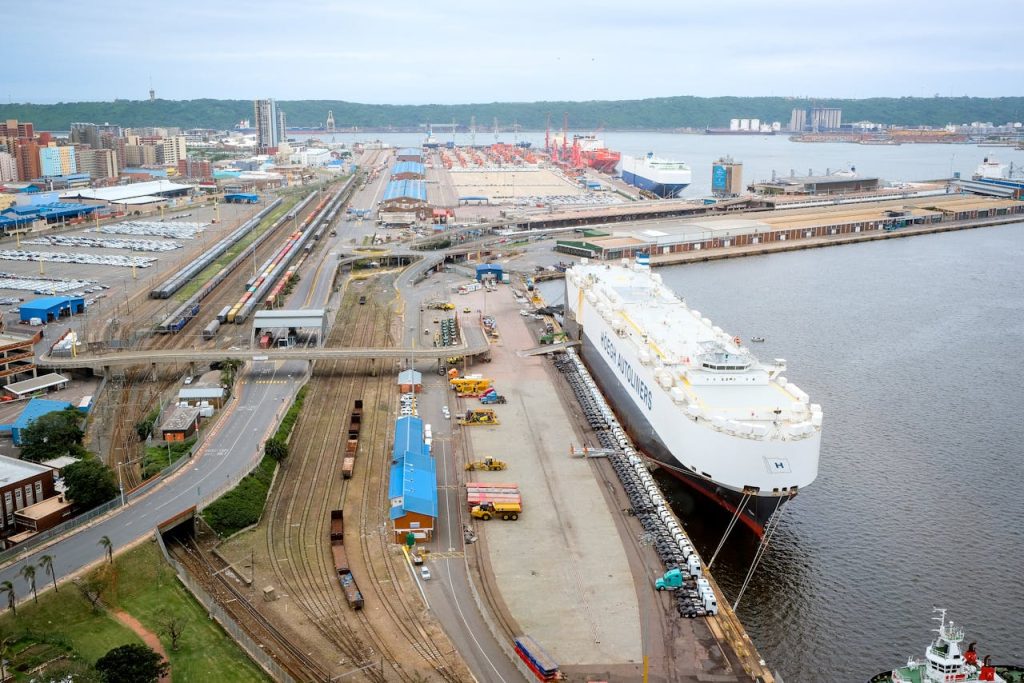
The African Development Bank has been a major financier of Guinea’s industrial buildout. Through its Boké Bauxite Mine and Infrastructure Project, the AfDB approved a USD 100 million senior loan toward a broader USD 1.4 billion development that includes mine expansion, port terminal upgrades, railway improvements, and the Kamsar Container Terminal expansion. This kind of infrastructure investment is foundational for any manufacturer that depends on reliable transport of raw materials and finished construction products.
Expansion by Major Bauxite Operators
The U.S. International Trade Administration’s Country Commercial Guide on Construction and Semi-Finished Materials notes that the Compagnie des Bauxites de Guinée (CBG) is undertaking an expansion project valued at USD 660 million, with U.S.-based Fluor leading infrastructure preparation. Meanwhile, High Power Exploration is advancing the Mount Nimba iron ore project in Guinea’s Forest Region. Combined, these projects signal sustained demand for construction inputs — cement, steel, aggregate, and prefabricated materials — over the next five to ten years.
Repurposing Bauxite Residue (Red Mud) for Building Materials
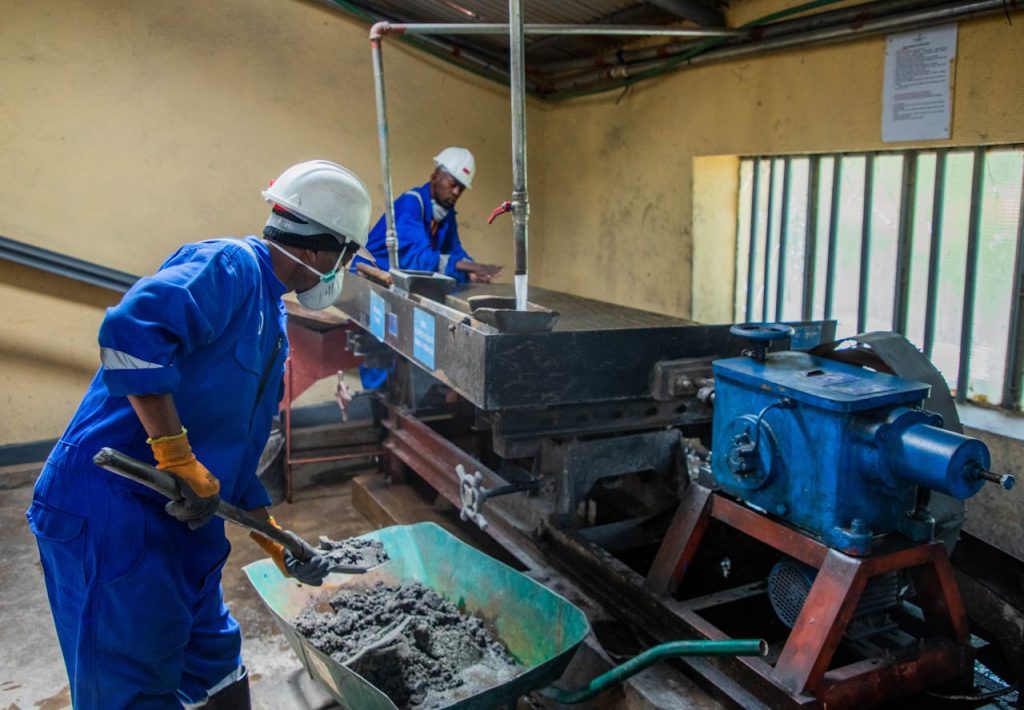
One of the more innovative frontiers in Guinea’s construction materials sector involves bauxite residue, commonly known as red mud a byproduct of alumina refining. Research published on red mud utilization shows it can be incorporated into unfired bricks, cement additives, and geopolymer-based building materials, offering both an environmental solution and a new manufacturing opportunity. As Guinea scales up alumina production, the volume of available residue will grow substantially, creating a long-term feedstock opportunity for entrepreneurs willing to invest in sustainable construction material technologies.
Investment Opportunities in Guinea’s Construction Materials Sector
Cement and Aggregate Production
With major mining, port, and rail projects underway across the country, demand for cement, crushed stone, and aggregate is rising steadily. Local production reduces reliance on imports and shortens supply chains for infrastructure developers.
Alumina and Value-Added Aluminum Products
As refining capacity expands in Boké, downstream opportunities emerge for manufacturers of aluminum-based construction components, from structural elements to fittings and cladding materials.
Sustainable and Recycled Building Materials
Investors focused on environmental, social, and governance (ESG) priorities can explore red mud–based bricks and geopolymer materials, positioning themselves at the intersection of industrial waste management and construction innovation.
Prefabricated and Modular Construction Components
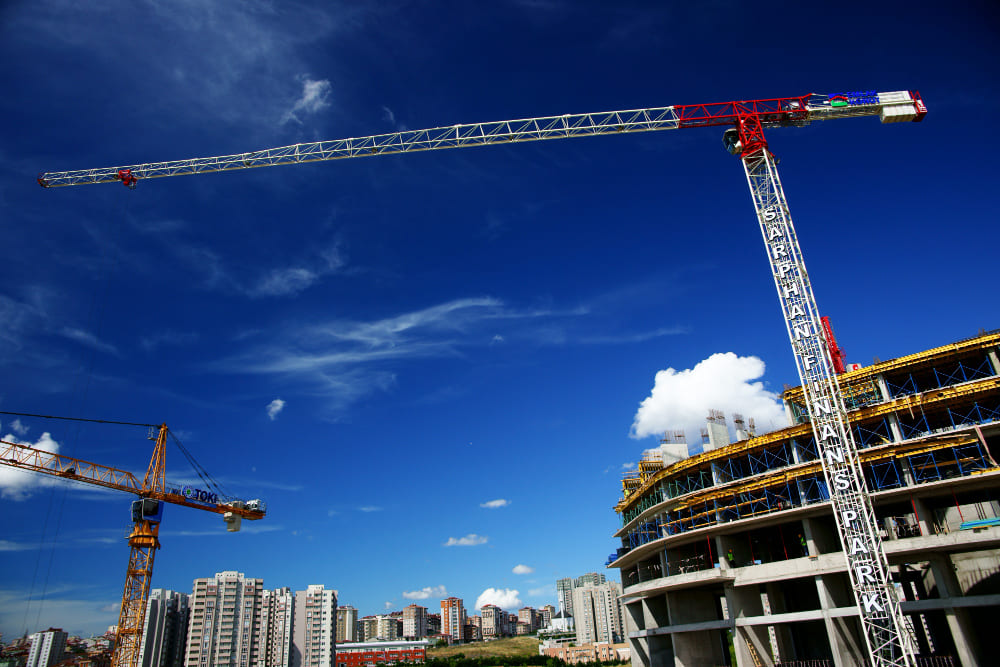
Guinea’s rapid urbanization and large-scale infrastructure pipeline create steady demand for prefabricated materials that can speed up construction timelines for housing, ports, and industrial facilities.
How Yes! Invest Guinea Supports Manufacturers and Industrial Investors
Entering Guinea’s construction materials sector requires more than capital it requires local insight, regulatory navigation, and the right partnerships. Yes! Invest Guinea works directly with manufacturers and industrial investors to:
- Identify viable sites near key infrastructure corridors such as Boké, Kamsar, and Conakry
- Facilitate introductions to government agencies overseeing industrial licensing and incentives
- Connect investors with established mining and infrastructure operators for potential supply partnerships
- Provide on-the-ground market intelligence on raw material availability, including bauxite residue streams
- Support compliance with Guinea’s evolving industrial and environmental regulations
Challenges to Consider Before Investing
While the opportunity is significant, investors should be realistic about the operating environment. Energy access remains a constraint in parts of the country, although the African Development Bank notes that embedding power generation within industrial complexes, or attracting dedicated private infrastructure investment, can help overcome this bottleneck. Logistics costs have also risen in recent years due to shipping delays and elevated freight expenses, making early planning around transport and port access essential for any manufacturing project.
Frequently Asked Questions
- What does “construction materials manufacturing” mean in Guinea’s investment context? It refers to producing materials such as cement, alumina-based products, bricks, and prefabricated components domestically, rather than relying solely on imports or exporting raw minerals like bauxite without processing.
- Why is Guinea attractive for construction materials manufacturing investment? Guinea holds vast bauxite and iron ore reserves, an expanding alumina refining sector, major infrastructure projects in progress, and government policies encouraging local value addition rather than raw material exports.
- What is bauxite residue (red mud), and why does it matter for construction materials? Red mud is a byproduct of alumina refining. It can be processed into bricks, cement additives, and geopolymer-based building materials, offering both an environmental benefit and a new manufacturing input as Guinea’s alumina industry grows.
- What are the biggest risks for construction materials investors in Guinea? Energy access limitations and rising logistics costs are the primary challenges, though large infrastructure investments from institutions like the African Development Bank are steadily addressing these gaps.
- How can Yes! Invest Guinea help investors enter this sector? Yes! Invest Guinea provides site selection support, regulatory guidance, introductions to mining and infrastructure partners, and ongoing market intelligence tailored to construction materials and industrial manufacturing projects.
Build Your Industrial Future in Guinea
Guinea’s industrialization push is creating real, long-term demand for construction materials manufacturers ready to invest in cement, alumina, sustainable building products, and prefabricated solutions. The window to establish an early foothold is open now.
Connect with Yes! Invest Guinea today to explore construction materials and industrial manufacturing opportunities across Guinea’s fastest-growing regions.