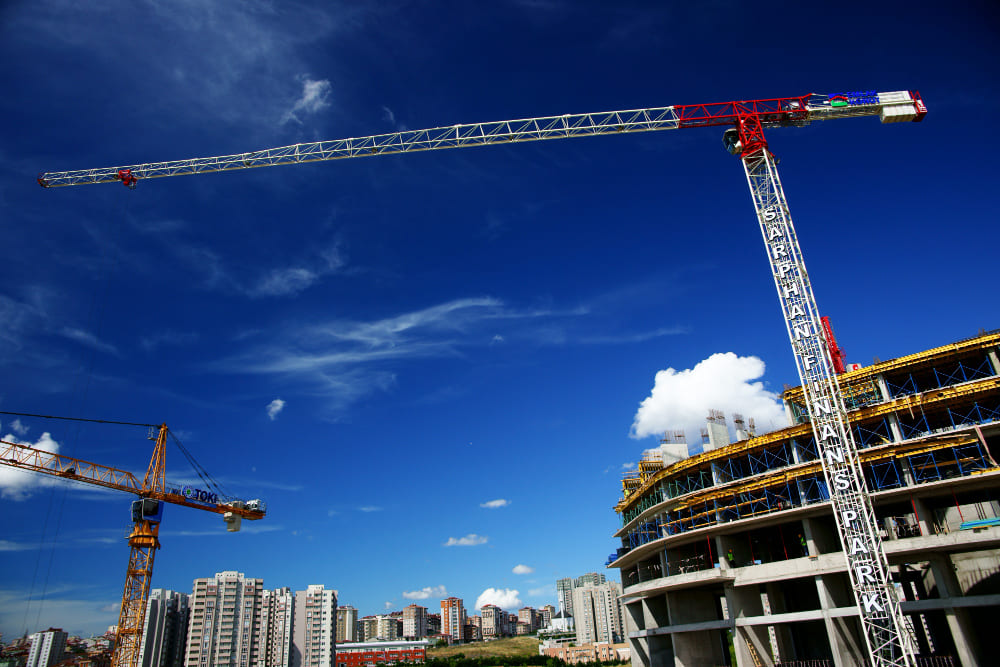
Guinea’s construction materials industry is living through a crisis that is also an investment opportunity. In mid-2025, Guinea experienced a severe cement shortage that halted private construction sites across the country, drove prices sharply higher, and prompted the construction sector to publicly demand urgent government intervention to stabilize supply. The country’s six cement producers operating seven plants could not meet demand. Quality concerns emerged alongside scarcity. Construction engineers called on the Ministry of Commerce to review the situation, warning that supply no longer met demand and that the quality of available cement had become questionable.
This is not a story of a sector in decline. It is the story of a sector growing faster than its supply infrastructure can keep pace with, driven by a USD 200 billion national investment program, a USD 20 billion mining project, the construction of a new government quarter in Conakry, and an urbanizing population generating housing demand that is outstripping everything the formal construction sector can deliver. For investors in Guinea’s construction materials industry, this supply-demand imbalance is the most direct commercial signal in the country’s economy.
Why Guinea’s Construction Materials Demand Is Accelerating
The Simandou 2040 Effect: Infrastructure at Unprecedented Scale
The single largest driver of construction materials demand in Guinea is the Simandou 2040 program, the government’s fifteen-year national development strategy anchored to the USD 20 billion Simandou iron ore project. The program encompasses USD 65 billion in planned investment between 2025 and 2030, covering 122 strategic projects and 36 structural reforms across 14 priority sectors. The infrastructure, energy, and transport pillar alone generates demand for cement, steel, aggregate, piping, electrical systems, and construction equipment on a scale that Guinea’s domestic supply base has never encountered before.
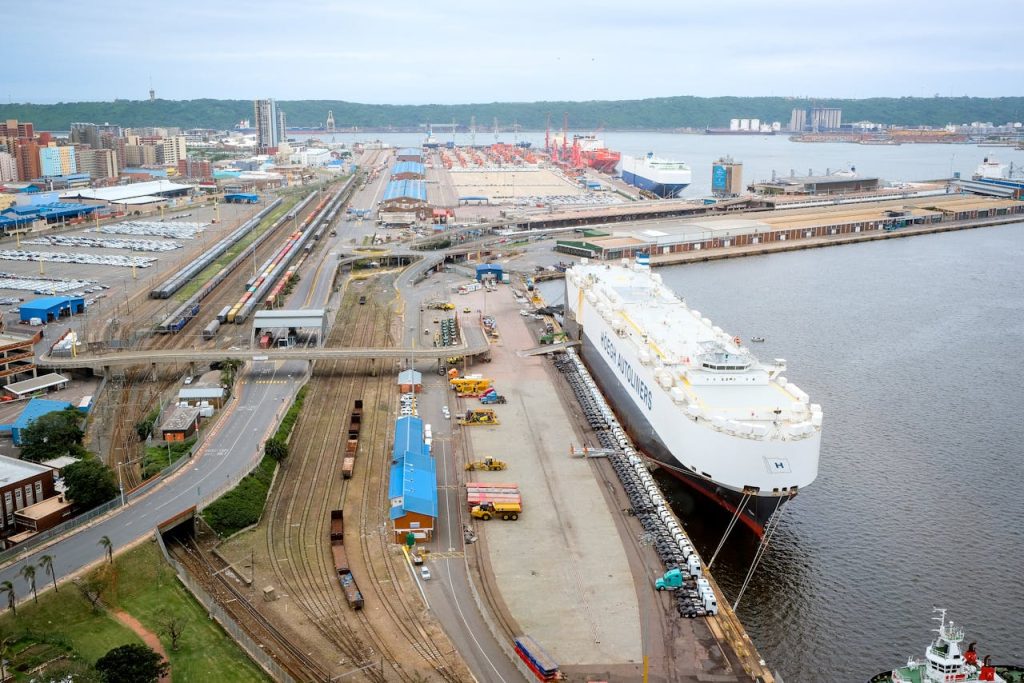
The Trans-Guinean Railway, the Morebaya deep-water port, national road network upgrades, new hydroelectric facilities, and industrial zone development all require enormous quantities of construction materials that must either be manufactured domestically or imported. As the U.S. Department of Commerce’s Guinea Construction and Semi-Finished Materials guide confirms, most construction materials in Guinea must be imported, and the best growth prospects in the sector revolve directly around mining operations and the infrastructure they demand.
Mining Expansion Creates Its Own Construction Economy
Beyond the Simandou corridor, Guinea’s bauxite mining cluster in the Boké and Boffa regions is simultaneously expanding processing capacity through five alumina refinery projects in various development stages. Each refinery is a major construction project in its own right, requiring civil works, structural steel, process piping, electrical and instrumentation installations, and worker accommodation infrastructure. The SPIC-Boffa alumina refinery, under construction since March 2025 with 1.2 million tonnes annual capacity and an integrated 250-megawatt power plant, exemplifies the scale of construction procurement that Guinea’s industrial pipeline is generating.
The Compagnie des Bauxites de Guinée (CBG) expansion project, valued at USD 660 million, is led by U.S.-based Fluor Corporation. The Mount Nimba iron ore project in Guinea’s Forest Region continues preparatory work through High Power Exploration’s (HPX) subsidiary. Major construction is also planned in Conakry’s Kipé neighborhood for the new government quarter over the coming years. Each of these projects is a sustained, multi-year demand anchor for construction materials supply.
Urbanization and the Housing Deficit
Guinea’s construction materials demand is not exclusively industrial. Conakry’s population is growing rapidly, and the city faces a structural housing deficit where World Bank data identifies significant supply shortfalls against documented demand. According to Africa Insights research on Guinea’s property market, Guinea’s real estate sector is in the early stages of formalization, with local developers, bank financing, and urban demand all beginning to converge. As formal housing development scales, its demand for cement, roofing materials, flooring, glass, and finishing materials grows in direct proportion.
Private developers including Kakandé Immo, a subsidiary of the Guicopres group, have been building modern residential schemes in Conakry for over fifteen years, and the partnership between B2D Immobilier Guinée and Ecobank Guinée in 2025 to facilitate home ownership financing reflects growing institutional engagement with Guinea’s housing market. Each new residential or commercial development project is a discrete demand signal for construction materials that the market must supply.
The Cement Shortage: A Market Failure That Defines the Investment Opportunity
Six Producers, Seven Plants, Still Not Enough
Guinea currently has six cement producers operating seven cement plants, according to Global Cement’s industry coverage of the Guinea market. This capacity base has proven insufficient to meet demand during the construction activity surge of 2025, with shortages reported across the country, prices spiking, and construction sites halted. The shortage was severe enough to prompt industry leaders to call publicly on the government for intervention, a clear signal that the gap between installed production capacity and actual market demand is substantial.
French development finance institution Proparco previously financed CIMAF Guinée’s expansion to increase grinding capacity from 0.5 to 1.5 million tonnes per year, acknowledging that CIMAF’s earlier capacity was “today saturated.” Even after this expansion, the 2025 shortage demonstrated that total market capacity remains inadequate. The investment case for additional cement production, clinker capacity, or competing construction materials is validated by a market that has publicly demonstrated it cannot meet demand from existing supply.
Beyond Cement: The Broader Materials Gap
The construction materials gap in Guinea extends well beyond cement. Steel fabrication, reinforcing bar, structural sections, roofing materials, hollow concrete blocks, ceramic tiles, glass, electrical conduit and wiring, PVC piping, and finishing materials are all predominantly imported, creating supply chain fragility and cost elevation across every construction project in the country.
The cement shortage of 2025 illustrated a systemic vulnerability: Guinea’s construction sector is highly dependent on a small number of imported or highly concentrated inputs, and any disruption to those inputs ripples across the entire sector. Investors who establish local production or reliable importation and distribution platforms for any of these materials enter a market with a captive customer base, minimal domestic competition, and structural demand that is not cyclical but foundational.
Investment Models in Guinea’s Construction Materials Industry
Cement Production and Clinker Manufacturing
The most direct investment in response to Guinea’s documented cement shortage is investment in additional grinding capacity or, for larger-scale investors, a fully integrated cement plant with domestic clinker production. Guinea has significant limestone deposits that provide local raw material access for clinker production, reducing the import dependency that makes grinding-only operations vulnerable to supply chain disruption.
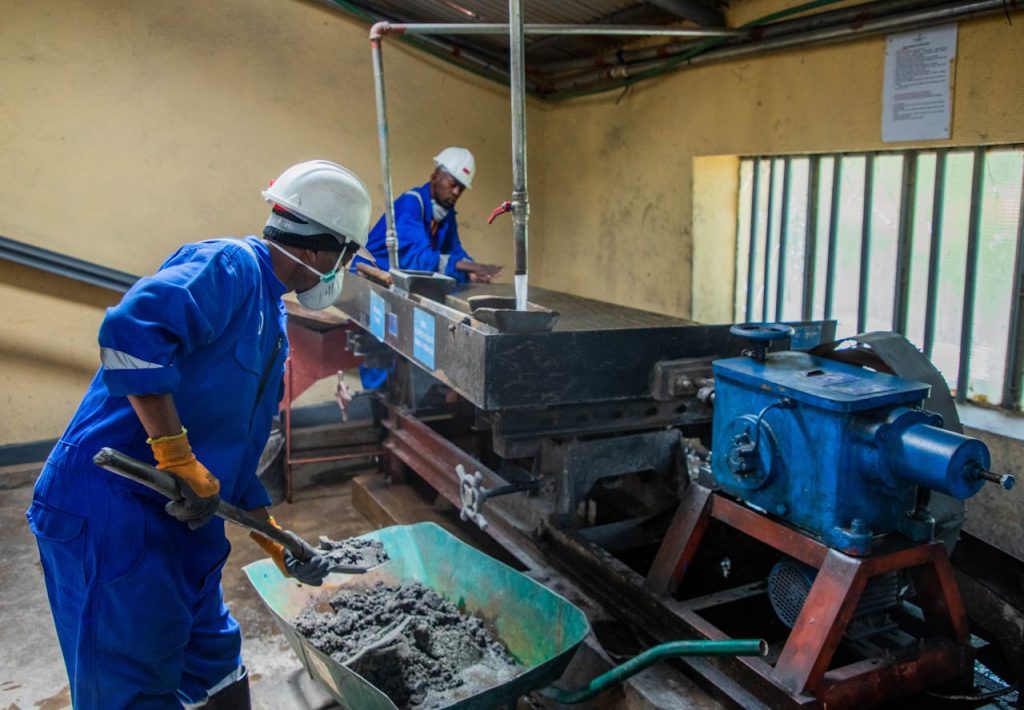
A grinding plant with 500,000 to one million tonnes per year capacity, supplied by imported clinker from West African or regional sources, is a viable medium-scale entry into Guinea’s cement market. Full clinker-to-cement integration requires larger capital but creates a more defensible market position with better cost control and no upstream supply risk.
Steel Fabrication and Construction Steelwork
Guinea imports virtually all structural steel, reinforcing bar, and prefabricated steelwork from Asia and regional markets. Establishing a steel service center in Conakry that receives imported steel sections, cuts, bends, and fabricates them to construction specifications locally, and delivers to project sites under managed logistics, captures the value-added fabrication margin while addressing the lead time and minimum order quantity constraints that make direct Asian steel imports impractical for small and medium construction projects.
Aggregates, Concrete Products, and Precast Manufacturing
Crushed stone aggregate for concrete and road construction is currently produced by a limited number of quarry operations near Conakry. Establishing additional aggregate quarry and crushing operations with reliable delivery logistics to the Simandou corridor construction zone and the Boké alumina refinery cluster addresses a critical supply constraint for the infrastructure pipeline. Precast concrete manufacturing for elements including drainage channels, wall panels, and structural components reduces construction time and labor requirements on large projects while creating differentiated product demand that command premium pricing over site-mixed alternatives.
Building Materials Importation and Distribution
For investors with international trade networks but limited appetite for manufacturing capital, establishing a structured building materials importation and distribution platform in Guinea captures the supply chain margin without the capital intensity of local production. Guinea’s fragmented informal building materials market rewards investors who can offer reliable supply, consistent quality, competitive pricing, and logistics delivery to project sites across the construction zone, particularly along the Simandou corridor and the Boké mining belt where demand is concentrated and alternatives are scarce.
For comprehensive support in navigating Guinea’s construction sector investment landscape, from regulatory approvals and Investment Code applications to site access and supply chain development, YES! Invest in Guinea provides specialist facilitation across every stage of market entry.
FAQ: Construction Materials Industry Investment in Guinea
- What caused the 2025 cement shortage in Guinea and what does it mean for investors? Guinea’s 2025 cement shortage was driven by construction demand exceeding the output of the country’s six producers and seven cement plants. Major infrastructure projects under the Simandou 2040 program, alumina refinery construction in the Boké corridor, residential and commercial development in Conakry, and government infrastructure commitments simultaneously strained a supply base that was already operating at near-capacity. For investors, the shortage confirms that Guinea’s construction materials market has a structural demand surplus that additional supply investment will fill profitably.
- How large is the construction materials market opportunity in Guinea? The full scale of Guinea’s construction materials demand is defined by the Simandou 2040 program’s USD 65 billion investment target between 2025 and 2030, which encompasses railway, port, energy, road, and industrial zone construction across the country. Add to this the alumina refinery pipeline, the Conakry government quarter development, and ongoing residential and commercial construction, and Guinea’s construction materials market represents one of the largest and most sustained demand opportunities in West Africa.
- Does Guinea have any local cement production and what is its current capacity? Guinea has six cement producers operating seven cement plants. Despite this installed base, the country experienced a severe supply shortage in 2025, indicating that total production capacity is insufficient to meet current demand. Proparco previously financed CIMAF Guinée’s expansion from 0.5 to 1.5 million tonnes per year on the grounds that its prior capacity was already saturated. Additional investment in grinding capacity or integrated clinker production is warranted by documented market conditions.
- What construction materials does Guinea import and which represent the best investment opportunities? Guinea imports the majority of its construction materials, including cement clinker, structural steel, reinforcing bar, roofing sheets, ceramic tiles, glass, PVC piping, electrical conduit, and finishing materials. The highest-priority investment opportunities are cement production capacity to address the documented shortage, steel fabrication services to serve the project market, and aggregate quarry and crushing operations to supply the Simandou corridor and Boké refinery construction zones.
- How does YES! Invest in Guinea support investors entering the construction materials sector? YES! Invest in Guinea provides end-to-end facilitation for construction materials investors covering Investment Code applications for qualifying industrial production projects, industrial zone land access and site identification, Ministry of Industry and Commerce regulatory approvals, import licensing and customs facilitation for construction materials distribution businesses, connections with major construction project procurement teams in the mining and infrastructure sectors, and ongoing government liaison throughout the investment lifecycle.
Supply Guinea’s Construction Boom Before the Market Catches Up
Guinea’s construction sector is generating demand that the market cannot supply. The shortage is documented, the projects are real, the investment pipeline is funded, and the investors who establish construction materials supply infrastructure now will serve captive customers with no alternative domestic source for years before new competition emerges.
YES! Invest in Guinea is your specialist gateway to Guinea’s construction materials industry investment opportunity. From cement grinding and steel fabrication to aggregates and building materials distribution, our team provides the regulatory expertise, government relationships, and project procurement connections that position your investment at the center of Guinea’s infrastructure growth story.
Explore construction materials investment opportunities in Guinea →
Ready to discuss your specific investment vision? Contact our advisors today for a confidential consultation and let us build your Guinea market entry strategy together.