The global reallocation of institutional capital has reached an unprecedented turning point. As advanced European economies actively race to secure green energy dominance, future-proof critical mineral supply chains, and fulfill international climate obligations, traditional investment corridors are no longer sufficient. To achieve genuine economic resilience and maintain its global leadership in sustainability, Norway must invest in Guinea immediately.
Historically characterized by localized governance support and development aid, the bilateral relationship between Oslo and Conakry is ready to evolve into a high-yield industrial corridor. Guinea is rapidly emerging as West Africa’s most attractive economic frontier. By matching Norway’s immense capital depth, sovereign wealth expertise, and clean engineering capabilities with Guinea’s unparalleled natural wealth, both nations can forge a model for sustainable South-South cooperation.
At Yes! Invest Guinea, we serve as the premier operational bridge on the ground, linking international corporate boards and sovereign funds with highly secure, high-yield asset concessions. This extensive analytical guide explores the 10 most compelling reasons why forward-thinking Norwegian enterprises must secure an early-mover advantage in Guinea today.
1. 10 Reasons Why Norway Must Invest in Guinea
1. Unmatched Bauxite and Alumina Resource Security
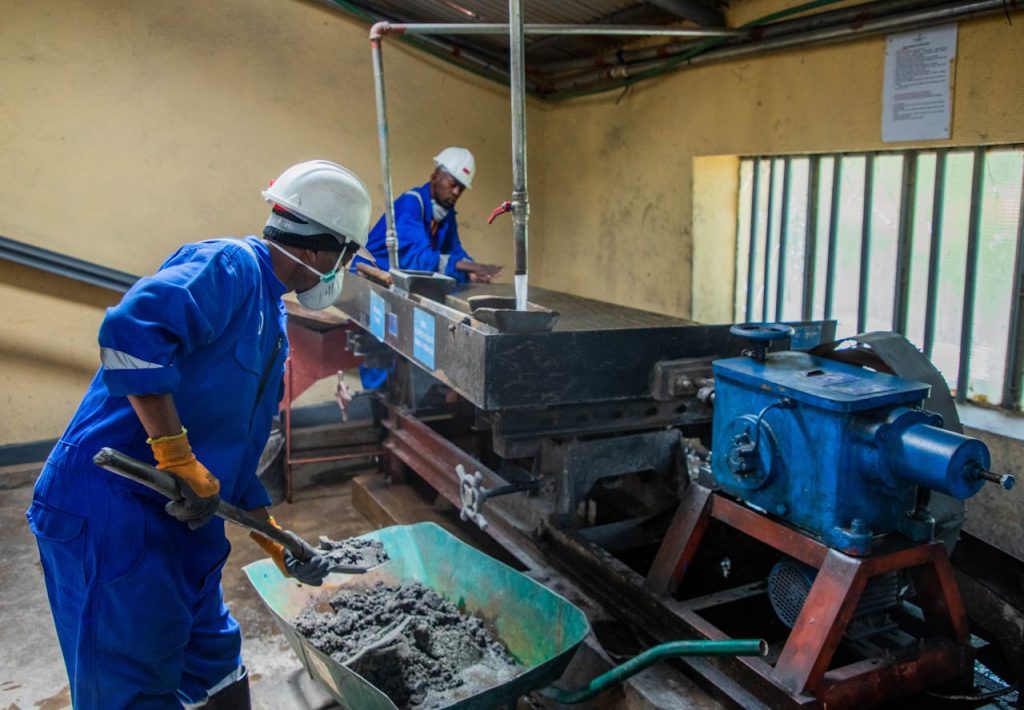
Guinea holds the world’s absolute largest reserves of high-grade bauxite, estimated at over 40 billion tonnes. As the European automotive, aerospace, and maritime sectors demand massive, predictable pipelines of premium aluminum, securing direct processing concessions in Guinea provides an ironclad solution. By backing mid-stream refining facilities locally, Norwegian operators can insulate their long-term supply chains from global market shocks.
2. High-Purity Simandou Iron Ore for Green Steel Production
The operational rollout of the historic Simandou development project has unlocked some of the world’s richest, highest-purity iron ore deposits. Simandou’s iron ore features exceptional purity levels, making it a critical feedstock required for Direct Reduced Iron (DRI) processing. Norwegian industrial giants, aiming to lead the global transition toward premium “green steel,” can secure an unshakeable market edge by investing directly in Guinea’s smelting corridors.
3. Untapped Hydroelectric Capacity matching Norway’s Expertise
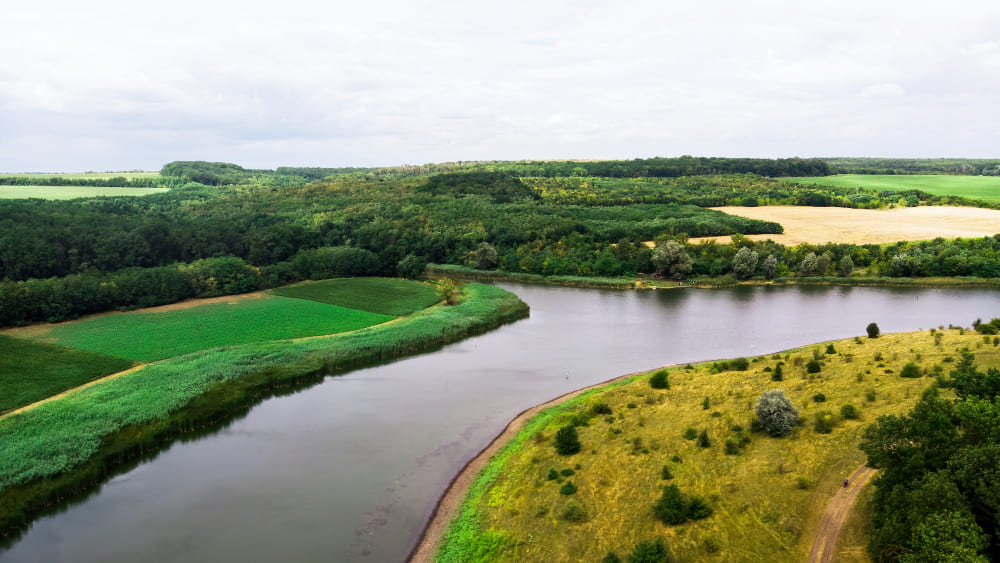
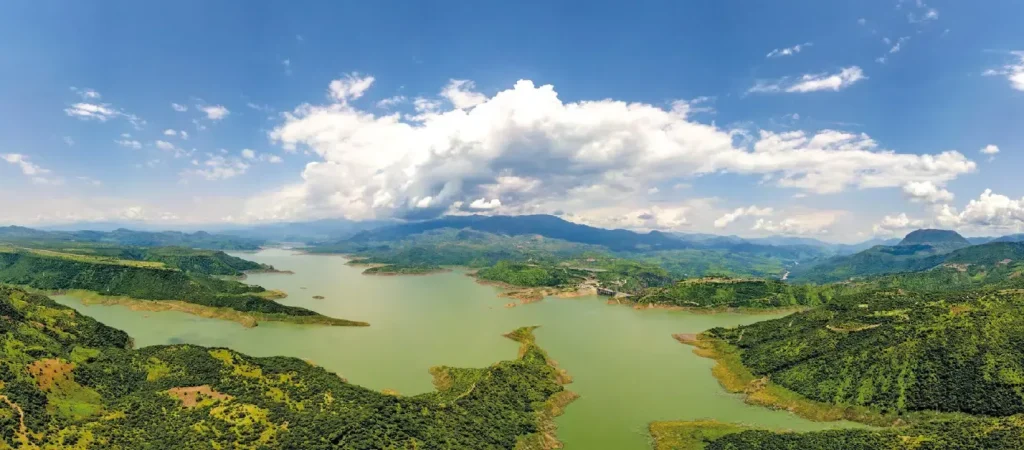
Commonly referred to as the “Water Tower of West Africa” due to its network of over 1,300 rivers and high annual rainfall, Guinea possesses immense, untapped hydroelectric potential. As a global superpower in hydropower engineering, Norwegian energy firms possess the exact technical sophistication needed to design, build, and manage Guinea’s large-scale run-of-river dams, transforming the country into a clean power hub for the sub-continent.
4. Solar Farm Scaling and Grid Integration Potential
Featuring consistent, year-round sunshine across its diverse geography, Guinea provides an ideal canvas for utility-scale solar arrays. Norway’s leading renewable energy developers can capture dominant market shares by financing solar tracking fields and smart storage solutions, providing zero-carbon electricity directly to heavy processing facilities and local municipal networks.
5. Multi-User Logistics Infrastructure and Deep-Water Ports
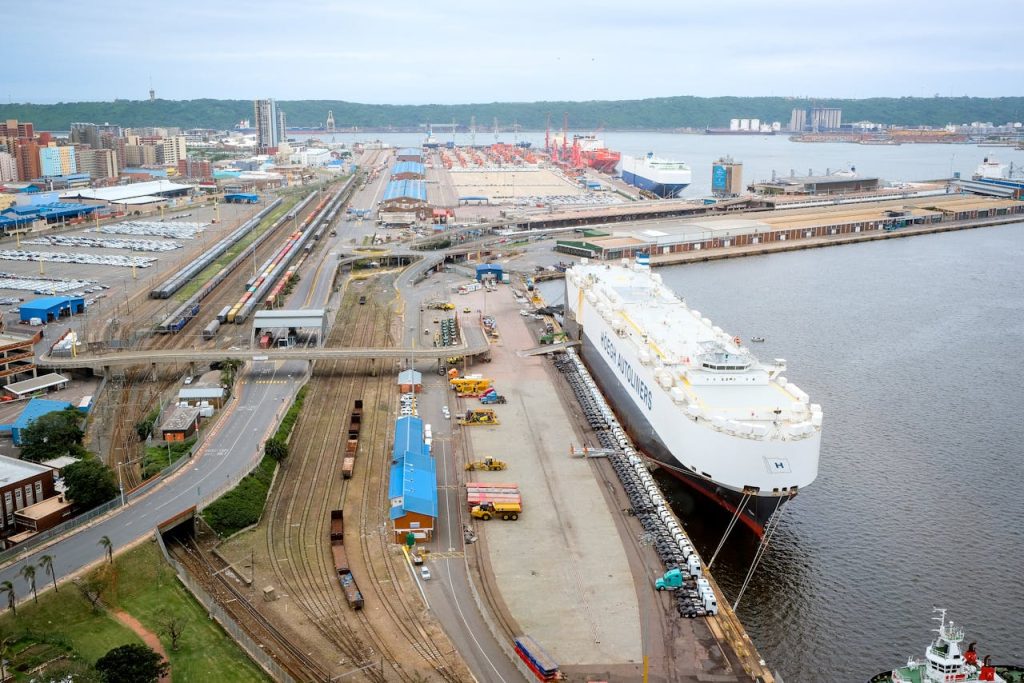
The multi-billion-dollar development of the Trans-Guinean logistics corridor anchored by a modern 670 km heavy-haul railway network and deep-water port terminals at Morebaya and Kamsar has completely dismantled historical transit boundaries. Structured as a multi-user network, this infrastructure spine allows industrial operators to transport finished inputs and commodities from the deep interior to global shipping lanes with maximum efficiency.
6. Aggressive Government Incentives and PPP Frameworks
To guarantee an open, pro-enterprise commercial environment, Guinea’s government is actively promoting and securing public-private partnerships (PPP). Under the modernized Investment Code, registered foreign entities unlock competitive fiscal benefits, including extensive 8 to 10-year corporate tax holidays, 0% import duties on industrial machinery, and streamlined administrative processing channels.
7. Absolute Protection of Capital Repatriation
A primary requirement for Norway’s institutional compliance officers and chief financial officers is the safety of international capital mobility. Guinea’s updated legal codes explicitly provide clause-by-clause protections guaranteeing that foreign corporations maintain full rights to freely repatriate 100% of their operational profits, corporate dividends, and investment capital in foreign currencies back to their home jurisdictions.
8. Duty-Free Access to Regional West African Markets
Establishing an operational assembly, processing, or manufacturing footprint inside Guinea opens the door to borderless regional trade. Under continental free trade frameworks and regional economic pacts, businesses manufacturing locally can distribute finished goods tariff-free to a massive market of over 350 million ECOWAS consumers.
9. High-Yield Downstream Agribusiness and Food Security
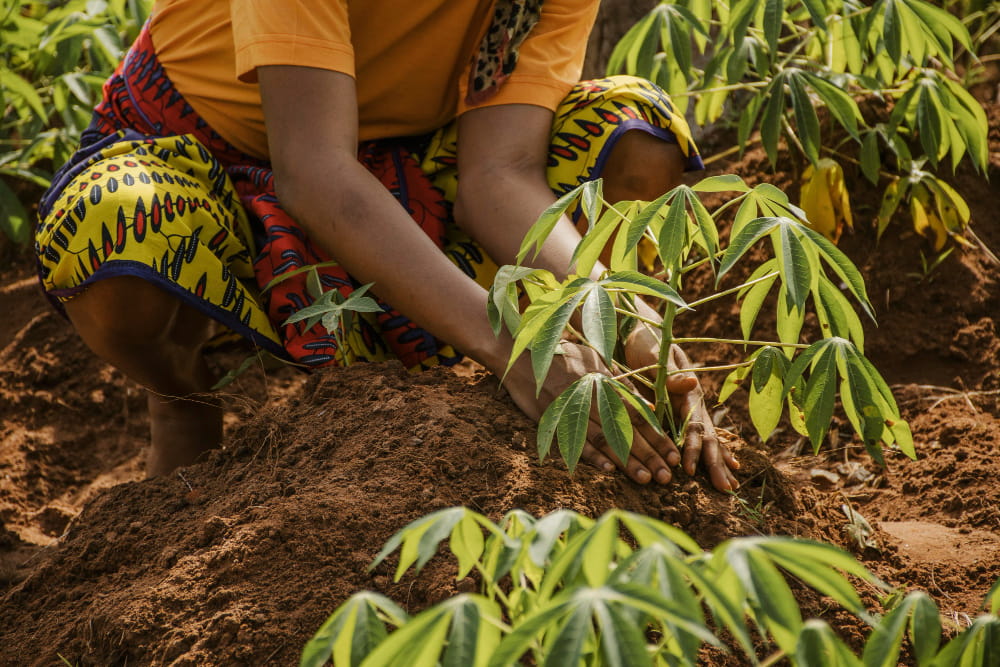
Beyond its famous mineral wealth, Guinea features over 6 million hectares of ultra-fertile arable land. Norwegian agribusiness syndicates can deploy automated farming systems, modern drip-irrigation software, and specialized food processing facilities. Constructing integrated Nut Processing Units allows operators to package value-added cashews and groundnuts directly at the crop source for premium global export.
10. A Young, Energetic, and Competitive Workforce
A vital metric for long-term project viability is labor dynamics. Guinea offers a highly competitive, young, and trainable workforce. This provides expanding corporate developers with cost-effective, adaptable labor across multiple economic sectors, ranging from mining exploration and green engineering to light manufacturing assembly and transport logistics.
2. Navigating Legal Certainty: The Power of the OHADA Framework
For large-scale institutional investors, deploying capital into frontier markets requires absolute structural predictability. Guinea delivers this security through its strict integration into standardized international civil commercial codes.
Standardized Business Laws and Asset Protections
Guinea operates as a core member of the OHADA Law framework (Organization for the Harmonization of Business Law in Africa), a highly unified commercial legal code implemented across 17 African nations. This legal system provides corporate developers with total predictability. It guarantees that long-term land concessions (emphyteutic leases up to 99 years), corporate joint ventures, asset purchases, and intellectual property rights are fully protected and enforceable through international commercial arbitration courts, thoroughly mitigating standard legal risks.
3. Tech-Driven Energy Horizons: Implementing Smart Microgrids
Modern manufacturing, mineral processing refineries, and automated agribusiness centers require an absolute guarantee of continuous, high-capacity electrical power.
Independent Microgrids for Industrial Sovereignty
While large-scale dams supply baseline power to the primary national grids, remote processing hubs and special economic zones (SEZs) require independent solutions. Norwegian clean-tech providers can capture significant market share by constructing decentralized hybrid Microgrid Systems.
By pairing high-efficiency solar arrays with advanced battery energy storage systems (BESS), operators can distribute stable, 24/7 power directly to factories. These smart grids deploy advanced IoT Guinea tools to manage heavy power loads in real-time, completely preventing unexpected industrial downtime and lowering corporate carbon footprints to meet global sustainability parameters regulated by the International Energy Agency (IEA).
4. Frequently Asked Questions (FAQ)
- Why must Norway invest in Guinea’s economy right now? Norway must invest in Guinea to secure direct access to the world’s largest high-grade bauxite reserves, capitalize on premium iron ore for green steel production, and deploy its leading hydropower and renewable energy technologies across an expanding, high-growth industrial market.
- Can a Norwegian investor maintain 100% corporate ownership in Guinea?
Yes. Under the unified OHADA legal framework and Guinea’s open investment policies, foreign investors are legally permitted to establish, manage, and maintain 100% corporate ownership of their local subsidiaries (such as a SARL or SA) across most industrial, technological, and service sectors without requiring a local partner.
- What sectors offer the highest yield for European capital? The top sectors attracting international foreign investment include critical mining and resources processing, renewable energy engineering (hydroelectric and solar microgrids), mechanized agribusiness value-addition, and large-scale maritime logistics infrastructure.
- How long does the official corporate registration process take for foreign entities?
Through the digitized “One-Stop Shop” system managed by the Agency for the Promotion of Private Investments (APIP), international businesses can fully complete company incorporation, secure a local Tax ID, and obtain a commercial registry in approximately 3 to 5 business days.
- How can Yes! Invest Guinea assist Norwegian investment syndicates?
We serve as your comprehensive institutional concierge on the ground. Our team handles Company Registration in Guinea, provides elite Legal and Regulatory Assistance, navigates bureaucratic processes via direct Government and Institutional Liaison, and manages local operations to ensure your project runs with maximum resilience.
Conclusion: Partner with Yes! Invest in Guinea
Unlock Guinea’s endless opportunities with a trusted, deeply rooted partner. At Yes! Invest in Guinea, we connect your leadership directly with verified companies, procurement managers, and high-level government networks. From mining concessions and renewable energy grids to financial administration and commercial infrastructure, we deliver the comprehensive legal clarity, operational resilience, and executive contacts your corporate team needs to thrive.
Begin Your High-Yield Investment Journey Today
Our localized expertise and dedicated industrial desks ensure your corporate expansion into West Africa is fluid, legally protected, and primed for immediate structural scale.
Contact our Investment Desk today to receive the 2026 Guinea Strategic Market Entry