As West Africa undergoes a massive infrastructure transformation, the demand for construction materials has reached an unprecedented peak. At the heart of this building boom lies a critical mineral: limestone. In the Republic of Guinea, the development of Limestone Mining Guinea is no longer just a secondary mining activity; it has become a strategic industrial priority. By tapping into vast local limestone deposits to fuel domestic cement production, Guinea is moving toward industrial self-sufficiency and reducing its heavy reliance on expensive clinker imports.
In 2026, the convergence of large-scale urban development, mining infrastructure projects like Simandou, and regional trade integration has made limestone mining one of the most stable and high-growth investment sectors in the country. This article explores the geological potential of Guinea’s limestone reserves, the roadmap for cement industry integration, and the strategic advantages for industrial investors.
The Strategic Role of Limestone in Guinea’s Industrialization
Limestone is the primary raw material for cement, which is the literal foundation of modern infrastructure. For Guinea, developing a localized cement value chain is an economic imperative.
1. Import Substitution and Economic Sovereignty
Historically, much of the cement used in Guinea has been produced from imported clinker. By investing in Limestone Mining Guinea, developers can establish integrated “quarry-to-kiln” operations. This reduces production costs, saves foreign exchange reserves, and ensures that the country’s infrastructure growth is powered by its own natural resources.
2. Fueling the Infrastructure Super-Cycle
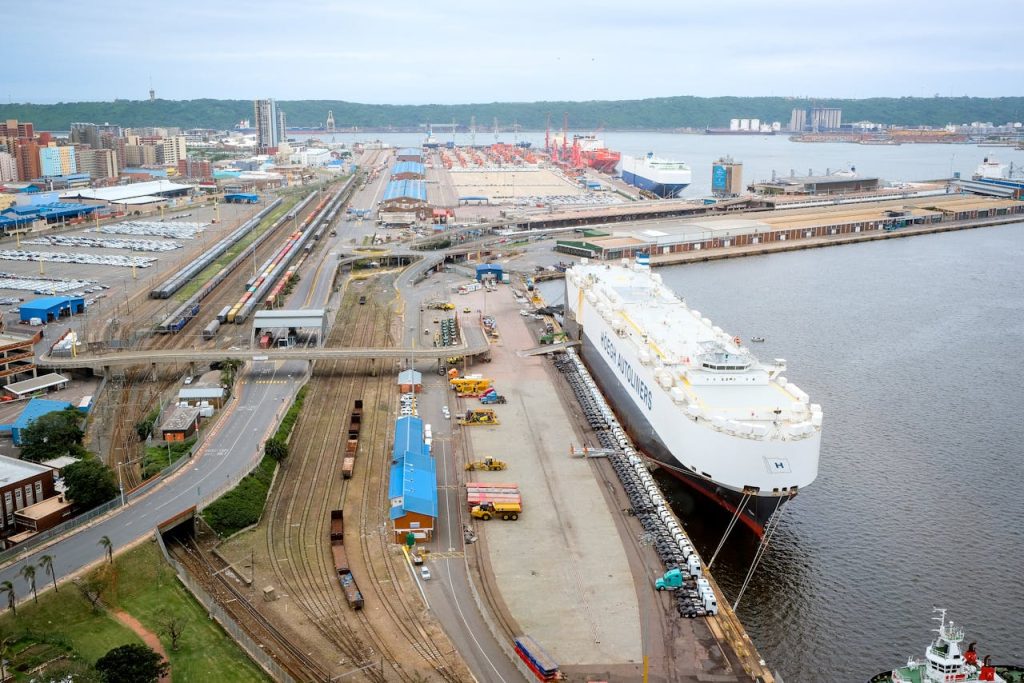
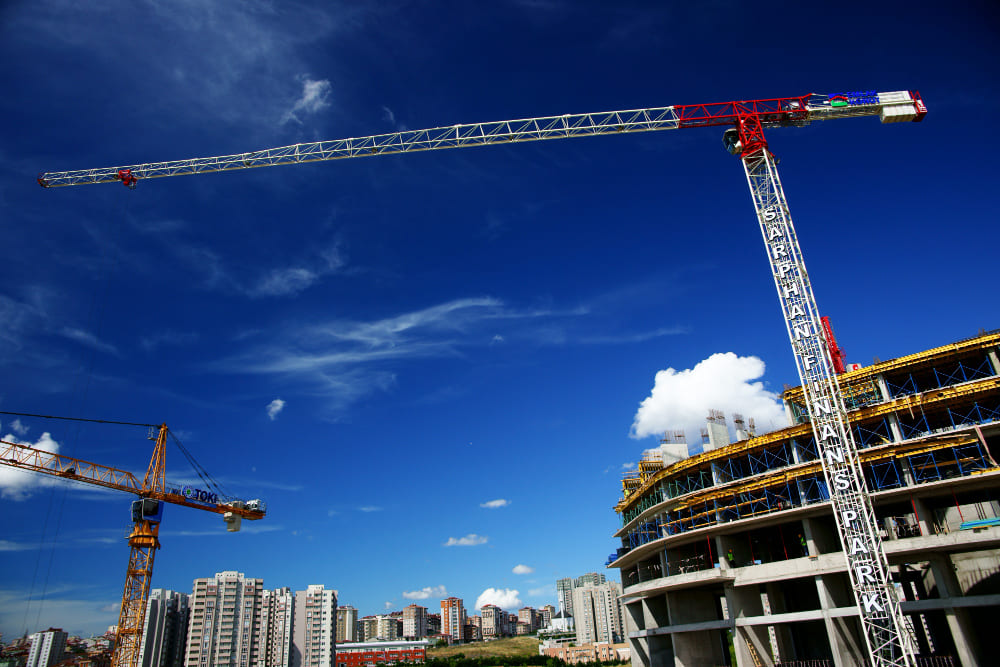
The year 2026 marks a “super-cycle” in Guinean construction. From the expansion of the Port of Conakry to the thousands of kilometers of new roads and railways required for the mining corridors, the domestic demand for cement is guaranteed for decades. According to the United Nations Industrial Development Organization (UNIDO), localizing the production of construction materials is a key driver for sustainable structural change in African economies.
Key Investment Opportunities in the Limestone Sector
The Guinean limestone sector offers multiple entry points for mining firms, cement manufacturers, and infrastructure funds.
Integrated Cement Manufacturing Plants
The most significant opportunity lies in building integrated cement plants near major limestone deposits. These facilities combine limestone extraction with grinding and heat-intensive clinker production.
- Special Economic Zones (SEZs): The government is encouraging the setup of industrial plants within SEZs, which offer streamlined logistics and shared utility infrastructure.
- Green Cement Technology: There is a rising interest in “Low-Carbon Cement” that utilizes limestone calcined clay or other sustainable additives, attracting green financing from international climate funds.
Industrial Lime Production for Mining
Beyond cement, limestone is essential for the broader mining industry. It is used in the processing of gold and for the neutralization of acidic effluents in bauxite and iron ore mines. Investors can establish lime kilns to supply the massive demand from Guinea’s metallurgical sector.
Logistics and Quarry Services
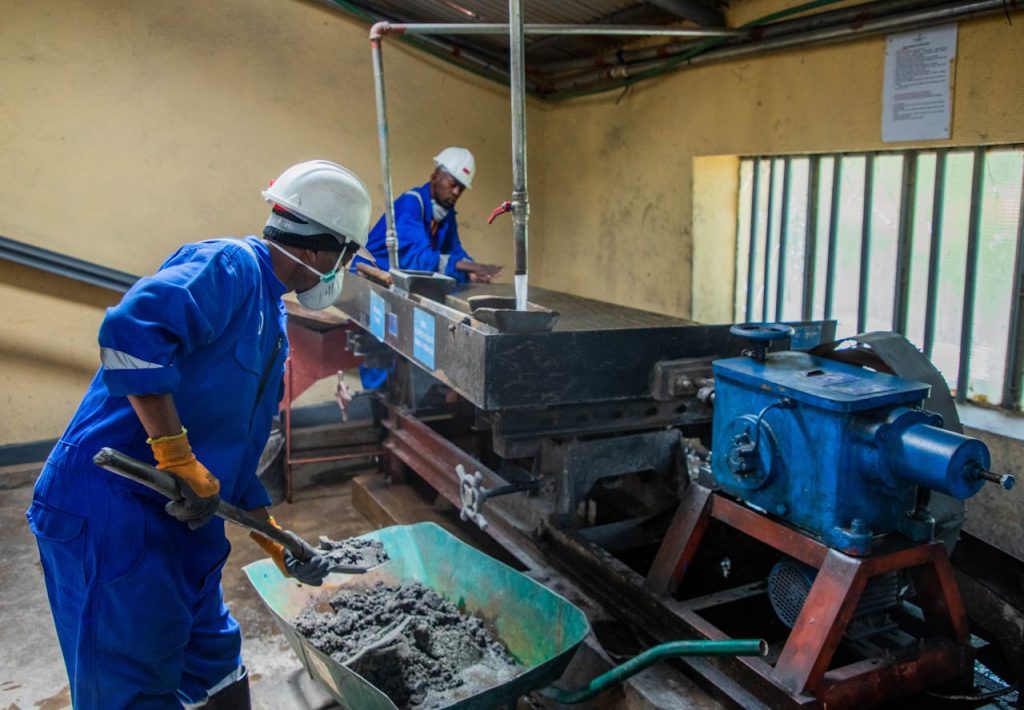
Establishing modern, high-capacity quarries requires specialized drilling, blasting, and crushing services. Investors specializing in mining equipment and logistics can find high-yield contracts supporting the primary limestone extractors.
Why Invest in Guinea’s Limestone Sector Now?
The Republic of Guinea has created a highly supportive ecosystem for industrial investors focused on value addition.
1. Geological Wealth and Proven Reserves
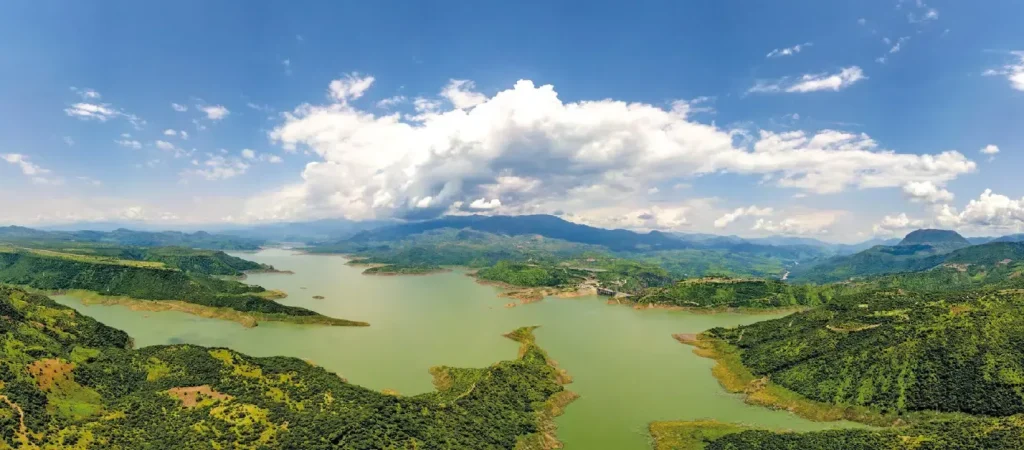
Significant limestone deposits have been identified in regions such as Souguéta and Siguiri. These deposits are characterized by high calcium carbonate content, making them ideal for high-strength industrial cement.
2. Pro-Industrial Regulatory Framework
Under the 2026 Investment Code, projects that focus on “In-Country Processing” enjoy:
- Tax Holidays: Up to 10 years of corporate tax exemptions for integrated industrial projects.
- Duty-Free Imports: Zero customs duties on the heavy machinery required for quarrying and cement kilns.
- Energy Priority: Industrial zones are prioritized in the national energy plan, ensuring the stable power supply needed for heat-intensive cement production.
3. Legal Security under OHADA
As a member of the OHADA framework, Guinea provides a standardized and transparent legal environment. Commercial contracts, land leases, and investment protections are governed by international standards, providing peace of mind for global capital.
Roadmap for Successful Market Entry
- Geological Validation: Conduct detailed core drilling and chemical analysis to confirm the quality and volume of the limestone reserves.
- Environmental and Social Impact Assessment (ESIA): Ensure that quarrying and kiln operations meet modern environmental standards, particularly regarding dust control and land rehabilitation.
- Secure Energy Supply: Given the high energy intensity of cement production, successful investors often integrate their plants with on-site solar farms or hybrid hydro-power solutions.
- Partner with Yes! Invest Guinea: Leverage our local network to navigate the Ministry of Mines and Geology, secure land titles, and identify local industrial buyers.
FAQ: Limestone Mining Guinea
- Where are the largest limestone deposits in Guinea located?
The most explored deposits are in the Kindia region (specifically Souguéta) and parts of Upper Guinea. These locations are strategically close to major transport corridors.
- What is the current demand for cement in Guinea?
The demand is currently estimated at several million tons per year and is growing at double-digit rates due to the Simandou project and urban expansion in Conakry.
- Does the government allow 100% foreign ownership in limestone mining?
Yes. Foreign investors can own 100% of their industrial operations in Guinea, although forming a partnership with local entities is often encouraged for smoother community relations and “Local Content” compliance.
- How long does it take to get a mining and industrial license?
Through the “One-Stop Shop” for investments, the process has been significantly accelerated. With a completed ESIA and feasibility study, licenses can often be processed within 6 to 9 months.
- How can Yes! Invest Guinea assist cement and limestone investors?
We provide end-to-end support, including site identification, technical due diligence, regulatory liaison with the Ministry of Industry, and connecting developers with institutional finance partners.
Conclusion: Building the Foundation of a New Guinea
The development of Limestone Mining for Cement: Industrial Investments in Guinea is a cornerstone of the nation’s 2026 economic vision. By turning raw geological wealth into the building blocks of cities and infrastructure, investors are not just generating profit—they are participating in the construction of a modern African nation.
The deposits are ready, the demand is record-breaking, and the regulatory path is clear. Now is the time to lay the foundation for your industrial legacy in the heart of West Africa.
Build Your Success with Yes! Invest Guinea
At Yes! Invest Guinea, we specialize in bridging the gap between industrial capital and Guinean resources. From the first core sample to the final bag of cement, our team is your strategic partner on the ground.
Contact Yes! Invest Guinea today to receive our 2026 Limestone and Cement Sector Market Analysis.