Guinea is quietly becoming one of the most compelling infrastructure investment stories in West Africa. Positioned along the Atlantic coast with vast mineral wealth inland, the country is pouring capital into ports, roads, and railways to move goods faster and cheaper and that build-out is opening the door for private investors to get in early. If you are exploring where to place capital in Africa’s transport and logistics sector, Guinea deserves a serious look.
Why Guinea’s Transport Sector Is Attracting Global Attention
Guinea sits at a strategic crossroads. It borders six countries, gives access to Atlantic shipping lanes, and holds some of the largest untapped iron ore reserves on the planet in the Simandou region. Moving that ore along with bauxite, agricultural goods, and consumer imports requires a logistics backbone that simply didn’t exist a decade ago.
The government’s response has been aggressive. Guinea now operates a road network of roughly 45,300 km, though only about 30% is currently paved, leaving enormous room for rehabilitation contracts and public-private partnerships. Massive investments in basic infrastructure demonstrate Guinea’s commitment to economic development, including the doubling of energy capacity from 212 MW in 2010 to 450 MW in 2020, the modernization and expansion of the Port of Conakry, the construction of a deep-water port, and a roughly 650 km cross-border railway project tied to the Simandou iron ore deposit.
That combination of energy growth and transport expansion is exactly the kind of environment where infrastructure-focused investors thrive.
Key Transport and Logistics Investment Opportunities
Port of Conakry Modernization and the New Deep-Water Port
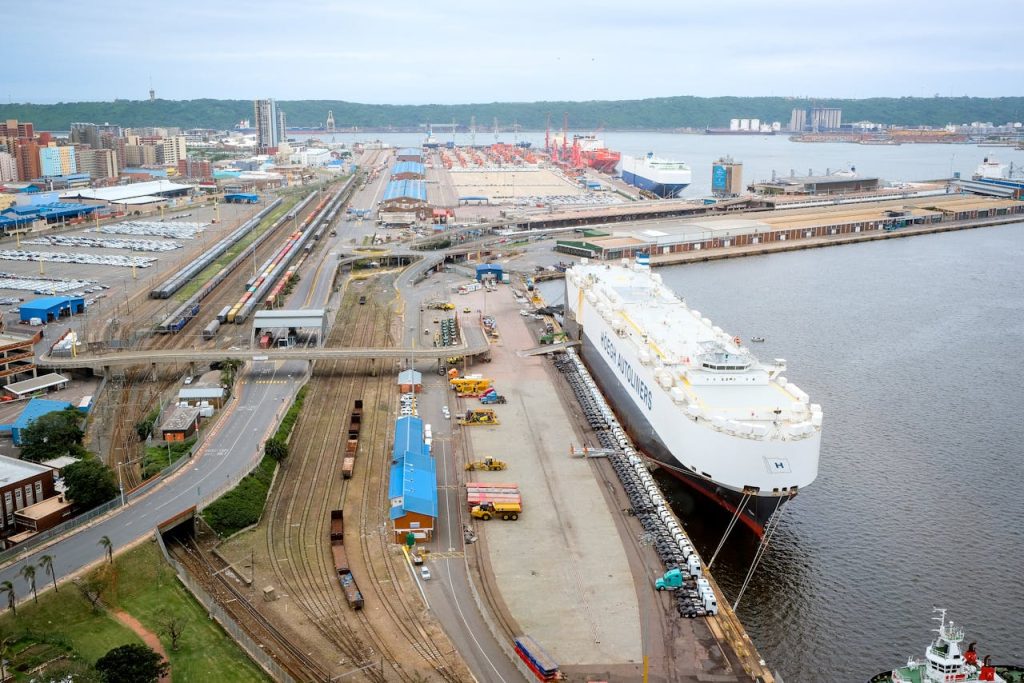
The Port of Conakry remains the country’s principal maritime gateway, and its ongoing modernization is central to Guinea’s export ambitions. Alongside upgrades to the existing port, plans for a new deep-water port are designed to accommodate larger vessels and reduce the logistics bottlenecks that have historically slowed mineral and agricultural exports. For investors, this translates into opportunities across port operations, dredging, terminal handling equipment, warehousing, and bunkering services the same “port-related services” niche that has driven strong demand in neighboring coastal markets.
The Simandou Cross-Border Railway
Few infrastructure projects on the continent match the scale of the Simandou railway. Spanning roughly 650 km, it is being built to carry iron ore from the interior to coastal export terminals, and it will double as connective tissue for broader regional trade. Rail-adjacent opportunities include rolling stock supply, maintenance services, freight logistics, and inland terminal development sectors that typically remain underserved until a rail corridor is operational.
Road Network Rehabilitation
With 70% of Guinea’s roads still unpaved, road construction and rehabilitation represent one of the most accessible entry points for infrastructure investors. Regional partners have already demonstrated the model: the European Investment Bank is funding highway upgrades along the Dakar-Lagos corridor, while the African Development Bank is supporting cross-border route improvements that strengthen transport links with Guinea. Similar financing structures blending development finance institutions with private capital are increasingly available for Guinean road projects, particularly those that connect mining regions to ports.
Energy Infrastructure Supporting Logistics
Transport and energy are inseparable in Guinea’s development strategy. Reliable power is essential for rail operations, port equipment, cold-chain logistics, and industrial zones. As the country’s generation capacity grows, energy-linked logistics investments from grid connections at ports to solar-powered warehousing represent a complementary opportunity alongside pure transport plays.
Why the Timing Matters: The Simandou 2040 Plan
Guinea’s long-term development roadmap, the Simandou 2040 Plan, makes clear where government priority and public spending is heading. A striking 53% of the national investment budget is allocated to infrastructure, transport, and technology, making it by far the largest and most promising sector for tender opportunities, well ahead of agriculture and health spending. That level of fiscal commitment signals sustained project pipelines rather than one-off announcements, which matters for investors weighing long-horizon commitments.
Beyond national policy, Guinea’s role within West Africa’s broader trade architecture adds another layer of opportunity. As coastal states across the Gulf of Guinea region work to integrate customs, digital, and transport systems into unified trade corridors, Guinea’s port and rail investments position it to capture a meaningful share of that regional trade growth provided coordination between mining companies, government agencies, and private operators keeps pace with construction.
Risks and Considerations for Investors
No infrastructure market is without friction. Guinea’s regulatory framework continues to evolve, procurement processes are still maturing, and coordination between multiple stakeholders on large projects like the Simandou railway can be complex. Investors should conduct thorough due diligence, engage local legal and financial advisors, and where possible, structure investments alongside established development finance institutions such as the African Development Bank or the World Bank Group, both of which maintain active infrastructure portfolios in the region and can offer useful project-level transparency.
How to Get Started
The most successful investors entering Guinea’s transport and logistics sector typically start by identifying a specific niche port services, road maintenance contracts, rail logistics, or warehousing rather than attempting to enter the market broadly. Partnering with a team that understands local regulations, government relationships, and project pipelines significantly reduces entry friction and time-to-deployment.
Frequently Asked Questions
- What makes Guinea’s transport sector attractive to foreign investors? Guinea combines a strategic Atlantic coastline, vast mineral reserves, and a government investment budget that allocates over half its spending to infrastructure and transport, creating a steady pipeline of large-scale projects.
- Is the Guinean road network open for private investment? Yes. With roughly 70% of the road network still unpaved, there is significant room for road construction, rehabilitation, and maintenance contracts, often structured through public-private partnerships.
- What is the Simandou railway and why does it matter for logistics investors? It is a roughly 650 km cross-border railway built to move iron ore from Guinea’s interior to coastal ports. It also creates secondary opportunities in freight logistics, inland terminals, and rail maintenance services.
- Are there risks to investing in Guinea’s infrastructure sector? As with many emerging markets, regulatory frameworks and procurement processes are still maturing. Investors should conduct due diligence and consider co-investing alongside established development finance institutions.
- How can I find specific transport and logistics investment opportunities in Guinea? Working with a local investment advisory partner who tracks tenders, government priorities, and project pipelines is the most reliable way to identify vetted opportunities early.
Ready to Explore Transport and Logistics Investment in Guinea?
Guinea’s ports, railways, and roads are being rebuilt at a pace few African markets can match and the window to enter early is now. Contact Yes! Invest Guinea today to connect with our local investment specialists, access vetted infrastructure opportunities, and get a clear roadmap for entering Guinea’s transport and logistics sector with confidence.