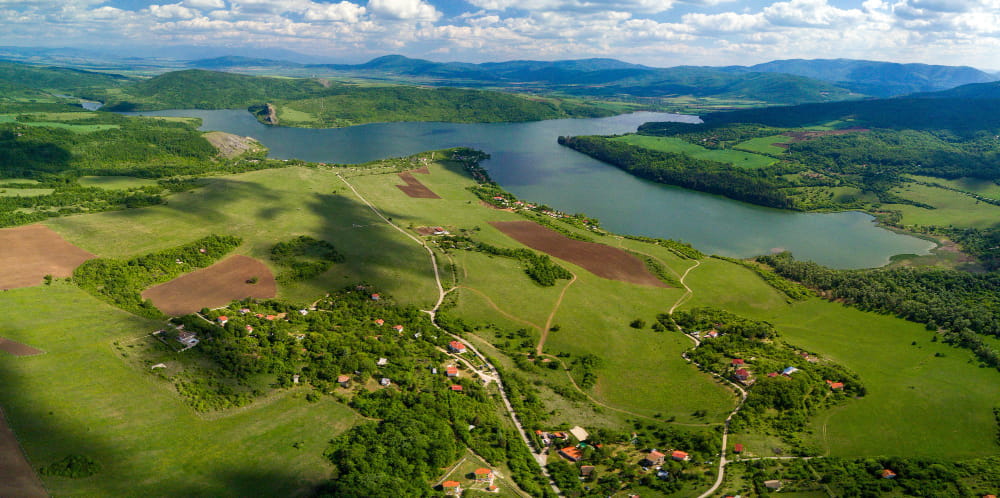
The Republic of Guinea stands at a historic crossroads in 2026. Long recognized as the “Water Tower of Africa” due to the numerous rivers originating within its borders including the Niger, Senegal, and Gambia rivers the nation is finally translating this geographical gift into a dominant economic engine. The era of Power Export Guinea has arrived, transforming the country from a domestic energy seeker into the primary green battery for the West African sub-region.
With the completion of several massive hydroelectric projects and the stabilization of the regional grid, Guinea is no longer just powering its own mines and cities; it is positioning itself to be the chief exporter of clean, baseload energy to its neighbors. For investors in the energy, infrastructure, and financial sectors, this shift represents a multi-billion dollar opportunity to participate in the “Green Energy Silk Road” of West Africa.
The 2026 Energy Landscape: From Deficit to Surplus
For decades, Guinea’s energy narrative was one of untapped potential. However, the last five years have seen a strategic explosion in hydroelectric commissioning. In 2026, Guinea’s total installed capacity has surpassed the immediate domestic demand, creating a significant “Exportable Surplus” that is being funneled into the West African Power Pool (WAPP).
The Pillars of Surplus: Kaléta, Souapiti, and Amaria
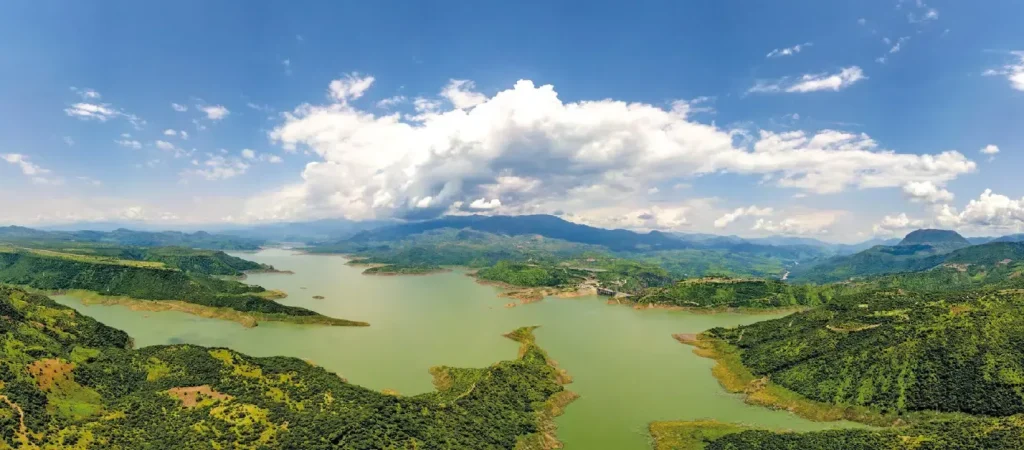
The core of Power Export Guinea strategies rests on a series of cascading dams along the Konkouré River.
- Souapiti (450 MW): Acting as a regulator for the entire basin, this dam ensures that even during the dry season, the downstream plants have sufficient water flow to maintain steady export levels.
- Amaria (300 MW): Newly operational in 2026, this plant was specifically designed with regional interconnection in mind, providing the surplus needed to satisfy the growing industrial appetites of neighboring nations.
- Khoumagueli Solar-Hydro Hybrid: By integrating solar PV with existing hydro reservoirs, Guinea has increased its reliability, allowing it to “save” water during the day and export maximum power during regional peak hours at night.
Strategic Export Markets: Powering the ECOWAS Region
Guinea is not just exporting electricity; it is exporting economic stability. The demand for Power Export Guinea is driven by the energy deficits in neighboring countries that currently rely on expensive and polluting thermal plants.
1. The OMVG Interconnection (Senegal, Gambia, Guinea-Bissau)
Through the Organization for the Development of the Gambia River (OMVG), Guinea is now a primary supplier to Dakar, Banjul, and Bissau. The 1,677 km transmission loop allows for the seamless flow of Guinean hydropower, replacing high-cost heavy fuel oil (HFO) generators across the coast.
2. The CLSG Line (Cote d’Ivoire, Liberia, Sierra Leone, Guinea)
This vital 1,300 km interconnection corridor has been a game-changer for the post-conflict economies of Liberia and Sierra Leone. By 2026, Guinea has moved from being a participant to being the primary “source” for this line, providing cheap power that is essential for the burgeoning mining sectors in Mano River Union countries.
3. The Guinea-Mali Interconnection
Mali’s industrial and gold mining sectors are energy-intensive. The high-voltage link between Siguiri (Guinea) and Bamako (Mali) has created a lucrative corridor for Guinean surplus, significantly reducing Mali’s energy costs and cementing Guinea’s role as a regional diplomatic and economic leader.
Investment Opportunities in the Export Value Chain
The transition to a regional energy hub requires more than just dams. The 2026 landscape offers diverse entry points for private capital and Yes! Invest Guinea is at the forefront of facilitating these partnerships.
High-Voltage Transmission Infrastructure
While the “backbone” of the WAPP is in place, there is a continuous need for “Last Mile” regional distribution and the construction of sub-stations. Private-Public Partnerships (PPPs) in transmission lines are increasingly favored by the government to speed up the rollout of export capabilities.
Maintenance and Technical Services
The operation of massive hydroelectric turbines and high-voltage DC (HVDC) lines requires world-class technical expertise. In 2026, there is a high demand for specialized firms to provide predictive maintenance, drone-based line inspections, and digital grid management solutions.
Carbon Credit Aggregation
Because Guinea’s export surplus is 100% renewable, the displacement of thermal power in neighboring countries creates a massive volume of carbon credits. Investors who can aggregate these credits and trade them on international markets like the Gold Standard or Verra find a highly profitable secondary revenue stream.
The Regulatory Framework and the 2026 Investment Code
To facilitate Power Export Guinea, the Ministry of Energy and Hydraulics has streamlined the regulatory environment.
1. Independent Power Producer (IPP) Friendly Policies
Guinea’s 2026 Investment Charter includes “Priority Status” for any renewable energy project that includes an export component. This includes:
- Tax Holidays: Up to 15 years of corporate tax exemption for regional transmission projects.
- Customs Waivers: 0% duties on the import of transformers, conductors, and specialized grid-tie equipment.
2. The Role of the West African Power Pool (WAPP)
Guinea operates within the WAPP regulatory framework, which ensures standardized wheeling charges and transparent dispute resolution for cross-border power sales. This regional alignment significantly reduces the “Country Risk” for international lenders.
3. Stabilization Clauses
For large-scale infrastructure investments, the Guinean government offers stabilization clauses that guarantee the fiscal and legal regime will remain unchanged for the duration of the loan repayment period, often backed by MIGA (World Bank) political risk insurance.
FAQ: Power Export Guinea
- How much electricity does Guinea currently export?
By 2026, Guinea’s total regional exports have reached approximately 1,200 GWh per year, with plans to double this as the Amaria and future Kukoutamba dams reach full capacity.
- Is the export revenue used for domestic development?
Yes. Under the 2026 fiscal policy, a significant portion of power export royalties is directed into the “National Rural Electrification Fund,” ensuring that as Guinea powers the region, it also reaches 100% domestic electricity access.
- What happens during the dry season?
Thanks to the regulation provided by the Souapiti reservoir and the integration of solar PV, Guinea maintains a “firm power” guarantee for its export contracts, meaning it can deliver reliable energy even during months of low rainfall.
- Can private investors build their own export lines?
Yes. The 2026 Electricity Law allows for private concessions for transmission lines, particularly those connecting Guinean power sources to industrial hubs in neighboring countries.
- How does Yes! Invest Guinea assist energy investors?
We provide “A-to-Z” support, from site identification and feasibility study permits to negotiating Power Purchase Agreements (PPAs) and navigating the regional WAPP regulations.
Conclusion: Powering the West African Renaissance
Guinea is no longer the “sleeping giant” of African energy. In 2026, it is the heart of a regional power revolution. The opportunities for Power Export Guinea extend far beyond the dams; they encompass technology, finance, and the very future of African industrialization.
For the strategic investor, Guinea represents a rare opportunity to invest in a “Baseload Green Asset” that is guaranteed a market for decades to come. The region is waiting, the grid is ready, and the water is flowing.
Join the Regional Energy Revolution
Are you ready to be a part of West Africa’s green energy future? At Yes! Invest Guinea, we specialize in connecting global energy capital with Guinea’s hydroelectric and transmission potential. Whether you are an IPP or a financial institution, we provide the local expertise you need to power the region.
Contact Yes! Invest Guinea today to receive our 2026 Regional Energy Export Brief and Project Map