The telecommunications landscape across the African continent is witnessing an unprecedented era of consolidation and exponential data demand. For years, the market has been fiercely guarded by entrenched regional giants, leading many international private equity funds, European telecom syndicates, and Asian digital infrastructure groups to wonder exactly how to beat Orange and Bharti Airtel cellular connectivities in Africa. These dominant players have long commanded massive subscriber bases across sub-Saharan territories by capitalizing on legacy networks and deep-rooted distribution systems.
However, entering mature, saturated telecom markets directly often results in staggering customer acquisition costs and low margin returns. The smartest, highest-yielding strategy to challenge these industry titans does not involve a costly head-to-head battle in overcrowded jurisdictions. Instead, forward-thinking institutional groups are bypassing traditional entry points entirely by targeting the region’s most dynamic, rapidly modernizing digital frontier: invest in Guinea cellular business now.
At Yes! Invest Guinea, we closely monitor these macroeconomic shifts to provide international corporate boards and tech investors with highly secure market entry models. This comprehensive analytical guide explains how Guinea’s shifting digital landscape provides the ultimate launchpad to disrupt pan-African cellular connectivity and secure an unshakeable market position.
1. Structural Vulnerabilities: Why Pan-African Telecom Giants Can Be Disrupted
To successfully challenge established telecom networks, global developers must first look past surface-level subscriber numbers and analyze the underlying structural gaps in their business models.
The Problem of Legacy Network Inertia
While major conglomerates like Orange and Bharti Airtel boast massive total subscriber networks, much of their physical infrastructure remains burdened by outdated legacy frameworks. Upgrading thousands of older cell towers to handle high-capacity modern bandwidth requires immense capital expenditure and causes prolonged operational delays. This technical inertia creates a vital opening for new, agile operators to deploy pure, high-speed modern digital infrastructures right from the start, avoiding the costly bottlenecks that slow down entrenched regional giants.
Underserved Industrial Sectors and Enterprise Niches
Historically, pan-African cellular providers have focused primarily on mass retail consumer voice and basic text packages. This focus has left specialized, high-margin enterprise networks—such as automated mining camps, deep-water port systems, and regional logistics corridors—significantly underserved. By building dedicated, secure private networks tailored exclusively for heavy industrial sectors, incoming tech investors can lock down highly profitable B2B revenue streams that traditional consumer-heavy networks cannot match.
2. Strategic Advantages: Why Guinea is the Ultimate Telecom Entry Point
The operational logic behind entering the West African market via Conakry is simple: Guinea offers the perfect combination of an underserved customer base and a proactive, pro-enterprise regulatory environment.
Accelerating Last-Mile Connections via the National Fiber Backbone
Guinea is actively expanding its digital infrastructure, highlighted by the strategic rollout of a 12,000-kilometer national fiber-optic backbone line. This state-backed infrastructure spine connects major urban centers and remote industrial fields directly to high-capacity international subsea cables. Tech developers can capitalize on this framework by financing localized wireless tower grids and high-speed cell transmitters to deliver reliable connection speeds directly to a tech-savvy, mobile-first population.
Dominating the Expanding Mobile Financial Services Space
A primary reason to channel capital into Guinea’s digital market is the massive, compounding growth of regional mobile wallets and fintech systems. Just as digital banking solutions transformed retail commerce across emerging Asian economies, the West African retail market relies heavily on mobile financial tools for daily trade. Incoming telecom operators can integrate proprietary payment gateways and micro-lending features straight into their cellular networks, bypassing traditional banking limits and capturing transaction fees across a rapidly formalizing retail economy.
3. Industrial Tech Integration: Powering Mining and Supply Chain Networks
Beyond standard retail consumer packages, the massive expansion of Guinea’s primary mining and infrastructure networks presents a multi-billion-dollar enterprise market.
Real-Time Logistics Along the Trans-Guinean Corridor
The ongoing development of the Trans-Guinean logistics network features a state-of-the-art 670 km heavy-haul railway line and major deep-water port terminals at Morebaya and Kamsar. Operating this massive multi-user transport spine cleanly requires absolute, real-time communications.
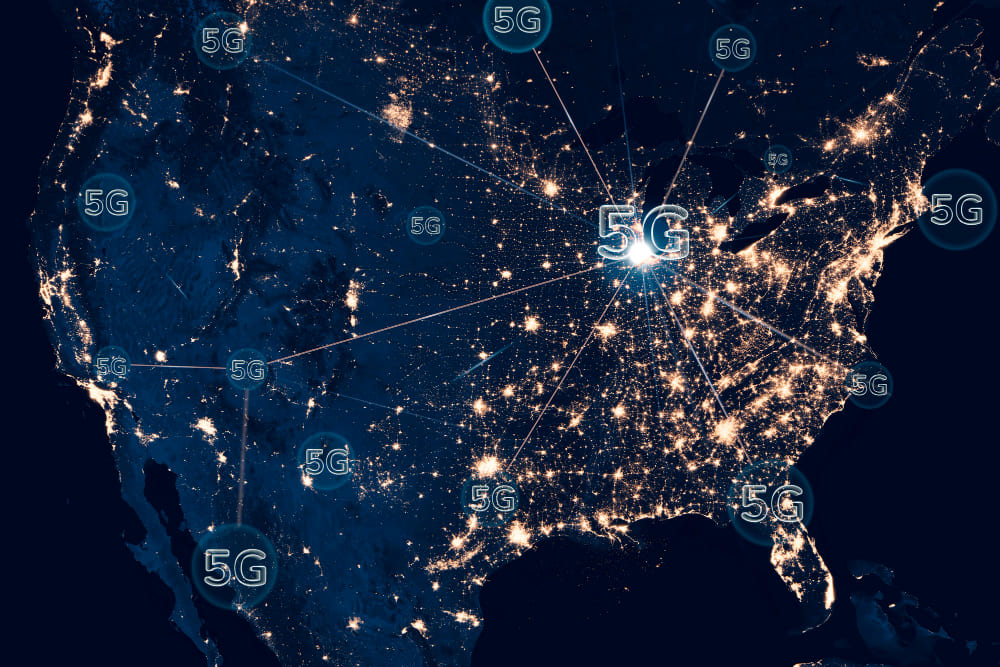
Telecommunications developers can secure lucrative long-term corporate contracts by building private LTE and 5G cellular communication networks exclusively for heavy freight operators. These secure bands support automated train tracking, remote drone surveying, and automated port coordination, meeting the strict technical standards managed by the International Telecommunication Union (ITU).
Deploying IoT Sensor Arrays for Industrial Data Visibility
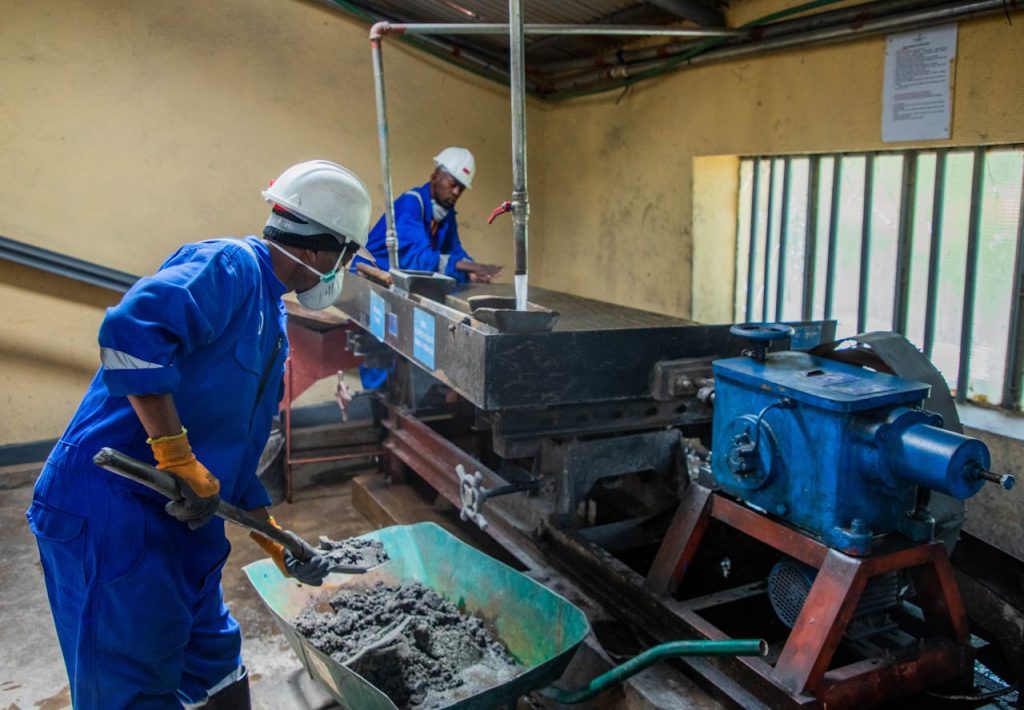
Heavy industrial mining operations, bauxite processing facilities, and downstream alumina refineries require continuous, reliable data streams to maintain maximum efficiency. By deploying advanced IoT Guinea sensor networks connected via ruggedized, independent cellular towers, corporate compliance managers can monitor machinery health, track fuel supplies, and manage remote inventories automatically from their centralized international headquarters, drastically reducing unexpected downtime.
4. Tech-Driven Hubs: Securing Power Independently via Smart Grids
To ensure that newly built telecommunications arrays, remote switching stations, and server centers operate with absolute 24/7 reliability, digital infrastructure operators are heavily integrating decentralized clean energy solutions.
Decentralized Microgrids for Uninterrupted Transmission
Because traditional public grid distributions can experience operational fluctuations in remote interior regions, modern telecom towers are actively deploying independent power systems. Clean-tech providers can capture significant market share by constructing hybrid Microgrid Systems.
By pairing high-efficiency industrial solar arrays with advanced battery energy storage systems (BESS), remote communication towers can operate with complete energy sovereignty. These smart grids utilize automated software to manage industrial power loads in real-time, preventing transmission drops while lowering corporate carbon footprints to meet global sustainability parameters regulated by the International Energy Agency (IEA).
5. Legal Certainty: Navigating Protections under the OHADA Framework
A primary requirement for international corporate boards, sovereign wealth managers, and risk compliance teams looking to allocate large-scale capital into frontier digital spaces is absolute legal safety and predictability. Guinea answers this demand through its strict integration into standardized international civil business laws.
Standardized Protections under OHADA
Guinea operates as a core member of the OHADA Law framework (Organization for the Harmonization of Business Law in Africa), a highly unified commercial legal code implemented across 17 African nations. This civil law system offers exceptional predictability. It guarantees that long-term commercial land concessions, telecom tower site leases, corporate joint ventures, and intellectual property rights are legally secure and fully recognized by international commercial arbitration courts, mitigating standard legal risks.
Exclusive Incentives Under the Investment Code
Foreign enterprises registering operations through the Agency for the Promotion of Private Investments (APIP) gain access to a competitive suite of industrial incentives under the updated Investment Code:
- Tax Holidays: A complete 8 to 10-year exemption from corporate income tax for infrastructure, technology, and telecommunications projects established outside the capital city zone.
- Customs Duty Waivers: 0% import duties and full VAT exemptions on all specialized telecommunications hardware, transmission arrays, fiber-optic cabling, and server technology during the initial construction and setup phase.
- Capital Protection: Full legal rights for international corporations to freely repatriate 100% of operational profits, company dividends, and capital in foreign currency back to their home jurisdictions.
6. Frequently Asked Questions (FAQ)
- How does investing in Guinea provide a blueprint for how to beat Orange and Bharti Airtel cellular connectivities in Africa?
By entering an expanding, high-growth market like Guinea, new operators can build modern, high-speed infrastructure right from the start. This allows them to avoid the legacy technical upgrade costs of the older networks, capture underserved industrial enterprise sectors, and secure highly profitable first-mover advantages.
- Can an international investor maintain 100% corporate ownership of a cellular company in Guinea?
Yes. Under the unified OHADA legal framework and Guinea’s open investment policies, foreign investors are legally permitted to establish, manage, and maintain 100% ownership of their local corporate subsidiaries (such as a SARL or SA) across most industrial, technological, and service sectors without a local partner requirement.
- What international trade frameworks benefit technology firms operating in Guinea?
Entities establishing operations within Guinea gain tariff-free market access across 54 African nations via the African Continental Free Trade Area (AfCFTA) framework, significantly lowering the cost of expanding digital financial platforms and mobile services across borders.
- How do new cellular operators handle power reliability for remote towers?
While large-scale hydroelectric projects supply baseline power to major cities, remote communication tower networks increasingly deploy decentralized hybrid Microgrid Systems. These smart grids combine solar arrays with advanced battery storage to manage electrical loads in real-time.
- How can Yes! Invest Guinea assist international telecommunications groups?
We serve as your comprehensive institutional concierge on the ground. Our team handles Company Registration in Guinea, provides elite Legal and Regulatory Assistance, navigates bureaucratic processes via direct Government and Institutional Liaison, and manages local operations to ensure your project runs with maximum resilience.
Conclusion: Capitalizing on the West African Digital Shift
The strategic window to disrupt pan-African cellular connectivity is wide open. By matching your advanced corporate telecommunications technology and capital depth with Guinea’s expanding national backbone, modernized logistics infrastructure, and secure legal protections, your firm can build an unshakeable market position.
Scale Your Digital Infrastructure with Yes! Invest Guinea
At Yes! Invest Guinea, we deliver the critical data, verified institutional networks, and legal safety rails required to transition your commercial telecommunications project seamlessly from a blueprint into a highly profitable operational reality.