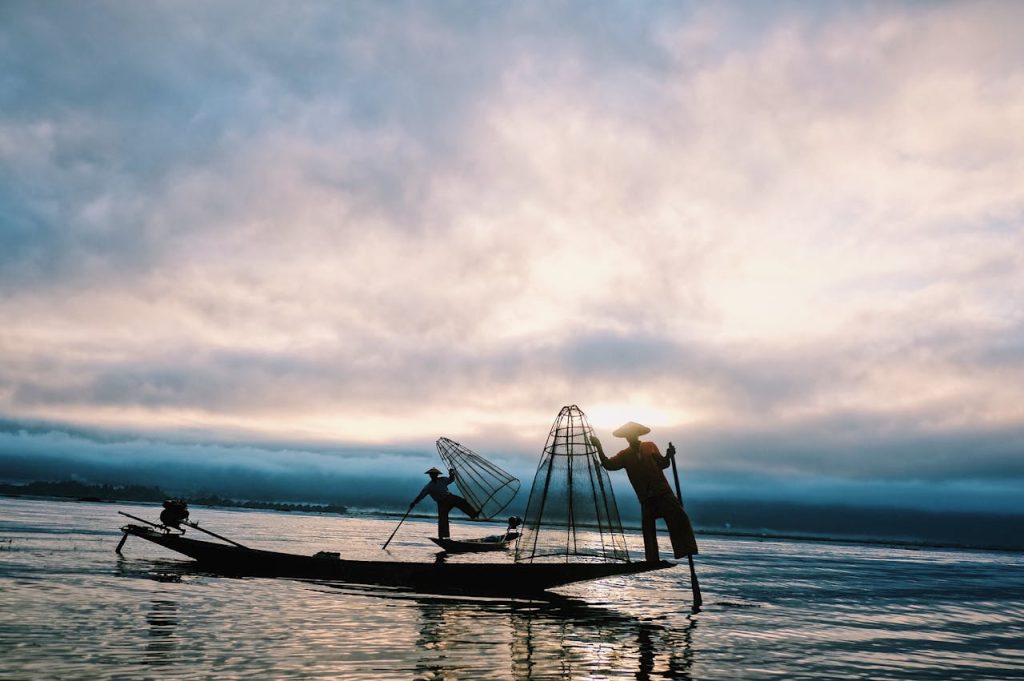
Guinea’s waters are teeming with opportunity. The country’s Exclusive Economic Zone (EEZ) covers over 120,000 square kilometers of the Atlantic Ocean, home to some of West Africa’s richest marine fish stocks. Yet the vessels harvesting those resources tell a different story: aging wooden pirogues, underpowered engines, and near-total absence of onboard refrigeration or navigation technology. The modernization of Guinea’s fishing fleet is not just an infrastructure challenge. It is one of the most compelling commercial investment opportunities in the country today.
This article breaks down what fleet modernization means in the Guinean context, why the timing is right for investors, and what models are available for those ready to act.
The Current State of Guinea’s Commercial Fishing Fleet
Artisanal Dominance and Its Limitations
The vast majority of fishing activity in Guinea is carried out by artisanal fishers operating small, traditional vessels. According to the Food and Agriculture Organization (FAO), Guinea’s artisanal sector accounts for the overwhelming share of domestic fish landings, with the industrial fleet contributing far less than its potential given the richness of available marine resources.
These artisanal vessels face serious structural limitations. Most lack GPS navigation, onboard ice or refrigeration systems, and basic safety equipment. The result is short fishing ranges, high post-harvest losses due to spoilage, and significant safety risks for crews. Studies by the World Bank’s PROPECHE program estimate that post-harvest losses in West African small-scale fisheries can reach 30 to 40 percent of total catch, largely driven by the absence of cold chain infrastructure starting at the vessel level.
The Industrial Gap
While artisanal fishers struggle with outdated equipment, Guinea’s industrial fishing sector remains underdeveloped relative to the country’s maritime potential. Foreign fishing vessels, operating under licensing agreements, continue to harvest a significant share of Guinean waters, with economic value leaving the country rather than generating local employment and processing activity.
This gap between resource potential and domestic harvesting capacity is precisely where investment in fleet modernization creates the most value.
Why Now Is the Right Time to Invest
Government Reform and Maritime Policy Shifts
Guinea’s government has signaled a clear policy direction: strengthen domestic fisheries, reduce foreign fleet dependency, and increase the economic contribution of the maritime sector. The Ministry of Fisheries and Maritime Economy has been developing frameworks to prioritize local fleet development and incentivize investment in modern fishing vessels and onshore processing facilities.
This regulatory environment, combined with Guinea’s Investment Code which provides tax exemptions for qualifying maritime and agribusiness investments, creates a favorable conditions for both domestic and foreign investors looking to enter the fleet modernization space.
Rising Seafood Demand Across West Africa
Demand for fish protein across the West African region is growing faster than domestic supply can meet it. Guinea, Senegal, Côte d’Ivoire, and Mali all face growing protein deficits, and the regional seafood trade is expanding rapidly. According to WorldFish, fish consumption in sub-Saharan Africa is projected to increase significantly through 2030, driven by population growth and urbanization. A modernized Guinean fleet, capable of harvesting, preserving, and delivering larger volumes of quality fish, is positioned to serve this regional demand at scale.
Key Components of Fishing Fleet Modernization
Vessel Upgrades and New Build Programs
The most direct form of fleet modernization involves replacing or upgrading existing vessels. This means transitioning from wooden pirogues to fiberglass or steel-hulled vessels with greater seaworthiness, increased cargo capacity, and longer operating ranges. Key upgrades include:
- Hull materials: Fiberglass and reinforced polyethylene hulls offer greater durability, lower maintenance costs, and longer service life than traditional wood construction.
- Engine systems: Modern outboard and inboard diesel engines with fuel efficiency ratings significantly reduce operational costs per voyage.
- Navigation and communication: GPS chartplotters, VHF radios, and AIS transponders improve catch success rates and crew safety simultaneously.
- Onboard preservation: Insulated ice holds and small-scale refrigeration units are the single most impactful upgrade for reducing post-harvest losses and improving catch quality at landing.
Cold Chain Integration at the Vessel Level
The cold chain does not begin at the processing plant. It begins the moment a fish leaves the water. Investing in vessel-level refrigeration technology is essential to unlocking premium market pricing and reducing the spoilage losses that currently erode profitability across Guinea’s fishing sector.
Modern approaches include insulated fish holds with block or flake ice systems, electric chillers powered by vessel generators, and for larger vessels, refrigerated seawater (RSW) systems that maintain entire catch compartments at near-freezing temperatures throughout the fishing trip. The Global Cold Chain Alliance (GCCA) provides global standards and technical references for cold chain implementation across the fisheries value chain.
Digital and Monitoring Technologies
Modern fleet management goes beyond the physical vessel. Digital tools including vessel monitoring systems (VMS), electronic logbooks, and satellite-connected catch reporting platforms enable fleet operators to optimize fishing patterns, demonstrate compliance with sustainable fisheries standards, and meet the traceability requirements increasingly demanded by export markets in the EU and North America.
Compliance with the EU’s Illegal, Unreported, and Unregulated (IUU) fishing regulations, for instance, is a prerequisite for any Guinean operator seeking to export seafood to European markets. Adopting digital monitoring from the outset positions fleet investors ahead of regulatory requirements and opens access to premium export channels. The European Commission’s DG MARE outlines the full framework for IUU compliance and third-country market access.
Investment Models in Fleet Modernization
Direct Fleet Ownership and Operation
Investors can acquire and operate modernized fishing vessels directly, either as standalone commercial fishing operations or as part of a vertically integrated model that includes onshore processing, cold storage, and distribution. This model offers full control over fleet operations, catch quality, and market positioning, with the highest potential returns for investors with strong operational capacity.
Vessel Leasing and Charter Programs
A lower-capital entry model involves leasing modernized vessels to existing fishing cooperatives and artisanal operators. This model addresses fleet modernization at scale without requiring the investor to manage fishing operations directly. Revenue is generated through lease payments, with assets retained by the investor company. This approach has proven effective in Senegal and Mauritania as a method of upgrading artisanal fleets rapidly.
Shipyard and Maintenance Facilities
Guinea currently lacks adequate vessel maintenance and repair infrastructure. Establishing a small-scale shipyard or marine service facility to support fleet maintenance, hull repair, engine servicing, and equipment installation represents a B2B investment opportunity with captive demand from both existing operators and new fleet entrants. As the fleet modernizes, demand for qualified maintenance services will grow in direct proportion.
Equipment Supply and Financing
Investors can also enter through equipment distribution partnerships, supplying GPS systems, outboard engines, insulated holds, and safety equipment to local operators through structured financing arrangements. This model leverages Guinea’s existing artisanal fishing base as a customer network and generates recurring revenue through service contracts and consumables.
How YES! Invest in Guinea Supports Fleet Investors
Navigating Guinea’s maritime investment landscape requires local knowledge, government relationships, and regulatory expertise. YES! Invest in Guinea provides end-to-end facilitation for investors entering the commercial fishing and fleet modernization space, including:
- Company registration and maritime licensing
- Government and institutional liaison with the Ministry of Fisheries
- Site identification for vessel operations and onshore infrastructure
- Risk management and compliance advisory
- Networking with local fishing cooperatives and trade partners
FAQ: Modernizing Guinea’s Fishing Fleet
- What types of vessels are most suitable for Guinea’s fishing conditions? For nearshore and coastal operations, fiberglass vessels of 8 to 15 meters with modern outboard or inboard engines are most practical. For offshore and industrial-scale operations, steel-hulled trawlers and purse seiners of 20 to 40 meters are appropriate, equipped with onboard refrigeration and full navigation systems.
- Are there import duties on fishing vessels and equipment in Guinea? Guinea’s Investment Code includes provisions for customs duty reductions on imported equipment for qualifying maritime and agribusiness investments. Specific exemptions depend on investment scale, location, and employment commitments. Working with a local investment facilitator helps ensure maximum benefit from available incentives.
- Can foreign companies fully own fishing fleet operations in Guinea? Yes. Under Guinea’s Foreign Direct Investment (FDI) framework, foreign investors can hold majority or full ownership in fishing and maritime companies. Joint ventures with local operators are also common and can facilitate faster integration with existing fishing communities and supply networks.
- What is the biggest challenge in fleet modernization projects in Guinea? The primary challenges are access to affordable vessel financing, availability of trained marine technicians, and ensuring reliable supply of spare parts and maintenance services. Addressing these through vertically integrated investment models or partnerships with international equipment suppliers significantly reduces operational risk.
- How do I start the process of investing in Guinea’s fishing fleet modernization? The most effective starting point is engaging an investment facilitation partner with established government relationships and local market knowledge. YES! Invest in Guinea offers confidential initial consultations to help investors assess opportunities, understand the regulatory framework, and develop an entry strategy tailored to their investment goals.
Invest in Guinea’s Fishing Future Today
Guinea’s marine resources are underutilized, its fleet is outdated, and the market demand for quality seafood across West Africa is growing every year. For investors with vision, the modernization of Guinea’s fishing fleet represents a rare opportunity to build a high-value business in a frontier market at the ground floor.
YES! Invest in Guinea is your gateway to making it happen. From licensing and government liaison to operational setup and partnerships, our team has the expertise and the connections to get your investment moving.
Explore commercial fishing investment opportunities in Guinea →
Ready to talk specifics? Contact our investment advisors for a confidential consultation and let us build your entry strategy together.