Fish processing and seafood export in Guinea is one of the most structurally compelling investment opportunities in the country’s entire economy. Guinea’s Atlantic Exclusive Economic Zone spans over 120,000 square kilometers of highly productive marine waters, yet the country exported just 5,032 tonnes of net seafood in 2019 against a domestic supply of nearly 153,000 tonnes, according to FAO Fishery and Aquaculture Statistics. That means 97 percent of Guinea’s domestic fish supply stayed home, largely consumed raw, informally smoked, or sold through traditional markets with zero traceability, zero cold chain, and zero pathway to premium export buyers.
This is not a resource problem. Guinea’s waters produce commercially valuable species in abundance. It is a processing and infrastructure problem, and for investors who understand that distinction, it is a problem worth solving at scale.
Why Guinea’s Seafood Processing Gap Is an Investment Signal
The Structural Mismatch That Creates Opportunity
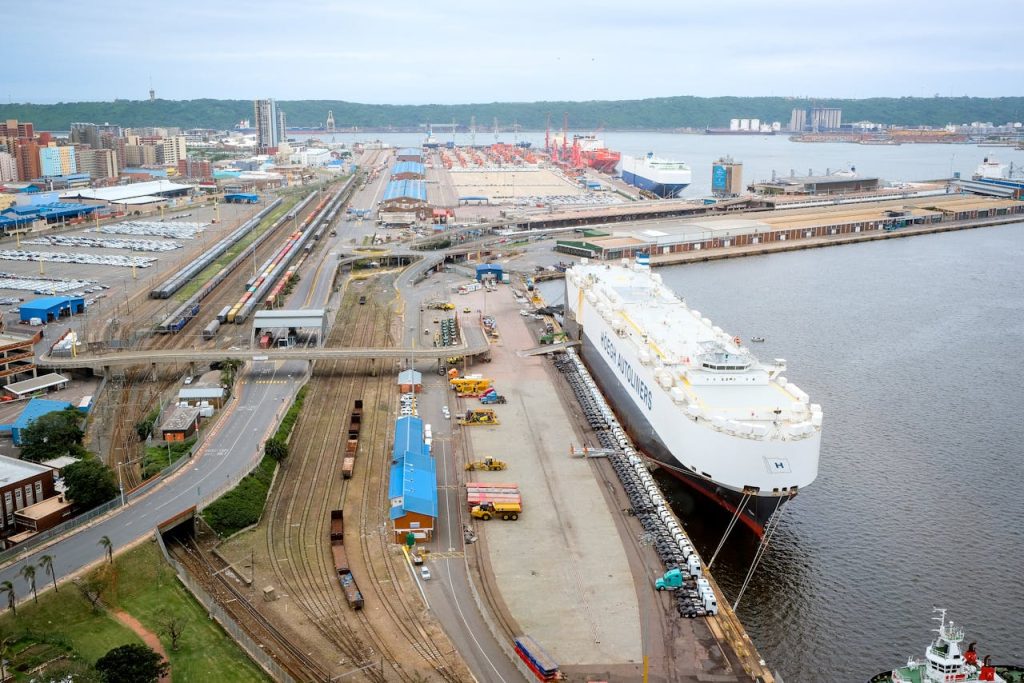
Guinea imports frozen fish despite sitting on one of West Africa’s richest fishing grounds. This contradiction is not unique to Guinea. As the FAO’s West Africa fisheries analysis documents, countries across the Gulf of Guinea simultaneously export raw fish to foreign processors and import processed frozen fish to meet urban consumer demand, because the domestic processing infrastructure needed to capture both domestic and export market value simply does not exist.
In Guinea’s case, the mismatch is particularly acute. The country’s artisanal fleet lands commercially valuable species including grouper, barracuda, sea bream, shrimp, octopus, and sardinella every day, yet without blast-freezing capacity, certified processing facilities, or cold chain logistics, those landings reach only the lowest value channel: immediate local sale at raw fish prices. The premium that European, Gulf, and Asian buyers would pay for the same product, properly processed, frozen, and certified, represents a multiple of three to five times the domestic raw fish price.
West Africa Is Losing USD 300 Million Per Year to IUU Fishing Alone
The Fisheries Committee for the West Central Gulf of Guinea (FCWC) estimates that West Africa loses USD 300 million annually to illegal, unreported, and unregulated (IUU) fishing. Foreign fleets operating in Guinea’s EEZ catch fish in Guinean waters, land it in foreign ports, and export it to premium markets under foreign certificates of origin, with Guinea capturing none of the processing margin, none of the export revenue, and none of the employment that value-added processing creates.
Every investor who establishes certified fish processing and export infrastructure in Guinea is directly displacing this value leakage and redirecting it into the Guinean economy, creating a commercial operation with built-in competitive advantage over informally traded product.
The Export Market Opportunity: Where Guinea’s Fish Can Go
The European Union: The Highest-Value Target Market
The European Union is the world’s largest importer of fish and seafood products, absorbing 80 to 90 percent of certified West African seafood exports that reach international standard, according to FAO processing trade data. EU market access for Guinea-origin seafood requires:
- HACCP compliance: Processing facilities must implement Hazard Analysis and Critical Control Points food safety management systems in line with EU Regulation (EC) No 853/2004. As the U.S. FDA’s Seafood HACCP framework confirms, HACCP is the globally recognized standard that all major export markets require as a non-negotiable baseline.
- Health and Catch Certificates: Every EU-bound shipment requires a Health Certificate confirming hygienic compliance and a Catch Certificate verifying legal sourcing under IUU regulations.
- Third-country approved status: Guinea must achieve formal approval from the European Commission’s DG SANTE as a recognized third country for fisheries product exports to the EU. This status requires investment in national food safety laboratory infrastructure, inspector training, and regulatory alignment.
Guinea has not yet achieved EU third-country approval, which means the investor who builds the first HACCP-certified processing facility in Guinea and supports the government through the approval process establishes a durable first-mover advantage. All future Guinea-origin seafood exports to Europe must flow through approved facilities, making the first compliant processor a gateway asset for the entire sector’s export growth.
The Gulf and Middle East: Halal Premium Markets
Gulf Cooperation Council (GCC) markets including Saudi Arabia, the UAE, Kuwait, and Qatar are high-value importers of seafood with strong demand for shrimp, grouper, sea bream, and cephalopods, all species that Guinea’s waters produce in abundance. Gulf market access requires halal certification from an accredited certifying body in addition to standard food safety documentation, and Guinea’s species profile aligns strongly with Gulf buyer preferences.
Gulf markets offer the additional commercial advantage of lower regulatory complexity than EU markets during the initial phase of export development, making them a strategically sound first export target while EU approval processes are being pursued in parallel.
Regional West Africa: The Immediate Revenue Channel
Before international export markets are certified and opened, Guinea’s processed seafood can access a large and growing regional market across West Africa. Frozen and smoked fish supply chains connecting Guinea to Senegal, Côte d’Ivoire, Mali, and Guinea-Bissau are already informal and active. Formalizing and scaling these supply chains through certified processing and refrigerated transport creates immediate revenue from the regional market while building the operational capability needed for international export certification.
The Processing Value Chain: Where Investment Creates the Most Value
Primary Processing: The Foundation Layer
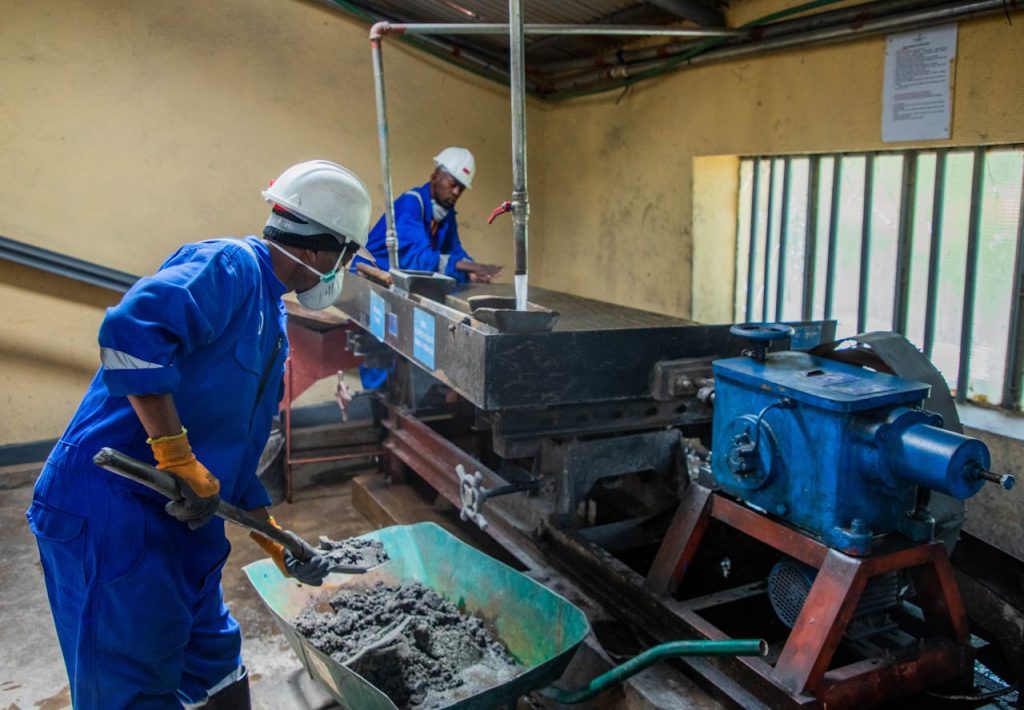
Primary processing encompasses the cleaning, gutting, filleting, portioning, and freezing of fish to international food safety standards. This is the entry-level investment that unlocks all downstream value and is the most urgently needed infrastructure category across Guinea’s entire seafood supply chain.
Key investment components for primary processing infrastructure include:
- Hygienic landing and reception facilities: Stainless steel surfaces, potable water systems, drainage, and waste management to meet sanitary processing requirements from point of receipt.
- Blast freezers: Capable of reaching minus 35 degrees Celsius to rapidly freeze fish and lock in texture, nutritional value, and shelf life suitable for export shipment.
- Cold storage rooms: Maintained at minus 18 degrees Celsius for export-ready inventory management and shipment staging.
- Ice production capacity: Supplying both the processing facility and landing site operations with consistent ice to initiate cold chain management at the point of catch.
Secondary Processing: Higher Margin, Differentiated Products
Secondary processing transforms primary-processed fish into differentiated, higher-margin products with extended shelf life and broader market appeal:
- Smoked and dried fish products: Upgrading Guinea’s traditional smoke-drying methods to hygienic controlled-environment kilns produces food-safe, shelf-stable smoked fish for both domestic urban markets and regional export channels.
- Vacuum-packed and chilled fillets: Premium presentation format targeting retail buyers and food service distributors in Gulf and European markets.
- Fish meal and fish oil: Converting bycatch and processing offcuts into high-demand aquaculture feed inputs, addressing the global fish meal supply deficit documented by the International Fishmeal and Fish Oil Organisation (IFFO).
- Canned seafood products: For medium-term investment horizons, canning facilities produce shelf-stable products with the highest penetration across mass-market retail channels in Europe and the Middle East.
Traceability and Digital Compliance Systems
Modern export buyers require end-to-end digital traceability from catch to container. Electronic logbooks, catch documentation systems, and digital batch tracking platforms are prerequisites for EU market access under IUU regulations and for U.S. market access under the FDA’s Foreign Supplier Verification Program. Investing in digital traceability from the outset positions Guinea’s processing operations ahead of the compliance requirements that are tightening progressively across all major seafood import markets.
Investment Models in Guinea’s Fish Processing and Export Sector
Vertically Integrated Processing and Export Company
The highest-return investment model involves building a fully integrated operation that sources from contracted fishing vessels, operates certified processing and cold storage facilities, manages cold chain logistics to Conakry port, and sells directly to international buyers. This model captures the full processing and export margin, typically three to five times the raw fish landing price, and creates the strongest competitive moat through proprietary certification, buyer relationships, and operational infrastructure.
Cold Chain Infrastructure as a B2B Service Business
A capital-efficient entry model involves establishing ice production plants, refrigerated transport, and cold storage services as a standalone B2B business serving existing fishing operators, processors, and traders. This model generates recurring service revenue from a captive market with no competing infrastructure, while enabling the entire sector to improve quality standards that support future export certification.
Export Trading and Brokerage
For investors with established international seafood buyer networks, an export trading operation sources certified product from Guinea’s landing sites and processing operators, manages quality control and cold chain logistics during transit, and connects Guinean supply with premium international buyers. This model requires lower capital than full processing infrastructure and builds the market access relationships and volume history needed to support later direct processing investment.
For comprehensive support navigating Guinea’s fisheries processing and export investment landscape, YES! Invest in Guinea provides specialist facilitation covering Ministry of Fisheries licensing, food safety compliance advisory, export certification support, cold chain infrastructure guidance, and international buyer market connections.
FAQ: Fish Processing and Seafood Export Investment in Guinea
- What percentage of Guinea’s fish catch is currently exported and what does that mean for investors? Only 3 percent of Guinea’s domestic fish supply reached export markets as recently as 2019, representing just 5,032 tonnes of net exports against total domestic supply of nearly 153,000 tonnes. This near-total absence of export activity means the investor who establishes Guinea’s first certified export-grade processing facility faces no meaningful competition from existing operators and enters a market where the supply of exportable product far exceeds current processing capacity.
- What food safety certifications are required to export Guinea’s seafood to the EU and US? EU exports require HACCP-compliant processing facilities, Health and Catch Certificates for every shipment, and Guinea achieving third-country approved status from the European Commission’s DG SANTE. U.S. exports require full FDA Seafood HACCP compliance and adherence to the Foreign Supplier Verification Program. Gulf market exports require halal certification from an accredited certifying body in addition to standard sanitary documentation.
- Which fish species from Guinea command the highest export prices? Grouper, sea bream, barracuda, and cephalopods including octopus and cuttlefish command the highest prices in European and Asian export markets, where EU buyers pay premium prices for demersal and reef species. Shrimp and prawns attract premium pricing in Gulf market channels. Sardinella and other small pelagics are best suited to regional African markets and fish meal production, where compliance requirements are less stringent than for direct EU or US export.
- Does Guinea have any existing certified fish processing facilities? Guinea’s existing processing infrastructure is almost entirely informal, consisting of traditional smoke-drying operations without food safety certification, traceability systems, or cold chain integration. No certified export-grade fish processing facility currently operates in Guinea, making this a genuine greenfield investment opportunity with no incumbent competition in the formal market segment.
- How does YES! Invest in Guinea support fish processing and seafood export investors? YES! Invest in Guinea provides end-to-end facilitation for seafood processing investors covering Ministry of Fisheries and Maritime Economy licensing, HACCP and food safety compliance advisory, support for EU third-country approval processes, land access and processing facility site identification, cold chain infrastructure development guidance, fishing cooperative and vessel supplier introductions, and connections with international seafood buyers in European, Gulf, and Asian markets.
Build Guinea’s First Certified Seafood Export Business
Guinea’s fish are in the water. The buyers are in the market. The infrastructure connecting them does not yet exist. That is the investment thesis in its most direct form: the investor who builds certified fish processing and cold chain infrastructure in Guinea captures a market that currently has no formal competition, serves buyers who have no alternative certified Guinea-origin supply, and accesses export prices that represent a multiple of the raw material cost right from the first year of operations.
YES! Invest in Guinea is your specialist gateway to Guinea’s fish processing and seafood export opportunity. From licensing and compliance infrastructure to buyer market access and operational setup, our team provides the regulatory expertise, government relationships, and commercial intelligence that turn Guinea’s seafood supply gap into your most productive agribusiness investment.
Explore fish processing and seafood export investment opportunities in Guinea →
Ready to build your Guinea seafood export strategy? Contact our investment advisors today for a confidential consultation and let us map your market entry plan together.