The global investment landscape in 2026 is increasingly defined by the search for “Alpha” in non-traditional markets. As mature economies navigate plateauing growth, the Republic of Guinea has emerged as a powerhouse of industrial and digital expansion in West Africa. For institutional investors and asset managers, Private Equity Guinea represents the final frontier of high-yield opportunities, moving beyond simple mineral extraction into complex value-addition, infrastructure, and consumer-driven tech.
The Guinean economy is no longer a “one-trick pony” focused solely on bauxite. With the massive Simandou project acting as a macroeconomic catalyst, the secondary and tertiary sectors are ripe for consolidation and scaling. This article explores the strategic landscape for Private Equity Funds: Investing in Guinea Growth Sectors, the regulatory tailwinds protecting foreign capital, and the specific industries where private equity (PE) can unlock exponential value in 2026.
The Private Equity Landscape in 2026: Why Guinea?
Private Equity thrives where there is a gap between high potential and available traditional financing. In Guinea, this gap is being filled by a new wave of Pan-African and international funds looking for diversified exposure.
1. Macroeconomic Stability and Growth
Guinea’s GDP growth in 2026 is among the highest in the ECOWAS region. This growth is underpinned by massive infrastructure spending and a stable currency environment. According to the African Development Bank (AfDB), private capital investment is the primary engine for sustainable industrialization across the continent, with Guinea being a top-tier destination for FDI (Foreign Direct Investment).
2. The Simandou “Multiplier Effect”
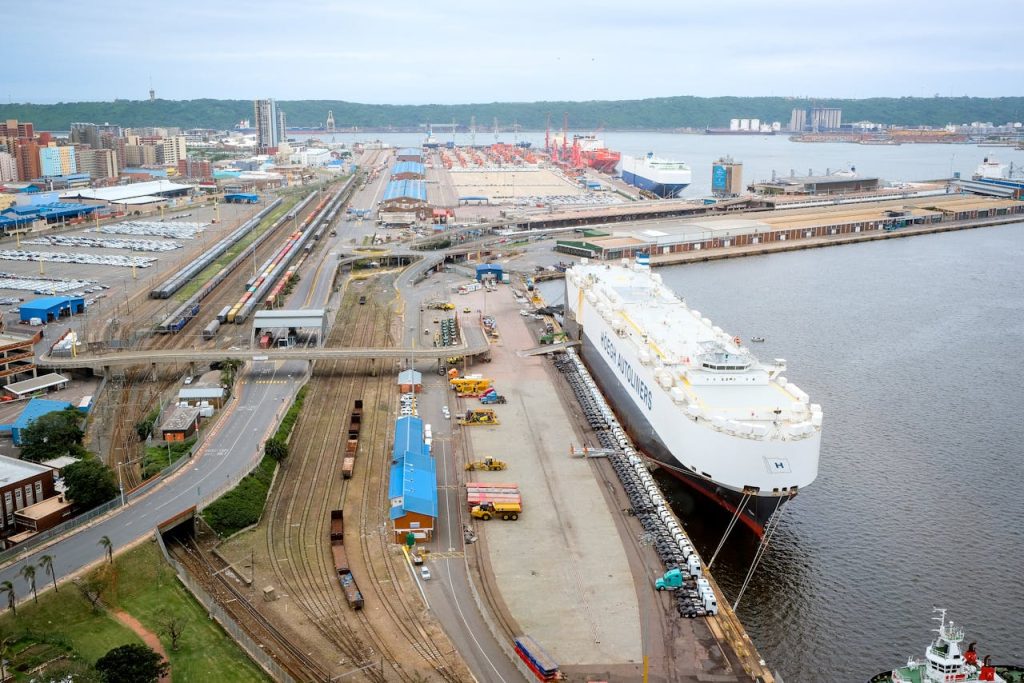
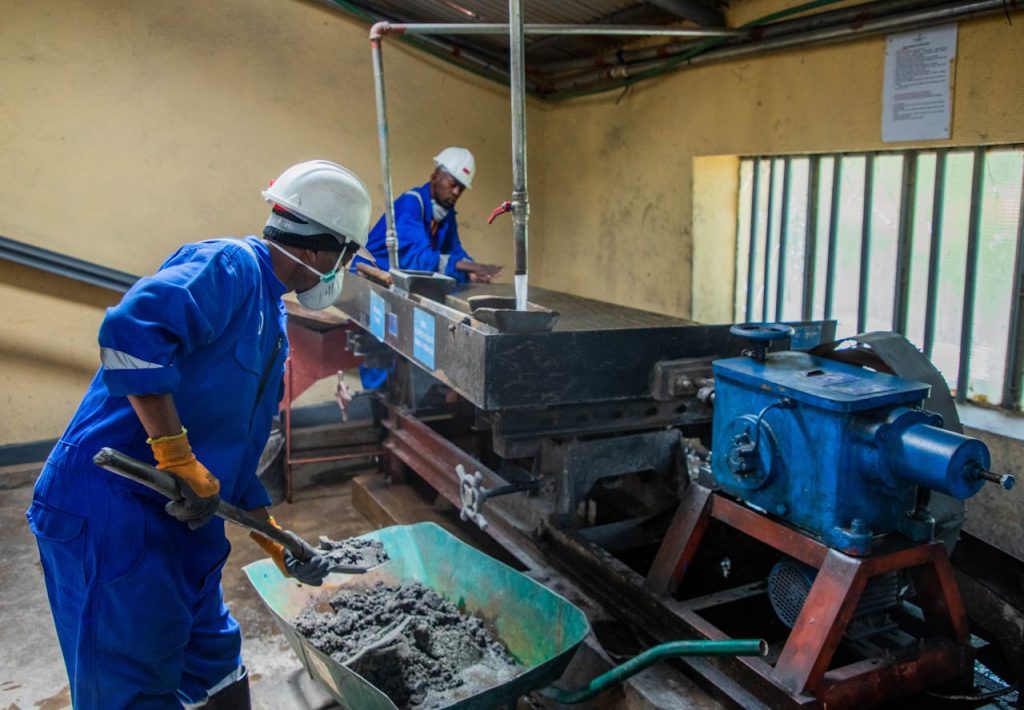
The $20 billion+ Simandou iron ore project has created a “halo effect” for the entire economy. PE funds are identifying “pick and shovel” opportunities businesses that provide essential services to the mining giants, such as specialized logistics, heavy equipment maintenance, and industrial catering.
High-Growth Sectors for Private Equity Deployment
In 2026, Private Equity Guinea is diversifying away from raw extraction into “Real Economy” sectors with high scalability.
1. Agribusiness and Processing (Value-Addition)
Guinea is the “Water Tower” of West Africa, yet it still imports a significant portion of its processed food.
- The Opportunity: PE funds are acquiring local agricultural firms to modernize them with Large-scale Plantation techniques and integrated Agro-Processing facilities.
- Focus: Export-grade Avocado Farming and organic tea, targeting the European and Middle Eastern markets.
2. Renewable Energy and “Power-to-X”
As the world demands “Green Minerals,” Guinea’s mining sector must decarbonize.
- The Opportunity: Investing in Independent Power Producers (IPPs) that develop solar-hydro hybrids and Hydrogen Energy Projects.
- The Draw: Long-term, dollar-denominated Power Purchase Agreements (PPAs) with tier-1 mining multinationals.
3. Financial Services and Fintech
With a young, mobile-first population, the potential for digital banking and B2B payment solutions is immense.
- The Opportunity: Scaling local fintechs that facilitate Crowdfunding for Businesses and mobile remittances for the diaspora.
4. Healthcare and Educational Infrastructure
As the middle class expands, the demand for quality “Social Infrastructure” is skyrocketing.
- The Opportunity: Consolidating private clinics into Healthcare Real Estate networks and building premium Educational Facilities to serve expatriate and local professional families.
The Strategic Advantage: Regulatory and Fiscal Frameworks
Guinea has overhauled its investment environment to ensure that private equity funds can enter, operate, and most importantly exit with confidence.
1. OHADA Legal Framework
The legal bedrock for Private Equity Guinea is the OHADA framework. This provides a unified commercial law across 17 African nations, offering standardized protocols for:
- Shareholder Agreements: Clear definitions of minority rights and governance.
- Secured Transactions: Robust mechanisms for collateral and debt recovery.
- Arbitration: Access to the Common Court of Justice and Arbitration (CCJA) for dispute resolution outside of local courts.
2. Fiscal Incentives for PE Funds
Under the 2026 Investment Code, funds focused on “Strategic Sectors” enjoy:
- Exemption on Capital Gains Tax: When reinvesting profits into other Guinean ventures.
- Repatriation Guarantees: Freedom to transfer dividends and exit proceeds in foreign currency.
- Tax Transparency: Modernized double-taxation treaties with major global financial hubs.
3. The APIP “One-Stop Shop”
The Agency for the Promotion of Private Investment (APIP) has streamlined the Company Registration and licensing process, allowing PE funds to move from “Due Diligence” to “Deployment” in record time.
Risk Mitigation and Exit Strategies in 2026
The “Liquidity Question” is the most common concern for PE investors. Guinea is addressing this through multiple channels.
- Strategic Trade Sales: The most common exit route in 2026 is selling to multinational corporations or larger Pan-African conglomerates looking for a turnkey entry into the Guinean market.
- Secondary PE Buyouts: As companies grow, they often transition from smaller “Angel” or “Venture” backed stages to larger institutional PE funds.
- Regional Stock Exchanges: The Bourse Régionale des Valeurs Mobilières (BRVM) provides a platform for IPOs, offering a structured exit to public markets.
Roadmap for Private Equity Entry
- Local Intelligence: Partner with Yes! Invest Guinea to gain access to proprietary deal flow and non-public market data.
- Due Diligence: Conducting comprehensive ESG and forensic financial audits. In 2026, compliance with international IFC Performance Standards is essential for attracting limited partners (LPs).
- Local Partnership: Successful PE funds often co-invest with local “Angels” or the Government and Institutional Liaison bodies to ensure smooth community and regulatory relations.
- Portfolio Value Creation: Beyond capital, PE funds must bring operational expertise, particularly in digital transformation and sustainable supply chain management.
FAQ: Private Equity Guinea
- What is the typical deal size for private equity in Guinea? While deals in the mining sector can exceed $100M, mid-market PE funds typically target investments between $5M and $30M in sectors like agribusiness, logistics, and healthcare.
- Are there restrictions on foreign currency repatriation? No. Guinea’s investment laws guarantee the free transfer of capital, profits, and exit proceeds for registered foreign investors.
- How does Guinea compare to other West African PE markets? Guinea offers higher “Alpha” potential than saturated markets like Nigeria or Ghana, primarily due to lower entry valuations and the massive untapped potential of its mining-adjacent supply chains.
- What is the role of ESG in Guinean Private Equity? ESG is central. In 2026, funds that demonstrate positive impact on local employment, gender diversity, and carbon reduction (Carbon Capture Technology) gain easier access to global institutional capital.
- How can Yes! Invest Guinea assist my fund?Yes! Invest Guinea acts as your “on-the-ground” partner, facilitating Networking and Partnerships, identifying high-potential targets, and navigating the Legal and Regulatory Assistance landscape.
Conclusion: Leading the West African Private Capital Surge
The Republic of Guinea is no longer a “potential” story; it is an active industrial reality. Private Equity Funds: Investing in Guinea Growth Sectors represent the most sophisticated way to participate in this transformation. By moving capital into the “Real Economy,” private equity is not just generating returns it is building the corporate giants of tomorrow.
In 2026, the combination of OHADA legal security, massive infrastructure catalysts, and a pro-business government has created a “Golden Era” for private capital.
Deploy Your Capital with Yes! Invest Guinea
At Yes! Invest Guinea, we specialize in connecting global capital with local opportunity. From deal sourcing to final exit, our team is your strategic partner in the West African private equity market.
Contact Yes! Invest Guinea today to receive our 2026 Private Equity & M&A Deal Flow Report.