Guinea’s mining boom is creating thousands of jobs, but the country’s biggest long-term investment opportunity may not be in the mines themselves it is in training the workforce that keeps them running. As Simandou and other major projects move from construction into operation, demand for skilled technicians, welders, equipment operators, and site supervisors is rising faster than Guinea’s education system can currently supply them. That gap is exactly where vocational training investment fits in.
Why Guinea Needs Vocational Training Now
Guinea’s mining sector already employs a largely national workforce, with about 90% of workers in the industry being Guinean nationals. On paper, that looks like a strong localization success story. In practice, the impact on skilled employment remains limited, and graduate unemployment exceeded 40% as of a 2025 observatory report. The disconnect is structural: Guinea’s National Employment Policy identifies youth skills mismatch as a core employment barrier, particularly for women and rural youth, with better alignment of skills to labor market needs seen as essential in sectors such as agro-processing, construction, and digital technologies, according to analysis from ISS African Futures.
In short, Guinea has jobs and Guinea has workers — what’s missing is the technical training infrastructure that connects the two.
Government and Industry Are Already Investing Heavily
The Simandou Academy and National Reform
Guinea’s government has placed workforce development at the center of its Simandou 2040 strategy. Officials are actively reforming technical and vocational training to better match labor market needs, with local skills development positioned as key to helping small and medium-sized businesses benefit from the country’s largest mining project, not just the mining companies themselves. The broader Simandou 2040 plan includes the creation of a dedicated Simandou Academy to train local talent in engineering, project management, and sustainable agriculture, backed by an implementation unit established by presidential decree.
Mining Companies Are Building Training Infrastructure Directly
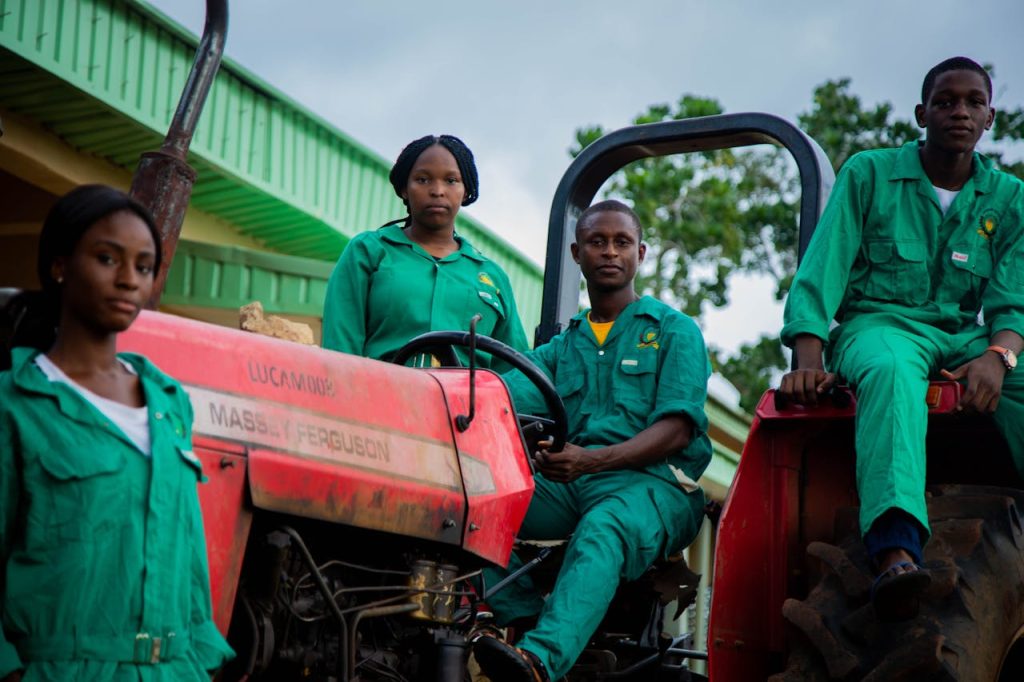
Private investment in vocational training is already flowing into Guinea at meaningful scale. Winning Consortium broke ground on an $18 million vocational training center in Kaboyé, Boké Prefecture, in June 2026, designed to accommodate up to 500 trainees and deliver technical education tailored to the mining, railway, port, and logistics sectors. The project reflects a growing recognition among mining companies that long-term sector sustainability depends not only on infrastructure and resource development but on the availability of a qualified national workforce, according to reporting from Guinea Mining Insights.
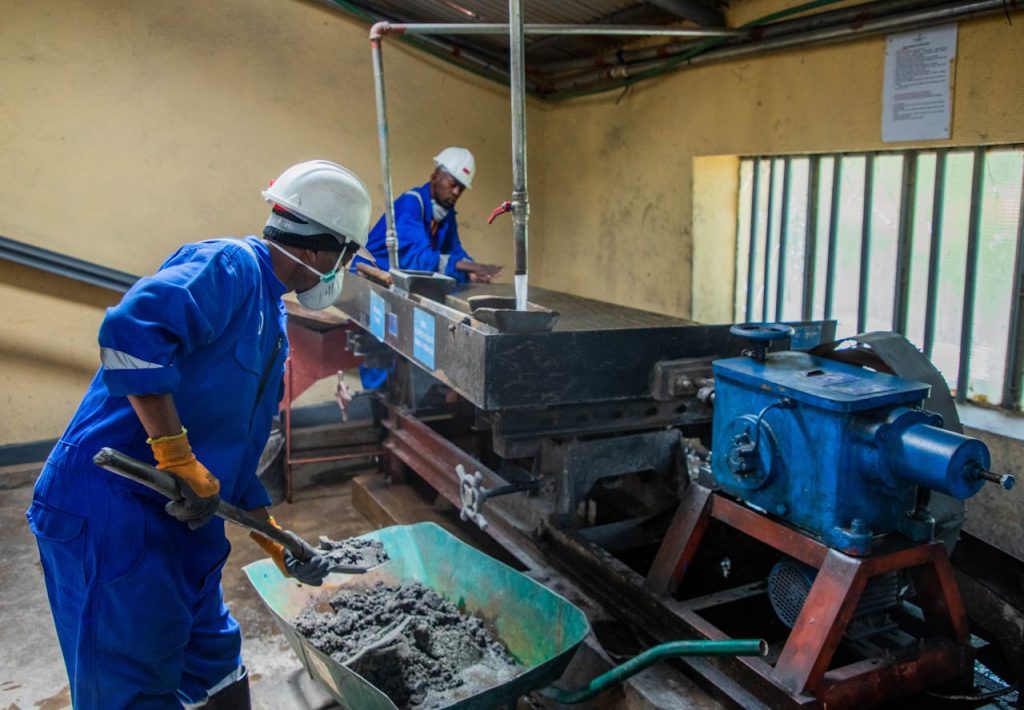
Elsewhere in the sector, a public-private development partnership between the Government of Guinea, industrial refiner Alteo, and UNIDO led to the creation of CEPIAG, a public Center of Excellence formally established in August 2025 to address the country’s persistent industrial skills gap. Training at facilities of this kind focuses on transferable industrial skills such as mechanics, welding, and electricity, allowing workers and local suppliers to engage across multiple sectors rather than being tied to a single employer.
Why Vocational Training Is a Strong Investment Opportunity
Proven Demand, Validated by Industry Itself
When mining consortiums with billions of dollars in project capital choose to build dedicated training centers rather than simply import skilled labor, it signals a durable, long-term demand for vocational education infrastructure. This is not a speculative market; it is a documented gap that Guinea’s largest industrial investors are already paying to close.
A Multi-Sector Opportunity, Not Just Mining
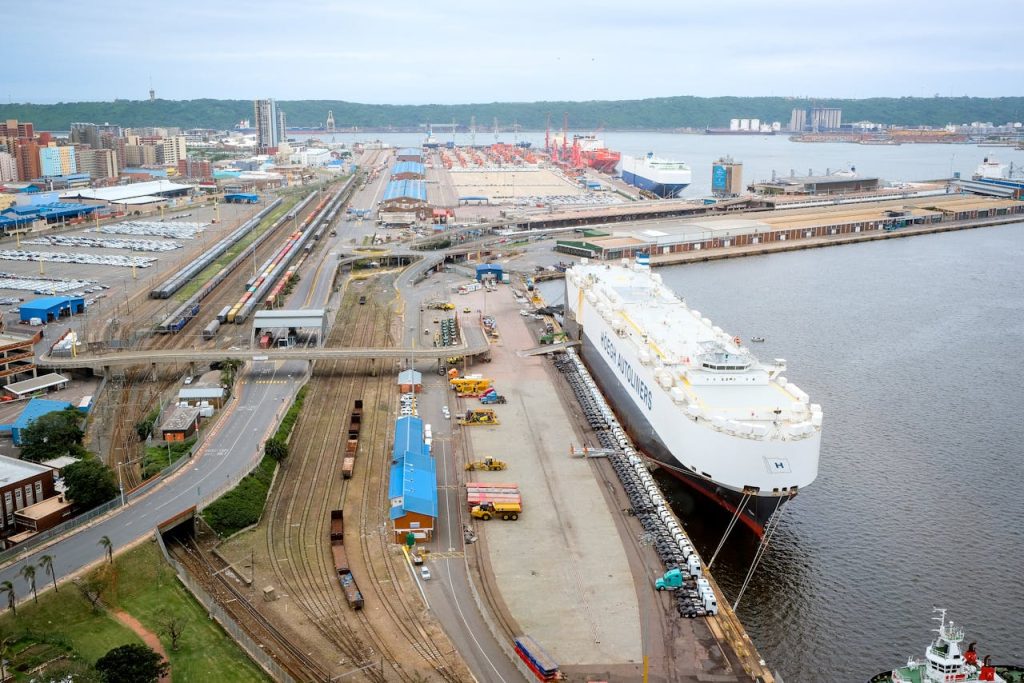
While mining and Simandou dominate headlines, the underlying skills gap spans construction, logistics, ports, and railways as well. Guinea’s Ministry of Education, Literacy, Technical Education and Vocational Training has emphasized that the goal is to expand skilled employment opportunities beyond the mines themselves and into the small businesses and service sectors that form the backbone of the local economy. This positions vocational training centers focused on construction trades, equipment maintenance, and industrial support services as viable standalone investments, not just an adjunct to mining projects.
Regional Precedent for Success
Guinea is not charting unfamiliar territory. Neighboring Gabon offers a useful model: the World Bank-supported Skills Development and Employability Project helped establish vocational centers such as CFEP-MTIC, which now equips young people with job-ready skills in digital, ICT, construction, and woodwork fields, directly addressing youth unemployment by aligning education with labor market needs. Guinea’s own emerging network of vocational centers, including facilities like CFP Kindia, which focuses on practical trade skills tied to local job market needs, shows the model is already taking root domestically.
Investment Opportunities in Vocational Training
Industry-Specific Technical Centers
Purpose-built training facilities aligned with specific industrial needs, such as heavy equipment operation, welding, electrical systems, and industrial maintenance, offer the clearest path to strong enrollment and graduate placement rates, given direct partnerships with mining, construction, and logistics employers.
Public-Private Training Partnerships
Guinea’s CEPIAG model, built through cooperation between government, an industrial investor, and a development organization, demonstrates a replicable structure for new entrants. Investors can explore similar partnerships with mining operators, port developers, or infrastructure contractors seeking a reliable pipeline of trained local workers.
Construction and Infrastructure Trade Schools
With Guinea’s road, rail, port, and urban development sectors expanding rapidly, dedicated training centers for masonry, heavy machinery operation, plumbing, and electrical trades can serve the country’s broader construction boom, independent of the mining sector entirely.
Entrepreneurship and Small Business Training
Aligning with the government’s stated goal of extending economic benefits beyond large mining operators, training centers that combine technical skills with small business and supply-chain management education can help local entrepreneurs become qualified suppliers and subcontractors to major industrial projects.
Risks and Considerations for Investors
Vocational training investments depend heavily on strong employer partnerships to ensure graduates find relevant work, so investors should prioritize direct relationships with mining companies, contractors, or industrial operators before breaking ground. Curriculum design also needs to stay closely aligned with evolving industry needs rather than generic vocational programming. Engaging with established models such as UNIDO’s Workforce Investment for Skills and Employment framework, or partnering with organizations experienced in Guinea’s education sector, can help new training centers avoid common pitfalls around cost-sharing, governance, and long-term sustainability.
How to Get Started
Investors interested in Guinea’s vocational training sector should identify a specific industry focus mining and heavy equipment, construction trades, logistics, or entrepreneurship and seek direct partnerships with employers who can commit to hiring graduates. Working with a team familiar with Guinea’s education ministry, Simandou 2040 workforce priorities, and existing training center models will significantly shorten the path from concept to operational facility.
Frequently Asked Questions
- Why is vocational training such an important investment sector in Guinea right now? Guinea faces a documented skills mismatch, with graduate unemployment exceeding 40% despite strong demand for technical workers in mining, construction, and logistics, creating a validated need for industry-aligned training infrastructure.
- Are mining companies already investing in vocational training in Guinea? Yes. Winning Consortium is building an $18 million vocational training center in Boké Prefecture, and a separate public-private partnership created CEPIAG, a national Center of Excellence for industrial skills.
- Is vocational training limited to the mining sector? No. Guinea’s skills gap spans construction, logistics, ports, and railways as well, meaning training centers focused on these sectors can operate as standalone investments independent of mining.
- What government initiatives support workforce development in Guinea? The Simandou 2040 plan includes the creation of a Simandou Academy for engineering, project management, and sustainable agriculture training, alongside broader reforms to technical and vocational education.
- What makes a vocational training center successful in Guinea’s market? Direct partnerships with employers who commit to hiring graduates, combined with curriculum closely aligned to real industrial needs, are the strongest predictors of a training center’s long-term success.
Ready to Explore Vocational Training Investment in Guinea?
Guinea’s mining and construction boom needs a skilled workforce to sustain it, and the country’s largest investors are already putting capital behind that need. Contact Yes! Invest Guinea today to connect with our local investment specialists, explore vetted vocational training opportunities aligned with Guinea’s Simandou 2040 workforce priorities, and get a clear roadmap for building an education venture that meets real, documented industry demand.