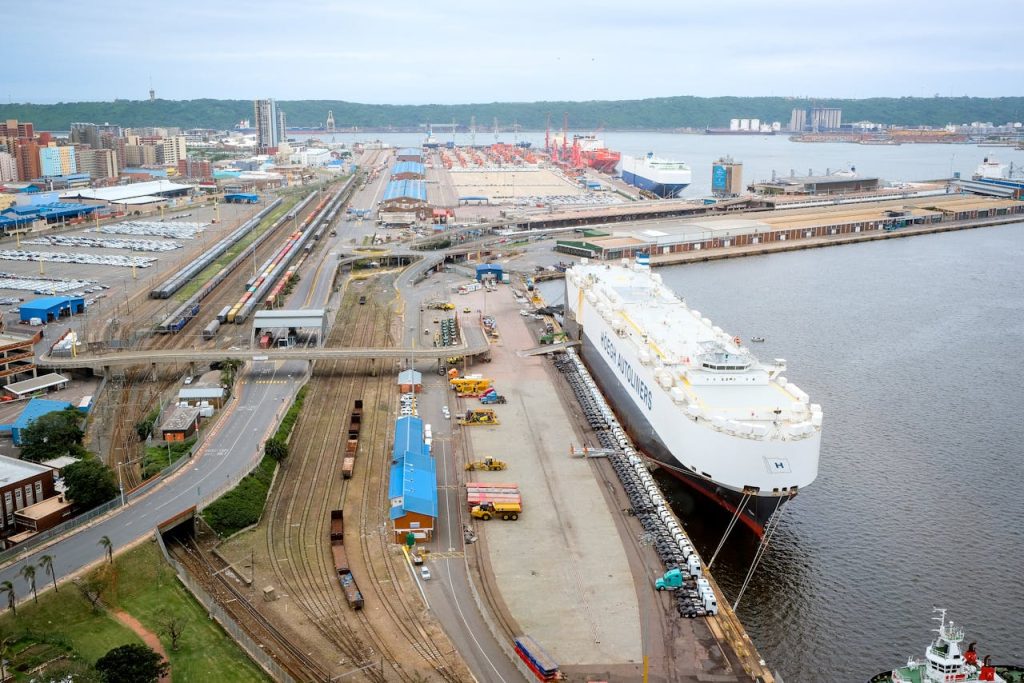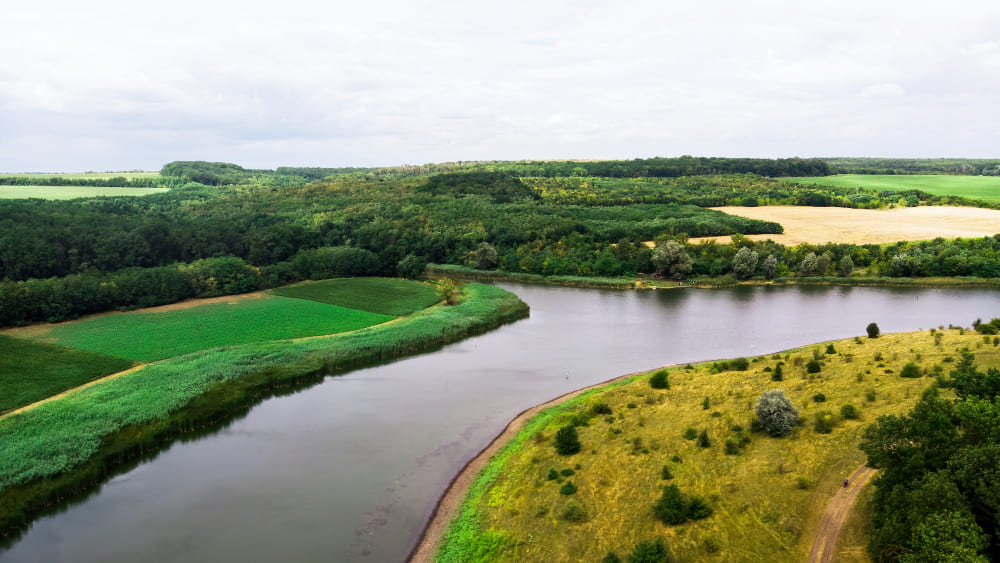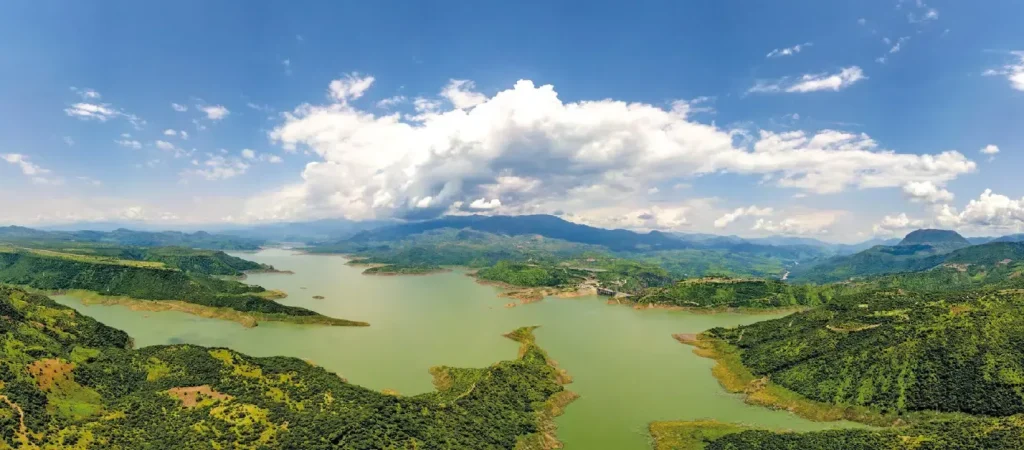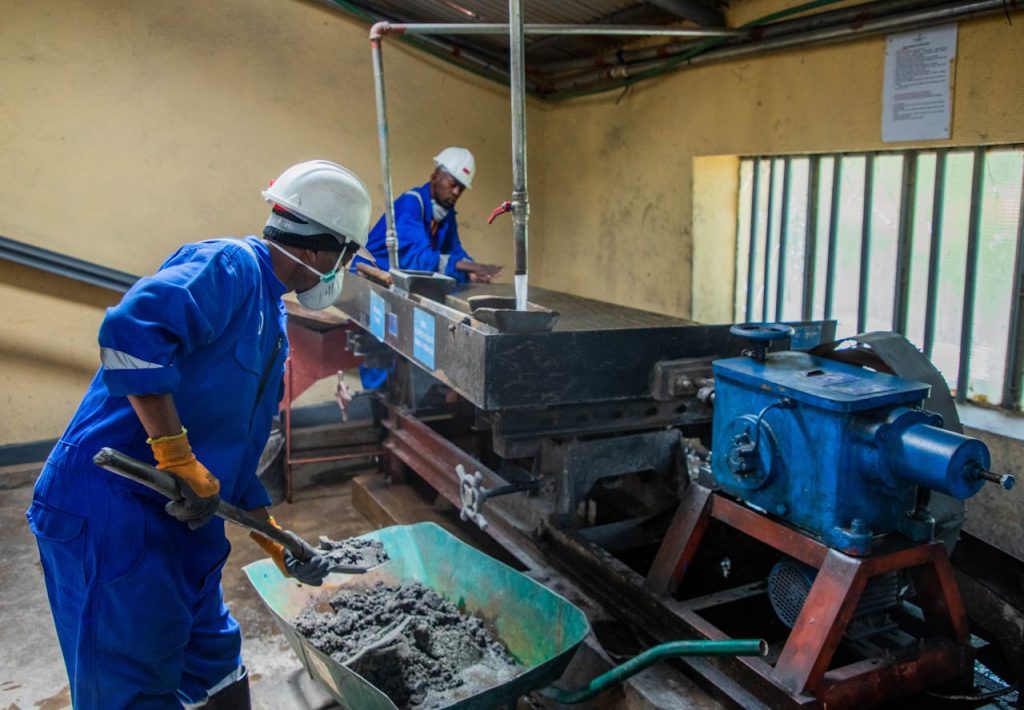
The United States has a six-decade head start in Guinea that most investors don’t realize exists. Alcoa has operated as a joint venture partner in Guinean bauxite for more than sixty years, and Washington has steadily deepened its footprint through development finance, trade preferences, and direct diplomatic engagement. Yet American capital remains underrepresented relative to the scale of opportunity and relative to the aggressive position China has built in the same market. For US investors willing to move now, Guinea offers a rare combination of strategic mineral access, institutional goodwill, and genuine first-mover advantage.
In this guide, Yes! Invest Guinea breaks down the concrete reasons why US investors corporations, development finance institutions, and private capital alike should be looking seriously at Guinea today.
A Strategic Window the US Cannot Afford to Ignore
Guinea Sits at the Center of Global Critical Minerals Competition
Guinea holds approximately 25% of the world’s known bauxite reserves, making it the single most important source of the primary input for aluminum production used across automotive, aerospace, and construction industries. According to the Atlantic Council’s analysis of US strategic interests in Guinea, the country also hosts commercial quantities of gold, gallium, lithium, uranium, and graphite minerals central to the global energy transition and advanced manufacturing.
The same analysis is direct about the competitive stakes: China’s influence in Guinea remains significant, driven by its long history of investment in bauxite and aluminum and the control Chinese firms exert over logistics, refining, and offtake agreements. If US investors want a meaningful position in one of the world’s most important mineral economies, the window to establish it is open now but it will not stay open indefinitely.
Alcoa’s Six-Decade Track Record Gives US Firms a Reputational Head Start
The Compagnie des Bauxites de Guinée (CBG), a joint venture between the Government of Guinea, US-based Alcoa, Rio Tinto, and Dadco Investments, has operated for decades and is widely regarded, according to the Atlantic Council, as the corporate governance “gold standard” in Guinea’s mining sector. This matters beyond reputation: Guinea’s recent regulatory reforms reward exactly the kind of transparency and financial disclosure standards that US and Western firms already practice as a matter of course, giving American investors a structural advantage over operators with looser governance standards.
Trade Frameworks That Favor US Investment
AGOA Eligibility Opens Preferential Market Access
Guinea is currently eligible for the African Growth and Opportunity Act (AGOA), according to the Office of the US Trade Representative. AGOA eligibility allows qualifying Guinean goods preferential, often duty-free, access to the US market a meaningful incentive for US investors structuring manufacturing, processing, or export-oriented operations inside Guinea rather than simply purchasing raw commodities from a distance.
A Pro-West Government With Diversified Partnerships
The US Department of State’s 2025 Investment Climate Statement on Guinea describes Guinea’s government as relatively pro-West while maintaining diversified economic partnerships. The same report notes that Guinean authorities and American companies have already concluded several large business deals across energy, mining, and IT sectors evidence that the diplomatic and commercial relationship is active, not theoretical.
US Development Finance Is Already Active — and Looking to Expand
A Track Record of Direct US Government-Backed Investment
The US International Development Finance Corporation (DFC) and its predecessor, the Overseas Private Investment Corporation (OPIC), have a documented history of financing major projects in Guinea. According to the State Department’s investment climate statement, OPIC alongside the International Finance Corporation and several commercial banks provided CBG with a loan package exceeding USD 795 million in 2016 to expand bauxite production, a project DFC continues to inspect semi-annually.
DFC’s involvement extends well beyond mining. The agency has also supported a 50-megawatt thermal energy project and, more recently, committed financing to a cashew processing plant with a 10,000-metric-ton annual capacity in Boké. This pattern signals exactly where US development finance is willing to go next: energy diversification and agro-processing, both sectors ripe for additional private capital alongside DFC’s catalytic role.
Diversification Beyond Mining Is the Next Frontier
While mining remains central to Guinea’s economy, the Atlantic Council’s analysis emphasizes that diversification is critical for the country’s long-term stability — and explicitly identifies hydropower, liquefied natural gas, digital infrastructure, and agriculture as priority opportunities. For US investors, this is a meaningful signal: the same government and development finance ecosystem that has long supported mining is now actively encouraging capital into sectors where American expertise in renewable energy, digital infrastructure, and agribusiness can be applied directly.
Why Acting Early Matters
Guinea Is Actively Restructuring Its Bauxite Economy
Guinea’s government has recently moved to cap bauxite export volumes targeting a reduction to roughly 150 million tonnes annually while using fiscal incentives to push mining companies toward domestic alumina refining and infrastructure investment rather than simply maximizing raw ore shipments. This shift, combined with a managed approach designed to preserve existing foreign investment relationships, signals that Guinea is actively trying to move up the value chain creating new entry points for US investors positioned to support processing, refining, and infrastructure development rather than raw extraction alone.
Competing Interest From Multiple Global Powers
Guinea has become a genuine focal point for global competition. The presence of senior diplomatic delegations from both Washington and Beijing at recent high-level government events in Guinea underscores how seriously major powers are treating the country’s strategic position. For US investors, this is less a reason for caution than a reason for urgency: the partnerships, concessions, and goodwill available today may look very different once that competition intensifies further.
How Yes! Invest Guinea Supports US Investors
Yes! Invest Guinea acts as the operational bridge connecting US corporations, development finance institutions, and private investors with vetted opportunities across Guinea’s economy. Our support includes:
- Structuring joint ventures and offtake agreements aligned with US governance and compliance standards
- Coordinating with APIP, the Ministry of Mines and Geology, and relevant regulatory authorities
- Identifying opportunities in hydropower, LNG, digital infrastructure, and agro-processing alongside traditional mining
- Advising on AGOA-eligible export strategies for US-bound goods produced in Guinea
- Facilitating introductions to local partners and connecting projects with US development finance channels
Frequently Asked Questions
1. Does the United States already have an investment history in Guinea? Yes. Alcoa has been a joint venture partner in Guinean bauxite operations for more than sixty years, and US development finance institutions have financed major mining and energy projects in the country.
2. What trade advantage does AGOA give US-linked investments in Guinea? AGOA eligibility allows qualifying Guinean goods preferential, often duty-free, access to the US market, benefiting investors who structure processing or manufacturing operations within Guinea.
3. Is mining the only sector where US investors should look in Guinea? No. Hydropower, liquefied natural gas, digital infrastructure, and agriculture have been specifically identified as priority diversification opportunities alongside traditional mining investment.
4. How are US development finance institutions currently involved in Guinea? The US International Development Finance Corporation has financed bauxite expansion, a thermal energy project, and a cashew processing facility, and continues to monitor and support similar projects.
5. How can Yes! Invest Guinea help US investors enter Guinea? Yes! Invest Guinea provides regulatory coordination, joint venture structuring, sector-specific opportunity identification, and connections to US development finance channels tailored to American investment priorities.
Secure Your Position Before the Competition Intensifies
Guinea offers US investors a rare alignment of strategic mineral access, trade preferences, and an active development finance ecosystem all backed by a multi-decade track record of American corporate presence. The opportunity is real, and the competitive window is narrowing.
Connect with Yes! Invest Guinea today to explore how your investment strategy can align with Guinea’s mining, energy, and industrial opportunities.