Wall Street is not a stranger to frontier market returns. But Guinea is a different category of opportunity from the typical frontier market pitch. This is not a story about demographic dividends or consumer spending potential in a decade’s time. Guinea is delivering measurable, present-tense economic transformation at a scale that restructures global commodity supply chains. The question for Wall Street is not whether there is opportunity in Guinea. The question is what specific financial returns, asset classes, and strategic positions American capital markets can access, and whether the risk-adjusted case is strong enough to act now.
In this guide, Yes! Invest Guinea answers that question directly, from the perspective of the investment banks, asset managers, private equity funds, and capital markets participants who make up Wall Street’s diverse institutional landscape.
The Macro Case That Wall Street Cannot Ignore
Guinea received its first sovereign credit rating in September 2024: B+ with a stable outlook from S&P Global Ratings, according to reporting from Discovery Alert’s Guinea sovereign wealth fund analysis. That rating was not issued into a vacuum. It came alongside a confirmed pipeline of over $20 billion in committed mining infrastructure investment, a Simandou iron ore project now in active production, and a government projecting GDP growth averaging 10% between 2026 and 2027 as mining revenues accelerate.
The IMF has followed. In August 2026, the IMF reached a staff-level agreement with Guinea for a 41-month extended credit facility potentially worth $425 million, with IMF board approval expected in September 2026, according to Bloomberg’s reporting on Guinea’s IMF financing. The IMF’s stated rationale is to help Guinea capture more mining revenue and strengthen management of its growing resource wealth. IMF program engagement is one of the clearest institutional signals available to Wall Street that a frontier sovereign’s macro trajectory is on a credible path.
Guinea’s planning minister has been explicit about the ambition: “If we manage proper reforms, GDP could grow strongly and reach the same level as Morocco or South Africa.” For capital markets participants that moved early into comparable African transformation stories, the pattern is familiar.
Debt Markets: A Frontier Sovereign With Real Collateral
Sovereign Bond and Sukuk Issuance
Guinea is actively exploring sovereign bond issuance alongside Islamic finance instruments including sukuk. As reported by Kitco News’ Reuters-sourced Guinea coverage, the government is examining partnerships with other sovereign funds and Islamic finance structures to raise additional market funding. A resource-backed sovereign bond from Guinea, secured against Simandou royalty and revenue streams, would offer Wall Street debt desks a yield premium that comparable investment-grade commodity sovereigns cannot match.
The asset backing is genuinely exceptional. Simandou holds an estimated 8 billion tonnes of iron ore reserves, with annual output targeted at 120 million tonnes at full buildout. Wall Street firms that have been building resource-backed debt capacity in Africa see Guinea’s debt issuance pipeline as among the strongest collateralized frontier sovereign opportunities currently in development.
Infrastructure Project Finance
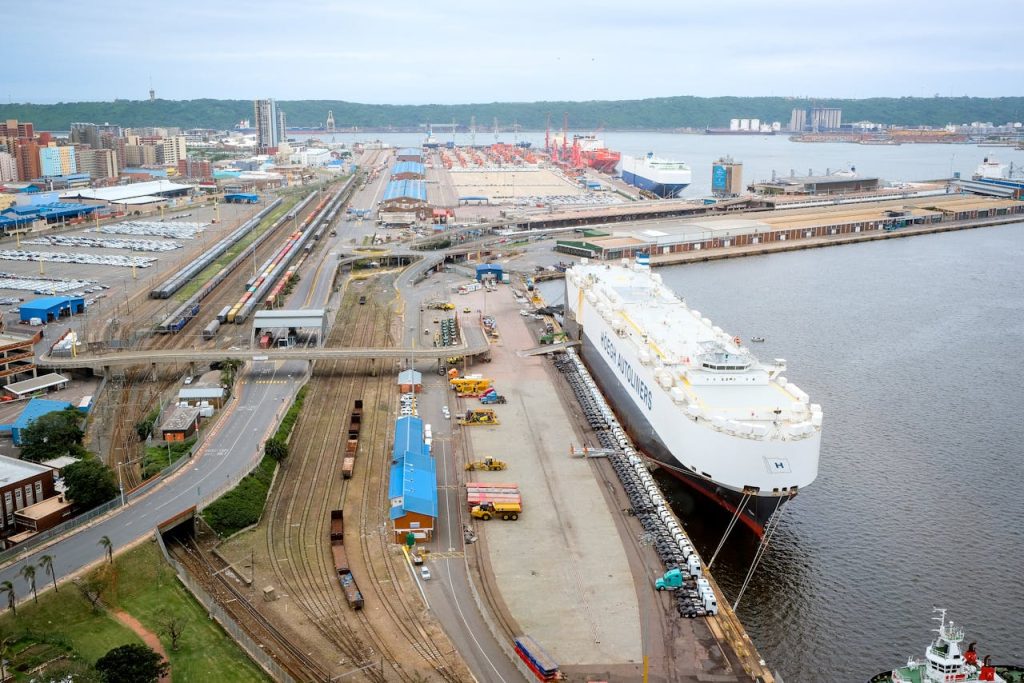
Guinea’s infrastructure pipeline, anchored by the $6 billion Trans-Guinean railway and port financing need identified by Brookings Institution’s critical minerals infrastructure analysis, requires Wall Street project finance capabilities alongside multilateral co-investors. Investment banks with structured finance desks, export credit agency relationships, and development finance institution co-lending experience are positioned to lead or co-arrange these transactions. The Simandou corridor alone represents one of the largest project finance mandates in African infrastructure, and the precedent it sets will generate follow-on financing needs across alumina refineries, energy infrastructure, and logistics facilities.
Equity Markets: Listed Exposure and Private Equity Entry Points
Listed Equity With Guinea Commodity Exposure
Wall Street equity desks and asset managers can access Guinea’s resource story through listed companies with direct operational exposure. Rio Tinto, as a 45% stakeholder in SimFer, provides the most liquid route. S&P Global’s September 2025 analysis of the Simandou project confirms that the resurgence in iron ore capital expenditure is significantly directed toward Simandou, contrasting with the broader capital decline across the mining industry, according to S&P Global Market Intelligence’s Simandou analysis. For equity research desks and long-only funds, this concentration of iron ore capex in a single, high-grade project makes Simandou-exposed equities a differentiated holding within a diversified commodity portfolio.
Private Equity in Guinea’s Industrial Buildout
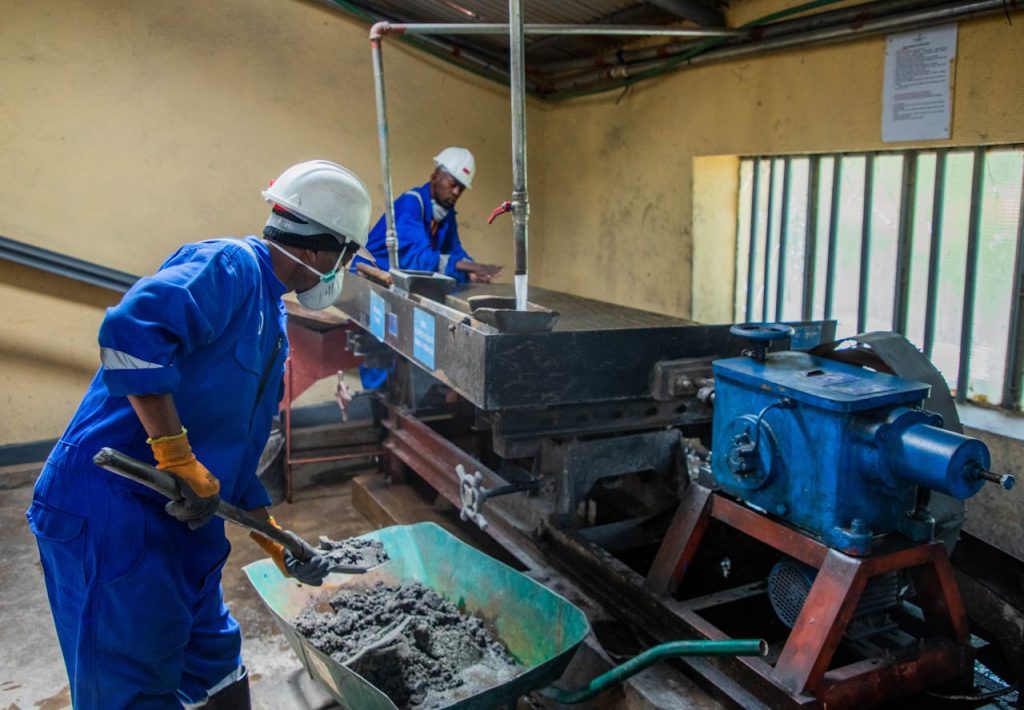
Beyond public markets, Guinea’s industrialization push creates private equity opportunities that fit the current market appetite for operational, asset-backed emerging market exposure. The $1.2 billion WCAG alumina refinery, the SPIC refinery with its 250 MW dedicated power plant, and the Chalco joint venture targeting 2 million tonnes of annual alumina capacity all involve capital structures where private equity co-investment alongside Chinese industrial groups and development finance institutions is a realistic possibility for firms with frontier market mandates.
The Sovereign Wealth Fund: A New Institutional Counterparty
Guinea’s sovereign wealth fund, the Fonds de Richesse Simandou, is being capitalized at $1 billion with Simandou mining revenues and is expected to co-invest with global institutional partners, according to CNBC Africa’s reporting on the fund. The fund’s investment philosophy prioritizes long-term diversification through infrastructure, education, agriculture, and industry, and it is designed to partner with internationally recognized asset managers rather than operate independently.
For Wall Street asset managers seeking mandates from newly established sovereign wealth funds, Guinea’s fund represents an early-stage institutional relationship opportunity of exactly the kind that has generated long-term advisory and management fee revenue with comparable Gulf and African sovereign funds. Getting in at the formation stage, rather than competing for a mandate from an established fund with dozens of existing managers, carries a structural advantage that is difficult to replicate later.
Capital Markets Advisory: The Structural Long-Term Play
Beyond specific transactions, Guinea’s transformation creates sustained demand for the full range of Wall Street advisory services. Investment banks with Africa practices can build durable advisory relationships across:
- Sovereign bond structuring and roadshow management
- Mergers and acquisitions advisory for the consolidating bauxite and alumina sector
- Mining company equity raises and dual listings on the New York Stock Exchange or Nasdaq
- Infrastructure fund raising for the Simandou 2040 development program’s 122 identified strategic projects
- Commodity hedging and risk management products for Guinea’s growing list of mining operators
The inaugural Simandou Mining Summit, held in Conakry from November 11 to 14, 2026, is being organized by the Government of Guinea specifically to convene governments, investors, mining companies, and financial institutions, according to the official Simandou Mining Summit. This event signals that Guinea is actively building the deal-flow infrastructure to connect its investment pipeline with international capital, including Wall Street.
What Wall Street Needs to Get Right
The returns available in Guinea are real, but they require the right structural approach. Political risk insurance through MIGA, hard currency structuring for all repatriation mechanisms, and rigorous local legal counsel on contract enforceability are non-negotiable for responsible institutional deployment. The firms generating the best outcomes in comparable frontier resource economies are those who combine rigorous risk structuring with genuine on-the-ground knowledge, rather than attempting to replicate a developed-market transaction template in a frontier context.
Wall Street’s competitive advantage in Guinea lies in its structuring sophistication, its ability to mobilize and syndicate large capital pools, and its relationships with multilateral co-investors. Those advantages are most valuable precisely in markets like Guinea, where deal complexity and capital size create barriers that smaller or less experienced institutions cannot clear.
How Yes! Invest Guinea Supports Wall Street Institutions
Yes! Invest Guinea connects investment banks, asset managers, and institutional capital with structured Guinea opportunities. Our support includes:
- Identifying project finance, sovereign debt, and private equity opportunities aligned with Wall Street mandates
- Facilitating introductions to Guinea’s Ministry of Finance, Ministry of Mines, and the Simandou 2040 program office
- Connecting institutions with co-investment opportunities alongside IFC, AfDB, and multilateral development finance partners
- Providing market intelligence and due diligence support for Guinea-specific investment committee processes
- Advising on political risk insurance, hard currency structuring, and Investment Code frameworks for institutional capital deployment
Frequently Asked Questions
- Does Guinea have a sovereign credit rating that Wall Street institutions can reference? Yes. Guinea received its first sovereign credit rating of B+ with a stable outlook from S&P Global Ratings in September 2024, enabling international capital markets participants to formally price and structure sovereign risk.
- What debt market opportunities does Guinea offer for Wall Street firms? Guinea is exploring sovereign bond issuance, resource-backed sukuk structures, and infrastructure project finance alongside multilateral lenders. The Simandou corridor’s $6 billion financing need represents one of the largest project finance mandates in current African infrastructure.
- How does the IMF program affect Guinea’s institutional investability? The August 2026 IMF staff-level agreement for a $425 million extended credit facility, targeting improved mining revenue capture and resource wealth management, is one of the strongest institutional signals available that Guinea’s macro trajectory is on a credible reform path.
- Can Wall Street asset managers pursue mandates with Guinea’s sovereign wealth fund? Yes. The Fonds de Richesse Simandou is designed to co-invest with global institutional partners and is actively seeking internationally recognized asset managers. Early engagement at the fund’s formation stage carries structural advantages over competing for an established fund mandate later.
- How can Yes! Invest Guinea help Wall Street institutions access Guinea? Yes! Invest Guinea connects Wall Street firms with project finance opportunities, government introductions, co-investor networks, and due diligence support for investment committee processes targeting Guinea’s mining, infrastructure, and industrial sectors.
The Window for Wall Street’s First-Mover Position Is Open Now
Guinea’s B+ sovereign rating, IMF program engagement, $20 billion in committed infrastructure investment, and a producing Simandou mine are providing Wall Street with something rare: a frontier sovereign story with present-tense collateral and credible institutional backing. The firms that build relationships and execute first transactions in Guinea now will be the advisory and capital markets leaders for a sovereign economy that the IMF projects will grow at 10% annually through 2027.
Connect with Yes! Invest Guinea today to discuss how your institution can access Guinea’s capital markets, project finance, and advisory opportunities.