Saudi Arabia has spent the last decade building one of the most ambitious diversification programs in the world. Vision 2030 has pushed the Kingdom to look beyond oil toward mining, renewable energy, logistics, and global supply chain resilience. But diversification doesn’t stop at the Kingdom’s borders. To truly secure long-term mineral supply, energy diversification, and new consumer markets, Saudi capital increasingly needs to look outward and few markets align as naturally with that mission as Guinea.
In this guide, Yes! Invest Guinea lays out the specific, practical reasons why Saudi investors sovereign funds, family offices, and private corporations alike should be looking seriously at Guinea as their next investment destination.
Guinea’s Resources Directly Complement Saudi Vision 2030
Bauxite: The Same Mineral Powering Saudi Arabia’s Own Aluminum Ambitions
Saudi Arabia’s state mining company, Ma’aden, already operates the Al Ba’itha bauxite mine and partners with Alcoa at the Ras Al Khair aluminum complex. According to S&P Global’s analysis of Saudi mining strategy, the Kingdom is actively expanding downstream processing capacity and securing feedstock for green industrial projects both domestically and through strategic investments abroad, including in Africa.
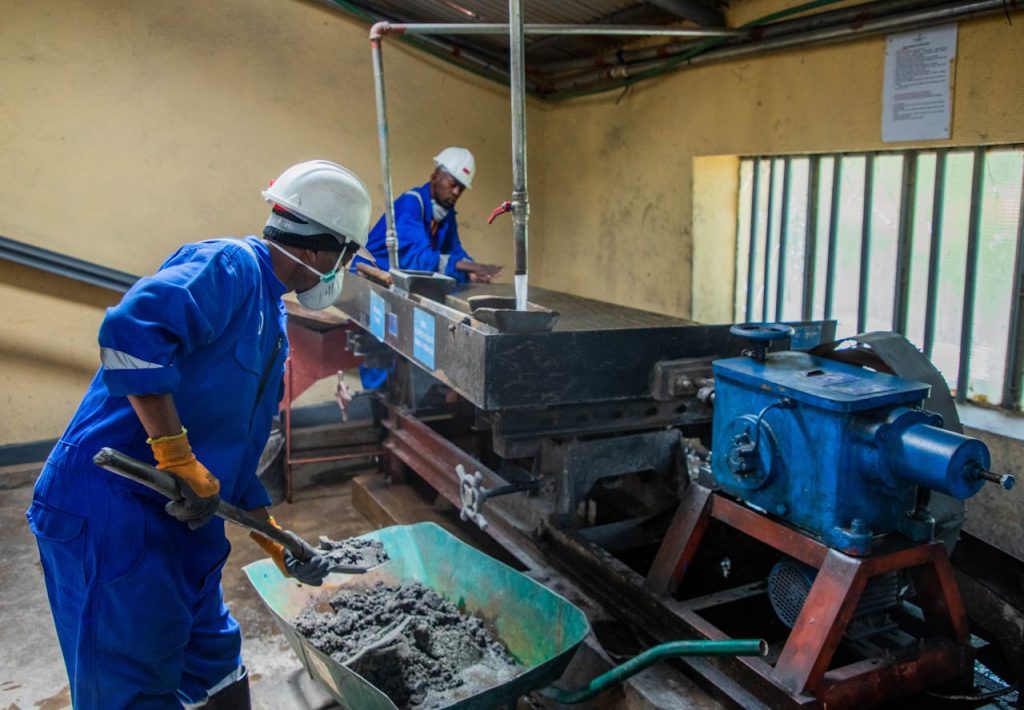
Guinea holds roughly a quarter of the world’s known bauxite reserves. Investing in Guinea’s bauxite and alumina value chain doesn’t compete with Saudi domestic mining it diversifies it. A Saudi investor who already understands bauxite-to-aluminum economics at home can apply that same expertise to a second, geographically distinct supply source, reducing the Kingdom’s exposure to any single point of mineral risk.
Critical Minerals Are a Strategic Necessity, Not a Side Bet
Saudi Arabia’s energy minister has stated plainly that the country’s next energy security challenge will center on electricity and minerals, not oil. Reporting from African Business notes that Africa holds an estimated 30% of the world’s proven critical mineral reserves, and that securing both indigenous and foreign mineral supply chains is essential to Vision 2030 goals around electric vehicles, batteries, and clean energy.
Saudi Arabia’s domestic mineral base gives it an advantage over Gulf rivals like the UAE, which must rely almost entirely on buying access abroad. But that advantage only compounds if the Kingdom also builds foreign positions early and Saudi investment in African critical minerals remains comparatively limited today. That gap is precisely the opportunity: Guinea is still in the early innings of attracting Gulf capital, meaning Saudi investors who move now can secure favorable terms before competition intensifies.
Guinea Offers What Saudi Capital Is Actively Seeking Elsewhere
Renewable Energy Capacity at Scale
Vision 2030 commits Saudi Arabia to sourcing 50% of its electricity from renewables, backed by more than USD 186 billion invested under the Saudi Green Initiative. Guinea is known as West Africa’s “water tower,” with the region’s largest hydropower potential — much of it still undeveloped. For Saudi entities with renewable energy expertise and capital ready to deploy, Guinea offers a market where that expertise can be applied to genuinely untapped generation capacity, rather than an already-saturated renewables market.
A Logistics Position That Mirrors Saudi Arabia’s Own Strategy
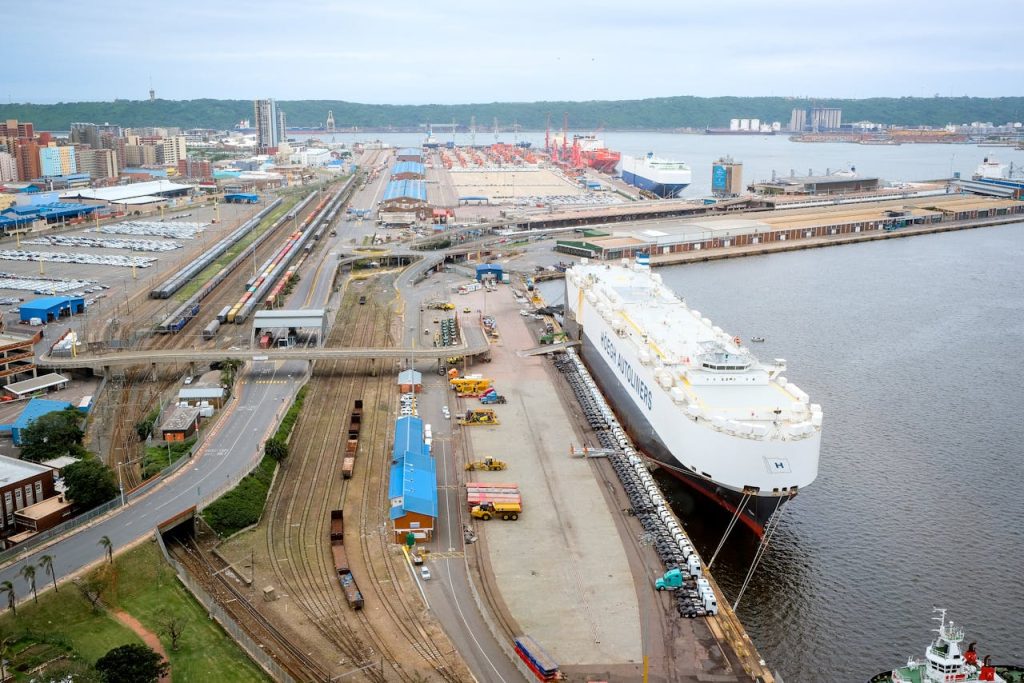
Saudi Arabia’s National Industrial Development and Logistics Program is explicitly built around turning the Kingdom’s geography positioned between Europe, Africa, and Asia into a multi-modal trade and value-add platform. Guinea occupies a comparable strategic position along West Africa’s Atlantic coast, with major infrastructure upgrades underway through projects like the Simandou rail and port corridor. Saudi logistics investors who understand the value of geographic positioning at home will recognize the same opportunity in Guinea’s expanding port and rail capacity.
Access to a Market of 1.3 Billion Consumers
Goods manufactured or substantially processed in Guinea gain preferential access across the continent through the African Continental Free Trade Area, covering 54 nations and more than 1.3 billion consumers. For Saudi industrial investors — particularly in food processing, machinery, and renewable equipment, all named priorities under Vision 2030’s industrial pillar — establishing assembly or processing operations in Guinea offers a low-friction route into one of the world’s largest emerging consumer markets.
The Investment Terms Are Built for Exactly This Kind of Capital
Guinea’s legal framework removes several of the structural barriers that typically slow foreign institutional investment:
- 100% foreign ownership is permitted under the OHADA legal framework, with no requirement for a mandatory local partner
- Full repatriation of profits, dividends, and capital is guaranteed in foreign currency, with no restriction on transferring returns back to Saudi Arabia
- Duty waivers apply to imported machinery and manufacturing equipment within Guinea’s Special Economic Zones
- Tax incentives and privileged regime status are available to qualifying investors under Guinea’s Investment Code
These protections matter most to the kind of long-horizon, large-scale capital Saudi sovereign and quasi-sovereign vehicles typically deploy. Saudi Arabia’s Public Investment Fund, for example, has shifted from a passive holding company into an active investment vehicle designed to catalyze entire new industry ecosystems a mandate that aligns naturally with the scale of opportunity available across Guinea’s mining, energy, and industrial sectors.
Timing Favors Early Movers
Oxford Business Group’s overview of Saudi Arabia’s Vision 2030 diversification strategy confirms that foreign direct investment sits at the very core of the Kingdom’s economic reshaping a posture that increasingly looks outward, not just inward. As that outward-looking strategy matures, the African markets that absorb early Saudi capital will likely see the deepest, most durable partnerships form. Guinea, with its resource depth, reform momentum, and underdeveloped Gulf investment relationships, is positioned to be one of those markets but the window to establish first-mover advantage will not stay open indefinitely.
How Yes! Invest Guinea Supports Saudi Investors
Yes! Invest Guinea acts as the operational and institutional bridge connecting Saudi capital with real, vetted opportunities across Guinea. Our support includes:
- Structuring joint ventures and concession agreements that align with Saudi investment standards and Guinea’s Investment Code
- Coordinating directly with APIP, the Ministry of Mines and Geology, and relevant regulatory bodies
- Identifying bauxite, alumina, hydropower, and logistics opportunities matched to Saudi strategic priorities
- Advising on Special Economic Zone site selection for industrial and assembly operations
- Facilitating AfCFTA market access strategy for goods produced or processed in Guinea
Frequently Asked Questions
1. Why should Saudi investors look at Guinea instead of expanding only domestically? Guinea offers bauxite, hydropower, and logistics opportunities that diversify — rather than duplicate — Saudi Arabia’s domestic resource base, directly supporting Vision 2030’s supply chain resilience goals.
2. Is Saudi investment in Guinea or Africa already common? Not yet at scale. Saudi investment in African critical minerals remains comparatively limited compared to regional rivals like the UAE, which is precisely why early entry into markets like Guinea carries first-mover advantage.
3. Can Saudi companies own 100% of a business in Guinea? Yes. Guinea’s OHADA legal framework permits full foreign ownership of a local subsidiary without requiring a Guinean partner.
4. What guarantees exist for repatriating profits back to Saudi Arabia? Guinea’s investment framework guarantees full repatriation of profits, dividends, and capital in foreign currency, with no restrictions for foreign investors.
5. How can Yes! Invest Guinea help a Saudi investor get started? Yes! Invest Guinea provides regulatory coordination, site selection, joint venture structuring, and local partnership facilitation tailored specifically to Saudi investment priorities.
Secure Your Position in Guinea Before the Window Closes
Guinea offers Saudi investors a rare combination: resource alignment with Vision 2030, favorable ownership and repatriation terms, and a market still largely open to early Gulf capital. The opportunity is real, but it will not remain uncontested for long.
Connect with Yes! Invest Guinea today to explore how your investment strategy can align with Guinea’s mining, energy, and industrial opportunities.