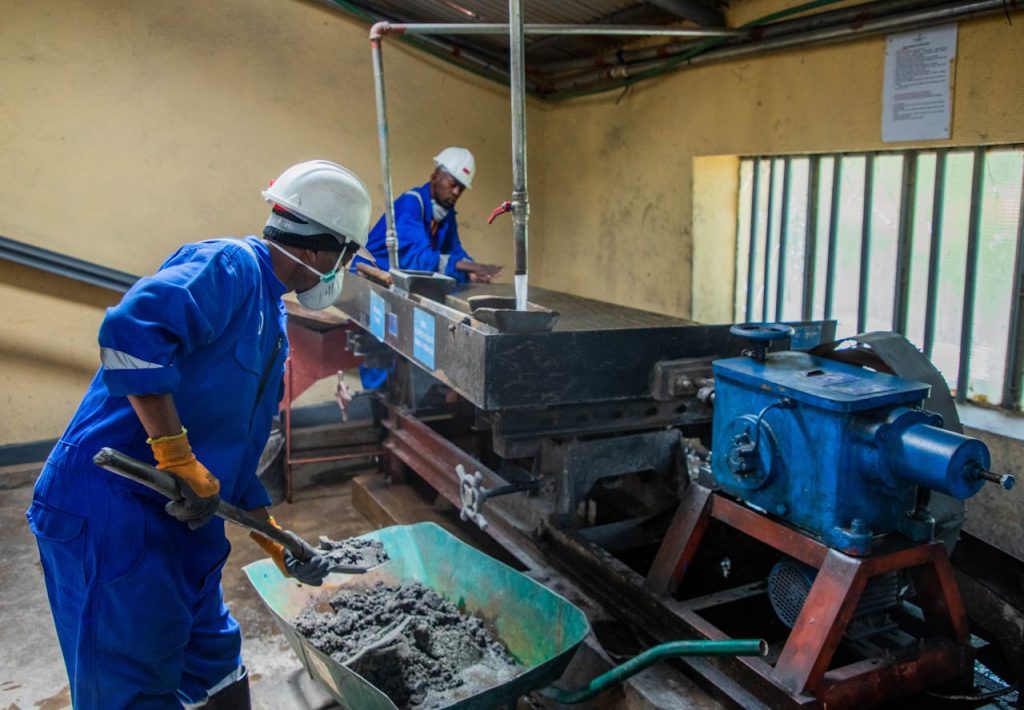
The Republic of Guinea is rapidly becoming the commercial heartbeat of West Africa. With its vast mineral wealth, burgeoning agricultural sector, and strategic coastal location, the opportunities for international entrepreneurs have never been more tangible. However, entering an emerging market requires more than just capital, it requires a roadmap.
In this guide, we break down the process of Starting Business Guinea into actionable steps, ensuring that foreign investors can navigate the legal, fiscal, and operational landscape of 2026 with confidence.
Why Choose Guinea in 2026?
Before diving into the “how,” it is crucial to understand the “why.” Guinea is no longer a “frontier” market in the risky sense; it is an “emerging” market with stabilized frameworks.
The Investment Code and Incentives
The Guinean government has overhauled its Investment Code to prioritize foreign direct investment (FDI). Key benefits for those Starting Business Guinea include:
- Repatriation of Profits: Clear legal guarantees for the transfer of dividends and capital.
- Tax Holidays: Significant exemptions for companies operating in priority sectors like energy, agriculture, and infrastructure.
- The One-Stop Shop (APIP): The Agency for the Promotion of Private Investment (APIP) has centralized the registration process, reducing bureaucratic “red tape.”
Strategic Sector Growth
While mining remains the giant, 2026 is seeing a surge in retail, digital technology, and logistics. The diversification of the economy means that small to medium-sized enterprises (SMEs) can now thrive alongside industrial titans.
Phase 1: Pre-Incorporation Planning
Success in Guinea starts long before you sign the articles of incorporation.
Market Research and Feasibility
Guinea has a unique consumer culture and industrial hierarchy. It is vital to conduct on-the-ground research to understand local pricing, supply chain bottlenecks, and labor availability. Partnering with a consultancy like Yes! Invest in Guinea can provide the local insights that global data sets often miss.
Choosing Your Legal Structure
For most foreign investors, there are two primary vehicles:
- SARL (Société à Responsabilité Limitée): Similar to an LLC, this is the most common choice for small to medium businesses.
- SA (Société Anonyme): A public limited company, ideal for large-scale investments requiring a board of directors and higher minimum capital.
Phase 2: The Step-by-Step Registration Process
The process of Starting Business Guinea has been streamlined to take as little as 72 hours once all documentation is in order.
Step 1: Document Preparation
You will need to prepare the “Statuts” (Articles of Association). These must be drafted in French, the official language of business in Guinea. It is highly recommended to use a local notary to ensure compliance with the OHADA (Organization for the Harmonization of Business Law in Africa) standards.
Step 2: Capital Deposit
Foreign investors must deposit their minimum starting capital into a local bank account. You will receive a “Certificat de Dépôt de Capital,” which is a mandatory document for the registration process.
Step 3: Registration at APIP
The APIP One-Stop Shop is where the magic happens. Here, you will simultaneously:
- Register with the Commercial Court (RCCM).
- Obtain your Tax Identification Number (NIF).
- Register for Social Security (CNPS).
- Obtain your professional license.
Step 4: Post-Registration Formalities
Once your business is officially registered, you must register your employment contracts with the Labor Office (AGUIPE) and open your permanent corporate bank accounts.
Phase 3: Operational Setup and Compliance
Registration is just the beginning. To maintain a healthy business, you must adhere to local operational standards.
Navigating the Tax Landscape
Guinea operates on a declarative tax system. Most businesses are subject to:
- Corporate Income Tax (IS): Generally around 35%, though reduced for specific sectors.
- Value Added Tax (VAT): Standardized at 18%.
- Minimum Flat Tax (IMF): A small percentage of turnover for businesses that are not yet profitable.
Labor Laws and Local Hiring
Guinean labor law is protective of employees. When Starting Business Guinea, ensure that your contracts clearly define working hours, leave entitlements, and termination protocols to avoid costly litigation. There are also specific quotas for hiring local staff in certain technical sectors.
Overcoming Challenges for Foreign Investors
While the rewards are high, challenges such as language barriers, infrastructure gaps, and complex bureaucracy still exist.
1. The Language Barrier
French is the language of law and administration. All official documents must be translated and notarized. Having a bilingual partner or consultant is not just a luxury; it is a necessity for risk management.
2. Infrastructure and Logistics
Power and internet stability are improving but can still be inconsistent in certain regions. Incorporating backup power solutions and satellite internet into your initial CAPEX (Capital Expenditure) is a smart move for 2026.
3. Cultural Nuances
Business in Guinea is built on relationships. “Cold” transactions are rare; taking the time to meet with stakeholders and local community leaders is essential for long-term project social license.
Frequently Asked Questions (FAQ)
1. Can a foreigner own 100% of a company in Guinea?
Yes. Unlike some other African nations, Guinea allows 100% foreign ownership in most sectors. There is no mandatory requirement for a local partner, though having one can often facilitate smoother local operations.
2. What is the minimum capital required for Starting Business Guinea?
For a SARL (LLC), the minimum capital is relatively low, often starting around 100,000 GNF (though usually set higher for credibility). For an SA (Public Limited Company), the minimum is significantly higher, typically around 100,000,000 GNF.
3. How long does the entire registration process take?
If all documents are correctly prepared and the capital is deposited, the official registration at the APIP one-stop shop can be completed in 3 to 5 business days.
4. Is it necessary to hire a local lawyer or notary?
Under OHADA law, the use of a Notary is mandatory for the drafting of the Articles of Association and the certification of signatures. A local lawyer is also highly recommended for navigating labor and tax laws.
5. What are the priority sectors for investment in 2026?
The government currently prioritizes agriculture, energy (renewables), infrastructure, and mining services. Projects in these sectors often qualify for enhanced tax incentives.
Conclusion: Your Success Starts with the Right Partner
Starting Business Guinea is a bold and potentially highly lucrative move. As the country positions itself as a regional leader in 2026, the first-mover advantage is significant. However, the difference between a successful launch and a stalled project often comes down to the quality of local guidance.
At Yes! Invest in Guinea, we specialize in bridging the gap between international ambition and local reality. From company incorporation and legal compliance to finding the perfect office space, we are your “boots on the ground” in Conakry.
Ready to launch your venture? Contact the experts at Yes! Invest in Guinea today for a personalized consultation and let us handle the complexities of your market entry.