South Africa’s tourism sector has moved decisively past recovery and into expansion. Between January and May 2026, the country welcomed 4.22 million international visitors across its 72 border entry points, a 12.8 percent increase over the same period in 2025 and well above the 4.1 percent global tourism growth average reported by UN Tourism. For investors watching Africa’s hospitality, aviation, and real estate sectors, this is no longer a story about bouncing back from the pandemic. It is a story about a market entering a new phase of structural growth, and the forecasts for the rest of 2026 suggest the window to invest early is still open.
Why South Africa’s Tourism Numbers Matter for Investors
Tourism recovery data only matters commercially when it is backed by sustained demand, diversified source markets, and measurable economic impact. South Africa’s 2026 performance checks all three boxes.
According to UN Tourism’s World Tourism Barometer, Sub-Saharan Africa recorded 4 percent arrival growth in the first quarter of 2026, matching North Africa’s performance and placing the continent alongside Europe among the world’s best-performing tourism regions. South Africa’s own growth rate has significantly outpaced that regional average, driven by a combination of eased visa regulations, expanded air connectivity, favorable exchange rates, and large-scale infrastructure investment.
A Diversified, Resilient Source Market Base
What makes South Africa’s rebound particularly attractive to investors is that it is not dependent on any single market. Growth has been led by the United States, United Kingdom, Germany, Brazil, and Singapore, alongside steady regional African demand. May 2026 alone brought 861,750 international arrivals, a 7.2 percent year-on-year increase, reinforcing that the growth trend is consistent month over month rather than a temporary spike.
The Economic Multiplier Effect
Tourism growth in South Africa is translating directly into measurable economic output. Research from Stellenbosch University’s Bureau for Economic Research found that every 1 percent increase in overseas visitor numbers contributes approximately R1.3 billion to the national economy. Based on current growth rates, more than R16.6 billion had already been injected into the economy before the traditional winter tourism season even began.
What’s Driving South Africa’s 2026 Tourism Forecast
Expanding Aviation and Cruise Connectivity
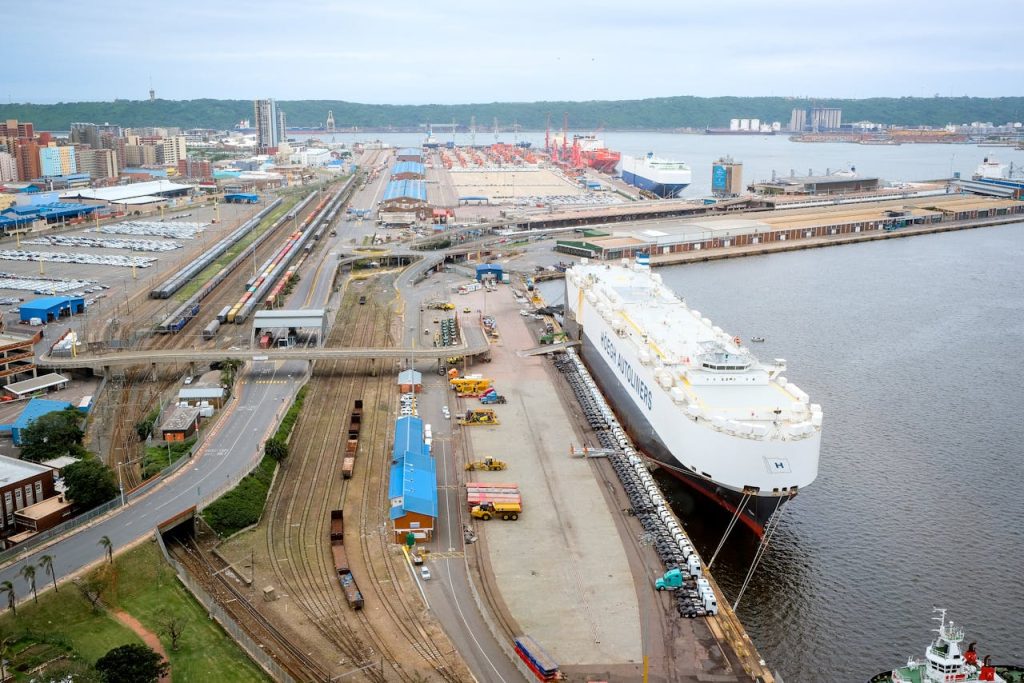
Air and sea connectivity is expanding rapidly to meet rising demand. British Airways is preparing to resume its nonstop London to Livingstone service after a fourteen-year absence, while MSC’s 4,500-passenger MSC Safina is set to begin home-port operations in Durban, bringing thousands of cruise passengers into the region every week. These additions expand not just visitor capacity but the range of travel segments South Africa can capture, from long-haul leisure travelers to cruise tourism markets that barely existed in the country a decade ago.
The Rise of Remote Work Tourism
One of the most significant developments for 2026 is South Africa’s new remote-worker visa, introduced in March 2026. Within just eight weeks of launch, 7,400 applications had already been approved, with 61 percent originating from European Union countries and 19 percent from the United States. Digital professionals using the visa are spending an average of R46,000 per month on accommodation, coworking facilities, restaurants, and leisure activities, a spending pattern that significantly exceeds typical short-stay tourist budgets. Cape Town has consequently climbed to third place on NomadList’s global rankings, surpassing established digital nomad hubs such as Lisbon and Mexico City.
Sustained Demand for Signature Experiences
Traditional tourism drivers remain strong even as new segments emerge. Wildlife and safari tourism, anchored by destinations such as Kruger National Park, continues to draw visitors seeking Big Five experiences, while the Cape Winelands and coastal Garden Route are seeing renewed international interest. According to South Africa’s Department of Tourism, tourism now supports roughly one in every eighteen jobs in the country, underscoring how deeply the sector is woven into the national economy.
Forecast: What the Rest of 2026 Looks Like
Momentum shows no signs of slowing. Industry projections indicate South Africa will welcome an additional 2.3 million international visitors between July and October 2026 alone, coinciding with peak safari season and growing cruise ship arrivals in Durban and Cape Town. Combined with the diversification already underway across source markets and traveler segments, this positions 2026 as a pivotal year for the country’s tourism economy, and for investors positioning ahead of it.
Regional comparisons reinforce South Africa’s standing. While Egypt and Morocco have posted particularly explosive arrival growth in North Africa, industry analysis from Travel And Tour World notes that South Africa’s strength lies in stability and value tourism rather than volatility, anchored by a diversified economy spanning luxury travel, business events, and wildlife tourism. For investors prioritizing durable, lower-volatility returns, that stability is itself a competitive advantage.
Where the Investment Opportunities Are Concentrated
South Africa’s tourism recovery is opening several distinct investment corridors, each tied to a specific segment of demand growth.
- Hospitality and accommodation. Rising arrivals across Cape Town, Johannesburg, Durban, and national park gateway towns are driving demand for both luxury and mid-market hotel capacity.
- Remote work and extended-stay infrastructure. The digital nomad visa has created fast-growing demand for coworking spaces, serviced apartments, and high-speed connectivity in urban hubs, particularly Cape Town.
- Aviation and cruise infrastructure. Expanding long-haul routes and new home-port cruise operations are creating opportunities in ground handling, port infrastructure, and airport services.
- Experience-based tourism assets. Safari lodges, wine estate hospitality, and coastal leisure properties continue to command strong occupancy and premium pricing.
Yes! Invest Africa connects investors to this pipeline through its Tourism & Hospitality investment vertical, providing access to commercially verified opportunities across South Africa’s fastest-growing tourism corridors.
A Track Record Worth Following
Structured tourism investment in South Africa has already demonstrated strong outcomes. A European hospitality group that expanded its boutique hotel portfolio across Cape Town and the Garden Route achieved occupancy rates well above the national average within its first two years of operation, benefiting directly from the surge in long-haul and remote-work travelers now flowing into the country. It is exactly the kind of result the current growth cycle is built to reward.
Frequently Asked Questions
1. Is South Africa’s tourism recovery in 2026 sustainable, or a temporary spike?
The data points to sustained growth rather than a spike. Arrivals have risen consistently month over month through 2026, supported by diversified source markets, expanded aviation and cruise connectivity, and new demand segments such as remote work tourism.
2. Which international markets are driving South Africa’s tourism growth?
The United States, United Kingdom, Germany, Brazil, and Singapore are the leading source markets in 2026, alongside steady growth from China, India, and regional African travelers.
3. What is South Africa’s remote-worker visa, and why does it matter for tourism investors?
Launched in March 2026, the visa allows international digital professionals to live and work in South Africa. It has created a fast-growing, high-spending traveler segment, driving demand for coworking spaces, serviced apartments, and extended-stay accommodation.
4. What are the best tourism investment opportunities in South Africa right now?
Hospitality and accommodation, remote-work infrastructure, aviation and cruise services, and experience-based tourism assets such as safari lodges and wine estates currently offer the strongest growth potential.
5. How can foreign investors enter South Africa’s tourism sector?
Most investors enter through direct property or hospitality equity, joint ventures with local operators, or by partnering with an investment facilitation firm that provides due diligence, regulatory guidance, and introductions to vetted developers.
Invest in South Africa’s Tourism Boom While the Window Is Open
South Africa’s 2026 tourism forecasts point to a market in genuine structural expansion, not a temporary rebound. With arrivals up 12.8 percent, a booming remote-work visa segment, and 2.3 million additional visitors projected for the second half of the year, the opportunity for investors to enter early and capture long-term value is significant.
Yes! Invest Africa connects institutional investors, private equity firms, and high-net-worth individuals with commercially verified tourism and hospitality opportunities across South Africa and all five African regions. Request your free consultation today and let our team guide you from sector selection to market entry.