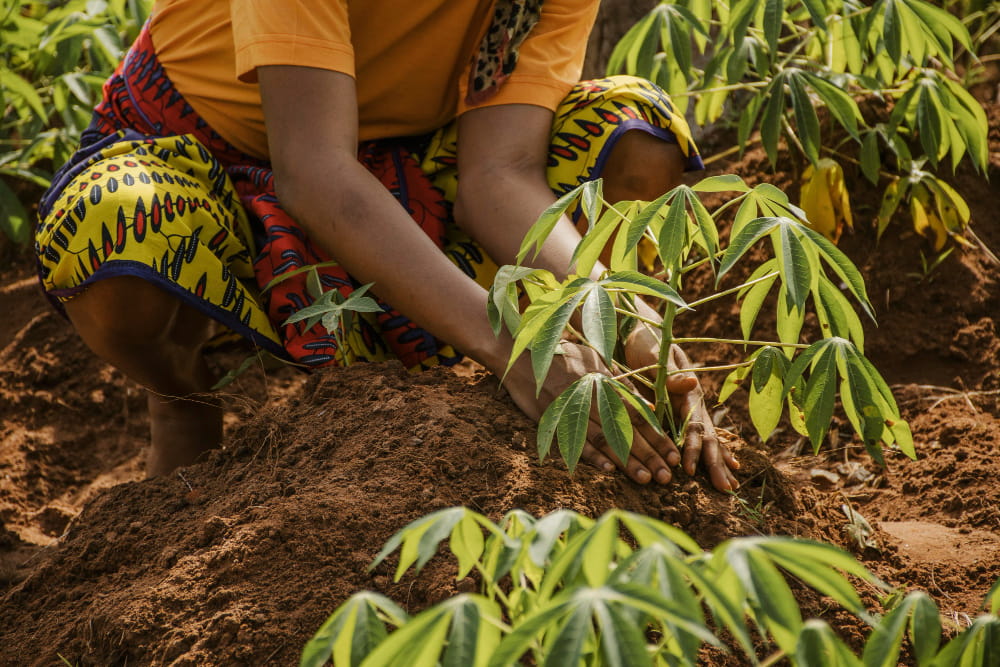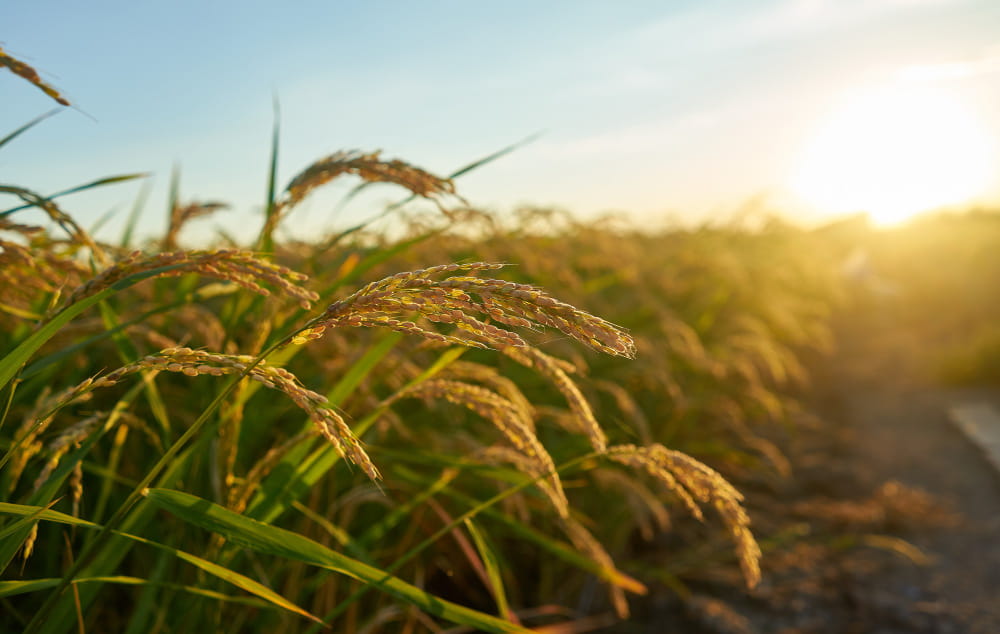
For decades, the Republic of Guinea has been celebrated as the “Water Tower of West Africa,” possessing the soil and climate necessary to grow almost any tropical crop. However, as we move through 2026, the economic narrative is shifting from harvest to transformation. Fruit Processing Guinea ventures are becoming the cornerstone of the nation’s agricultural revolution, offering a high-margin alternative to the raw export of commodities.
For investors, the opportunity is clear: Guinea produces an abundance of mangoes, pineapples, citrus, and vegetables, but a significant percentage is lost post-harvest due to a lack of local processing facilities. By bridging this gap, businesses can unlock immense value for both the domestic market and the growing Economic Community of West African States (ECOWAS) region.
The Strategic Case for Value-Added Agriculture in 2026
The global demand for processed, shelf-stable, and healthy food products is at an all-time high. According to the World Bank, agribusiness is expected to be a trillion-dollar industry in Africa by 2030. In Guinea, the government’s 2026 economic roadmap prioritizes “Industrial Substitution” replacing imported juices, pastes, and dried fruits with locally processed alternatives.
Why Invest in Fruit Processing Guinea Now?
- Abundant Raw Material: Guinea harvests over 100,000 tons of mangoes annually, yet only a fraction is processed.
- Import Substitution: Guinea currently imports millions of dollars worth of tomato paste and fruit concentrates that could easily be produced within its borders.
- Export Potential: With the African Continental Free Trade Area (AfCFTA) in full swing, processed goods from Guinea enjoy duty-free access to a market of 1.3 billion people.
High-Growth Segments in Processing
To maximize ROI, investors should focus on segments where Guinea has a natural comparative advantage.
1. Mango and Pineapple Pulping
Guinea’s mangoes are renowned for their flavor and fiber content. Establishing pulping plants allows for the production of fruit concentrates and purées used in the global beverage industry.
- Target Markets: Europe and North America for organic purées.
- Value-Add: Transitioning from selling a whole fruit for cents to selling processed pulp for dollars per liter.
2. Tomato and Vegetable Paste Production
In the Fouta Djallon highlands, vegetable production is prolific. However, seasonal gluts often lead to waste. A modern Fruit Processing Guinea facility focused on tomato canning or drying can stabilize prices and provide a year-round income for thousands of smallholder farmers.
3. Solar Drying and Dehydration
Dried fruits (mango, papaya, and banana) are high-value, low-weight export products. Because they do not require expensive cold-chain logistics for transport, they are an ideal entry point for SMEs looking to capitalize on the “Healthy Snack” trend in Western markets.
Infrastructure and Technology: The 2026 Advantage
The primary barrier to agribusiness in Guinea has historically been logistics. In 2026, this is being solved by a multi-modal infrastructure push.
The “Simandou Effect” on Agribusiness
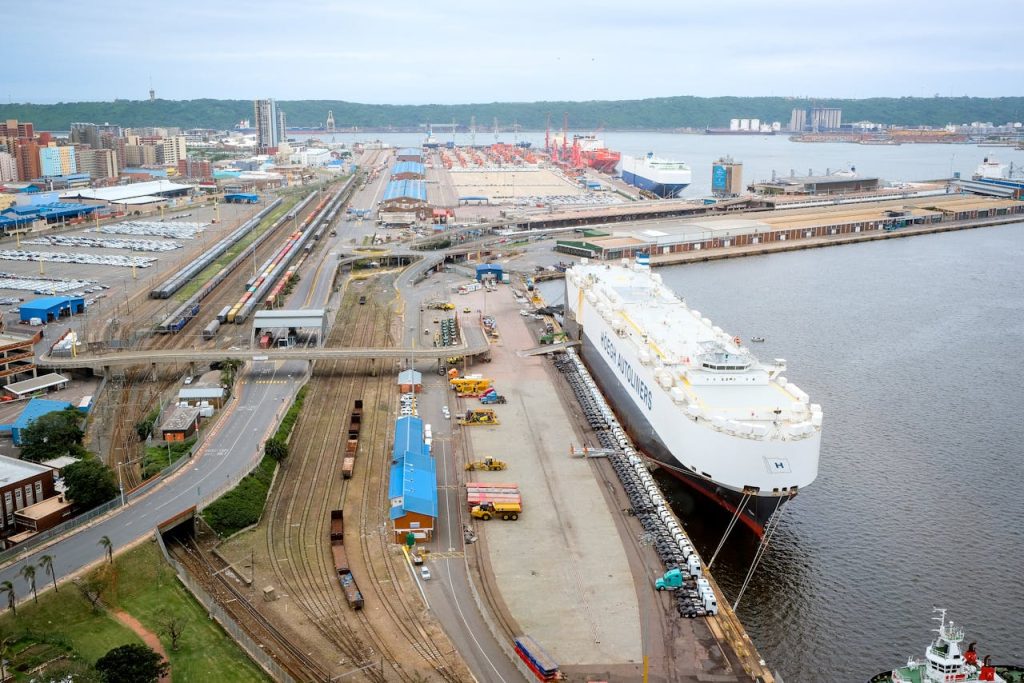
While Simandou is a mining project, the 650km “Trans-Guinéen” railway is a multi-user corridor. This means that processed agricultural goods from the interior can now reach the Port of Conakry faster and cheaper than ever before. For a Fruit Processing Guinea venture, this drastically reduces the “cost to market.”
Solar-Powered Processing Hubs
Energy costs are a major factor in manufacturing. The 2026 surge in Renewable Energy Guinea projects particularly solar is allowing processing plants to operate off-grid. This ensures 24/7 operations even in remote agricultural zones, protecting perishable inventory from spoilage.
Government Incentives for Agribusiness Investors
The Guinean government has tailored its 2026 Investment Code to favor those who build factories, not just farms.
1. Special Economic Zones (SEZ)
By locating a processing plant within a designated SEZ, investors can qualify for:
- 0% Corporate Tax for the first 8 years.
- Exemption from Customs Duties on all imported processing machinery and packaging materials.
2. Support from APIP and Yes! Invest Guinea
The Agency for the Promotion of Private Investment (APIP) has streamlined the “Permit-to-Process” cycle. By partnering with Yes! Invest Guinea, investors can navigate land acquisition and community engagement protocols with ease, ensuring a “Social License to Operate.”
ESG and Social Impact: Beyond the Bottom Line
Value-added agriculture is the most effective tool for poverty reduction. Investing in Fruit Processing Guinea creates a “Multiplier Effect”:
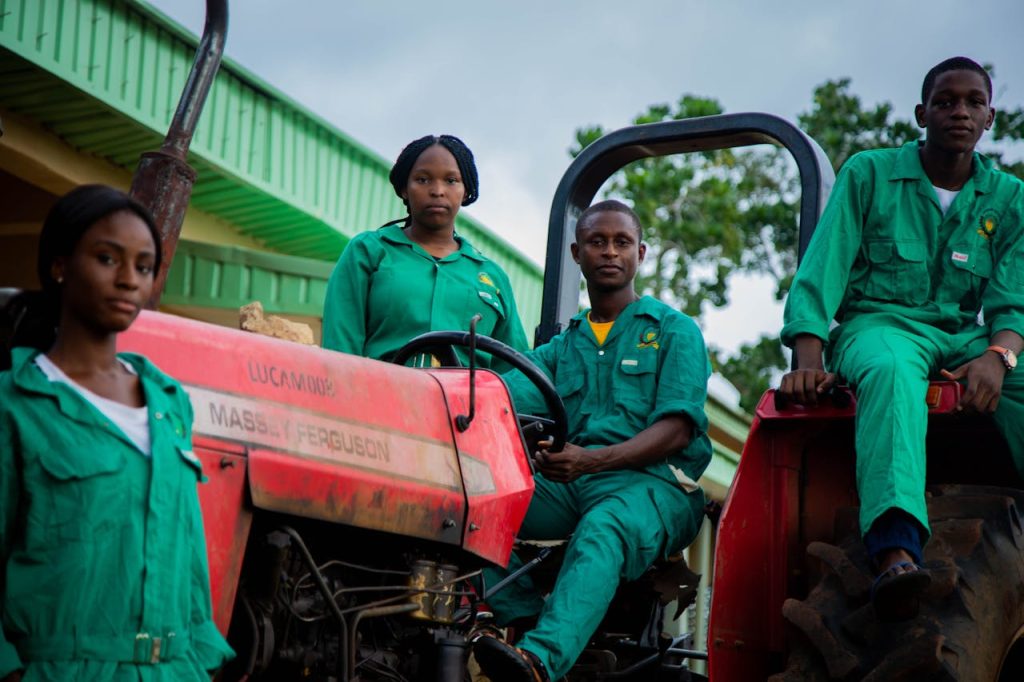
- Job Creation: Factories provide stable, year-round employment, particularly for women and youth.
- Waste Reduction: Processing can reduce post-harvest losses from 40% to less than 5%.
- Farmer Stability: By providing a guaranteed “off-take” agreement, processing plants allow farmers to invest in better seeds and fertilizers, knowing their harvest has a buyer.
The Food and Agriculture Organization (FAO) emphasizes that sustainable processing is key to resilient food systems. In Guinea, this translates to a stable, profitable, and ethically sound investment.
FAQ: Fruit Processing Guinea
- What is the most profitable fruit to process in Guinea?
Mangoes and pineapples currently offer the highest export margins, while tomatoes and onions offer the most significant domestic market potential for import substitution.
- Are there cold storage facilities available?
While public cold storage is limited, the government provides heavy tax incentives for investors who build their own refrigerated warehouses as part of their processing plants.
- Can I export processed goods to Europe?
Yes. Guinea benefits from the “Everything But Arms” (EBA) agreement, which allows duty-free and quota-free access to the EU market for processed agricultural products, provided they meet EBA health and safety standards.
- What is the minimum investment for a processing plant?
Small-scale solar drying units can start as low as $50,000, while industrial-scale canning or pulping facilities typically require $500,000 to $2 million in capital.
- How does Yes! Invest Guinea help with supply chains?
We connect you directly with local farmer cooperatives to ensure a steady supply of raw materials and help you navigate the logistics of exporting from the Port of Conakry.
Conclusion: The Harvest of Tomorrow
Guinea is no longer just a place to grow crops; it is a place to build brands. The transition to value-added agriculture represents the most sustainable path to national prosperity. For the investor, Fruit Processing Guinea offers a chance to enter a market with high barriers to entry but even higher rewards.
The 2026 landscape is ripe for those who see the potential in the “Water Tower of Africa” to become the “Pantry of the World.”
Start Your Agribusiness Journey
Are you ready to transform Guinea’s raw potential into a global brand? At Yes! Invest Guinea, we provide the localized expertise, government liaison, and supply chain insights you need to build a successful processing venture.
Contact Yes! Invest Guinea today to download our 2026 Agribusiness Value-Addition Prospectus.