Guinea’s Atlantic coastline is one of West Africa’s most underexploited resources, and nowhere is that opportunity clearer than in seafood. The country already exports more aquatic products than it imports, yet almost none of that catch is processed, frozen, or packaged for higher-value markets before it leaves Guinean waters. For investors looking to enter Africa’s blue economy at an early stage, seafood export and cold storage in Guinea represent a rare combination of proven demand and largely untapped infrastructure.
Guinea’s Fishing Sector: A Resource-Rich, Under-Processed Industry
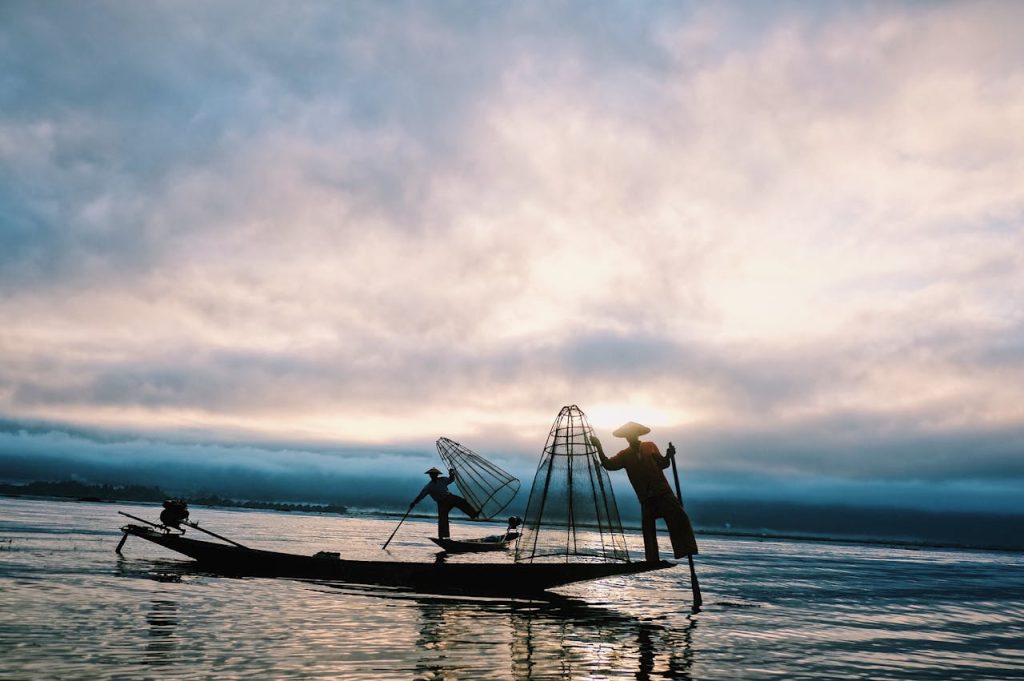
Guinea’s exclusive economic zone stretches along a productive stretch of the Atlantic, feeding a fishing sector built primarily on small-scale and artisanal operations. Six ethnic communities along the coast, including the Soussou, Malinké, and Baga, actively harvest coastal pelagic species, with the sedentary small pelagic fishery alone producing an estimated average of 51,250 tons annually. Guinea was ranked the 9th largest fish-exporting country in West Africa in 2021, and its aquatic product exports have consistently exceeded imports in value, according to FAO trade data.
Yet the same data reveals the core opportunity: research on Guinea’s fishing economy points directly to the absence of high value-added processed products and limited investment in industrial training and strategic infrastructure as the primary constraints holding the sector back. In other words, Guinea already catches enough fish to build a serious export industry. What is missing is the cold chain, processing capacity, and logistics infrastructure needed to convert that catch into higher-margin products for regional and international markets.
Why Cold Storage Is the Missing Link
The Post-Harvest Value Chain Gap
Across West Africa, one of the most consistent findings in fisheries development studies is that a lack of infrastructure for landing, preserving, and processing fishery products is the single biggest obstacle to growth. Without reliable cold storage, freshly caught fish must be sold, smoked, or consumed within hours, sharply limiting the geographic reach of Guinean seafood and forcing much of the catch into low-value local markets rather than export channels.
Cold chain investment addresses this bottleneck directly. Modern rapid-freezing techniques preserve texture and flavor for high-value species such as shrimp and other crustaceans, while blockchain-based traceability systems are increasingly used to meet the stringent quality and origin requirements of export markets, according to industry analysis from Earnest Engineering. For Guinea, building this layer of infrastructure is the difference between exporting raw, low-margin catch and exporting certified, traceable, higher-value seafood products.
Reducing Losses Across the Supply Chain
Seafood is uniquely perishable, and the seafood export journey depends heavily on temperature-controlled transport at every stage — from trans-loading equipment at the dock to refrigerated containers during shipping. Logistics specialists note that cold chain infrastructure remains the most critical challenge in global seafood exportation, and that investment in sustainable cold chain solutions is expected to keep rising as global demand grows, according to CEVA Logistics. Guinea’s exporters currently face exactly this bottleneck, making cold storage facilities near ports and major landing sites one of the clearest infrastructure investment opportunities on the coast.
Regional Momentum: What Guinea Can Learn From Its Neighbors
Guinea is not alone in recognizing this opportunity. Equatorial Guinea has launched a fisheries and aquaculture development plan backed by roughly USD 77.2 million in financing, with the African Development Bank providing the majority of funding, specifically to enhance the post-harvest value chain, including cold storage capacity, and to reduce reliance on imported frozen fish. Regional fisheries agreements elsewhere in West Africa, including the EU-Guinea-Bissau Fisheries Partnership, have similarly tied international financing to the construction of industrial fishing ports and improved landing and storage infrastructure, aiming to create a favorable environment for private investment. These examples show that development finance institutions are actively willing to co-invest in exactly the kind of cold chain infrastructure Guinea’s coast needs.
Investment Opportunities in Guinea’s Seafood Sector
Deep-Sea Fleet Modernization and Cold Storage
Guinea’s own national investment priorities explicitly call for modernizing the fishing fleet through investment in deep-sea fishing vessels and cold storage, recognizing that industrial-scale capacity is needed alongside the country’s strong artisanal base. Investors entering this space can support vessel upgrades paired directly with onshore freezing and storage facilities, capturing value at the point of landing rather than losing it to spoilage.
Processing, Freezing, and Export Facilities
Building freezing, canning, and value-added processing facilities near Conakry and other coastal landing sites allows Guinea to shift from exporting raw catch to exporting finished or semi-finished seafood products a move that captures significantly more value per ton and opens access to more demanding international markets.
Aquaculture Integration
Guinea’s opportunity extends beyond wild capture fisheries. Sustainable shrimp and tilapia aquaculture, identified as a priority sector for investment, pairs naturally with cold storage infrastructure, since farmed seafood requires the same freezing, packaging, and export logistics as wild-caught product, allowing shared infrastructure to serve both supply streams.
Combating IUU Fishing Through Formal Investment
Illegal, unreported, and unregulated fishing remains a serious challenge across the wider Gulf of Guinea region, with estimates suggesting a significant share of regional catch goes unreported. Formal, well-capitalized fishing and processing operations that comply with traceability and export certification standards are directly positioned to differentiate themselves in international markets increasingly wary of IUU-linked supply chains, creating a competitive advantage for legitimate investors who enter early.
Risks and Considerations for Investors
Guinea’s fisheries sector, like much of the region, faces regulatory and monitoring capacity constraints, and infrastructure development near remote landing sites can be logistically demanding. Investors should conduct careful due diligence on licensing, environmental compliance, and export certification requirements, and where possible, structure investments alongside development partners such as the African Development Bank or the Food and Agriculture Organization, both of which maintain active fisheries development programs in West Africa and can offer valuable technical and financial support.
How to Get Started
Investors interested in Guinea’s seafood export and cold storage sector should identify a specific entry point vessel modernization, coastal cold storage facilities, processing plants, or aquaculture integration rather than attempting to enter the full value chain at once. Partnering with a team that understands Guinea’s fisheries regulations, landing site infrastructure, and export certification pathways will significantly shorten the path from investment to operation.
Frequently Asked Questions
- Why is cold storage considered such a critical investment opportunity in Guinea’s seafood sector? Guinea already exports more aquatic products by value than it imports, but the absence of reliable cold storage and processing infrastructure limits the sector to low-value, unprocessed exports rather than higher-margin finished products.
- Is Guinea’s fishing industry primarily industrial or artisanal? Guinea’s coastal fishing sector is dominated by artisanal and small-scale operations, which is why the government has prioritized deep-sea fleet modernization alongside cold storage development to build industrial-scale capacity.
- Are there financing partners supporting fisheries infrastructure in West Africa? Yes. The African Development Bank has funded major fisheries and cold storage development programs in neighboring countries such as Equatorial Guinea, demonstrating a clear appetite among development finance institutions for similar projects in Guinea.
- How does illegal fishing affect investment opportunities in Guinea’s seafood sector? Illegal, unreported, and unregulated fishing remains a significant regional challenge, which creates an opportunity for formal, certified operators to differentiate themselves in export markets that increasingly demand traceability and compliance.
- What is the easiest entry point for investors new to Guinea’s fisheries sector? Coastal cold storage and processing facilities are often the most accessible entry point, since they address an infrastructure gap that benefits both wild-capture fisheries and Guinea’s growing aquaculture sector.
Ready to Explore Seafood Export and Cold Storage Investment in Guinea?
Guinea’s Atlantic coastline offers a rare combination of proven catch volumes and largely untapped processing infrastructure. Contact Yes! Invest Guinea today to connect with our local investment specialists, explore vetted opportunities in fishing fleet modernization, cold storage, and seafood processing, and get a clear roadmap for entering one of West Africa’s most promising blue economy sectors.