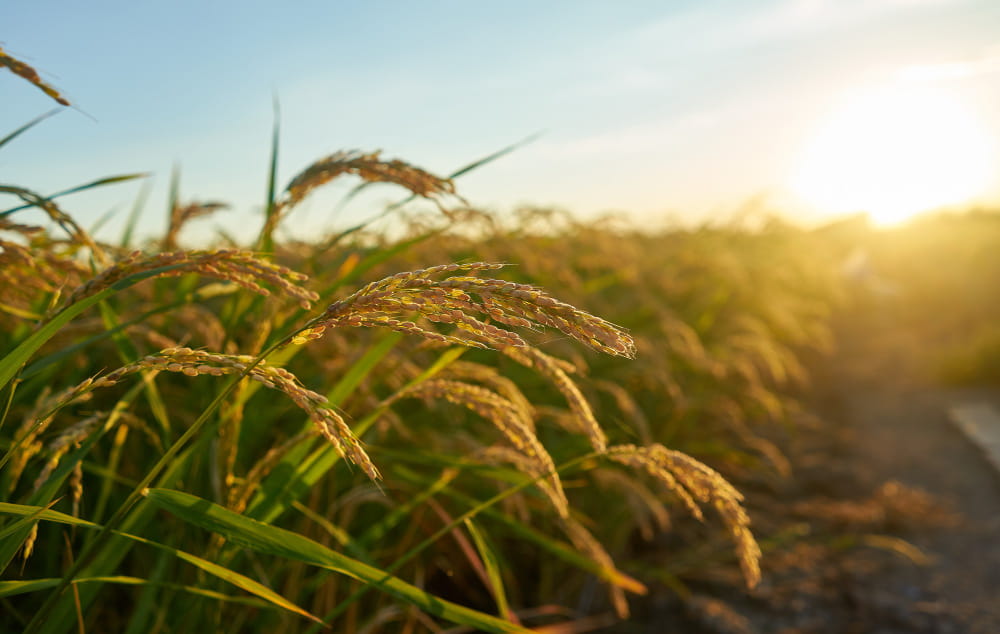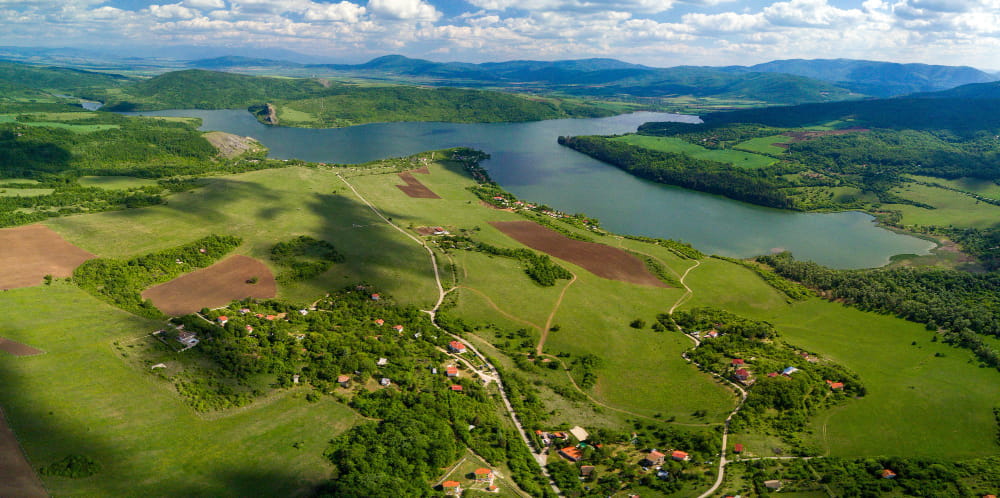
While Guinea is globally renowned for its mineral wealth, the true sleeping giant of its economy lies beneath the topsoil. In 2026, the landscape of Agribusiness Guinea is undergoing a profound transformation. With 6.2 million hectares of arable land and a climate that ranges from tropical coastal plains to temperate highlands, Guinea is no longer just a “mining nation”—it is becoming the food basket of West Africa.
For investors, the convergence of the Simandou 2040 infrastructure boom and new agricultural special economic zones (SEZs) has created a rare “First Mover” advantage. In this article, we explore the high-growth sectors of palm oil, rubber, and the untapped potential of value-added fruit processing.
The Strategic Shift: Agriculture in the 2026 Economy
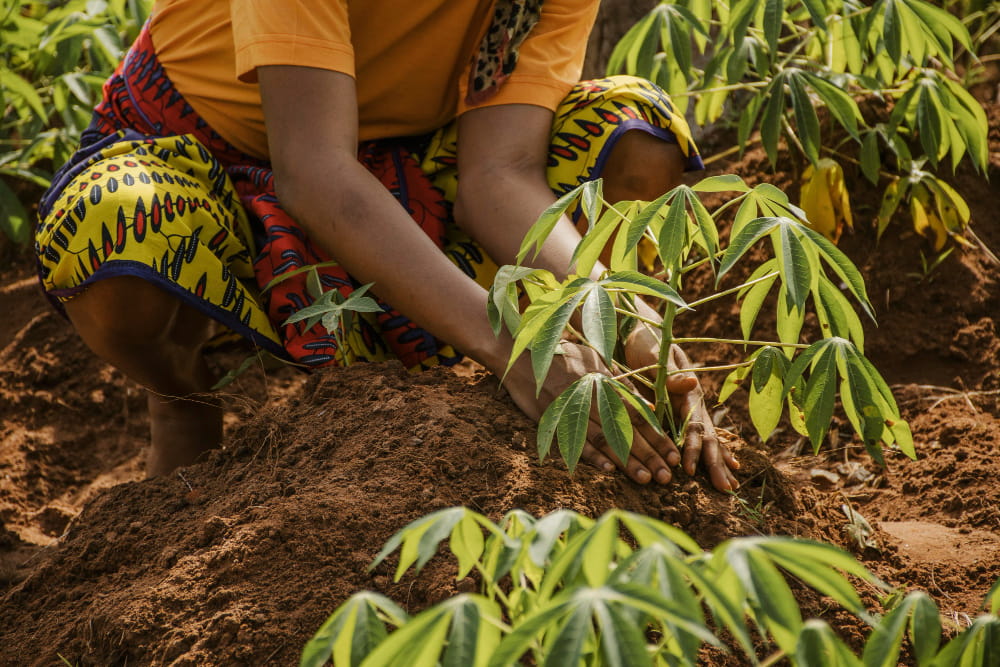
Agriculture employs over 50% of the Guinean workforce, yet for decades, the sector remained largely subsistence-based. In 2026, the Guinean government has launched the Commercial Agriculture Development Project (Phase 2), a multi-million dollar initiative backed by international partners to digitize land records and rehabilitate 750 km of rural roads.
This infrastructure “revoluion” is specifically designed to link remote production areas with major processing hubs. For those looking into Agribusiness Guinea, the focus has shifted from raw export to “Origin Guinea” branding and local value addition.
Palm Oil: Meeting the Regional Demand Gap
The demand for Crude Palm Oil (CPO) in West Africa continues to outpace supply. In 2026, Guinea is strategically positioned to fill this gap, particularly as global supply chains face increasing scrutiny over sustainability.
Modernizing the “Oil Palm Belt”
Guinea’s Forest Region (Guinée Forestière) offers the ideal precipitation and soil profiles for oil palm. Unlike major Asian producers, Guinea has the opportunity to build a “Green Palm” industry from the ground up.
- Industrial Plantations: New ventures are focusing on high-yield, drought-resistant varieties that reach maturity faster.
- The Refined Market: There is a significant investment gap in mid-stream processing. Investors who establish refineries to produce cooking oil, soaps, and biodiesel for the domestic market are seeing Internal Rates of Return (IRR) of up to 15%.
Sustainability as a Competitive Edge
In 2026, European and North American markets demand traceability. By partnering with Yes! Invest in Guinea, investors can implement “Outgrower Schemes” that support smallholder farmers while ensuring the palm oil meets international environmental standards.
Rubber Plantations: A Long-Term Industrial Asset
Rubber remains one of the most resilient industrial commodities in the world. In Guinea, the rubber sector is experiencing a resurgence as global manufacturers look for geographic diversification outside of Southeast Asia.
The 10-Year Growth Cycle
Rubber is a “patient capital” investment, but in 2026, the returns are becoming hard to ignore.
- Carbon Sequestration: Modern rubber plantations in Guinea are now doubling as carbon credit projects, allowing investors to monetize the environmental benefits of their estates before the first harvest of latex.
- Land Availability: Through the new land reforms, the government is facilitating long-term leases (up to 99 years) for industrial rubber projects in the Yomou and Macenta prefectures.
- Local Processing (Latex to Rubber): The next frontier is the establishment of “Crumb Rubber” factories. Exporting processed rubber blocks instead of raw latex significantly reduces shipping costs and increases profit margins.
Fruit Processing: From “Water Tower” to “Fruit Basket”
Guinea produces some of the world’s finest mangoes, pineapples, and citrus fruits. However, until recently, nearly 40% of the harvest was lost due to poor post-harvest logistics. In 2026, the fruit processing sector is the most lucrative niche within Agribusiness Guinea.
Tropical Fruit Processing Opportunities
- Mango and Pineapple Concentrates: With the global juice market reaching record highs, establishing pulping plants in Kindia or Mamou allows for the export of high-value concentrates to Europe and the Middle East.
- Dried Fruits and Snacks: The rising demand for healthy, organic “Ready-to-Eat” snacks is a perfect fit for Guinea’s organic-by-default produce.
- The Cold Chain Revolution: There is a critical need for cold storage facilities at Conakry’s ports and airports. This “Infratech” investment is vital for the export of fresh, premium fruits to high-end global retailers.
Cashew and Fonio: The Superfood Boom
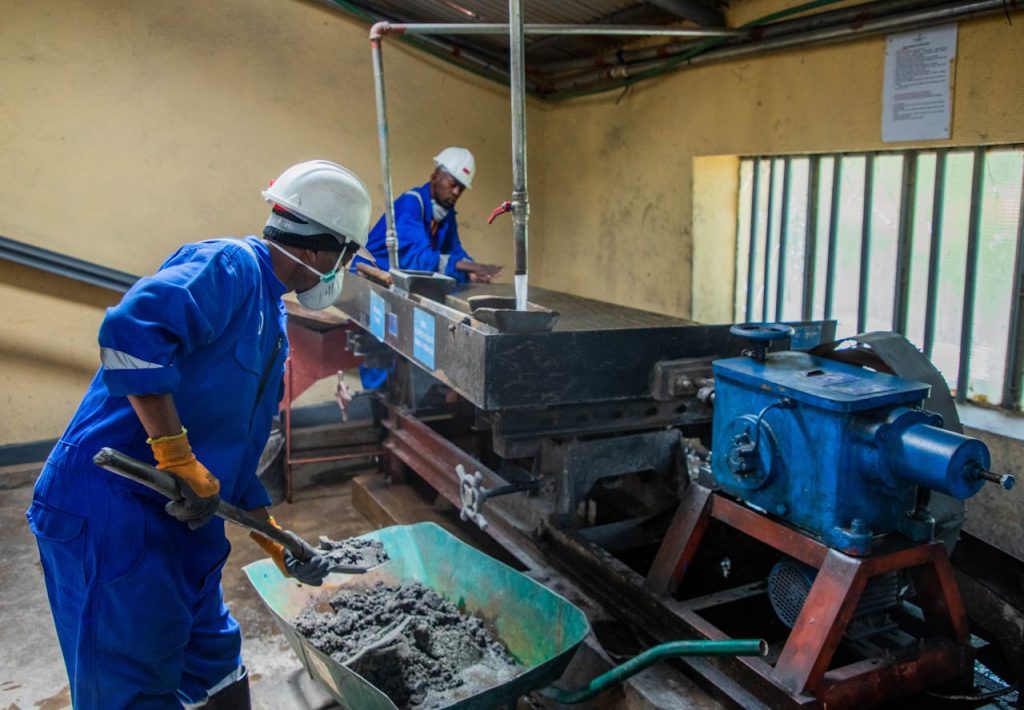
Beyond the “big three,” Guinea’s exports of Fonio (a gluten-free super-grain) and Cashews have surged. Small and medium-sized processing facilities that can clean, peel, and package these products are finding ready markets in the health-conscious West.
Why Invest Now? Incentives and Logistics
The 2026 investment climate in Guinea is designed to derisk agribusiness for foreign capital.
Fiscal Incentives
- Zero Custom Duties: No duties on the import of specialized agricultural machinery, irrigation systems, and processing equipment.
- Tax Holidays: Companies in the agribusiness sector often enjoy 5 to 10-year corporate tax exemptions, depending on the region of operation.
- The “AgriConnect” Framework: A digital platform that connects investors directly with certified local cooperatives, ensuring a stable supply of raw materials.
The Simandou Effect
The $20 billion infrastructure investment for the Simandou iron ore project includes a cross-country railway and deep-water ports. While built for mining, this “backbone” is being opened for agricultural transport, allowing fruit and rubber from the deep interior to reach global markets in record time.
Frequently Asked Questions (FAQ)
1. Is land ownership available for foreign investors in Guinea?
While the state technically owns the land, foreign investors can secure long-term leases (Emphyteutic Leases) that last between 50 to 99 years. These are legally robust and can be used as collateral for financing.
2. Which region is best for Agribusiness Guinea ventures?
It depends on the crop. The Forest Region is best for palm oil and rubber; Lower Guinea (Kindia/Boké) is the heart of fruit production; and Upper Guinea is ideal for cereals like rice and maize.
3. How does the government protect agricultural investments?
Guinea is a member of MIGA (Multilateral Investment Guarantee Agency) and OHADA. This ensures that business disputes are handled under standardized international commercial laws and that investments are protected against non-commercial risks.
4. Are there export incentives for processed food products?
Yes. The government, through AGUIPEX (the export promotion agency), provides simplified export certificates and reduced port fees for value-added agricultural products “Made in Guinea.”
5. How can Yes Invest in Guinea help my agribusiness start-up?
We provide “Boots on the Ground” services, including soil analysis, land acquisition assistance, navigating the APIP registration process, and connecting you with reliable local farm managers.
Conclusion: Planting the Seeds of Future Wealth
The window for high-margin entry into the Guinean agricultural sector is wide open. As global food security becomes a top priority for 2026 and beyond, the countries that possess both water and fertile land will become the new economic powerhouses.
Agribusiness Guinea is not just about farming; it is about industrializing a supply chain that feeds a growing continent and an even hungrier world. Whether you are interested in a 10,000-hectare rubber estate or a boutique organic fruit processing plant, the time to act is now.
Ready to explore the fertile ground of West Africa? At Yes! Invest in Guinea, we specialize in matching international capital with the most promising agricultural land and processing ventures. Our deep local roots and government network ensure your investment takes root and thrives.
Contact Yes! Invest in Guinea today to request our 2026 Agribusiness Opportunity Report.