Africa’s agricultural Diversification sector is undergoing its most significant structural transformation in a generation. The shift from subsistence farming to commercially integrated, technology-enabled agribusiness is no longer a projection. It is happening at scale across the continent in 2026, driven by converging forces: demographic demand, policy reform under the Kampala CAADP Declaration, AfCFTA-enabled regional trade, and a new generation of investors who understand that the highest returns in African agriculture are no longer on the farm. They are in the value chain.
The continent’s food market is projected to expand from $280 billion to $1 trillion by 2030, according to Brookings Institution research on Africa’s agricultural investment landscape. For investors who grasp what agribusiness diversification actually means in 2026, that trajectory represents one of the most structurally supported investment opportunities in the emerging market world.
What Agribusiness Diversification Means in 2026
In earlier decades, African agribusiness investment meant farmland acquisition or commodity trading. In 2026, diversification means something fundamentally different. It means building exposure across multiple links of integrated value chains simultaneously: production, processing, cold chain, logistics, agritech, and export facilitation. It means moving from single-crop exposure into a portfolio of agricultural sectors with distinct demand drivers and return profiles.
The May 2026 African Development Bank report on African agriculture, as analysed by CAPMAD’s agribusiness value chain research, placed integrated value chains at the center of the continent’s industrialisation agenda. The AfDB’s conclusion was direct: margins and jobs are now concentrated downstream, in processing, logistics, and agriculture-related services, not in raw production. The AfDB president Akinwumi Adesina put it plainly: “The new millionaires and billionaires of Africa will not come from the oil and gas industry. They will come from the food and agriculture sector.”
For investors, this signals a clear directional shift. Diversified agribusiness portfolios that span multiple value chain segments in multiple markets are outperforming single-sector, single-country agricultural plays. Understanding where those segments are and which are growing fastest is the core analytical task for 2026.
The High-Return Segments Driving Agribusiness Diversification
Agro-Processing and Value Addition
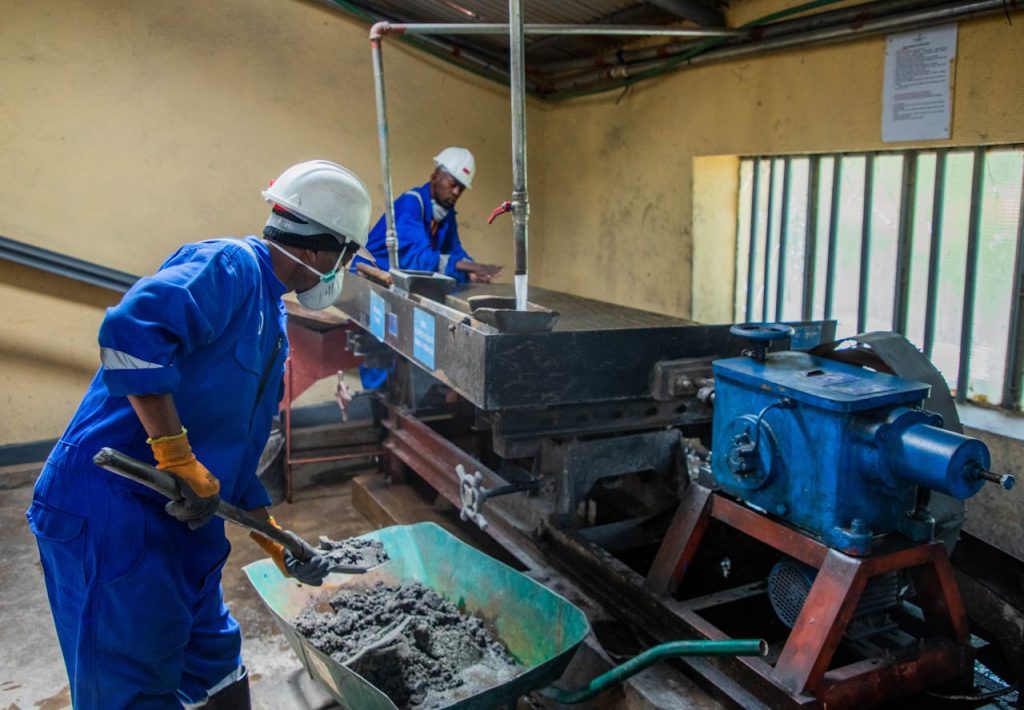
Agro-processing remains the single highest-return entry point in African agribusiness diversification. Adoption of modern agro-processing is expected to rise to approximately 40% of commercial-scale agricultural operations by 2026, according to industry estimates, as investors recognise that transforming raw cashews into packaged nuts, cocoa beans into processed paste, and palm fruit into refined oil multiplies per-tonne revenue by factors of three to eight.
Investment funding into vertically integrated agribusinesses, those combining production, processing, and distribution, surged from $12.1 million in 2019 to $82.4 million in 2022, according to Brookings Institution analysis. The most resilient margins in African agriculture are not in simple commodity trading. They are in controlling a few decisive links: processing, logistics, and market access, while securing volumes through structured outgrower relationships with smallholder farmers.
Cold Chain and Logistics Infrastructure
Cold chain infrastructure is one of the fastest-growing and most structurally necessary investment categories in African agribusiness diversification. The sector is projected to grow from $10.88 billion in 2024 to $14.85 billion by 2029, according to Brookings Institution research. Africa’s post-harvest loss rate of 30 to 40% is not primarily a farming problem. It is a storage, logistics, and cold chain problem. Every percentage point of post-harvest loss reduced represents direct revenue capture for investors in refrigerated transport, cold storage, and temperature-controlled distribution infrastructure.
Innovative models are emerging across the continent. Decentralised, solar-powered cold rooms and temperature-monitoring technologies are being deployed to bridge the infrastructure gap in rural areas, combining clean energy investment with agricultural value preservation in a single commercial model.
Agritech and Precision Agriculture
Africa’s agritech sector received $192 million in investment in 2024, with investment in developing countries growing 63% year-on-year and 600% from ten years ago, according to Brookings Institution. Technology-assisted agribusinesses are reporting a 32% rise in yields, 28% lower input costs, and 35% lower water usage, results that directly improve the profitability of downstream processing and export operations.
Agritech investment margins are projected at 25 to 40%, among the highest in any agribusiness sub-sector, reflecting both the scalability of digital platforms and the magnitude of the productivity gap they address. Mobile platforms for crop management, satellite-based farm monitoring, AI-driven soil analysis, weather advisory services, and digital credit scoring for smallholder farmers are all scaling rapidly across Kenya, Nigeria, Ethiopia, and Ghana.
Livestock, Dairy, and Aquaculture
Processed dairy products are growing at 22% annually across Sub-Saharan Africa, driven by rising urban middle-class demand for safe, packaged protein products. Cold chain network expansion of 30% since 2022 is enabling dairy processors to reach urban retail markets that were previously inaccessible. New product development in yogurt and cheese has created market opportunities worth $3.2 billion across the region, according to Research Desk Consulting analysis.
Nigeria has announced a $3 billion investment plan for modernising its livestock sector, restructuring an industry that still represents one of the continent’s largest protein supply gaps. Aquaculture, particularly tilapia and catfish in West Africa, is expanding rapidly, with fish providing over 40% of animal protein intake in Nigeria alone while local production continues to fall short of domestic demand.
Export Horticulture and Specialty Crops
Africa’s top agricultural export categories are diversifying rapidly. Edible fruits and nuts represent 21.3% of agricultural exports and have seen their importance grow steadily due to rising global demand and expanding export-grade processing capacity. Oilseeds and oleaginous fruits, including sesame, palm oil derivatives, and sunflower products, have recorded growth rates of approximately 14 to 15%, according to AgroCentric’s analysis of Africa’s top export crops in 2026. Cotton exports across West and Central Africa grew at 12 to 13%, supported by sustained international demand.
For investors, export horticulture offers the additional benefit of hard-currency revenue exposure and access to premium international buyer relationships, both of which improve the risk profile of agribusiness portfolios relative to domestically-focused operations.
The Policy Frameworks Backing Diversification
The Kampala CAADP Declaration 2026
The Kampala CAADP Declaration, effective January 1, 2026, sets binding targets that directly support agribusiness diversification: tripling intra-African agricultural trade, raising agricultural output by 45%, halving post-harvest losses, and raising locally processed food to 35% of agrifood GDP, all by 2035. These commitments, backed by a $100 billion investment mobilisation target, provide the policy architecture that converts agribusiness diversification from an investor preference into a government-supported structural agenda.
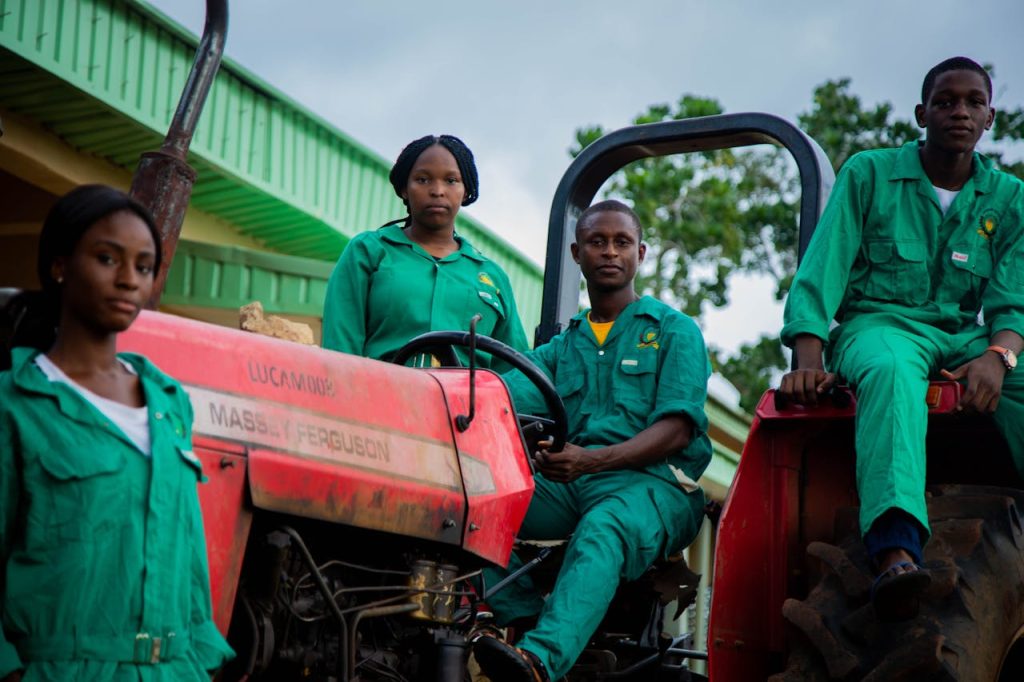
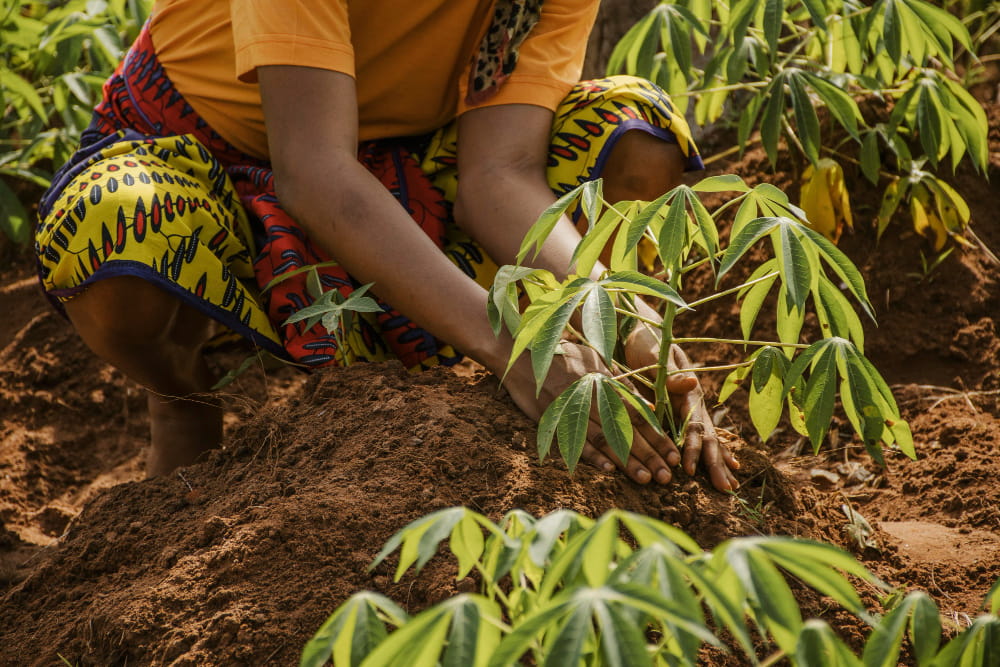
As the Farming First analysis of Africa’s agrifood systems highlights, achieving these targets requires sustained investment focused on technology, diversification, and building competitive value chains. Countries including Rwanda, Ethiopia, Kenya, Zimbabwe, and Uganda have already demonstrated that coordinated investment packages in improved seed systems, advisory services, and irrigation infrastructure can double crop yields in targeted production zones.
AfCFTA as a Diversification Multiplier
The AfCFTA is accelerating agribusiness diversification by opening cross-border markets for processed agricultural goods, harmonising standards for export compliance, and reducing the tariff cost of intra-African trade in agricultural products. AfCFTA is projected to increase intra-African agricultural trade by 574% by 2030. For agribusiness investors, this transforms single-country investments into potential pan-African platforms, improving the commercial scale and the return profile of processing and logistics investments that can serve regional rather than national markets.
Leading Markets for Agribusiness Diversification in 2026
Ethiopia leads East Africa in scale, with its Integrated Agro-Industrial Parks directly connecting smallholder production to export-grade processing facilities, and with the government’s Digital Agriculture Roadmap 2025 to 2032 providing the data infrastructure for precision farming at national scale.
Kenya anchors the East Africa agritech ecosystem, with $95 million in agritech funding in 2024 and a well-developed market for cold chain logistics, digital agricultural advisory services, and specialty coffee and horticulture export.
Nigeria combines continental scale, a $3 billion livestock modernisation program, the SAPZ agro-processing zone initiative, and Dangote Group’s pan-African supply chain ambitions into the most comprehensive agribusiness diversification story on the continent.
Ghana and Côte d’Ivoire are advancing cocoa and palm oil processing, while Rwanda is developing youth-focused agribusiness programs and digital innovation hubs that are enabling the next generation of high-value agrifood entrepreneurs. Zambia and Zimbabwe offer large-scale commercial farming opportunities for grains and horticulture at competitive land costs.
Frequently Asked Questions
What does agribusiness diversification mean for investors in Africa in 2026? Agribusiness diversification in 2026 means building investment exposure across multiple segments of integrated agricultural value chains rather than concentrating in single crops or single production-stage plays. The highest-return segments are now in agro-processing, cold chain and logistics, agritech, dairy, and export horticulture, not in raw commodity production.
Which agribusiness sub-sectors offer the highest returns in Africa in 2026? Agritech platforms are projecting margins of 25 to 40%. Processed dairy products are growing at 22% annually. Cold chain infrastructure is expanding at double-digit rates. Vertically integrated agro-processing operations in cashew, cocoa, and palm oil are generating returns well above those available in raw commodity trading. The highest ROI is projected in cold chain, agro-processing, and smart logistics investments.
How does AfCFTA support agribusiness diversification? AfCFTA eliminates tariffs on processed agricultural goods traded between member states and harmonises export compliance standards, enabling agribusiness investors to build pan-African distribution and processing platforms rather than single-country operations. It is projected to increase intra-African agricultural trade by 574% by 2030, fundamentally expanding the commercial scale available to diversified agribusiness portfolios.
What is the Kampala CAADP Declaration and why does it matter for agribusiness investors? The Kampala CAADP Declaration is the African Union’s binding continental agricultural agenda for 2026 to 2035, targeting a tripling of intra-African food trade, 45% output growth, 50% reduction in post-harvest losses, and a $100 billion investment mobilisation. It provides the policy and financing infrastructure that supports agribusiness diversification across all 54 African member states.
Which African countries offer the best conditions for diversified agribusiness investment? Ethiopia, Kenya, Nigeria, Ghana, Rwanda, Zambia, and Côte d’Ivoire are currently Africa’s most active agribusiness diversification markets, each offering distinct combinations of production scale, processing infrastructure investment, government support programs, and access to regional and export markets under the AfCFTA framework.
Africa’s agribusiness diversification story in 2026 is not about planting more crops. It is about building integrated value chains that convert raw agricultural potential into processed, packaged, and exported products, generating returns that raw production alone cannot deliver. Connect with Yes! Invest Africa to discover vetted, investment-ready agribusiness diversification opportunities across the continent’s most commercially dynamic and policy-supported agricultural markets.