Guinea’s Forest Region has quietly built one of West Africa’s most established industrial crop bases, yet the country’s palm oil and rubber sectors remain far below their potential scale. With fertile land, an existing processing foundation, and renewed government-backed investment flowing into the sector, Guinea offers agribusiness investors a rare opportunity to enter an industry with proven infrastructure but significant room to grow. This guide breaks down what makes Guinea’s plantation sector worth serious consideration in 2026.
Guinea’s Plantation Sector: An Established Foundation
Guinea’s tropical climate and abundant rainfall, particularly across the Forest Region and Basse Guinea, have supported oil palm and rubber cultivation for decades. Since 1986, national agricultural policy has emphasized the development of large export-oriented rubber and oil palm plantations, and the Guinean Oil Palm and Rubber Company (known locally as SOGUIPAH) has grown into the country’s largest producer of both crops.
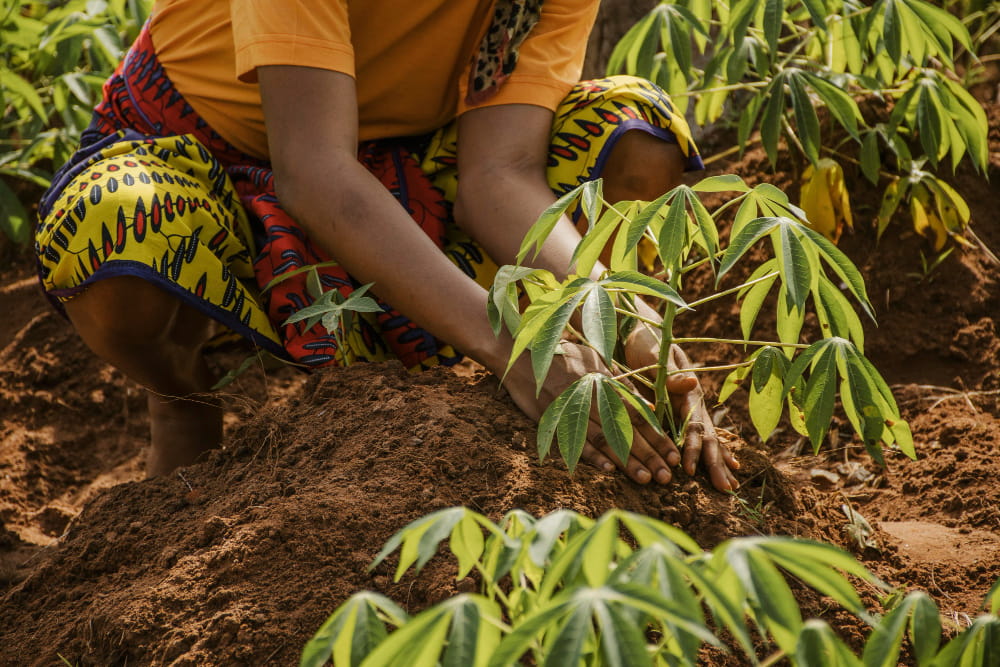
SOGUIPAH’s scale illustrates just how developed this foundation already is. The company operates roughly 9,000 hectares of rubber trees, producing more than 17,000 metric tons of natural rubber annually through its own dedicated processing factory, alongside oil palm plantations supported by hybrid tenera varieties. Beyond the industrial estate, natural oil palm groves on family-run plantations remain widespread across Basse Guinea, where palm oil production continues to serve as a primary income source for thousands of rural households.
Why Guinea’s Plantation Sector Is Attracting New Investment
Rubber Is Already a Top Export Earner
Natural rubber has quietly become one of Guinea’s most valuable agricultural exports. According to trade data reported by Ecofin Agency, rubber ranks as Guinea’s fourth-largest agricultural export after cashew nuts, frozen fish, and cocoa, generating $36.1 million in export revenue in 2024 alone. That figure represents raw material exports; processed and finished rubber products carry significantly higher margins, pointing directly to the value-added opportunity available to new investors.
A Fresh Wave of Capital Is Entering the Sector
Momentum is building. SOGUIPAH secured a new $3 million loan tied to its 2025-2030 strategic plan, which includes constructing a 6-ton-per-hour palm oil production unit and upgrading soap production facilities to strengthen competitiveness in local and regional markets. On the rubber side, the company began building a 6-ton-per-hour natural rubber processing plant in 2024, with commissioning targeted for the end of 2025. This kind of processing capacity expansion signals that Guinea’s largest operator sees continued upside in industrial crop production and is actively reinvesting to capture it.
Regional Demand Continues to Rise
Guinea’s plantation sector operates within a broader West African palm oil market experiencing sustained investment. Neighboring Côte d’Ivoire, for example, is deploying a ten-year, $440 million investment plan to modernize palm plantations and strengthen support services, according to a USDA Foreign Agricultural Service report. This regional investment trend reflects steady demand growth across West Africa’s edible oil and industrial rubber markets, a trend Guinea is well positioned to benefit from given its existing agronomic base.
Investment Opportunities Across the Plantation Value Chain
Expanding Industrial-Scale Plantations
While SOGUIPAH remains the dominant industrial operator, Guinea’s government has explicitly identified large-scale palm oil and rubber plantations as a priority investment sector, alongside mango, pineapple, and cocoa cultivation. New entrants have room to develop additional plantation acreage, particularly in underutilized areas of the Forest Region and Basse Guinea where climate and soil conditions already support strong yields.
Processing and Value-Added Manufacturing
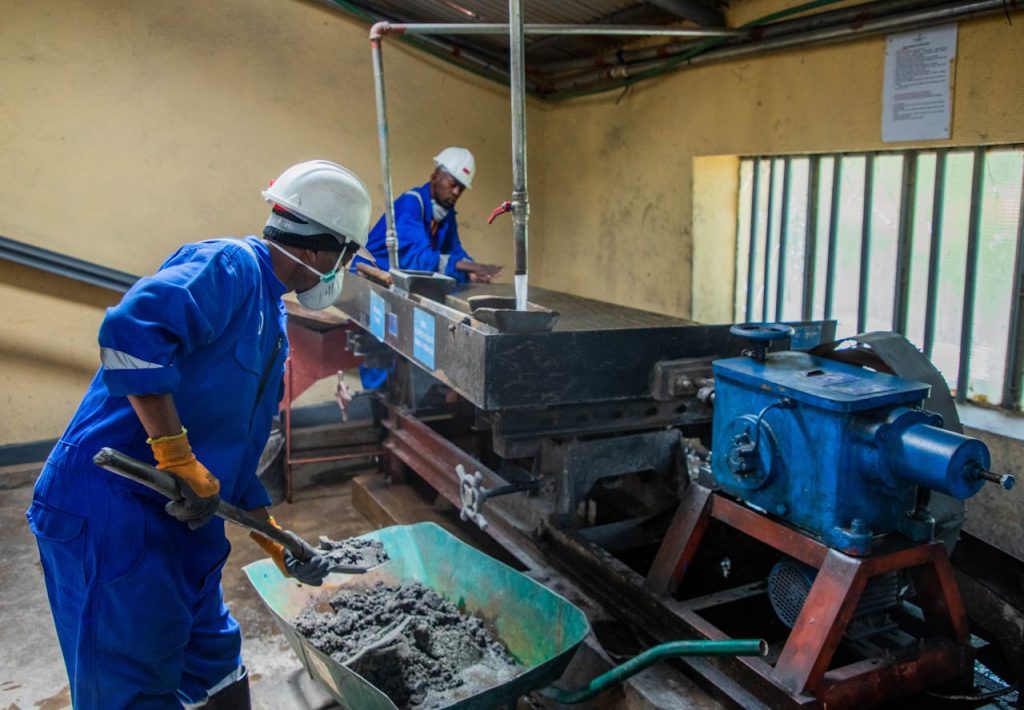
The clearest near-term opportunity lies in processing capacity. Crude palm oil, palm kernel oil, soap production, and technically specified rubber (such as the GSO-grade rubber SOGUIPAH already produces) all represent points where investment in modern milling and processing equipment can capture significantly more value than exporting raw fruit or latex. Given that SOGUIPAH itself is actively expanding processing capacity, there is clear market validation for additional milling and refining investment across the sector.
Smallholder Contract Farming Models
Guinea has a track record of contract farming schemes that integrate smallholder farmers into industrial supply chains, historically resulting in thousands of hectares of new oil palm and rubber planting coordinated with a central processor. These models, which have also received support from the African Development Bank through projects tied to Guinea’s Diécké oil palm and rubber development program, offer investors a way to scale supply volume while distributing rural income and reducing land-acquisition complexity.
Downstream Manufacturing
Guinea’s push toward downstream manufacturing extends naturally to palm and rubber products. Soap manufacturing, edible oil packaging, and rubber-based industrial goods represent logical next steps for investors looking to move beyond raw commodity production into finished consumer and industrial products for regional markets.
Risks and Considerations for Investors
As with any plantation-based investment, land tenure arrangements, smallholder relationships, and labor practices require careful due diligence. Guinea’s plantation sector has faced public scrutiny over working conditions and compensation practices at some existing operations, underscoring the importance of building fair labor standards and transparent smallholder pricing into any new venture from the outset. Investors should also account for climate variability affecting yields, as seen in neighboring markets, and should engage local legal and agricultural advisors familiar with Guinea’s land and investment codes. Structuring projects alongside development finance partners such as the African Development Bank, which has previously supported plantation development in Guinea’s Diécké region, can help align new investments with established technical and social safeguards.
How to Get Started
Investors interested in Guinea’s palm oil and rubber sector should identify a clear entry point new plantation development, processing and milling capacity, or downstream manufacturing rather than attempting to replicate a fully integrated operation from day one. Partnering with a team that understands Guinea’s land allocation processes, agricultural investment incentives, and existing producer networks will significantly reduce the time needed to move from land assessment to first harvest.
Frequently Asked Questions
- How large is Guinea’s existing palm oil and rubber industry? SOGUIPAH, the country’s largest operator, manages roughly 9,000 hectares of rubber and thousands of hectares of oil palm, producing over 17,000 metric tons of natural rubber annually, alongside widespread smallholder palm oil production across Basse Guinea.
- Is rubber a significant export for Guinea? Yes. Natural rubber is Guinea’s fourth-largest agricultural export, generating $36.1 million in revenue in 2024, trailing only cashew nuts, frozen fish, and cocoa.
- What is the biggest investment opportunity in this sector right now? Processing and value-added manufacturing, such as crude oil refining, soap production, and technically specified rubber processing, offer the clearest opportunity to capture more value than raw commodity exports currently do.
- Are there financing partners supporting plantation development in Guinea? Yes. The African Development Bank has previously funded plantation development projects in Guinea’s Diécké region, and Guinea’s leading producer recently secured new financing tied to a 2025-2030 expansion plan.
- What risks should investors be aware of before entering Guinea’s plantation sector? Land tenure, smallholder relationships, and fair labor practices require careful attention, alongside standard agricultural risks such as climate variability and market price fluctuations for palm oil and rubber.
Ready to Explore Palm Oil and Rubber Investment in Guinea?
Guinea’s plantation sector combines a proven agronomic track record with a clear runway for expansion. Contact Yes! Invest Guinea today to connect with our local investment specialists, explore vetted opportunities across plantation development, processing, and downstream manufacturing, and get a clear roadmap for entering one of West Africa’s most established agribusiness sectors.