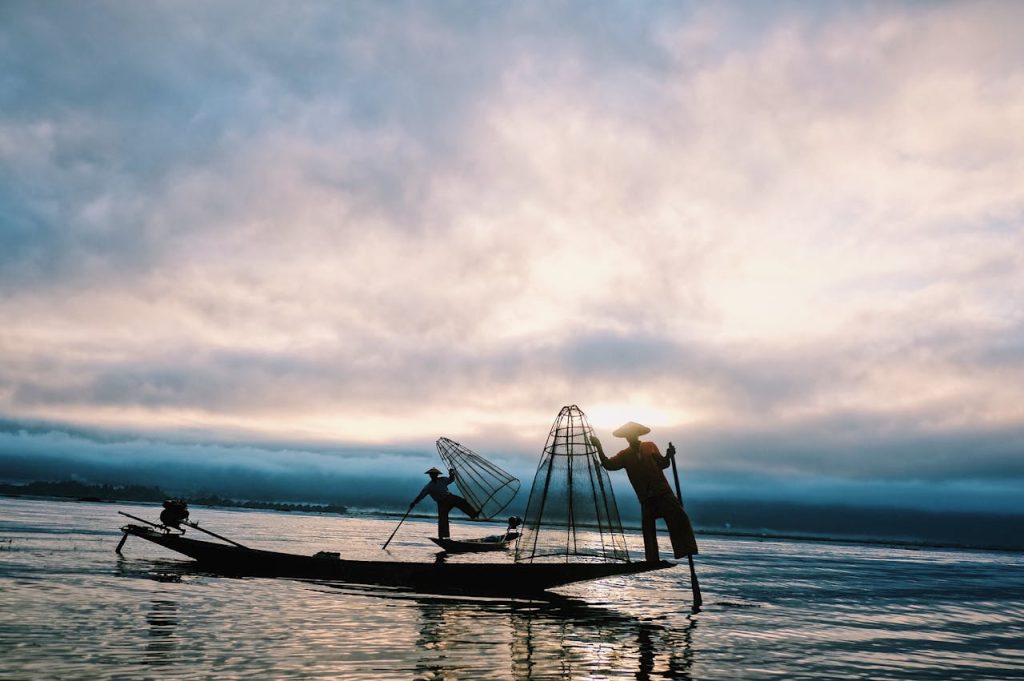
Guinea has 320 kilometers of Atlantic coastline one of the most biologically productive stretches of ocean in West Africa and a fishing industry that remains almost entirely artisanal and raw-export oriented. Very little of what is caught reaches international markets in a processed, packaged, or value-added form. The infrastructure that would make that possible cold storage, freezing facilities, processing plants, compliant export packaging, and reliable cold chain logistics is largely absent. That gap between resource and processing capacity is the opportunity.
In this guide, Yes! Invest Guinea breaks down the current state of Guinea’s fishing and seafood sector, the market demand that is pulling investment toward processing and export infrastructure, and the specific entry points where investors can build durable, profitable businesses supplying premium seafood to regional and international buyers.
Guinea’s Fisheries: A Resource Profile That Justifies Serious Attention
Guinea’s Atlantic waters sit at the edge of one of West Africa’s most productive ocean ecosystems, shaped by cold upwelling currents that sustain rich marine biodiversity. The country’s fisheries resource base includes multiple commercially significant species across both artisanal and industrial catch segments.
According to the FAO’s FISH4ACP analysis of Guinea’s shrimp value chain, Guinea’s coastal waters support multiple shrimp species of high commercial value, including Guinea shrimp, pink shrimp, giant tiger prawn, caramote prawn, and deep-water rose shrimp caught through both artisanal and industrial methods. These species command premium pricing in European and Asian import markets, where supply is often constrained by certification requirements that Guinean operators are only beginning to systematically address.
Beyond shrimp, Guinea’s waters support finfish including barracuda, grouper, and various pelagic species, as well as inland freshwater fisheries along the Niger River and its tributaries. FAO data shows that Guinea’s total food fish and seafood supply reached approximately 152,949 tonnes in 2019, with 97% of that coming from domestic production — confirming that the resource base is real and productive, even if the processing infrastructure to monetize it at full value has not yet been built.
The Processing Gap: Where the Money Is Being Left on the Table
Most fish and seafood exported from West Africa is frozen and minimally processed, according to research from Verité’s analysis of Africa’s fishing sector. Guinea fits this regional pattern almost entirely. Raw or minimally processed catch is sold into local markets or loaded into the holds of foreign-flagged industrial trawlers operating under fishing access agreements with minimal value capture remaining in Guinea.
The economics of this gap are straightforward. A kilogram of raw shrimp and a kilogram of cleaned, graded, individually quick-frozen shrimp packaged to EU food safety standards are fundamentally different products at fundamentally different price points. The processing margin between those two products absorbed by processing facilities in Europe or Asia rather than in Guinea is the investment opportunity. Building the processing infrastructure to capture that margin in Guinea converts a commodity catch into a certified, packaged export product with direct access to premium buyers in Europe, the Middle East, and Asia.
The FAO, through its artisanal fishing development programs with Guinea, has specifically identified conformity of export product processing facilities with European Union standards as a priority area recognizing that EU market access is the highest-value destination for Guinean seafood and that the primary barrier is processing infrastructure and certification compliance rather than the availability of the catch itself.
What Processing and Export Infrastructure Looks Like in Practice
Cold Chain and Freezing Facilities
The most fundamental gap in Guinea’s seafood processing sector is cold storage and freezing capacity. Without facilities to preserve catch between landing and processing and between processing and shipment post-harvest losses limit both the volume available for export and the quality grade achievable at processing. Ice plants at key landing sites, chilled transport vehicles, and industrial freezing facilities are the infrastructure layer on which everything else depends.
Processing Plants for Freezing, Canning, and Value-Added Products
Beyond basic preservation, processing plants capable of cleaning, grading, peeling, individually quick-freezing, and packaging shrimp and finfish to international food safety standards are the core production infrastructure of a viable seafood export business. These facilities range from relatively modest single-species lines to integrated multi-species plants serving multiple product formats and multiple export markets simultaneously.
Guinea’s government has explicitly identified this investment category in its fisheries development priorities with the investment opportunity pages of Yes! Invest Guinea confirming processing and export facilities for freezing, canning, and value-added products as a priority category for incoming capital.
Fish Meal and By-Product Processing
Fish meal produced from the portions of catch not suitable for direct human consumption is a globally traded commodity with consistent demand from aquaculture feed, poultry, and agricultural sectors. Establishing fish meal production alongside direct consumption processing allows investors to achieve higher utilization rates from the raw catch, reducing waste and improving overall unit economics.
In West Africa, the marine fisheries sector contributes an estimated 10 to 30% of GDP for countries including Mauritania, Senegal, Guinea-Bissau, and Sierra Leone, according to Verité’s sector research illustrating the economic scale that processing and export orientation can generate for countries that commit to building the required infrastructure.
Export Market Access: Europe, the Middle East, and AfCFTA
European Union Standards and Market Access
The EU is the world’s largest seafood import market and consistently the highest-value destination for West African processed seafood. Accessing EU buyers requires HACCP certification, cold chain traceability, and food safety compliance aligned with EU import regulations. These compliance standards are achievable with the right processing infrastructure investment and the FAO has funded studies on exactly this compliance pathway for Guinean processing facilities.
Regional West African Demand
Guinea’s domestic seafood consumption at roughly 11.5 kilograms per capita annually is significant, and regional West African markets represent a natural near-term export destination for lower-grade or less certification-intensive products. AfCFTA market access means that processed seafood products manufactured in Guinea can move duty-preferentially across 54 African nations, supporting a regional sales strategy alongside EU-targeted premium export operations.
Middle East and Asian Markets
Gulf states, Japan, and South Korea represent significant premium seafood import markets for species like tiger prawn and deep-water rose shrimp. The Middle East’s growing appetite for frozen seafood — combined with increasing direct investment from Gulf states into West Africa’s resource sectors — creates a natural buyer-investor alignment for Guinean seafood processors targeting these markets.
Infrastructure Tailwinds Supporting the Investment Case
Guinea’s broader infrastructure buildout is directly supporting the viability of seafood processing and export investment:
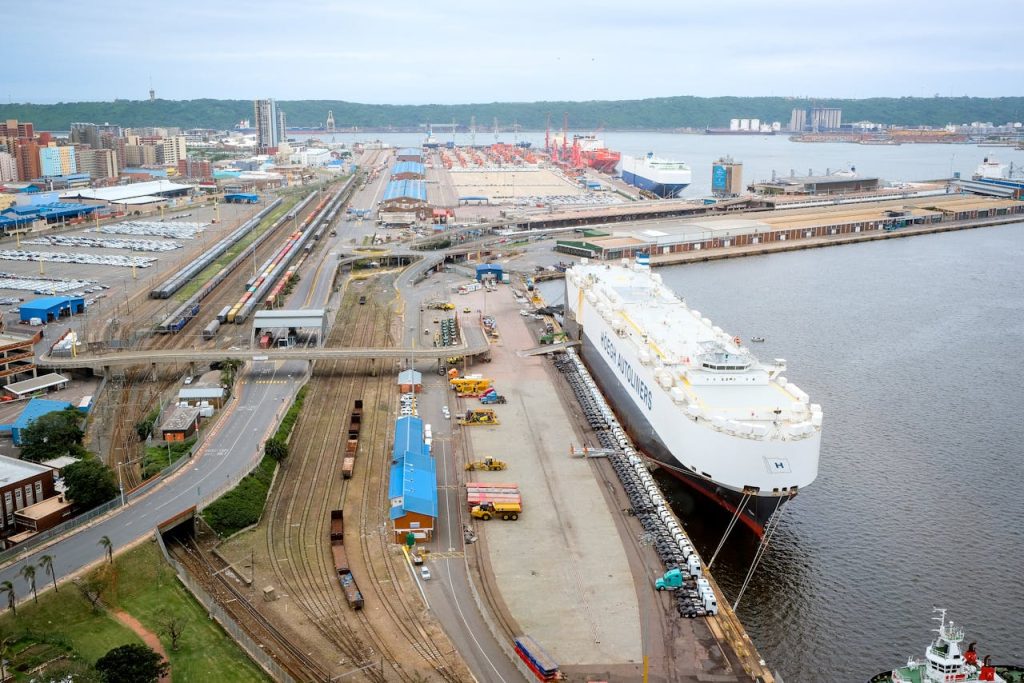
Expanded port capacity at Conakry and Kamsar, where Guinea nearly doubled its terminal count in 2025, improves the logistics efficiency of refrigerated container export movements. The Simandou Trans-Guinean railway and Morebaya deep-water port, while designed for iron ore, represent a multi-user logistics spine that benefits any export-oriented business along the corridor. Energy grid expansion through new transmission infrastructure including the €192 million VINCI Energies contract awarded in 2026 for a 50 MW solar farm and 350 km of new transmission lines is critical for operating energy-intensive cold chain and freezing infrastructure reliably.
The African Development Bank has a documented track record of financing fisheries development projects in Guinea, including artisanal fishing and fish farming development programs, confirming institutional appetite for sector investment that can be leveraged alongside private capital.
How Yes! Invest Guinea Supports Seafood Processing and Export Investors
Yes! Invest Guinea connects investors with structured entry points across Guinea’s fishing, processing, and export value chain. Our support includes:
- Identifying suitable sites for processing plants, cold storage facilities, and fish meal operations near key landing sites
- Coordinating with Guinea’s Ministry of Fisheries and relevant regulatory bodies for licensing and permit access
- Connecting investors with EU food safety certification consultants and international buyers
- Advising on Investment Code incentives, including tax holidays and duty-free equipment imports for qualifying processing investments
- Facilitating introductions to the African Development Bank and other development finance institutions with an active fishing sector mandate in Guinea
Frequently Asked Questions
- What fish and seafood species make Guinea’s waters commercially significant? Guinea’s coastal waters support multiple high-value shrimp species, including guinea shrimp, pink shrimp, giant tiger prawn, caramote prawn, and deep-water rose shrimp, alongside finfish species including barracuda and grouper and inland freshwater fisheries.
- What is the primary investment gap in Guinea’s fishing sector? Processing infrastructure cold storage, freezing facilities, processing plants compliant with EU food safety standards, and fish meal production is the sector’s critical missing layer, preventing Guinea from capturing the value-added margin between raw catch and premium-grade export products.
- Can Guinea’s processed seafood access European Union markets? Yes, but EU market access requires HACCP certification and food safety compliance aligned with EU import standards. The FAO has specifically funded studies on achieving this compliance from Guinean processing facilities, confirming that EU market access is achievable with the right infrastructure investment.
- How does Guinea’s expanding port and energy infrastructure support seafood processing? Guinea’s nearly doubled port capacity, new deep-water terminals, and expanding electricity grid including new solar and transmission infrastructure directly support the cold chain, refrigerated container logistics, and energy-intensive freezing operations that seafood processing requires.
- How can Yes! Invest Guinea help investors enter Guinea’s seafood processing and export sector? Yes! Invest Guinea provides site selection, regulatory coordination with the Ministry of Fisheries, EU certification guidance, Investment Code application support, and connections to African Development Bank financing programs active in Guinea’s fishing sector.
Build Guinea’s Seafood Processing Industry From the Ground Up
Guinea’s Atlantic coastline is producing premium seafood that is leaving the country largely unprocessed, with its value captured by facilities in Europe and Asia rather than in Guinea. The infrastructure to change that is the investment and the regulatory environment, infrastructure tailwinds, and institutional support are now aligning to make it viable.
Connect with Yes! Invest Guinea today to explore fish processing and export investment opportunities tailored to your sector experience and target markets.